


Body odor in children can start years before the teen years, which is exactly why so many parents end up searching for kids deodorant long before they expected to. This guide walks through why body odor starts early, when it's actually time to introduce deodorant for kids, how to choose one, and how it fits into a full kids hygiene routine, not just underarms.
Kids Deodorant at a Glance
Most kids need their first deodorant somewhere between ages 8 and 13, once the underarm sweat glands activate. Odor, not age, is the real signal for when to start.
|
Typical starting age |
8–13, once body odor becomes noticeable |
|
What to look for |
Aluminum-free, fragrance-free, independently certified |
|
What to avoid |
Aluminum, parabens, phthalates, synthetic fragrance, baking soda |
|
Antiperspirant needed? |
Rarely, at this age; deodorant alone is enough for most kids |
|
Best format for beginners |
Roll-on or spray |
An aluminum-free, fragrance-free formula is the safer starting point for almost every child, and the best deodorant for kids rarely needs to be more complicated than that.
Understanding Body Odor in Kids
Before deciding whether it's time for deodorant, it helps to understand what's actually causing the smell in the first place.
Sweat vs Body Odor
Sweat itself doesn't smell. Body odor happens when sweat meets bacteria that naturally live on the skin, which is an important distinction for any parent trying to figure out whether a smell means something's wrong.
Why Body Odor Starts During Childhood and Puberty
Kids are born with eccrine glands, which produce watery sweat for temperature control from birth onward. Apocrine sweat glands are different: they're concentrated in the underarms and stay mostly dormant until a hormonal shift called adrenarche switches them on, which is when odor actually begins.
The Role of Hormones
Adrenarche can happen well before any other visible puberty signs, which is exactly why why does my 7 year old have body odor already is such a common search. The glands don't check a calendar.
Sports, Activity, and Lifestyle Factors
Active kids sweat more often and in more places, which speeds up when odor becomes noticeable. Pairing deodorant with good hydration habits for active kids matters here too, since sweat and sun exposure affect skin just as much as odor control.
Is Body Odor Normal?
Yes. Body odor is a normal chemistry shift, not a hygiene failure, and treating it that way with a child avoids unnecessary embarrassment.
How Do You Know When Your Child Needs Deodorant?
There's no single moment that applies to every kid, but a few patterns tend to show up first.
Common Signs Parents Notice
Underarm odor after school or play, even without an obvious sweat session, is usually the first thing parents pick up on.
Odor After Sports and Physical Activity
Odor that shows up specifically after practice or gym class, even on kids who otherwise smell fine, is one of the clearest early signs a child needs deodorant.
Early Puberty Changes
Growth spurts, early body hair, or breast budding often line up with the same hormonal window that triggers odor, though body odor puberty timeline signs don't always arrive together.
Social and Emotional Signs
A child mentioning their own smell, or acting self-conscious around friends, often pushes the decision forward faster than a parent noticing first.
Why Every Child Develops Differently
Two same-age siblings can be years apart on this. A deodorant for 5 year olds situation and a first deodorant for my son at 12 can both be completely normal, just on different timelines.
Why Kids' Deodorant Matters Beyond Odor Control
Deodorant does more than manage smell; it's often a child's first real step into independent self-care.
Building Healthy Hygiene Habits
A daily deodorant habit is often a child's first independent self-care routine, and starting it early makes the next ones easier.
Supporting Confidence and Self-Esteem
Kids who feel good about how they smell tend to carry themselves differently at school, especially once classmates start noticing these things too.
Encouraging Independence
Letting a child manage their own deodorant, rather than a parent reminding them daily, builds the same independence skincare and other hygiene habits eventually require.
Preparing Kids for Puberty
Deodorant is often the first puberty-adjacent product introduced, which makes it a low-stakes way to normalize bigger conversations later.
Creating Lifelong Self-Care Routines
A gentle first experience with deodorant tends to shape how a child approaches personal care products for years afterwards.
What Is Kids Deodorant?
At its core, kids' deodorant does one job: manage odor without introducing ingredients built for adult skin.
How Deodorant Works
Deodorant targets the bacteria responsible for odor, or neutralizes the odor itself, without stopping sweat.
What Causes Underarm Odor
Apocrine sweat is thicker than regular sweat, and when it meets skin bacteria, that combination is what creates the smell, not the sweat on its own.
Why Kids Often Need Different Products Than Adults
Kids' skin is thinner and more reactive, so can kids use regular adult deodorant is not worth a firm no in most cases. Adult formulas are built for a different skin barrier entirely.
Common Types of Deodorant Products
Sprays, sticks, roll-ons, and mists all exist for kids specifically, and the right one usually comes down to age and independence, covered in more detail below.
Deodorant vs Antiperspirant
These two get used interchangeably by a lot of parents, but they solve different problems.
What Deodorants Do
Deodorant controls odor by targeting bacteria, without affecting how much a child sweats.
What Antiperspirants Do
Antiperspirants use aluminium-based compounds to temporarily block sweat glands. In the U.S., it's regulated by the FDA as an over-the-counter drug category, a different classification from deodorant.
Which Option Is Usually Best for Kids?
For most kids, deodorant is enough. Is antiperspirant safe for a 12 year old comes up often, and while it's generally considered fine, a best antiperspirant for tweens search usually isn't necessary before trying a gentle deodorant first.
Understanding Aluminum-Free Products
Whether aluminum-free deodorant actually works for kids is one of the most useful questions a parent can ask, and the short answer is yes, when the formula is built to target bacteria rather than just mask smell.
When Should Kids Start Wearing Deodorant?
Timing is the question almost every parent starts with, and it comes down to signals more than a set age.
There Is No Perfect Age: At what age should a child start wearing deodorant doesn't have one universal answer. Odor is the trigger, not a birthday.
Common Ages When Parents Notice Body Odor: Most families start somewhere between ages 8 and 13, though the exact window varies by child.
Signs Matter More Than Age: The presence of odor, rather than a specific number, is what should drive the decision every time.
Elementary School Children: Younger kids don't typically need deodorant yet, but daily bathing and clean clothes cover most hygiene needs until odor actually appears.
Tweens: This is when most first-time deodorant conversations happen, often tied to sports, gym class, or the start of puberty.
Teens: By the teen years, daily deodorant use is standard, and a safe deodorant for teens just needs to stay aluminum-free and fragrance-light rather than switching to adult formulas by default.
Introducing Deodorant for the First Time: Deodorant tends to arrive around the same time as other hygiene and skincare changes by age, so introducing both together often works better than treating them as separate conversations.
How to Choose the Best Deodorant for Kids
With so many "natural" and "gentle" labels on shelves, it helps to have a short list of things that actually matter.
Consider Your Child's Age and Needs: Age matters less than skin needs and gender differences in onset. Girls often need a first deodorant slightly earlier than boys, since puberty tends to start sooner for them, though plenty of families prefer a gender neutral kids deodorant option that any kid at home can share.
Consider Skin Sensitivity: A reactive or eczema-prone child needs a gentler formula from the start, not a trial-and-error approach with adult products.
Think About Activity Levels: Kids in daily sports may need a stronger deodorant for smelly kids, though that's less about potency and more about whether the formula targets bacteria at the source.
Look for Gentle Formulas: Fragrance-free and aluminum-free should be the baseline, not a premium feature.
Choose a Format Your Child Will Use Consistently: The best product is the one a child will actually reach for daily, which is often more about format than ingredients.
Questions Parents Should Ask Before Buying: Is it aluminum-free? Is it independently certified? Does my child like the scent and format? A full comparison of the best deodorants for kids is a useful next step once those questions are answered.
Types of Kids Deodorants Explained
Format matters more than most parents expect, especially for a first-time user still learning to apply it.
Spray Deodorants: Fast to apply and good for kids who dislike direct contact with a stick.
Stick Deodorants: Familiar and precise, though younger kids sometimes need practice applying evenly.
Roll-On Deodorants: A childrens roll on deodorant is often the easiest format for younger kids to control, and answers most roll on for 8 year olds searches directly.
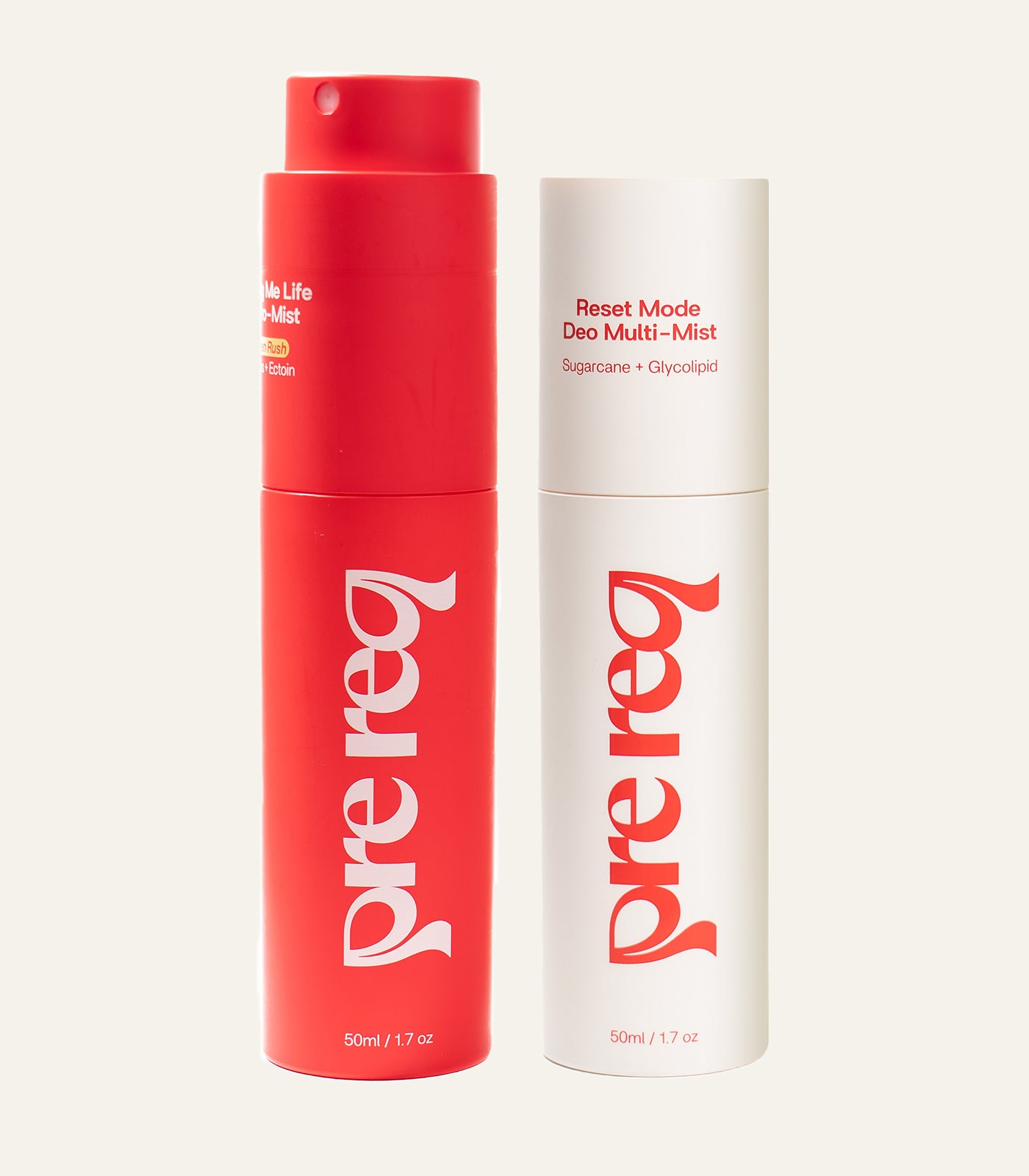
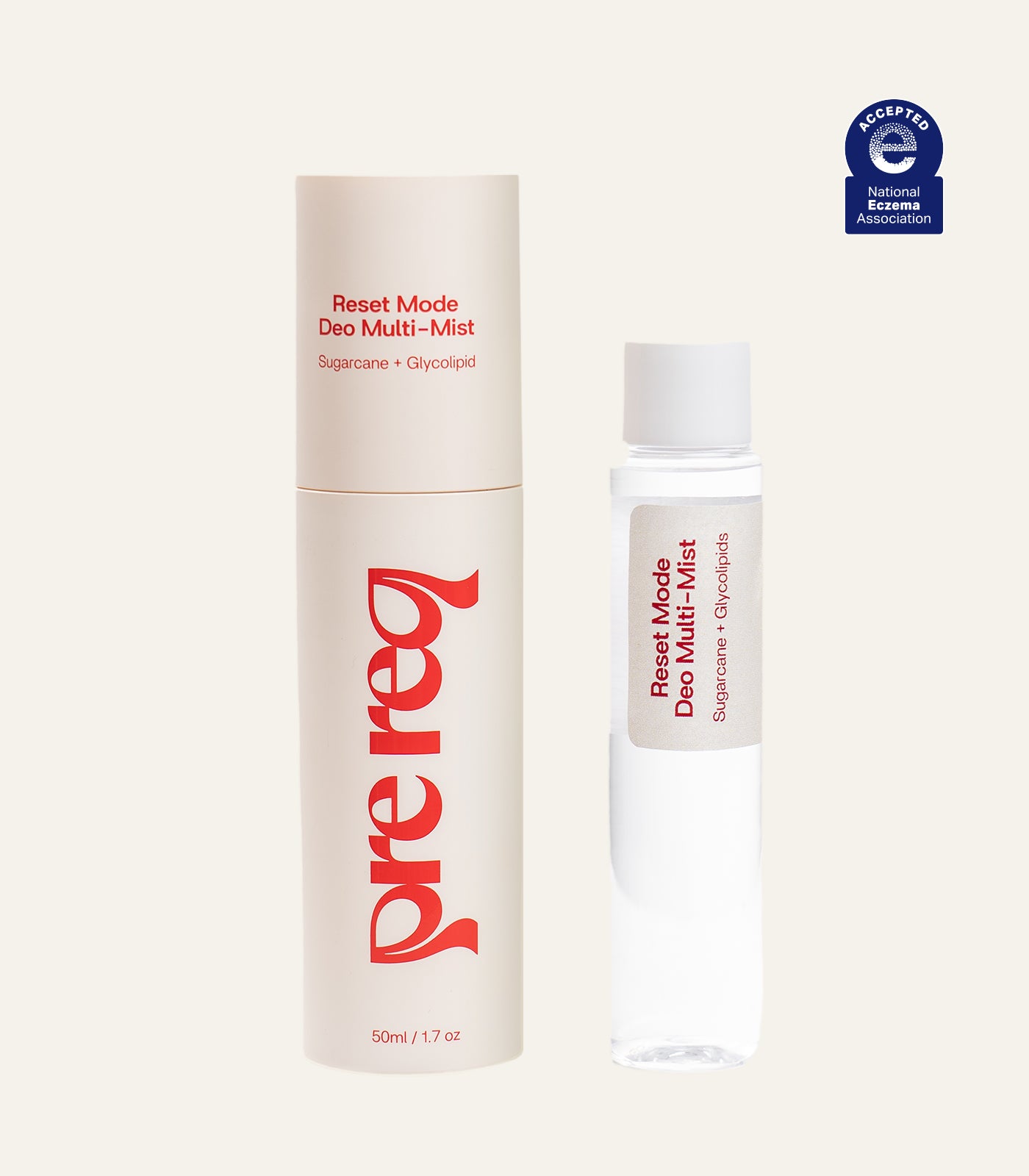
Deodorant Mists: Mists work anywhere odor shows up, not just underarms. Prereq's Reset Mode Deo Multi-Mist is an aluminum-free, baking soda-free example built specifically for this age group, using a sugarcane-fermentation-based ingredient to target odor-causing bacteria.
Pros and Cons of Each Format
|
Format |
Easy for young kids to apply |
Works beyond underarms |
|
Stick |
No |
No |
|
Roll-on |
Yes |
No |
|
Spray |
Yes |
Yes |
|
Mist |
Yes |
Yes |
Which Type Is Best for Beginners?
Roll-ons and sprays tend to work best for first-time users, since both are more forgiving than a stick for a child still learning proper application.
Recommended Products for Tweens & Teens
Support healthy hygiene and skincare habits with gentle, age-appropriate essentials designed for pre-teens and teens.
Choosing Deodorant for Sensitive Skin
Sensitive skin needs a slightly more careful approach, both in ingredient choice and in how a new product gets introduced.
Why Children's Skin Can Be More Sensitive
A developing skin barrier reacts more easily to fragrance and harsh preservatives than adult skin does.
Common Causes of Irritation
Synthetic fragrance, baking soda, and alcohol are the most frequent culprits behind natural deodorant giving my child a rash, more often than the base formula itself.
How to Test a New Product
A small patch test on the inner arm, worn for a day before full underarm use, catches most reactions early.
When to Stop Using a Product
Redness, itching, or a rash that doesn't fade within a day or two means it's time to stop and switch to an unscented option.
Supporting Healthy Skin While Managing Odor
The same principles that guide a safe kids skincare routine apply here: gentle ingredients first, fragrance last.
Ingredients Parents Should Know About

Reading a label is the fastest way to tell a genuinely gentle formula from one that's just marketed that way.
Ingredients Commonly Used for Odor Control
Ferment-based odor neutralizers and magnesium hydroxide deodorant formulas target bacteria directly, rather than masking smell temporarily.
Ingredients That Help Support Skin Comfort
Glycolipids support the skin's microbiome, keeping helpful bacteria in place while discouraging the ones that cause odor.
Understanding Fragrance
"Fragrance" on a label can hide undisclosed chemicals, including phthalates, which is why is phthalate free important for kids deodorant is a fair question on any product.
Understanding Aluminum-Free Claims
Aluminum-free just means the product doesn't block sweat glands. It says nothing about fragrance or preservatives, so it shouldn't be the only thing checked on a label.
Reading Ingredient Labels With Confidence
Here's a quick reference for the ingredients worth double-checking before buying:
|
Ingredient |
Why avoid it for kids |
|
Aluminum compounds |
Blocks sweat glands; unnecessary for most kids |
|
Parabens |
Preservatives with ongoing hormonal-disruption concerns |
|
Phthalates |
Often hidden under "fragrance", linked to hormone interference |
|
Synthetic fragrance |
Common cause of skin irritation and contact dermatitis |
|
Baking soda |
Highly alkaline; can irritate sensitive underarm skin |
|
Propylene glycol |
Can cause skin irritation, especially on sensitive skin |
This table covers most kids deodorant ingredients to avoid searches. Parents chasing EWG-rated safe kids deodorants specifically can cross-check individual ingredients against the EWG Skin Deep database, which rates hazard level rather than relying on front-of-package claims.
As Dr. Tiffany Libby, board-certified dermatologist and Prereq's Strategic Advisor, put it:
"What stood out to me immediately was how intentionally Prereq Care approached formulation for young skin. The products are built around supporting the skin barrier first, with carefully selected ingredients that each serve a clear purpose."
Kids Body Spray vs Kids Deodorant
These two often get lumped together, but they don't do the same job.
What Body Spray Does
Body spray adds scent. It doesn't target odor-causing bacteria the way deodorant does.
What Deodorant Does
Deodorant is the odor-control product; understanding the difference between kids body spray and perfume helps clarify why the two aren't interchangeable.
Which Product Is Better for Daily Odor Control?
Deodorant, every time. Body spray layered over unmanaged odor just masks the smell temporarily rather than solving it.
Can Kids Use Both?
Yes, and most tweens eventually do, once fragrance becomes part of the routine. Checking a safe body spray guide first helps avoid the same fragrance-related irritation deodorant can cause.
Choosing the Right Option for Your Child
Start with deodorant as the daily habit, then introduce body spray separately once the child is ready for it.
Building a Healthy Hygiene Routine for Kids
Deodorant works best as one piece of a larger daily routine, not as a fix on its own.
Daily Bathing and Cleansing Habits: Regular bathing keeps bacterial buildup in check and makes deodorant more effective, not less necessary.
Wearing Clean Clothes: Sweat-soaked clothing worn repeatedly can intensify odor regardless of how good the deodorant is.
Proper Deodorant Application: Applying to clean, dry skin matters more than how much product goes on. A step-by-step guide on how to use deodorant covers exactly how much and how often.
Hygiene After Sports and Physical Activity: A quick rinse or wipe-down after practice, followed by reapplication if needed, keeps odor from building up through the afternoon.
The Role of Hydration: Hydrated skin handles sweat and friction better than dry, irritated skin does, which matters most for active kids.
Creating Consistent Daily Habits: Attaching deodorant to something already automatic, like a morning shower, is what makes the habit stick without reminders.
Creating a Complete Body Care Routine for Kids
Deodorant fits into a broader routine alongside cleansing, hydration, and sun protection.
Cleansing: A gentle, fragrance-free cleanser is the foundation any hygiene routine builds on.
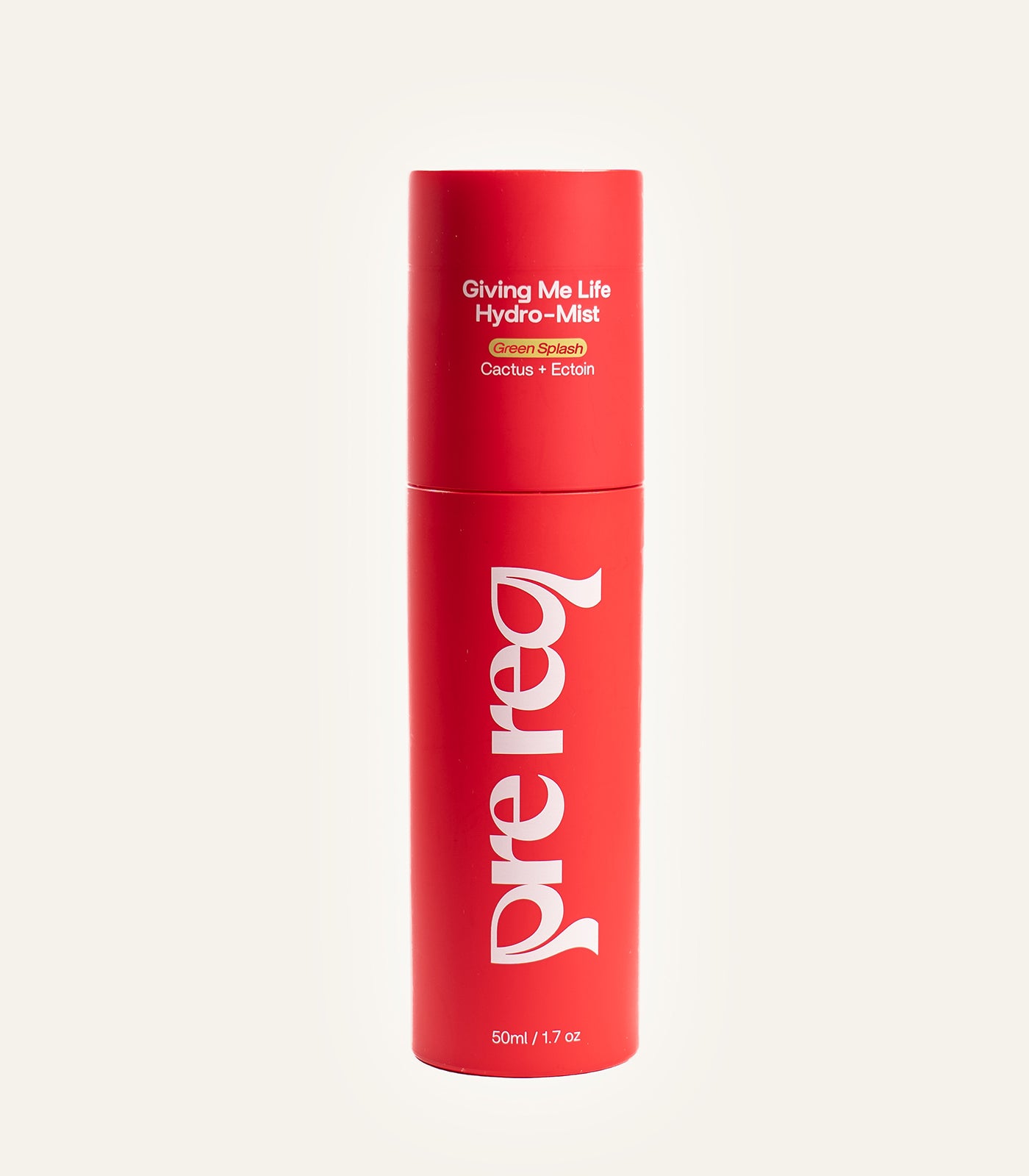
Hydration: Sweat and sun exposure dry out skin fast in active kids. Prereq's Giving Me Life Hydro-Mist is built for exactly this, a lightweight way to restore hydration after school, sports, or outdoor play.
Odor Protection: Deodorant fits in here as the daily odor-control step, layered on top of cleansing rather than replacing it.
Sun Protection: A mineral SPF rounds out a basic routine, protecting skin that's already working harder due to sweat and outdoor activity.
Building a Simple Routine Kids Can Follow: A full skincare set for kids or a short list of skin care products for kids ages 8 to 12 makes it easier to build all of this out at once instead of buying each piece separately.
Recommended Products for Tweens & Teens
Support healthy hygiene and skincare habits with gentle, age-appropriate essentials designed for pre-teens and teens.

