


Safe Kids skincare comes down to three things: a gentle fragrance-free cleanser, a lightweight moisturizer, and daily mineral SPF 30. That's the complete foundation. Children ages 7 through 12 don't need serums, exfoliants, or multi-step routines, and using adult products on developing skin can actually cause oiliness, irritation, and breakouts you're trying to prevent.
Children's skin continues to develop through approximately age 12. It's thinner, more absorbent, and more reactive than adult skin, which means what goes on it matters more, not less. As Dr. Tiffany Libby, board-certified dermatologist and Prereq Care's Strategic Advisor, puts it:
"Teen skin has a different microbiome, different oil balance, and higher sensitivity. Harsh actives and multi-step routines aren't necessary, and they can actually disrupt the skin barrier."
This guide covers what a safe, age-appropriate tween skincare routine actually looks like, broken down by age, common skin problems, and what parents most often search for.
The Safe Kids Skincare Routine (3 Steps)
A good kids' skincare routine doesn't need to be complicated or expensive. Three products, used consistently every day, will do more for your child's skin than any 10-step routine pulled from social media.
Step 1 - Gentle Cleanser (PM, or AM + PM for tweens 10+)
-
Once daily in the evening is enough for most kids ages 7-9
-
Kids ages 10-12 with oiliness can cleanse morning and evening
-
Over-washing strips natural oils and triggers more oil production, less is more
-
Look for: fragrance-free, sulfate-free formulas with aloe vera or vitamin E
-
Avoid: alcohol, synthetic fragrance, harsh sulfates, physical scrubs
Step 2 - Lightweight Moisturizer (AM + PM)
-
Every skin type, including oily, needs daily moisture; skipping it makes oiliness worse
-
Look for: ceramides, hyaluronic acid, squalane, or jojoba oil
-
Non-comedogenic only, won't clog pores, suitable for all skin types, ages 7-12
Step 3 - Mineral SPF 30+ (AM only)
-
The single most important habit to build in childhood; UV damage is cumulative
-
Zinc oxide only, mineral formulas sit on the skin surface rather than absorbing into it
-
Apply every morning before school or outdoor activity
Optional add-on for ages 10–12 with frequent breakouts: A hypochlorous acid (HOCl) spray after cleansing, naturally antimicrobial and anti-inflammatory, and significantly gentler than benzoyl peroxide or salicylic acid products made for adult skin.
Safe Skincare for Kids by Age: What Each Age Group Actually Needs
Kids' skin changes meaningfully between ages 7 and 12. What a 9-year-old with early signs of puberty needs is different from what a 7-year-old or a 12-year-old needs. The table below maps the most common skin situations to what's actually appropriate, without over-treating.
|
Age |
What's Happening to the Skin |
What They Need |
|
7–8 |
Pre-pubescent; normal skin, possible outdoor irritation, and dryness |
Gentle cleanser (as needed) + daily mineral SPF |
|
9–10 |
Early puberty begins; increased shininess, first visible pores |
Cleanser (PM) + lightweight moisturizer + SPF |
|
11 |
Oil production is increasing; early breakouts are becoming more common |
3-step routine; add HOCl spray if needed |
|
12 |
Hormonal fluctuations more pronounced; breakouts may be more frequent |
3-step routine; optional gentle spot treatment only if needed |
A note on girls: Girls typically enter puberty earlier than boys, between ages 8 and 13, which means skin changes like increased oiliness and early breakouts often appear sooner. A skincare routine for a 9-year-old girl may need a moisturizer earlier than for a boy the same age. Boys usually start puberty between 9 and 14, but when oil production increases, it can be more pronounced.
For a deeper look at the changes that occur at each age through the tween years, the full breakdown of skincare for kids 10–12 covers each stage in detail.
Common Kids' Skin Problems and What Actually Helps
Most parents come to kids' skincare through a specific problem, a sudden breakout, a rash that won't clear, or a child who comes home from school feeling self-conscious about their skin. Here's what's actually behind the most common issues and what genuinely helps.
Excess Oiliness and Shine
This is the most common skin change parents notice first, usually around the nose and forehead. It's driven by androgen hormones signaling the sebaceous glands to produce more oil, a normal part of puberty, not a hygiene problem.
What helps: a fragrance-free foaming cleanser in the evening (and morning if needed), followed by a lightweight non-comedogenic moisturizer. Skipping moisturizer to combat oiliness makes the problem worse. A portable mist during the day helps reset shine between washes without stripping the skin.
What doesn't help: clay masks, astringent toners, or over-cleansing. These disrupt the skin barrier and trigger rebound oil production.
Blackheads and Clogged Pores
As oil production increases, pores can become more visible and more easily blocked. Blackheads are oxidized oil plugs; they're not caused by dirt, and they can't be scrubbed away.
What helps: consistent cleansing with a gentle, sulfate-free cleanser to prevent buildup. For ages 10 and older, a low-concentration niacinamide product can help reduce the appearance of pores over time. Niacinamide is one of the few active ingredients appropriate for this age group; it controls oil, reduces redness, and minimizes the appearance of pores without being harsh.
What doesn't help: physical exfoliants, pore strips, or anything with AHAs (glycolic acid, lactic acid). These are formulated for adult skin and thin the skin barrier in development.
Early Breakouts
The first breakouts in kids are usually small, appearing on the forehead, chin, or nose, all areas where oil production is highest. They're a normal response to hormonal changes, not a sign that something is wrong.
What helps: the 3-step routine done consistently. For tweens already dealing with frequent breakouts, adding a hypochlorous acid spray after cleansing is the gentlest first step before considering anything stronger. HOCl neutralizes the bacteria that contribute to breakouts without drying or damaging the skin barrier.
What doesn't help: benzoyl peroxide at this age. It's effective for adult acne but too drying and too disruptive for skin that's still developing its barrier.
Dry Patches and Sensitivity Reactions
Some kids experience dry, flaky patches on the cheeks, around the nose, or on the forehead, especially in winter, after swimming, or when exposed to air conditioning. Others develop redness or sensitivity reactions to products that seemed fine at first.
What helps: a gentle, fragrance-free moisturizer applied morning and night consistently. For skin that reacts easily, fragrance-free is non-negotiable; synthetic fragrance is the most common cause of contact irritation in kids. Products with ceramides help rebuild the skin barrier after it's been compromised by weather, swimming, or product reactions.
What doesn't help: switching products frequently. Skin needs four to six weeks of consistent use to show results. Rotating products in and out is one of the most common ways parents accidentally worsen their child's skin.
Eczema-Prone Skin
Some kids have chronically dry, itchy, or inflamed patches that flare in response to triggers like detergents, wool, sweat, or cold air. These are signs of eczema-prone skin, not just regular dryness.
What helps: very simple routines, with very clean ingredient lists. The fewer ingredients, the lower the risk of triggering a reaction. Look for products with the NEA Seal of Acceptance; this means the formula has been independently evaluated as suitable for sensitive and eczema-prone skin. A pediatric dermatologist is the right resource for anything beyond basic maintenance.
Which Kids' Skincare Products Are Actually Safe? What to Look For on the Label?
Not every product labeled "for kids," "natural," or "clean" is actually age-appropriate for children ages 7 to 12. The marketing language on the front of a product tells you almost nothing useful. The back of the label and third-party credentials tell you everything.
Here's what actually matters:
NEA Seal of Acceptance: Issued by the National Eczema Association after independent evaluation. This means the formula has been assessed and found suitable for sensitive and eczema-prone skin. It's a different and more meaningful standard than simply being labeled "gentle."
EWG Verified: The Environmental Working Group assigns safety scores (1 being safest) to every ingredient. EWG Verified means no ingredients of concern. This is more rigorous than "clean" or "non-toxic" claims, which are unregulated marketing terms.
Dermatologist-formulated or reviewed: Not the same as "dermatologist-tested." Look for brands where a named, board-certified dermatologist has reviewed the formula specifically for young skin.
Fragrance-free: Not "unscented." Unscented products can still contain masking fragrances that don't smell but can still irritate skin. Fragrance-free means no fragrance compounds at all.
No parabens, phthalates, or endocrine disruptors: These preservatives and chemical compounds are worth avoiding in products used daily by children, particularly during puberty when the endocrine system is active.
Prereq Care holds both NEA and EWG credentials across its product line, and every formula was developed in partnership with Dr. Tiffany Libby, a board-certified dermatologist, specifically for pre-teen and tween skin. Each product was also co-created with the Founding 50, 50 real pre-teens and teens who shaped formulas from the start.
Kids' Skincare for Boys vs. Girls: Is There a Difference?

Most kids' skincare is marketed almost exclusively to girls. The packaging skews pink, the influencer content skews female, and the conversation about tween skincare in general treats it as something girls do and boys don't.
Skin biology doesn't work that way.
Boys and girls go through the same hormonal changes during puberty, including increased androgen production, higher oil output, more visible pores, and the same risk of early breakouts. The difference is timing. Girls typically begin puberty between the ages of 8 and 13. Boys usually start between 9 and 14, with puberty often arriving later but progressing quickly once it starts.
That timing difference has a practical implication: a 10-year-old girl may already be dealing with oiliness and early breakouts, while a 10-year-old boy may still have pre-pubescent skin. The routine doesn't need to differ by gender; it needs to match where the skin actually is.
Both a 10-year-old girl and a 10-year-old boy with oily skin need the same three things: a gentle cleanser, a lightweight moisturizer, and daily SPF. The products are the same. The only variable is when those changes begin.
This matters for parents: if your son hasn't started showing signs of skin changes yet, basic SPF and a cleanser after sports or outdoor activities are enough. When oil production increases, add a moisturizer. Don't wait for breakouts to become a problem before starting the routine; starting early is always the right call.
How to Build a Kids' Skincare Habit That Actually Sticks
The best kids' skincare routine is the one your child will actually use. A three-product routine done consistently every day will outperform a perfectly curated ten-step routine that gets skipped half the time.
When Prereq Care was being built, 50 real pre-teens and teens, the Founding 50, were part of the process from the start. One thing they said consistently was that the feeling they wanted most wasn't perfect skin. It was confidence. Not wanting to be the kid who smelled. Not wanting to feel like their skin was out of control in front of their friends. You can read more about what that process looked like and what it means for every formula on the Self Care 101 page.
That insight shapes everything about introducing a routine to a child.
Attach it to something they already do.
New habits stick when they connect to existing ones. Linking face washing to toothbrushing, morning and night, removes the mental effort of remembering an extra step. It's just part of what happens before bed, and then before school.
Give them some ownership
Letting a child choose among two safe options, two cleanser formats, two moisturizers, and a scented vs. unscented option helps them feel involved. Kids who have a say in their routine are more likely to actually use it without daily reminders.
Make the products accessible
Products that live on the bathroom shelf get used. Products that stay in a bag or a cabinet get forgotten. For active kids with packed schedules, portable options a backpack-sized mist or a travel-format deodorant- remove the friction of needing to be home to use them.
Normalize deodorant alongside skincare.
Many kids start needing deodorant around the same time their skin starts changing. Introducing both together as a normal part of growing up, not a big conversation, just a new step, reduces the self-consciousness that can make kids resistant. For a full guide on timing and what to look for, see When Should Kids Start Using Deodorant.
Keep talking about it simply
Skin changes during puberty are not a sign of poor hygiene. Framing skincare as normal self-care, the same way brushing teeth is normal self-care, takes the embarrassment out of it and makes the habit easier to build.
Safe Kids Skincare Products Worth Knowing About
Parents often ask which specific products are actually formulated for this age group rather than adapted from adult lines. The short list below meets the criteria covered above: fragrance-free, EWG-verified, NEA-approved where noted, and reviewed by Dr. Tiffany Libby specifically for pre-teen skin.
Recommended Products for Tweens & Teens
Support healthy hygiene and skincare habits with gentle, age-appropriate essentials designed for pre-teens and teens.
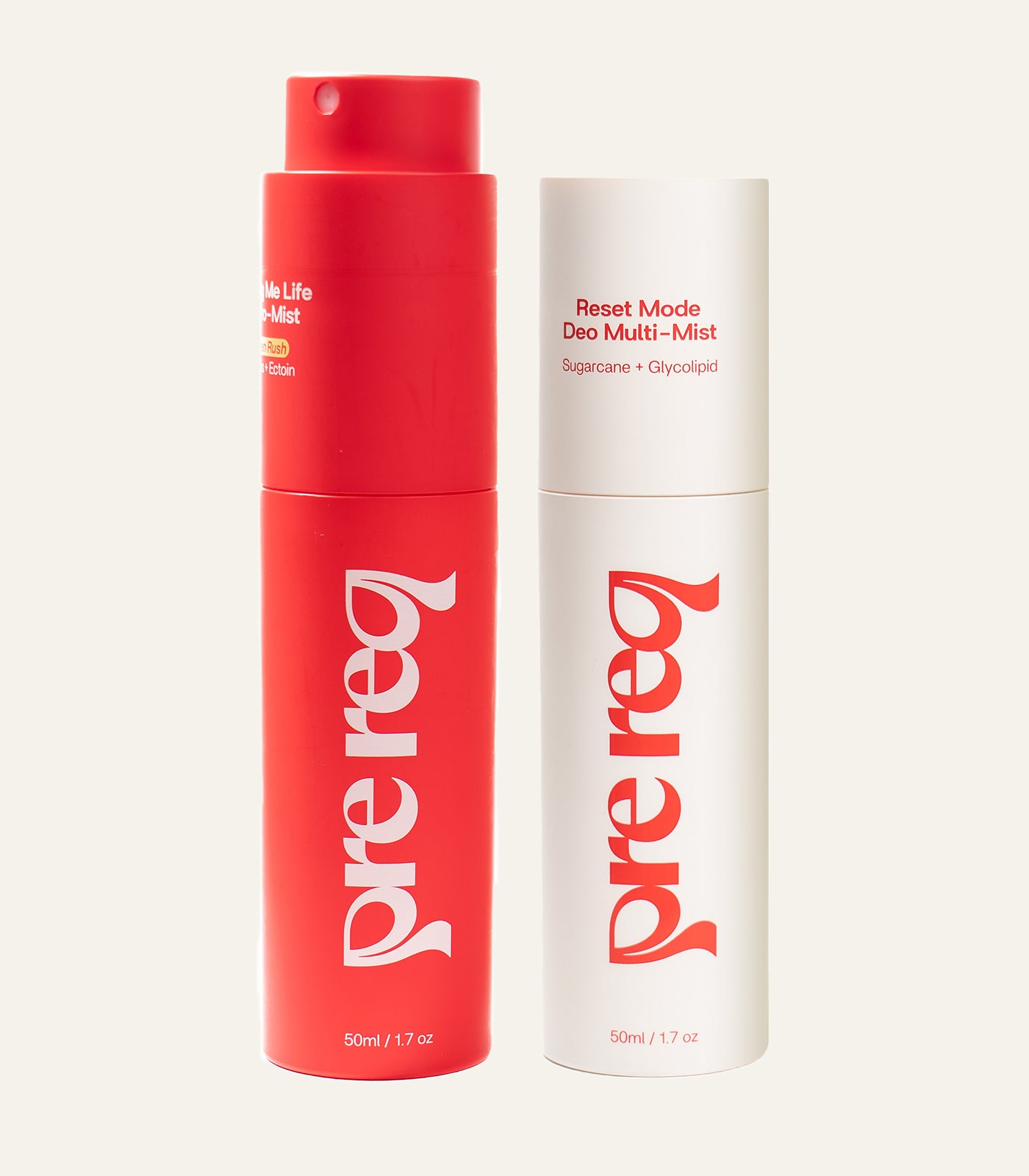
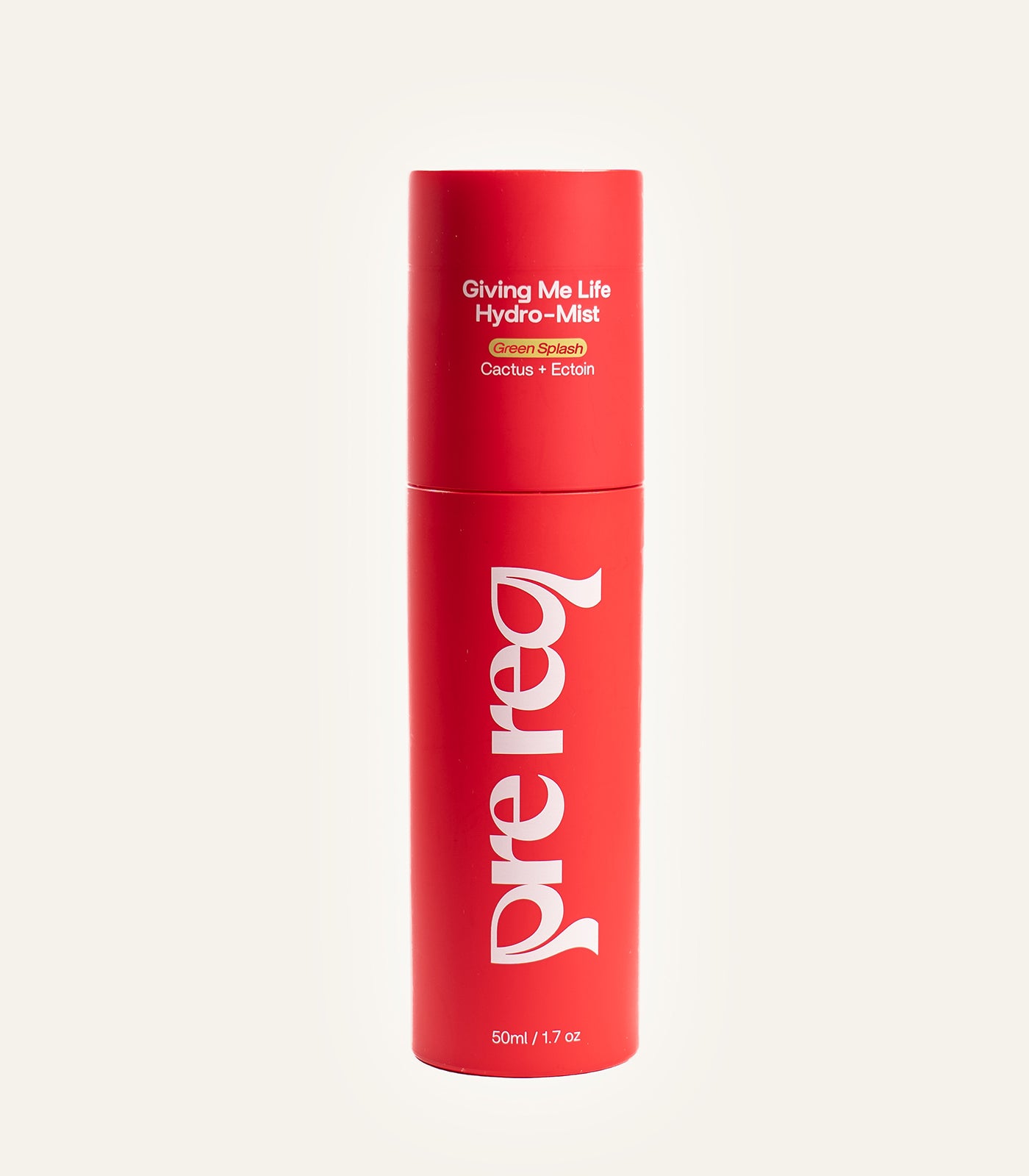
Giving Me Life Hydro-Mist - $19.99
A portable hydration mist for active kids who don't always have access to a sink. Ectoin protects against blue light and daily environmental stressors. Sodium hyaluronate delivers deep hydration. Cucumber extract calms redness. Completely fragrance-free, EWG-verified, and refillable in a backpack-sized bottle.
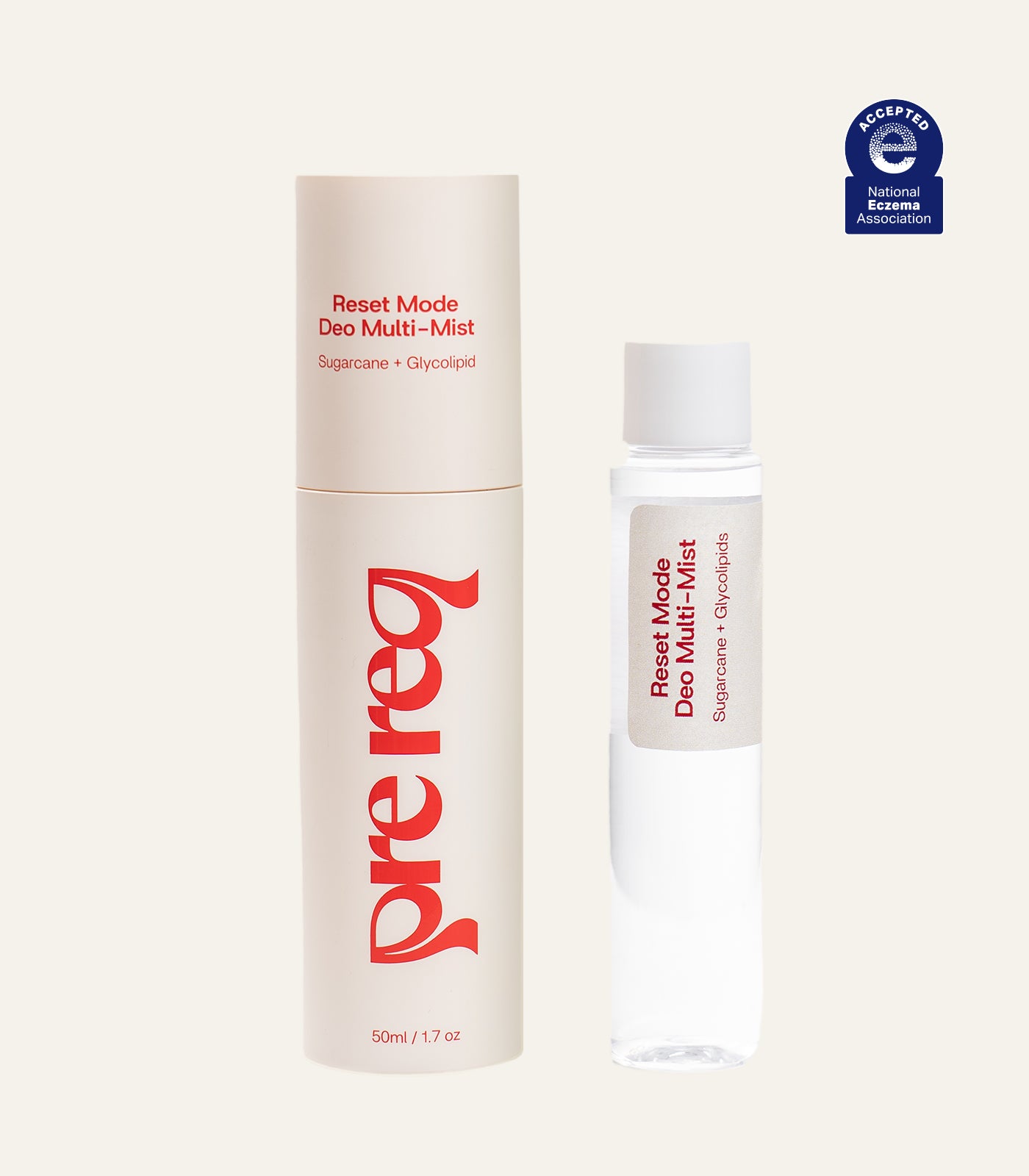
Reset Mode Deo Multi-Mist - $19.99
An aluminum-free, baking soda-free deodorant mist for kids entering puberty. Uses sugarcane fermentation to neutralize odor at the source and glycolipids to support the skin's microbiome rather than blocking it. NEA-Approved for sensitive skin. Works on underarms, feet, or anywhere odor develops.
The Daily Duo - $35.99
Both products together in one kit, hydration and odor defense. Refillable and portable, designed for kids who are more likely to use products that fit in a backpack than ones that stay on a bathroom shelf.
Common Questions Parents Ask About Kids' Skincare
What is the safest skincare for kids?
The safest skincare for kids uses fragrance-free, dermatologist-formulated products with gentle ingredients like ceramides, hyaluronic acid, and zinc oxide. Third-party credentials, NEA Seal of Acceptance, and EWG Verified are the most reliable indicators that a formula has been independently evaluated as safe for sensitive and developing skin.
What skincare should a 7-year-old use?
A 7-year-old needs daily mineral sunscreen (SPF 30+) and a gentle cleanser for use after outdoor or sports activities. A full 3-step routine isn't necessary yet, skin at this age is mostly pre-pubescent and doesn't produce excess oil. If your child has eczema, sensitive skin, or a specific condition, consult a pediatric dermatologist.
Which skincare brand is best for children?
The best kids' skincare brands are formulated specifically for developing skin, not scaled-down adult products. Look for brands with a named board-certified dermatologist involved in formulation, age-specific ingredient lists, and third-party credentials like NEA or EWG verification.
Is it okay for a 9-year-old to do skincare?
Yes. A simple 3-step routine- gentle cleanser, lightweight moisturizer, and mineral SPF is appropriate and helpful from around age 9 onward, particularly as early puberty begins. Avoid adult activities like retinol, AHAs, and benzoyl peroxide entirely at this age.
What should 10-year-olds use for skincare?
A 10-year-old's routine should include a fragrance-free foaming cleanser in the evening, a lightweight non-comedogenic moisturizer morning and night, and a mineral SPF 30 every morning. If early breakouts are appearing, a hypochlorous acid spray is the gentlest first add-on to consider before trying anything stronger.
What to avoid in kids' skincare?
Avoid retinol and retinoids, AHAs (glycolic acid, lactic acid), benzoyl peroxide, synthetic fragrance, parabens, phthalates, and baking soda. Also, skip anything labeled anti-aging, firming, brightening, or wrinkle-reducing; these signal actives formulated for adult skin concerns, not for developing skin.
The Only Kids Skincare Rule That Actually Matters
The best skincare routine for kids isn't the most expensive or the one with the most steps. It's the one your child will actually use every day, without being reminded.
A gentle cleanser, a lightweight moisturizer, and a mineral SPF 30, that's the complete foundation for kids ages 7 to 12. Everything else is optional and age-dependent. Keep it simple, keep it consistent, and avoid anything their skin isn't ready for.
At Prereq Care, every product is formulated for tween and preteen skin, with no harsh actives, no synthetic fragrance, and no ingredients that don't belong. Co-created with 50 real pre-teens, reviewed by a board-certified dermatologist, and backed by NEA and EWG credentials.

