


The right skin care products for 12-year-old girls come down to three basics, used consistently: a gentle cleanser, a lightweight moisturizer, and a mineral SPF. At this age, hormonal changes are just starting to shift oil production, while the skin barrier is still developing underneath, which is exactly why a full adult routine isn't the goal here.
Most products on store shelves, from drugstore staples to prestige brands, are initially designed for adult skin concerns. Using them on a 12-year-old can trigger the exact problems parents are trying to prevent: dryness, irritation, and new breakouts. This guide covers what to look for, what to avoid, and two products worth adding to the cart.
What Skin Care Should a 12-Year-Old Girl Use?
A 12-year-old girl doesn't need a 10-step routine; she needs three products used consistently: a gentle cleanser, a lightweight moisturizer, and a mineral SPF 30. That's it. Androgen hormones begin signaling the sebaceous glands to produce more oil around this age, which is why skin can start to look shinier around the nose and forehead, and why the first breakouts tend to show up. At the same time, the skin barrier, the outer layer that locks in moisture and blocks irritants, is still forming, which makes a 12-year-old's skin more reactive to harsh activities than adult skin.
That's the entire difference between a skincare for tweens routine and an adult one: fewer products, gentler formulas, and nothing that disrupts a barrier that's still under construction.
Ingredients to Look For and Avoid in Skin Care for 12-Year-Old Girls
Reading the ingredient label matters more at this age than the brand name on the front of the bottle. Here's what belongs in skin products for tweens, and what doesn't:
|
Look for |
Avoid |
|
Niacinamide (Vitamin B3) |
Retinol/retinoids |
|
Hyaluronic acid |
Glycolic acid / lactic acid (AHAs) |
|
Ceramides |
Benzoyl peroxide |
|
Zinc oxide (mineral SPF) |
Synthetic fragrance |
|
Aloe vera |
Parabens |
Niacinamide helps control excess oil and calm redness without stripping the skin, while hyaluronic acid hydrates without clogging pores; both make sense for face products for tweens dealing with early oiliness. Retinol, AHAs, and benzoyl peroxide, on the other hand, are formulated for adult skin concerns and are too aggressive for a 12-year-old's developing barrier. It's also worth skipping anything labeled "anti-aging," "firming," or "brightening." Those labels signal an adult-skin formula, not a tween's.
Zinc oxide deserves a specific callout for best products for teenage skin: mineral sunscreens sit on top of the skin rather than absorbing into it, which makes them the gentler choice for a 12-year-old versus a chemical sunscreen formula. Daily SPF is also the single highest-impact habit in this entire routine, since UV exposure in childhood and early adolescence adds up over a lifetime, which is exactly why an SPF moisturizer for tweens belongs in the daily lineup, not just on vacation.
This is also where the difference between teenage skin care products and adult ones becomes clearest: it's not about weaker versions of the same formulas, it's about tween vs adult skincare at a formulation level.
Do Popular Skincare Brands Work for a 12-Year-Old?
A product being popular or marketed toward teens doesn't automatically mean it's formulated for a 12-year-old's still-developing skin barrier. Plenty of mass-market and prestige skincare lines lean on ingredients built for adult skin concerns, like exfoliating acids or fragrance-heavy formulas, that aren't necessary at this age and can trigger irritation on more reactive, developing skin.
The label matters more than the packaging or the popularity. Before adding anything to a 12-year-old's routine, check for the ingredients covered above: niacinamide, hyaluronic acid, ceramides, zinc oxide, and aloe vera are a good sign; retinol, AHAs, benzoyl peroxide, synthetic fragrance, and parabens are not. That one check applies no matter how trendy or well-known the brand is; our full breakdown of safe skincare products for kids walks through the label-reading process step by step. You can also see what Prereq deliberately leaves out of every formula in the Self Care 101 breakdown.
Best Skin Care Products for 12-Year-Old Girls: 2 Picks Worth Buying
If you're looking for good skincare products for tweens that are actually formulated for this age, not scaled-down adult products, these two cover the basics well.
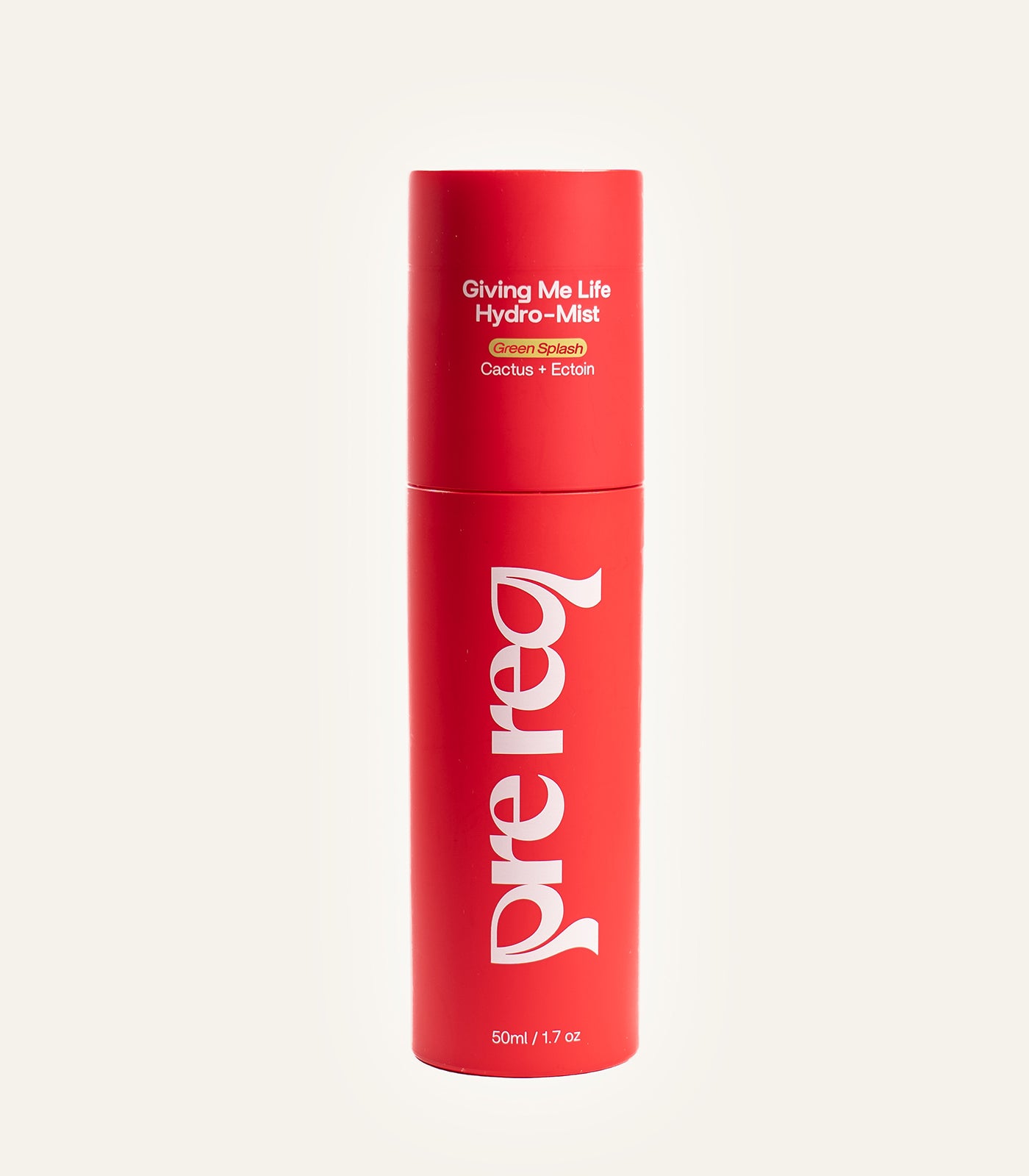
Giving Me Life Hydro-Mist
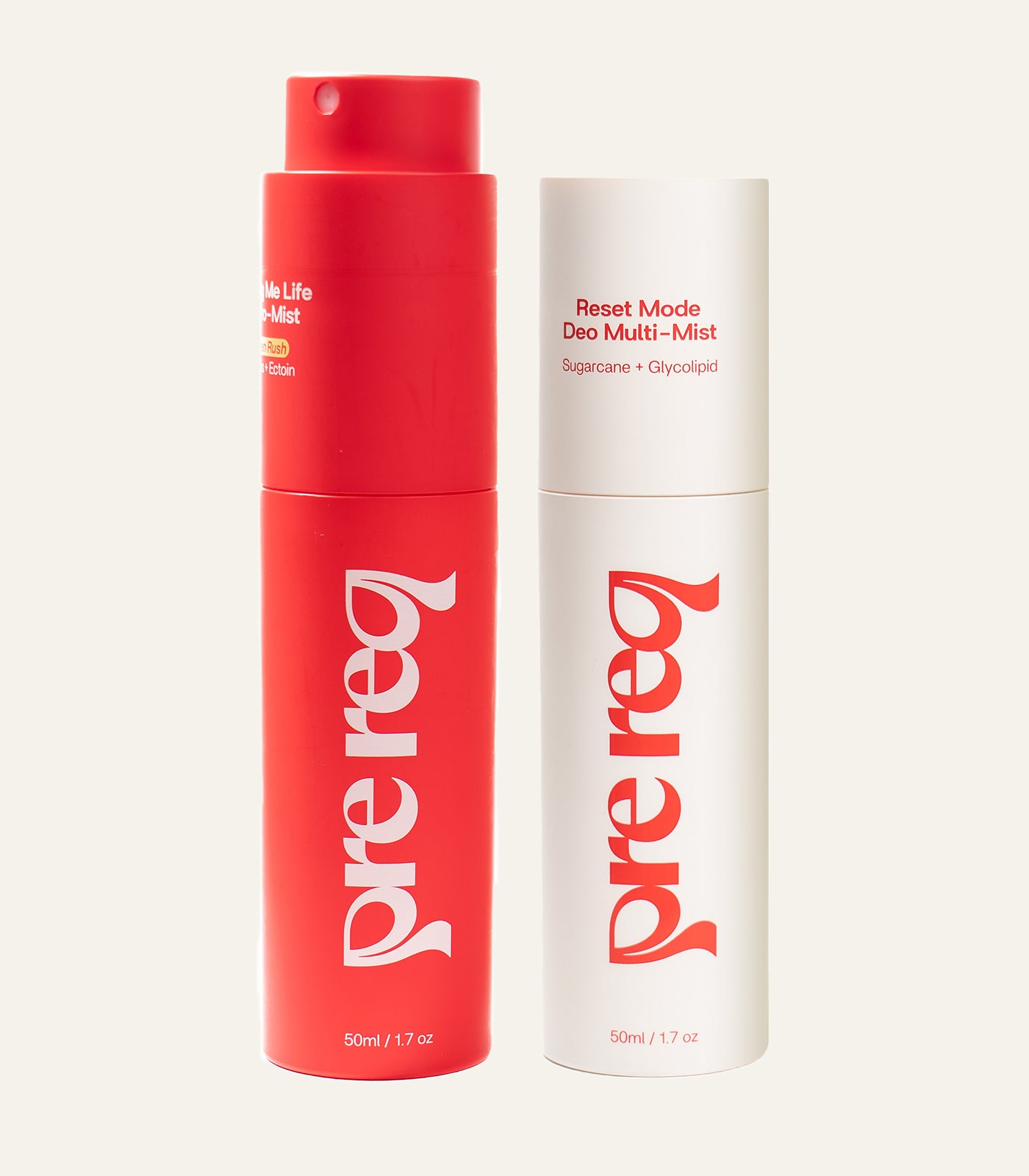
Giving Me Life Hydro-Mist handles the moisturizing step in a format that's actually practical for a 12-year-old: a lightweight mist that hydrates, calms redness, and helps shield skin from blue light and daily pollution, all in a bottle she can toss in a backpack and use after school, after sports, or anytime skin feels dry, tight, or overheated. It's formulated with sodium hyaluronate (hyaluronic acid) and glycerin to draw in and hold moisture, ectoin to defend against screen time and everyday pollution exposure, and calming cactus and cucumber extracts, non-comedogenic and suitable for acne-prone, sensitive skin. It's EWG-1 rated and dermatologist-approved, and like the rest of Prereq's lineup, the bottle is refillable.
Reset Mode Deo Multi-Mist
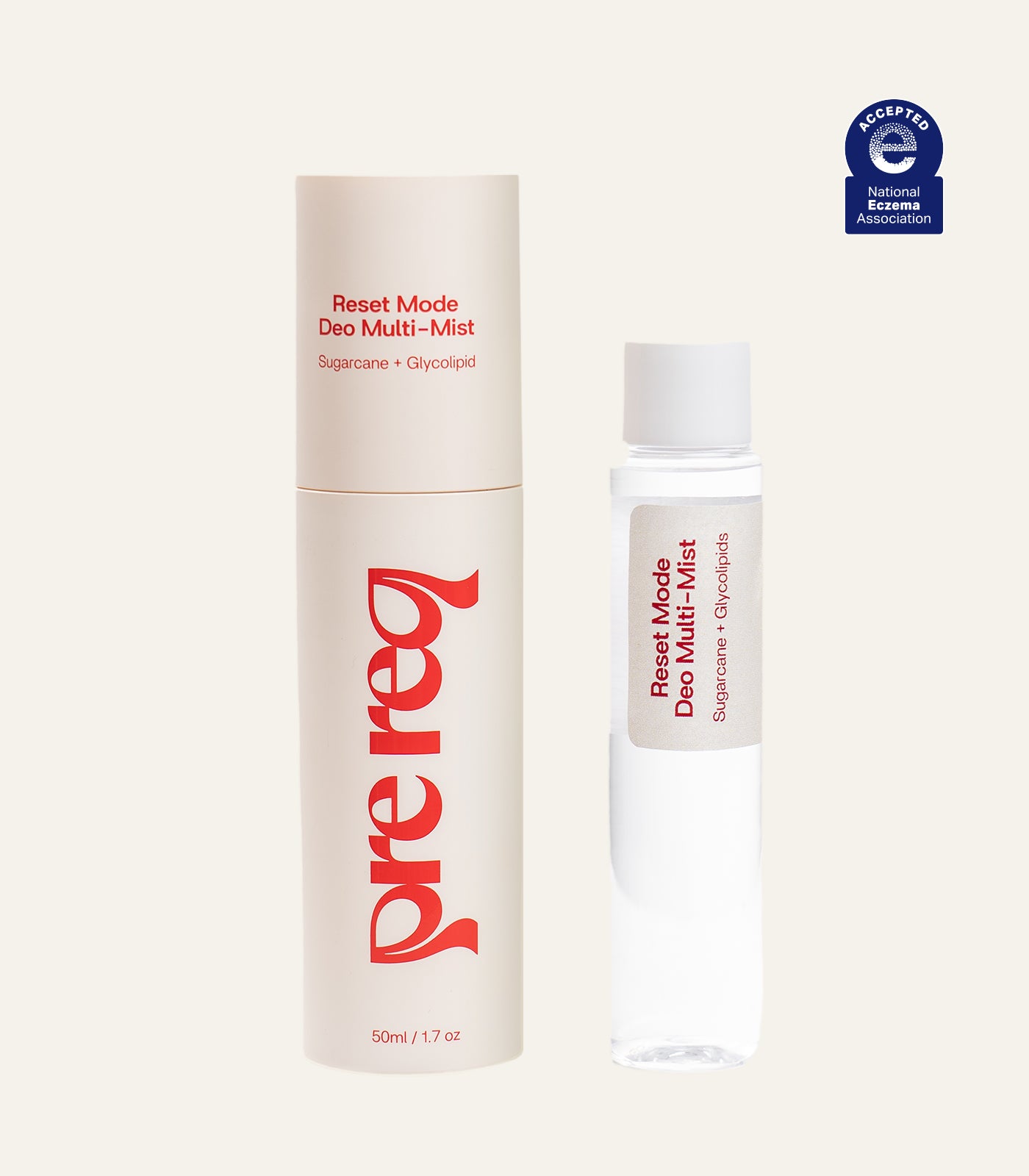
Reset Mode Deo Multi-Mist covers daily hygiene alongside the skincare basics: it's aluminum-free, baking soda-free, and free of the harsh ingredients that tend to trigger eczema flares, formulated for sensitive, eczema-prone, and acne-prone skin. It uses sugarcane fermentation to cut odor-causing bacteria by up to 60% and glycolipids to protect the skin's natural microbiome, and it's refillable, working anywhere sweat and odor show up, not just underarms. It's also the only all-ages deodorant currently recognized with the NEA Seal of Acceptance from the National Eczema Association, on top of being dermatologist-approved. For families still weighing timing and ingredient safety, kids deodorant covers everything parents need to know before the first stick or mist.
Both are formulated without synthetic fragrance or the ingredients on the avoid list above. Giving Me Life Hydrating Mist is EWG-1 rated and dermatologist-approved, and Reset Mode Deo Multi-Mist carries the NEA Seal of Acceptance, meaning it's been independently evaluated as safe for sensitive and eczema-prone skin.
Recommended Products for Tweens & Teens
Support healthy hygiene and skincare habits with gentle, age-appropriate essentials designed for pre-teens and teens.
A Simple AM/PM Routine for a 12-Year-Old
Mornings: cleanse if needed, moisturize, then SPF 30 before school. Evenings: cleanse to remove the day's oil and buildup, then moisturize again. Most 12-year-olds don't need to wash their face twice a day; over-cleansing can strip natural oils and actually trigger more oil production, so a single evening cleanse plus a morning rinse is usually enough. That's the full routine, no extra steps required.
If her current routine already feels like a lot, our skincare routine for 12-year-olds breaks down what's actually too much versus what's genuinely safe to keep.
Skin Care Gifts and Trending Picks for Tween Girls
Beauty products for tweens are a popular gift request around birthdays and holidays, and the trend cycle moves fast, mists and multi-use products this year, sheet masks last year. The safest approach for a gift is the same as for a daily routine: skip anything with actives or heavy fragrance and stick to gentle, non-comedogenic basics she'll actually use.
Our tween skincare gift kits roundup breaks down the best skin care kits for tweens, and what to look for in a teenage skin care kit more broadly, by age and interest, so you can skip the guesswork on what's actually age-appropriate versus what's just trending on social media.
What About Makeup and Sephora Trends?
A lot of 12-year-olds ask about makeup, and Sephora hauls alongside skincare, thanks to social media. The honest answer: skincare basics come first. A settled, non-irritated skin barrier is what makes any makeup application look and feel better later, so it's worth establishing the three-step routine before layering anything else on top.
Frequently Asked Questions
What skin care products does a 12-year-old girl actually need?
Just three: a gentle cleanser, a lightweight moisturizer, and a mineral SPF 30. That covers everything a 12-year-old's skin needs at this stage, and anything beyond that isn't necessary yet.
What moisturizer should a 12-year-old girl use?
Look for a lightweight, non-comedogenic formula with hyaluronic acid or ceramides. A hydrating mist works well for active kids who need a quick reset during the day.
Can a 12-year-old use retinol or anti-aging products?
No. Retinol and other anti-aging actives are formulated for adult skin concerns and are too aggressive for a 12-year-old's developing skin barrier. Stick to gentle, barrier-supporting ingredients instead.
How can a 12-year-old get glowing, healthy skin?
Consistency does more than any single product. A daily cleanser, moisturizer, and SPF routine, used every day, keeps skin balanced and healthy-looking without needing extra steps.
What skin care brands are safe for tweens?
Safe brands for tweens are the ones formulated specifically for developing skin, not adult lines used in smaller amounts. Check for fragrance-free, non-comedogenic formulas free of retinol, AHAs, and parabens, regardless of brand name.
Is skin care for young teens different from skin care for tweens?
Not by much at this stage. Skin care for young teens and tweens both centers on the same three basics: cleanser, moisturizer, and SPF, since the skin barrier is still developing through most of the early teen years. The routine only needs to expand if breakouts become more frequent.
Keeping Her Routine Simple, Starting Today
The right skin care products for 12-year-old girls aren't complicated: a gentle cleanser, a lightweight moisturizer, and daily SPF cover everything her skin needs at this stage. Check the ingredient label over the brand name, skip anything formulated for adult skin concerns, and let the routine stay this simple for as long as her skin allows it.
Ready to put it into practice? See the full Prereq lineup built specifically for tween skin.
This article is for informational purposes only and isn't a substitute for medical advice. If your daughter has persistent acne or skin irritation, a pediatrician or dermatologist is the right next step.

