


Dry skin in kids is common, and school often makes it worse. Heated classrooms, frequent hand sanitizer, sweaty PE classes, and a skipped moisturizer step can all tip skin into dryness. Mild cases often improve with three habits: short lukewarm showers, a moisturizer without added fragrance applied while skin is damp, and a small kit kept at school.
Why Dry Skin Shows Up More at School
A school day moves a child between cold outdoor air, warm indoor rooms, repeated washing, and physical activity. Each shift can pull moisture out of the skin.
Heated Classrooms and Cold Mornings
Forced-air heating dries indoor air, and a cold walk to school makes it worse. A child who walks out into the cold and then sits near a vent or radiator can lose moisture twice in one morning. Choosing a seat away from vents helps, and so does moisturizing before leaving the house. Dry winter skin is one of the most common complaints in the cooler months, so the school routine should account for it.
Hand Sanitizer and School Soap
Many kids sanitize their hands several times a day, and that adds up. Waterless antibacterial cleansers can be hard on skin, and antibacterial soaps don't help dry patches. Ask the school for a gentle, fragrance-free soap in bathrooms, and moisturize after sanitizing so chapped hands don't build up over the week.
PE Class, Sweat, and Pool Days
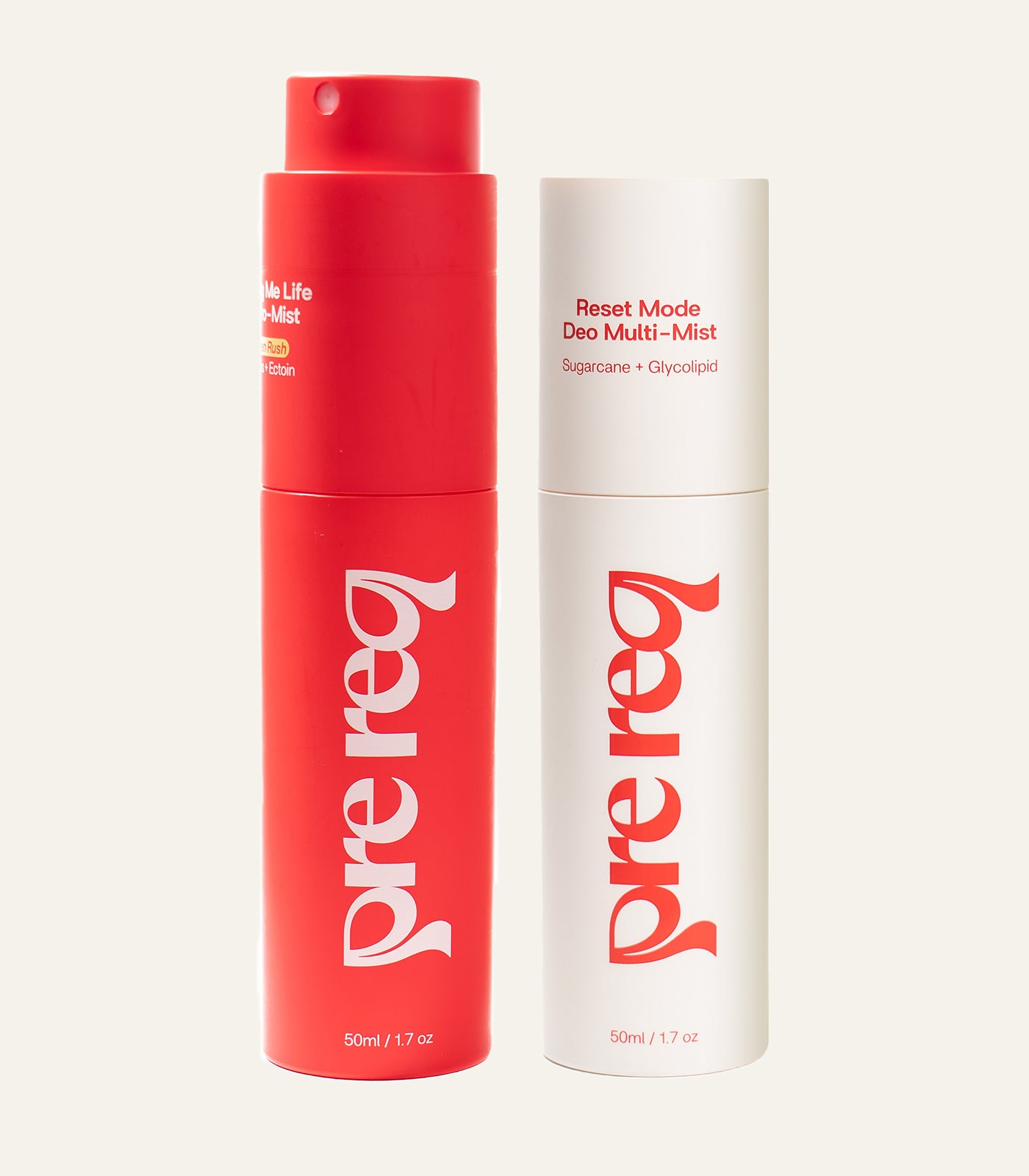
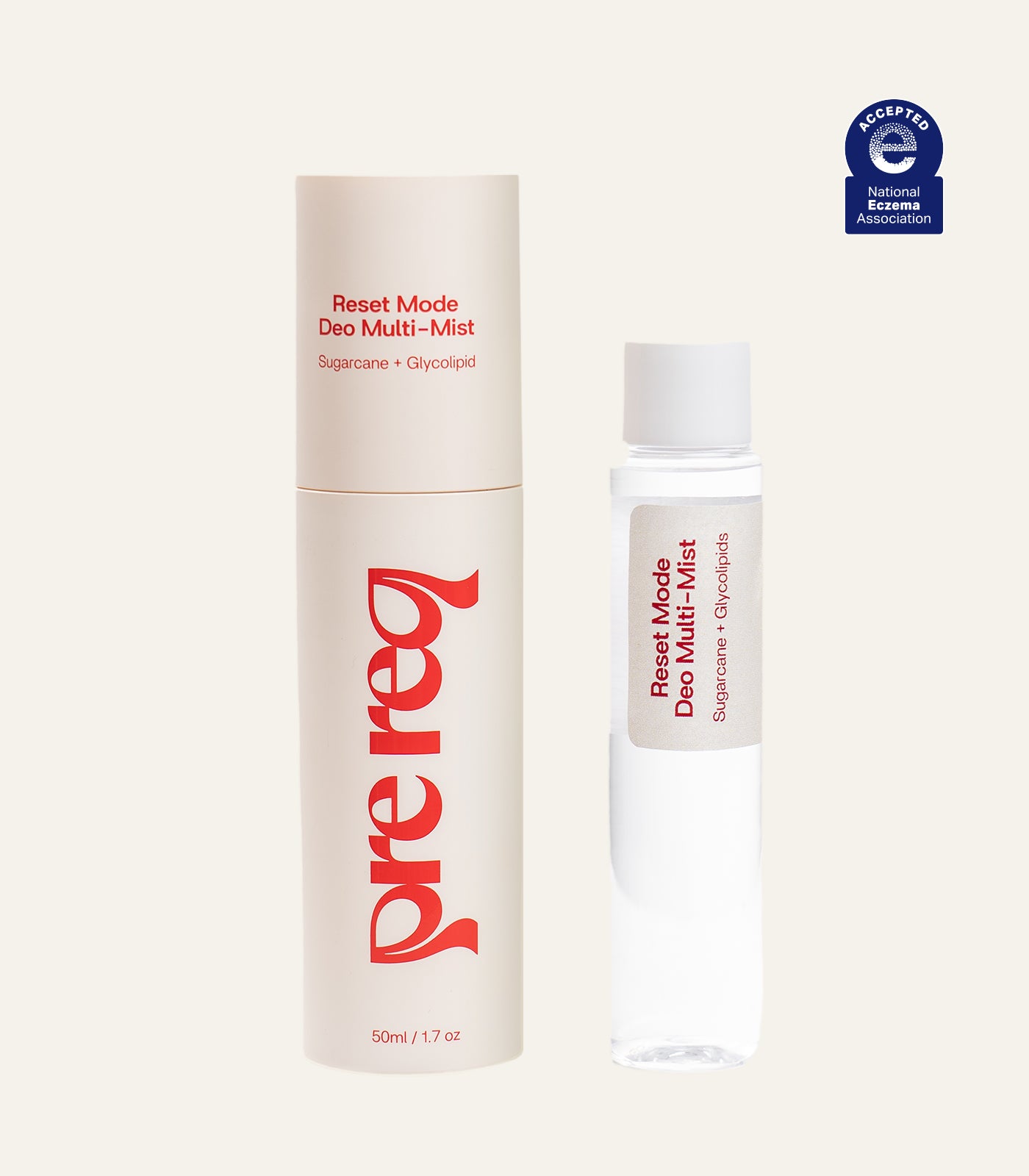
Sweat left sitting on skin can irritate it, and friction from gear and waistbands adds to the problem. Pool water is another drying factor, because chlorine strips oils from the skin. After a swim, rinse with lukewarm water and moisturize. Sweat and odor need a separate step from moisture, and Reset Mode Deo Multi-Mist is built for odor control, with no aluminum and no baking soda. It carries the NEA Seal of Acceptance from the National Eczema Association.
Rushed Mornings and Short Nights
The moisture step is usually the first to go when routines change. Later summer mornings give way to early alarms, and tired or stressed kids often skip steps they don't see as important. Research links stress and poor sleep to flares of eczema and other skin conditions, so a steady bedtime supports skin too.
Recommended Products for Tweens & Teens
Support healthy hygiene and skincare habits with gentle, age-appropriate essentials designed for pre-teens and teens.
Dry Skin or Something Else? Common Look-Alikes
Not every rough, flaky patch is simple dryness. Dry skin, eczema, contact dermatitis, and fungal infections can look alike at first, and each needs a different response.
|
Condition |
What it often looks like |
Clue for parents |
|
Dry skin |
Rough, flaky, mildly itchy patches on arms, legs, or face |
Improves within days of consistent moisturizing |
|
Eczema (atopic dermatitis) |
Red, itchy, scaly patches, often in elbow creases or behind knees; may crack |
Comes and goes in flares and needs a care plan |
|
Contact dermatitis |
Redness only where an item touched skin, such as backpack straps or fabric |
Clears once the trigger is removed |
|
Fungal infection, such as ringworm |
Ring-shaped, scaly patch that slowly spreads |
Needs a doctor to confirm |
Eczema is the look-alike parents ask about most. When patches are intensely itchy, keep returning to the same spots, or stay red despite moisturizing, eczema is more likely. Knowing how eczema typically shows up in children helps parents tell the difference, and our eczema awareness content walks through those signs.
Daily Habits That Protect Your Child's Skin
Simple daily routines around bathing, moisturizing, and home care do most of the work in keeping a child’s skin comfortable through the school year.
Bath and Shower Basics
Shorter is better. Keep baths and showers to about 10 minutes, use lukewarm water instead of hot, and choose a gentle non-soap cleanser. Bubble baths and scented soaps can strip natural oils, so skip them on school nights. Pat skin dry rather than rubbing it, since rubbing irritates dry skin.
Moisturize While Skin Is Still Damp
Apply moisturizer within about three minutes of stepping out of the bath or shower, while skin is still damp. If skin already feels tight, a light mist of water before the moisturizer helps. Moisturizing at least twice a day is a sensible baseline, even when skin looks fine.
Home Remedies That Help and the Ones to Skip
Searches for home remedies for dry skin in children turn up plenty of kitchen ingredients, and most don't belong on a child's skin. Lukewarm water, petroleum jelly, and a humidifier in dry rooms are reliable choices. Petroleum jelly is the thickest option, so it suits very dry hands and feet at bedtime. Cotton gloves or socks keep it off the sheets. Skip lemon juice, baking soda, vinegar, and essential oils, which can sting or irritate.
A Dry Skin Kit for the School Bag
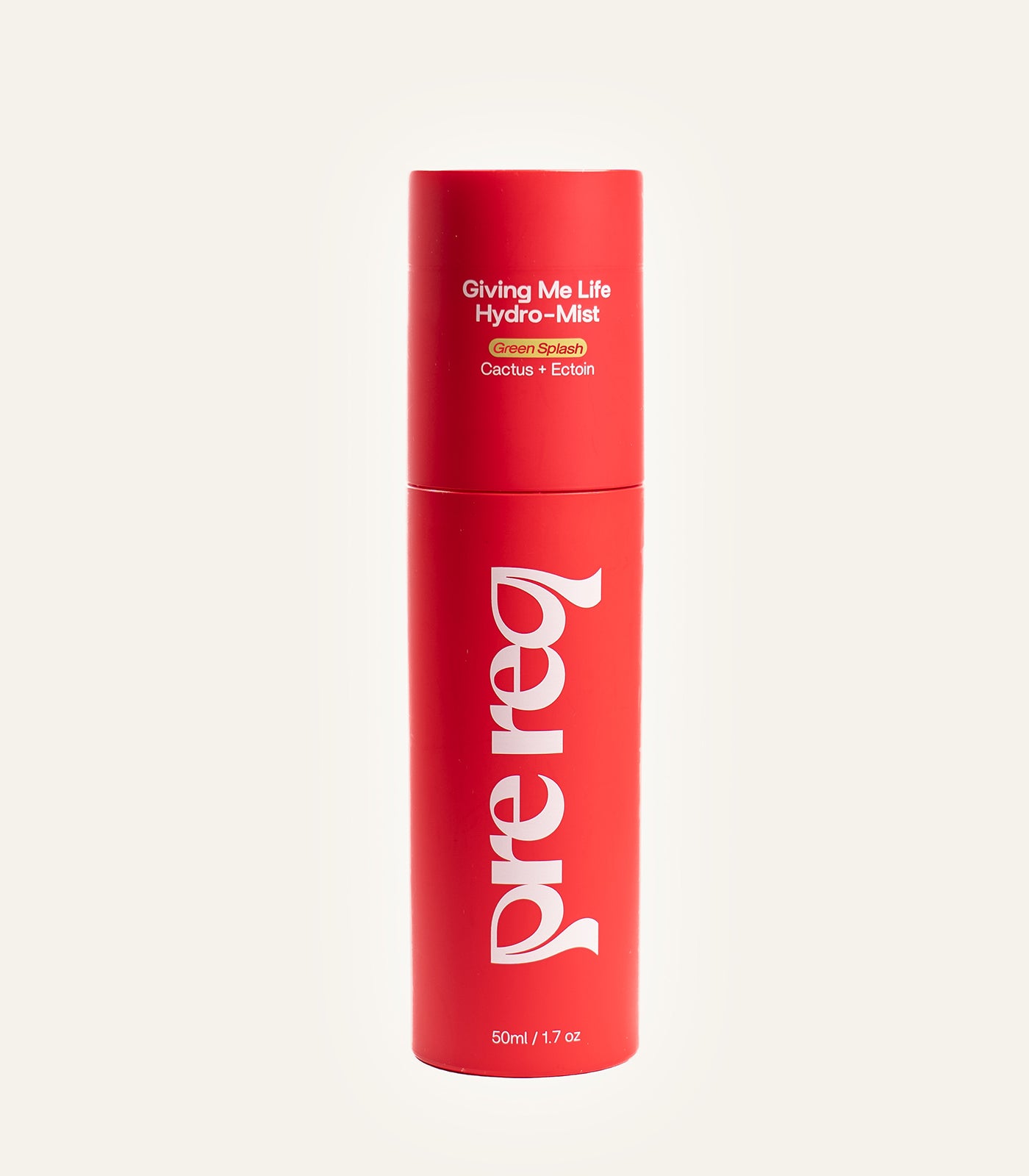
A small kit keeps skin comfortable between home routines. Pack a tube of fragrance-free moisturizer, a lip balm for lip dryness, and a Backpack Pouch to keep everything together. It's a portable skincare organizer built for a school bag. A midday mist can help when skin feels tight, and Giving Me Life Hydro-Mist hydrates, calms redness, and shields skin from blue light and pollution. It works best alongside a moisturizer, not in place of one.
Recommended Products for Tweens & Teens
Support healthy hygiene and skincare habits with gentle, age-appropriate essentials designed for pre-teens and teens.
Best Moisturizers for Kids With Dry Skin
A moisturizer is the base of any dry skin routine, and a mist is a top-up. Before choosing either, it helps to understand the teen skin basics that shape what young skin needs.
Best Face Moisturizer for a 10-Year-Old
Look for a lightweight, fragrance-free face cream labeled non-comedogenic, meaning it's formulated not to clog pores. Oily T-zones and dry cheeks often show up together at this age, so a light gel-cream can suit better than a heavy one. A 10-year-old's needs differ from a 12-year-old's as oil production and skin change, a pattern laid out in skincare for kids by age.
Best Cream for Dry Skin on Kids
For elbows, knees, and heels, creams hold more oil than lotions, so they tend to last longer on the body. Lotions contain more water and suit warmer months or milder dryness. For very dry patches, an ointment at night works best. No single moisturizer suits every child, so the best cream is the one a child will actually use every day.
What to Look for on the Label
|
Ingredient |
What it does |
Watch for |
|
Ceramides |
Support the skin barrier |
Look for them in gentle, fragrance-free creams |
|
Glycerin |
Draws water into the skin |
Generally well tolerated |
|
Sodium hyaluronate (hyaluronic acid) |
Helps skin hold water |
Light texture that suits most skin |
|
Petrolatum |
Seals in moisture |
Thick and greasy, so better for night |
|
Shea butter |
Rich, emollient base |
Check labels if a child has a tree nut allergy |
Also look for a clear fragrance-free label, and avoid heavy alcohol or strong active ingredients on young skin.
When Dry Skin Needs a Doctor
Most mild dry skin improves with steady home care over a few weeks. Some signs need a doctor sooner. Get medical care now for increasing pain, swelling, warmth, spreading redness, red streaks, pus, or fever, since these can signal a skin infection. See a doctor too if moisturizing for several weeks hasn't helped, or if itchy patches keep returning. A board-certified dermatologist can confirm what's happening, and the American Academy of Dermatology's directory helps parents find one near them.
What to Ask Your Child's School For
The school day is the part parents can't control, so a written plan helps. Many families already pack a school hygiene kit for the week, so the skin items can go in the same bag. Parents can ask the school nurse for:
-
Permission to moisturize after handwashing or sanitizing, with a labeled tube kept in the nurse's office
-
Fragrance-free soap in bathrooms, where possible
-
Seating away from heaters, radiators, and vents
-
A fidget item, since itching can pull attention away from lessons
Teach your child a simple line, such as "My skin needs moisturizer," so asking doesn't feel awkward. A child with eczema may need a formal care plan, which the school nurse and your child's doctor can set up together.
Frequently Asked Questions About Dry Skin in Kids
What do doctors prescribe for very dry skin in kids?
Doctors usually start with a thick, fragrance-free ointment. For eczema flares or skin infections, a prescription treatment may be needed, and it should be used exactly as directed.
Can vitamin D deficiency cause dry skin?
Low vitamin D isn't an established direct cause of dry skin, and dry skin alone doesn't confirm a deficiency. If a child has other symptoms or limited sun and diet, a pediatrician can order a simple blood test.
Is coconut oil good for dry skin in kids?
Coconut oil is an occlusive oil, meaning it forms a barrier on the skin. Some families use it, but it isn't risk-free. It can trap heat and irritate some infant skin, so check with a pediatrician first, especially for babies or children with eczema.
What health conditions can cause dry skin in children?
Eczema, psoriasis, fungal infections, contact dermatitis, and thyroid conditions can all cause dry skin. Rare autoimmune conditions such as scleroderma or Sjögren's are uncommon in children and usually come with other symptoms.
Does diet help dry skin in kids?
Enough water and a balanced diet with healthy fats, such as those in fish, support overall skin health. No single food repairs dry skin, so moisture and gentle cleansing still do most of the work.
How long does dry skin take to heal in kids?
Mild dryness often improves within a few days of consistent moisturizing. Cracks, eczema flares, or infections take longer and need a check.
What makes a skincare brand kid-friendly?
Look for fragrance-free formulas, gentle ingredients, and clear labels that list everything inside. Prereq Care formulates its products for tween and teen skin.
Keeping Skin Comfortable Through the School Year
Dry skin at school comes down to three things: moisture after washing, gentle products at school, and a kit that travels with your child. A steady habit works better than a big overhaul. When you're ready to build a school day routine, explore the full Prereq Care range. For days that need both hydration and odor defense, The Daily Duo bundles a deodorizing mist with a hydrating mist.

