


Blackheads on the nose are open pores filled with oil and dead skin, and they mostly affect teens. The safest way to remove blackheads from the nose is a gentle wash morning and night, a non-comedogenic moisturizer, daily sunscreen, and never squeezing them.
What Causes Blackheads on the Nose?
Blackheads form when a hair follicle becomes clogged and stays open at the surface. Cleveland Clinic lists four main contributors: excess oil from the sebaceous glands, abnormal buildup of keratin, higher androgen hormones, and bacteria on the skin. The hormone changes behind how puberty affects skin also increase oil production, which is why blackheads often appear during the teen years.
Blackheads are not caused by dirt. The dark color comes from the oil and dead skin in the pore reacting with air, and from the way light reflects off the open pore. The nose, chin, and cheeks are the most common spots because they have the most oil glands.
How to Remove Blackheads From the Nose Safely
Start with a routine you can keep up. Changes usually come gradually, not overnight.
Wash Gently Twice a Day
Use a mild, fragrance-free cleanser in the morning and at night. Washing too often can strip the skin and prompt more oil production, so twice a day is enough. Washing soon after sweating matters too, since sweat trapped in pores with oil and dirt is a common trigger. The steps for that moment are covered in how to stay fresh after gym class.
Consider a Salicylic Acid Product With Guidance
Salicylic acid is the over-the-counter ingredient dermatology sources name most often for blackheads. It helps dissolve the buildup that clogs pores. Check with a parent or dermatologist before starting it, begin with once a day, and avoid layering it with other active products.
Skip Pore Strips and Rough Scrubs
Pore strips pull off a layer of skin along with the oil. They can make pores look smaller for a short time, but they don't stop blackheads from returning, and they can leave skin dry or irritated. Rough scrubs can inflame blackheads, so gentle cleansing does more good than physical scrubbing.
Never Squeeze or Dig at Blackheads
Squeezing can push the clog deeper, spread bacteria, and cause redness or scarring. Keep hands away from the face to reduce the chance of new clogs.
Daily Habits That Help Keep Pores Clearer
Good habits do more to prevent blackheads than any single product.
-
Use an oil-free sunscreen every morning: Sun protection matters even when skin is oily, and oil-free formulas suit blackhead-prone skin.
-
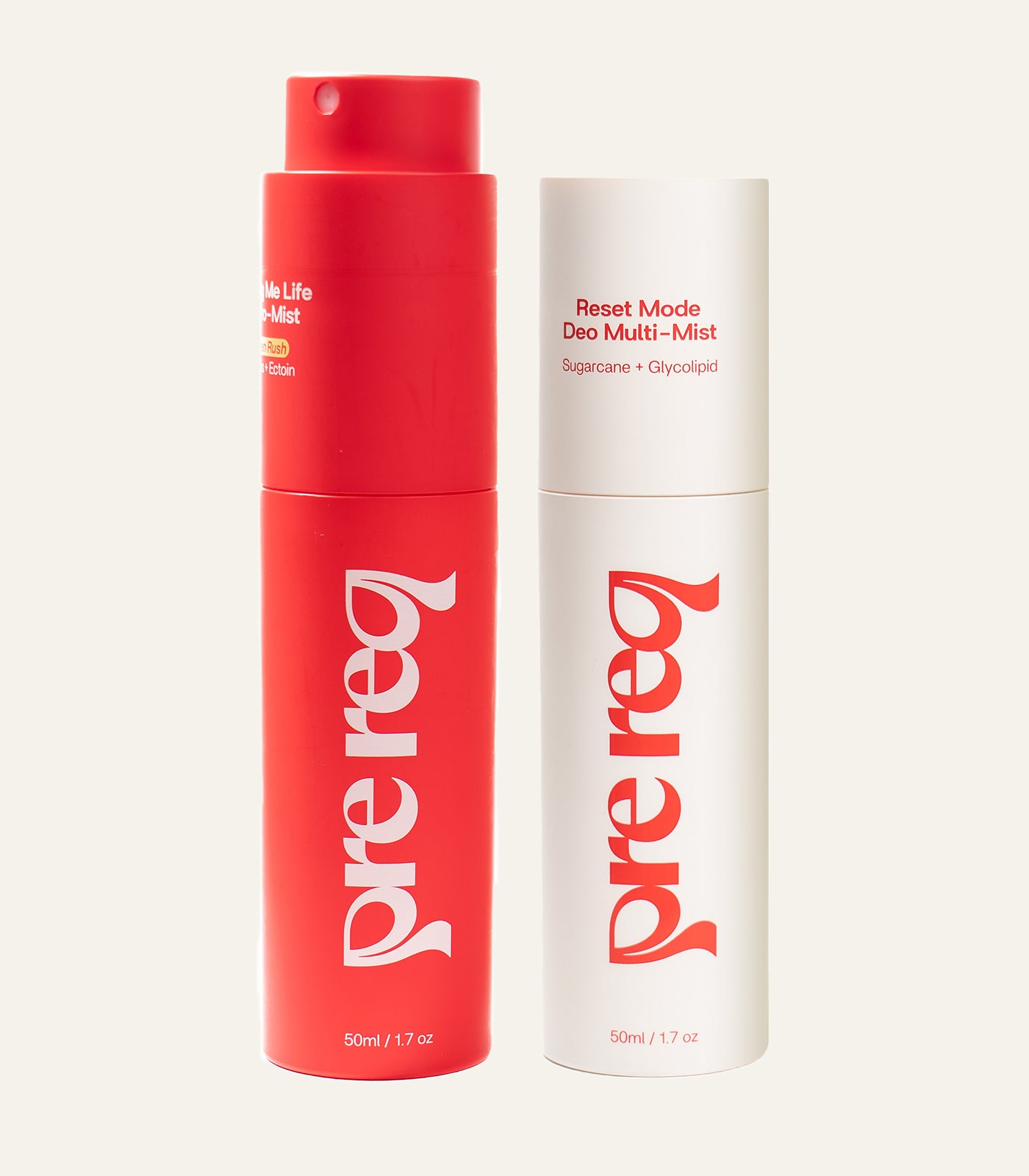
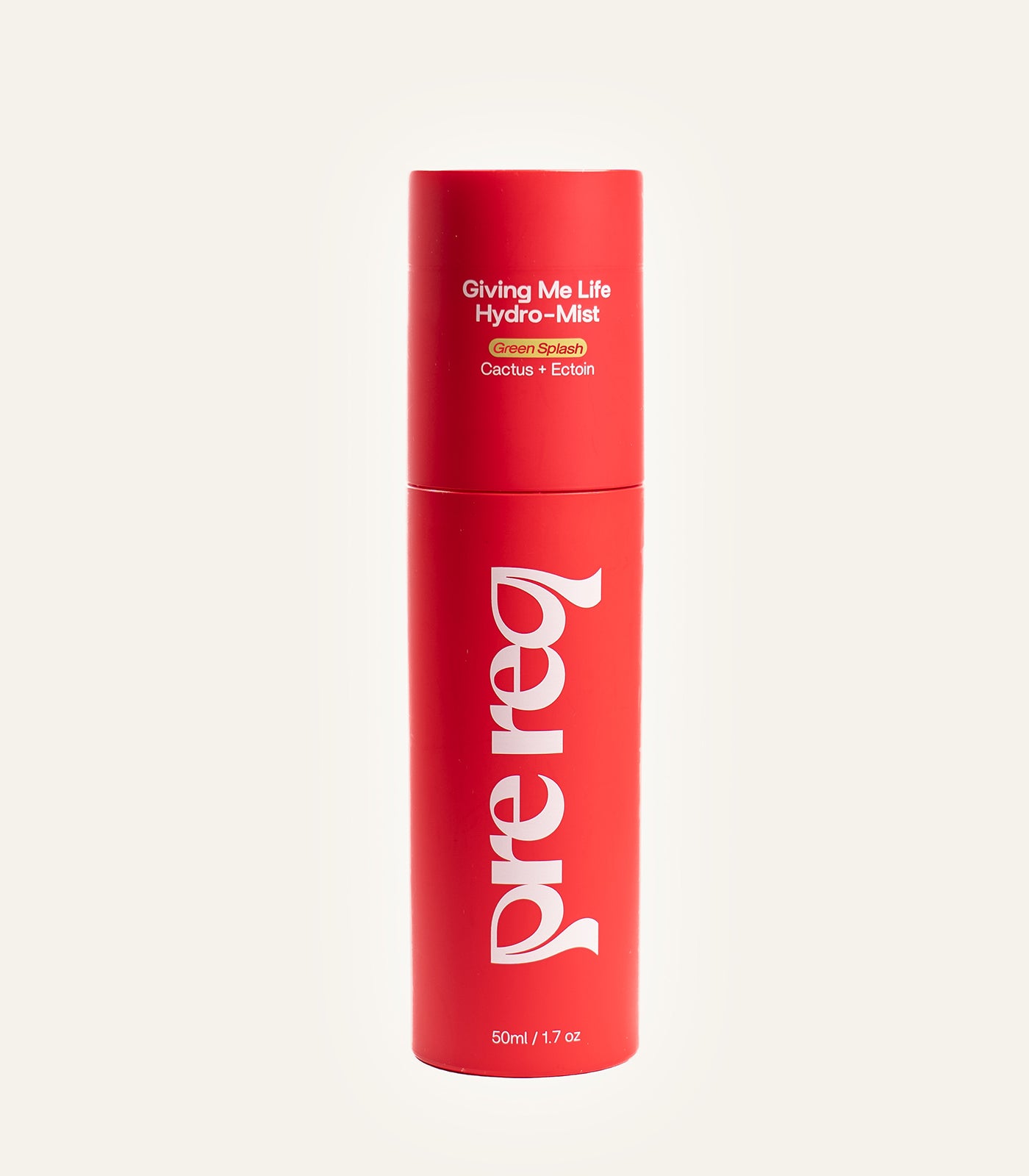
Moisturize every day: Healthline notes that dry skin can trigger more oil production, so a light moisturizer helps balance the skin. A hydrating step like Giving Me Life Hydro-Mist fits after cleansing or after activity.
-
Choose non-comedogenic makeup and skincare: These products are formulated not to clog pores.
-
Take makeup off every night: Leftover makeup mixes with oil and clogs pores.
What to Avoid
Some popular fixes do more harm than good for teen skin.
-
Benzoyl peroxide: It targets inflamed acne, and Healthline notes it won't have a marked effect on blackheads, which aren't inflammatory.
-
Home extraction: Cleveland Clinic says deep blackheads should be removed by a dermatologist or medical aesthetician with the right tools.
-
Retinoids and strong acids without medical advice: These can cause dryness and peeling, so ask a dermatologist before using them on teen skin.
-
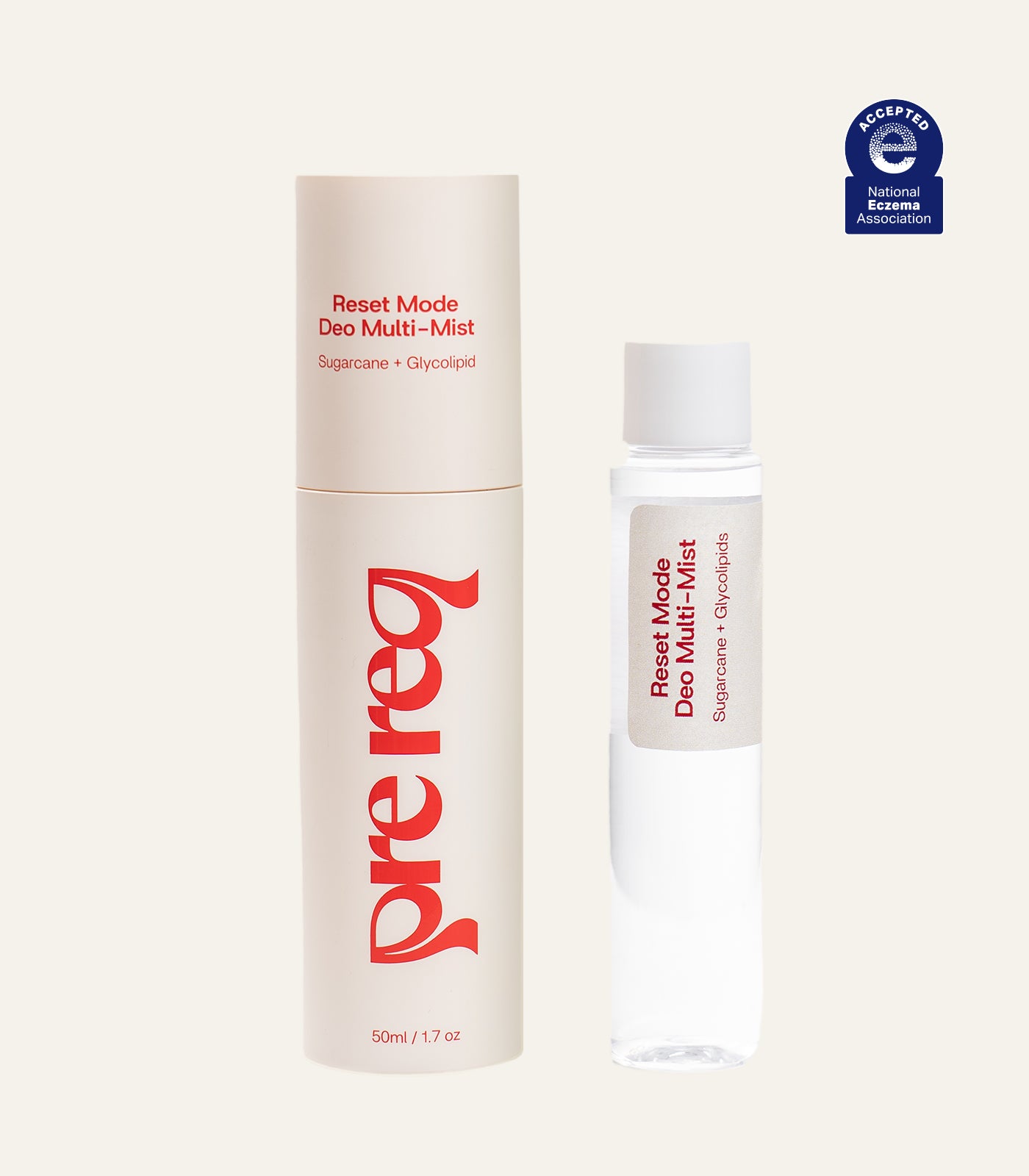
Body products on the face: A body deodorant like Reset Mode Deo Multi-Mist is designed for the underarms and body. Keep it off the nose and use face-specific care there.
Recommended Products for Tweens & Teens
Support healthy hygiene and skincare habits with gentle, age-appropriate essentials designed for pre-teens and teens.
When to See a Dermatologist
A dermatologist can safely remove deep, embedded blackheads. Cleveland Clinic recommends seeing a provider when blackheads don't respond to basic care or come with other acne. It also notes that blackheads can affect a teen's mood, so raise it with a doctor if your child seems bothered.
Frequently Asked Questions
Are blackheads a form of acne?
Yes, they are a mild form of acne. Instead of a red, painful bump, you’ll see a small open pore that looks dark on top, and it usually doesn’t hurt.
Can blackheads spread to other people?
No. You can’t pass them on through skin-to-skin contact, so sharing a towel or hugging a friend won’t spread them.
Do tea tree oil or green tea help blackheads?
They’re listed as home options by Cleveland Clinic, but they don’t replace proven care. If you try tea tree oil, dilute it first, because strong concentrations can irritate skin.
When should a teen see a dermatologist about blackheads?
If blackheads stay after a few weeks of gentle care, a dermatologist can suggest stronger options like prescription retinoids or oral antibiotics. For stubborn cases, they may also recommend chemical peels, microdermabrasion, or laser treatment.
Will blackheads come back once they’re gone?
They can, because oil and dead skin build up in pores again over time. A daily routine does more to keep them away than a single deep clean.
Do blackheads go away on their own?
Often, yes. Cleveland Clinic notes they tend to fade in early adulthood, although some people deal with them for life.
Clear Teen Nose Blackheads With a Simple Routine
Gentle washing, daily sunscreen, a light moisturizer, and no squeezing cover most of what helps. Keep the routine short and consistent, and see a dermatologist if blackheads don't improve or cause distress.
To build a simple routine for your teen, shop the Prereq Care collection. The Daily Duo pairs hydration and odor care in one set, so it's a good starting point for teens who want a short, easy routine.
Recommended Products for Tweens & Teens
Support healthy hygiene and skincare habits with gentle, age-appropriate essentials designed for pre-teens and teens.
This article is for general information only and is not medical advice. It does not replace a visit with a doctor or board-certified dermatologist. Talk with a healthcare provider before starting any new skincare ingredient or treatment, and for teens, involve a parent or guardian.

