


Puberty changes skin because rising hormones called androgens tell the oil glands to make more sebum. Sebum is the natural oil on the skin. Extra sebum leads to shine, clogged pores, first breakouts, and new sweat and odor. These changes can start around ages 8 to 9 and settle over several years. They are normal, and they are not a sign of poor hygiene. This page explains what happens, when it happens, and what helps skin stay calm along the way.
Key takeaways
-
Androgens raise oil production, which is why puberty skin turns shiny and breakout-prone.
-
Skin often changes before other puberty signs because adrenal hormones rise first.
-
Most early puberty acne is mild blackheads and whiteheads on the nose, forehead, and chin.
-
A gentle routine works best, and painful or scarring acne needs a pediatric dermatologist.
What Happens to Skin During Puberty
During puberty, hormones switch on the oil and sweat glands in the skin. Oil glands make more sebum, and sweat glands under the arms start making a new kind of sweat. Together, these changes cause shine, clogged pores, breakouts, and odor. Many kids also find their skin reacts more easily to strong products.
The Hormones Behind Skin Changes
Three groups of hormones do most of the work.
|
Hormone |
What it does |
What you may see |
|
Androgens |
Tell the sebaceous glands to make more sebum |
Shine, blackheads, pimples |
|
Adrenal androgens such as DHEA |
Start rising around ages 6 to 9, before other puberty signs |
Oily nose, first blackheads, underarm odor |
|
Estrogen and progesterone |
Shift as periods begin in girls |
Breakouts that flare at certain times of the month |
Both girls and boys make androgens. Research on adrenal hormones during adolescence shows they add to skin changes like acne. Sebaceous glands and apocrine sweat glands both become very active in adolescence.
When Does Puberty Start Affecting Skin?
Puberty usually starts between ages 8 and 14 in girls and 9 and 15 in boys. Skin changes often begin early in that window. Girls can start puberty at 8, 9, or 10, and skin changes can come along with it.
Doctors describe puberty in five stages, and skin changes tend to show up in the early and middle ones. Skin needs shift with each stage, which is why skincare for kids by age looks different at 9 than at 13.
|
Stage |
Approximate ages |
Skin changes |
|
Early |
8 to 11 |
Shinier nose and forehead, first blackheads, first underarm odor |
|
Middle |
11 to 14 |
More oil, red pimples, more sweat, breakouts that follow the monthly cycle in girls |
|
Late |
14 to 18 |
Acne often peaks in the mid to late teens, and body acne is common |
Many people see acne ease in their early twenties, though timing varies.
Why Does Puberty Cause Oily Skin?
Puberty causes oily skin because androgens tell the sebaceous glands to make more sebum. These glands sit next to hair follicles. They are packed most tightly on the nose, forehead, chin, scalp, chest, and back.
That is why many kids look shiny by lunchtime. Pores can also look larger when more oil sits inside them. Some kids notice their skin type shifting from dry to oily, and that change is common during these years. Genes decide how active the oil glands are, so two kids the same age can have very different skin.
Oil is not the enemy. Sebum keeps skin soft and protected, and the goal is balance. Washing more often does not fix oily skin and can irritate it. A simple oily skin routine works better, with one gentle cleanse most days and a light moisturizer.
Why Does Puberty Cause Acne?
Puberty causes acne when extra sebum and dead skin cells clog hair follicles, and inflammation follows. Hormones start this chain, but they do not make pimples on their own.
How a Hormone Turns Into a Pimple
Acne forms in five steps.
-
Androgens rise and signal the oil glands.
-
The glands make more sebum.
-
Sebum mixes with dead skin cells and clogs the follicle, forming a blackhead or whitehead.
-
Cutibacterium acnes, a bacterium that lives on skin, grows inside the clog.
-
The immune system reacts, and the spot turns red and swollen.
Every red pimple starts as a plain clog. Dirt is not part of the chain.
Early Puberty Acne in Tweens
Acne in tweens is usually mild. It mostly shows up as blackheads and whiteheads on the forehead, nose, and chin. Large, painful pimples are less common at this age. Early blackheads can be a sign that acne may grow stronger later, so starting gentle habits early helps.
Hormonal Acne During Puberty
Hormonal acne during puberty shows up in different ways. Pimples due to hormonal changes can range from tiny clogs to deep, painful bumps. Girls may notice breakouts that flare around their period. Hormones are only one part of the picture. Genetics, friction from sports gear, and skin products also play a role.
Body Acne on the Chest and Back
The chest, back, and shoulders have many oil glands, so breakouts can appear there too. Body acne follows the same hormone chain as facial breakouts, but sweat and tight clothing add to it. A shower after sweating and a gentle body wash help keep it in check.
How Puberty Changes Sweat and Body Odor
Puberty wakes up the apocrine sweat glands under the arms. Their sweat is thicker, and skin bacteria break it down, which creates body odor. The sweat itself has no smell.
Body odor is not about being dirty. It is a normal sign that the body is growing. Sweat glands stay active in adulthood, and odor usually becomes easier to manage as hormones settle. Most kids can start using deodorant once odor appears, usually between ages 8 and 12.
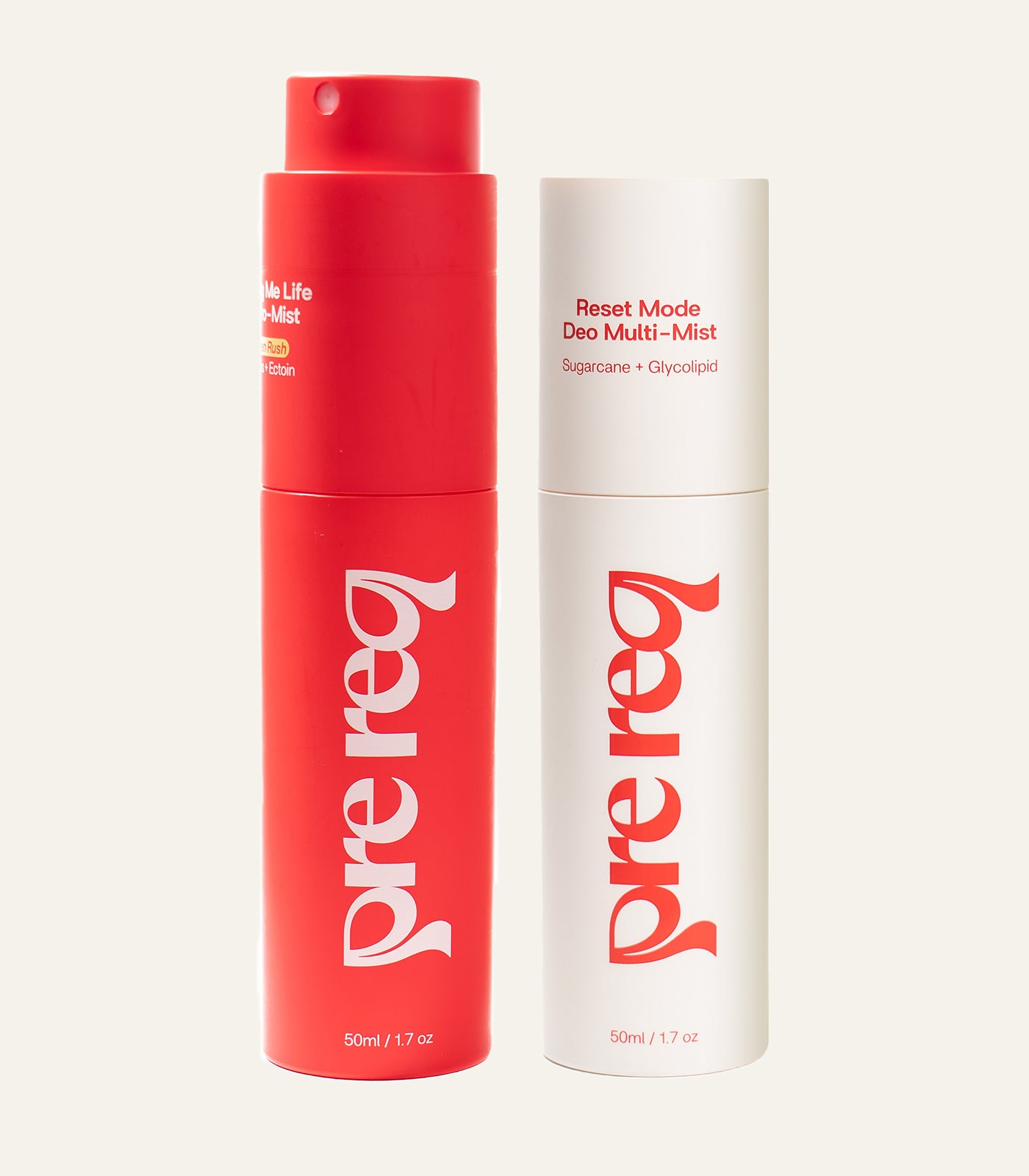
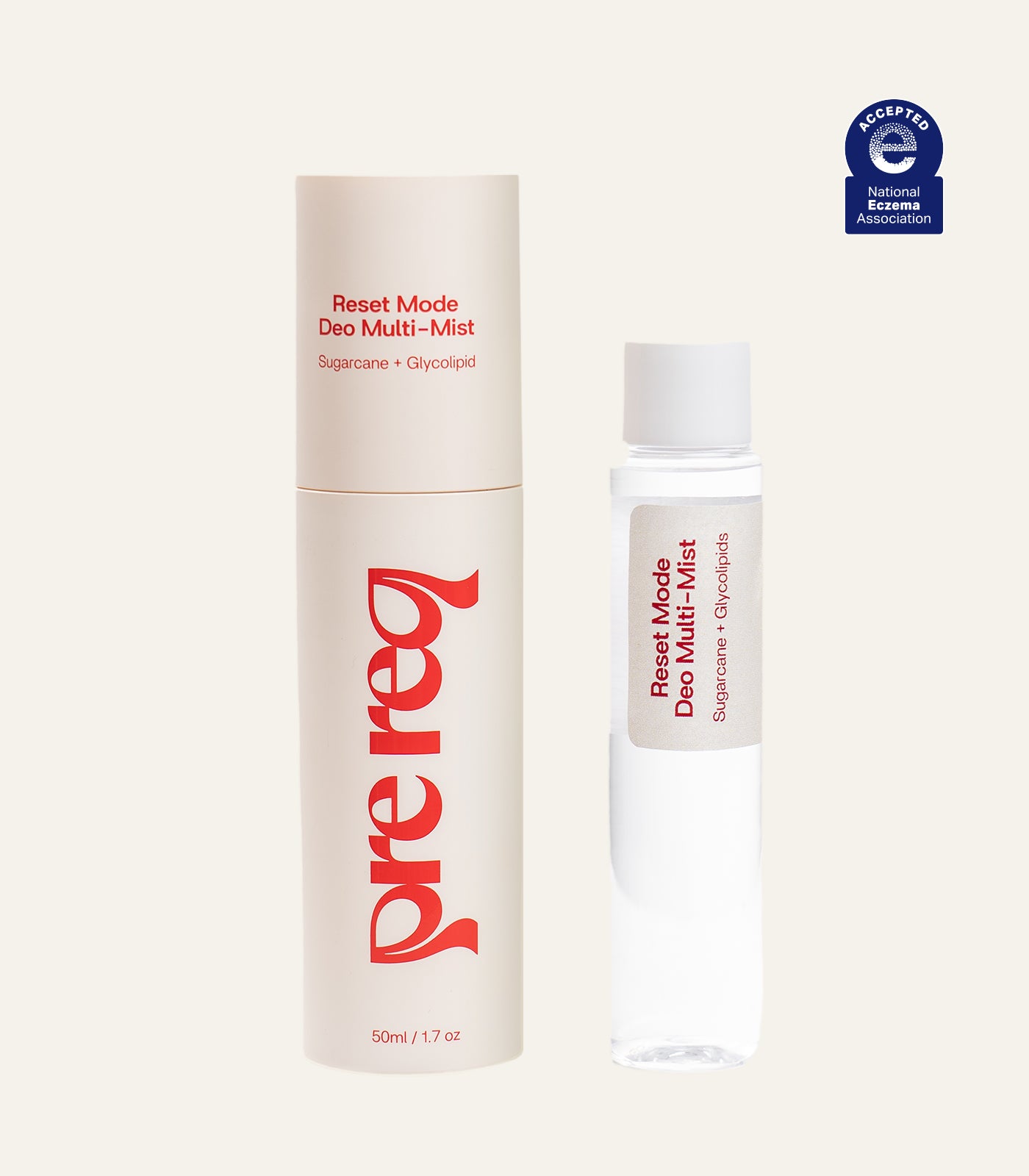
Since sweating itself is healthy and only odor needs managing, an aluminum-free formula such as Reset Mode Deo Multi-Mist fits this stage well.
Other Skin Changes During Puberty
Puberty can also change skin texture, the scalp, and the way skin reacts. Puberty skin rashes and bumps are usually harmless, and many ease with time. These are the most common ones.
-
Oily scalp and dandruff. Scalp oil glands are active too, and flaking is often linked to a yeast that lives on skin.
-
Rough bumps. Keratosis pilaris causes small, rough bumps, often on the upper arms.
-
Fungal acne. Small, uniform, itchy bumps on the chest or back can come from yeast instead of true acne.
-
Stretch marks. Fast growth spurts can leave thin lines on the hips, thighs, or back.
-
Eczema flares. Sweat, stress, and weather can trigger dry, itchy patches.
Most of these fall under common teen skin problems, but a rash that spreads or does not heal needs a doctor's look.
Does Puberty Darken Skin?
Hormones can change pigment in some areas of the body, and healed pimples often leave dark marks. Skin tone changes during puberty come from a mix of hormones, sun exposure, and healed breakouts.
Acne Marks and Hyperpigmentation in Teens
Teens can get hyperpigmentation at any age, including 15. After a pimple heals, a flat brown or red spot may remain. Doctors call this post-inflammatory hyperpigmentation. It shows up more on deeper skin tones and lasts longer in the sun. Picking pimples makes marks worse, and daily sunscreen helps them fade.
Dark Velvety Patches on the Neck or Underarms
Dark, thick, velvety patches in skin folds are different. This is called acanthosis nigricans. It is most often caused by high insulin levels, so a pediatrician should check it. Scrubbing will not remove it.
What Helps Skin During Puberty
A simple routine helps puberty skin most. Use a gentle cleanser, a light moisturizer, and a mineral sunscreen. Three steps used every day beat many products used now and then.
A Simple Three Step Routine
These three steps cover most needs.
-
Cleanser: Use a gentle, fragrance-free face wash for tweens once a day and after heavy sweat.
-
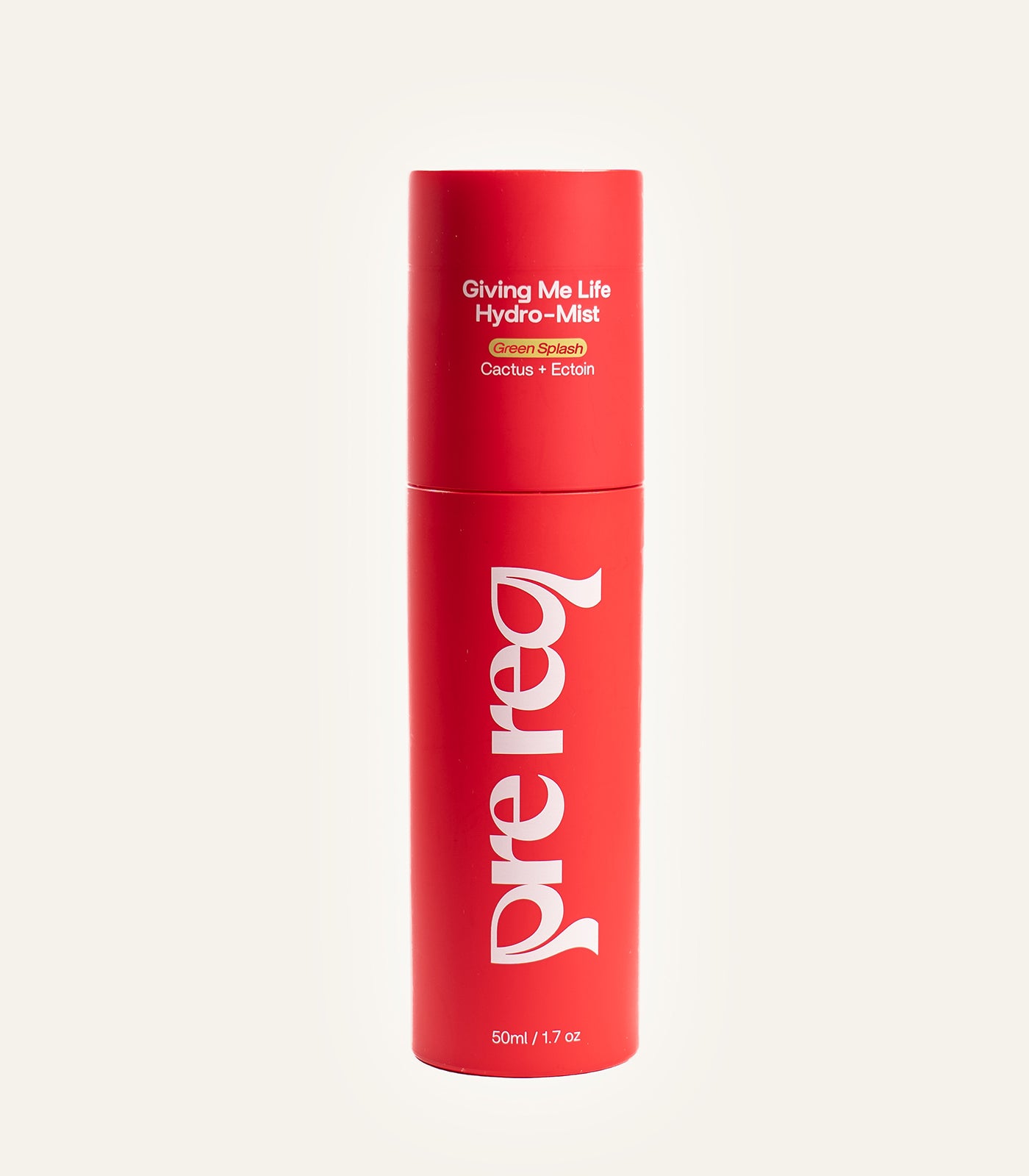
Moisturizer: Pick a light, non-comedogenic lotion, even for oily skin. After sports or heavy sweat, a spritz of Giving Me Life Hydro-Mist gives skin a quick hydration refresh before sunscreen goes back on.
-
Sunscreen: Use a mineral SPF 30 or higher every morning.
The same three steps make up a complete tween skincare routine, and they stay simple for years.
Recommended Products for Tweens & Teens
Support healthy hygiene and skincare habits with gentle, age-appropriate essentials designed for pre-teens and teens.
What to Skip
Some products do more harm than good at this age.
|
Skip |
Why |
|
Anti-aging, firming, or brightening labels |
These are made for adult skin concerns |
|
Long, multi-step routines |
More products mean more chances for irritation |
|
Strong acne actives without guidance |
A pediatric dermatologist can choose the right one |
|
Heavily fragranced products |
They can irritate sensitive skin |
Puberty Skin Myths
A few old ideas still cause confusion.
|
Myth |
Fact |
|
Acne means dirty skin |
Acne comes from hormones, oil, clogged follicles, and inflammation |
|
Chocolate causes acne |
Diet plays a role for some people, but no single food explains acne |
|
Scrubbing clears pores |
Scrubbing irritates skin and can worsen breakouts |
|
Popping speeds healing |
Popping raises the risk of marks and scars |
When to See a Pediatric Dermatologist
See a pediatric dermatologist when acne is painful, spreading, or leaving scars. Skin changes that start very early also deserve a check. Book a visit if any of these apply.
-
Acne appears before age 7.
-
Pimples are deep, painful, or leave scars.
-
Breakouts do not improve after 8 to 10 weeks of steady care.
-
Dark, velvety patches appear on the neck or underarms.
-
Puberty signs start before age 8 in girls or before age 9 in boys.
-
Sweating is heavy enough to soak through clothes.
Acne should not be brushed off as part of being a teenager. Early care can protect against scars.
Frequently Asked Questions
Why does puberty cause oily skin?
Puberty causes oily skin because rising androgens tell the sebaceous glands to make more sebum. The nose, forehead, and chin have the most of these glands, so shine shows up there first.
Which hormones cause oily skin?
Androgens cause oily skin, including testosterone and adrenal hormones such as DHEA. Both girls and boys make androgens during puberty.
What are the first skin signs of puberty?
The first skin signs are a shinier nose and forehead, small blackheads, and underarm odor. These often appear before other puberty signs.
How do you get rid of hormonal acne during puberty?
A gentle cleanser, a light moisturizer, and daily sunscreen keep hormonal acne calm. A pediatric dermatologist can add acne treatment that is painful or does not improve.
At what age does puberty acne go away?
Puberty acne usually eases from the late teens into the early twenties. The timing varies from person to person.
When does puberty sweat stop?
Sweat glands stay active for life, and body odor becomes steadier as hormones settle through the teen years. Daily washing and a gentle deodorant keep odor under control.
Does skin lighten after puberty?
Acne marks lighten gradually with daily sunscreen, and not picking helps them fade faster. A pediatrician or dermatologist can check any patch that darkens quickly.
Caring for Skin Through Puberty
Puberty changes skin because hormones turn up oil and wake the sweat glands. Oil, clogged pores, breakouts, odor, and darker marks all come from the same process. Gentle daily care and patience help most kids through it. Extra oil is a sign of growth and not a failure of hygiene. Explore the full Prereq Care collection to build a simple routine made for tween and teen skin.
Recommended Products for Tweens & Teens
Support healthy hygiene and skincare habits with gentle, age-appropriate essentials designed for pre-teens and teens.
This article is for general information only and isn't a substitute for professional medical advice. Please consult a pediatrician or dermatologist about any skin concern before starting a new product or routine.

