


The most common teen skin problems are acne, oily skin, keratosis pilaris (rough bumps on the arms), eczema flare-ups, body odor, and skin sensitivity to new products. All six are driven mainly by puberty hormones, not poor hygiene. Teen skin needs its own approach because the skin barrier is still maturing and is more reactive to products than adult skin.
Why Teen Skin Changes During Puberty?
Puberty triggers a rise in androgen hormones, which signal the sebaceous glands to produce more oil. That extra oil is the root cause behind most visible teen skin care concerns: shine, clogged pores, and the first breakouts. At the same time, the skin barrier, the outer layer that holds in moisture and blocks irritants, is still developing through the teen years. That makes teen skin more reactive than adult skin, even though it looks more "grown up."
This combination is exactly why a basic skin care routine for teens needs to be different from what works for an adult, and why so many teens react badly to products built for older, more resilient skin.
6 Common Teen Skin Problems
These are the six skin issues that come up most for teens, what's causing each one, and what actually works.
1. Acne (Hormonal Breakouts)
Androgens increase oil production, which clogs pores and lets acne-causing bacteria multiply. The result ranges from the occasional pimple to ongoing breakouts across the forehead, nose, and chin.
What helps: a gentle cleanser used once or twice daily, a non-comedogenic moisturizer, and a spot treatment for active breakouts. For most teens, a gentle hypochlorous acid (HOCl) spray is the easiest starting point since it's antimicrobial without drying the skin. For older teens with frequent, stubborn breakouts, a low-strength salicylic acid or benzoyl peroxide treatment used on its own, not stacked with other actives, can be appropriate.
According to the American Academy of Dermatology, treating acne early can also help protect a teen's self-esteem and prevent permanent scarring, which is part of why it's worth taking seriously rather than waiting for it to "just go away."
One rule applies at every age: never pick or pop. It pushes bacteria deeper into the skin and raises the risk of scarring.
For a full product-by-product breakdown, see Best 5 Skincare Products for Teens.
2. Oily Skin and T-Zone Shine
Oily skin can show up with or without acne. It's the same androgen surge, just without the clogged pores and inflammation. The forehead, nose, and chin (the T-zone) are usually the first places to look shinier.
What helps: don't over-wash. Stripping the skin's natural oils with frequent washing or harsh cleansers actually triggers more oil production, not less. A lightweight, oil-free moisturizer and a cleanser with niacinamide are usually enough to keep oil balanced without overdoing it.
3. Keratosis Pilaris ("Chicken Skin" Bumps)
Keratosis pilaris causes small, rough bumps, usually on the upper arms or thighs, that can look like permanent goosebumps. It's extremely common: Nemours KidsHealth notes that it happens when a protein called keratin plugs the hair follicles, and it tends to get more noticeable during the teen years before easing up later. It's harmless, not contagious, and isn't caused by anything a teen did wrong.
What helps: gentle exfoliation a few times a week and a daily moisturizer to soften the rough texture. It doesn't need medical treatment unless it's bothering your teen, and picking at the bumps only irritates the skin further.
4. Eczema and Dry Patches
Eczema can flare up or even appear for the first time during the teen years, often triggered by stress, weather changes, or harsh soaps and detergents.
What helps: a fragrance-free moisturizer applied right after bathing, shorter and cooler showers, and avoiding scented detergents or lotions that can trigger flare-ups.
For a deeper dive into eczema specifically around deodorant use, see Eczema-Safe Deodorants That Won't Irritate.
5. Body Odor
Most "teen skin problem" lists skip this one, but body odor is a skin and biology issue, not a hygiene failure. It starts when apocrine sweat glands activate during puberty, and that sweat interacts with bacteria naturally living on the skin.
What helps: a daily aluminum-free deodorant and breathable fabrics. Antiperspirant, which blocks sweat with aluminum compounds, generally isn't necessary at this stage unless sweating itself becomes a daily problem.
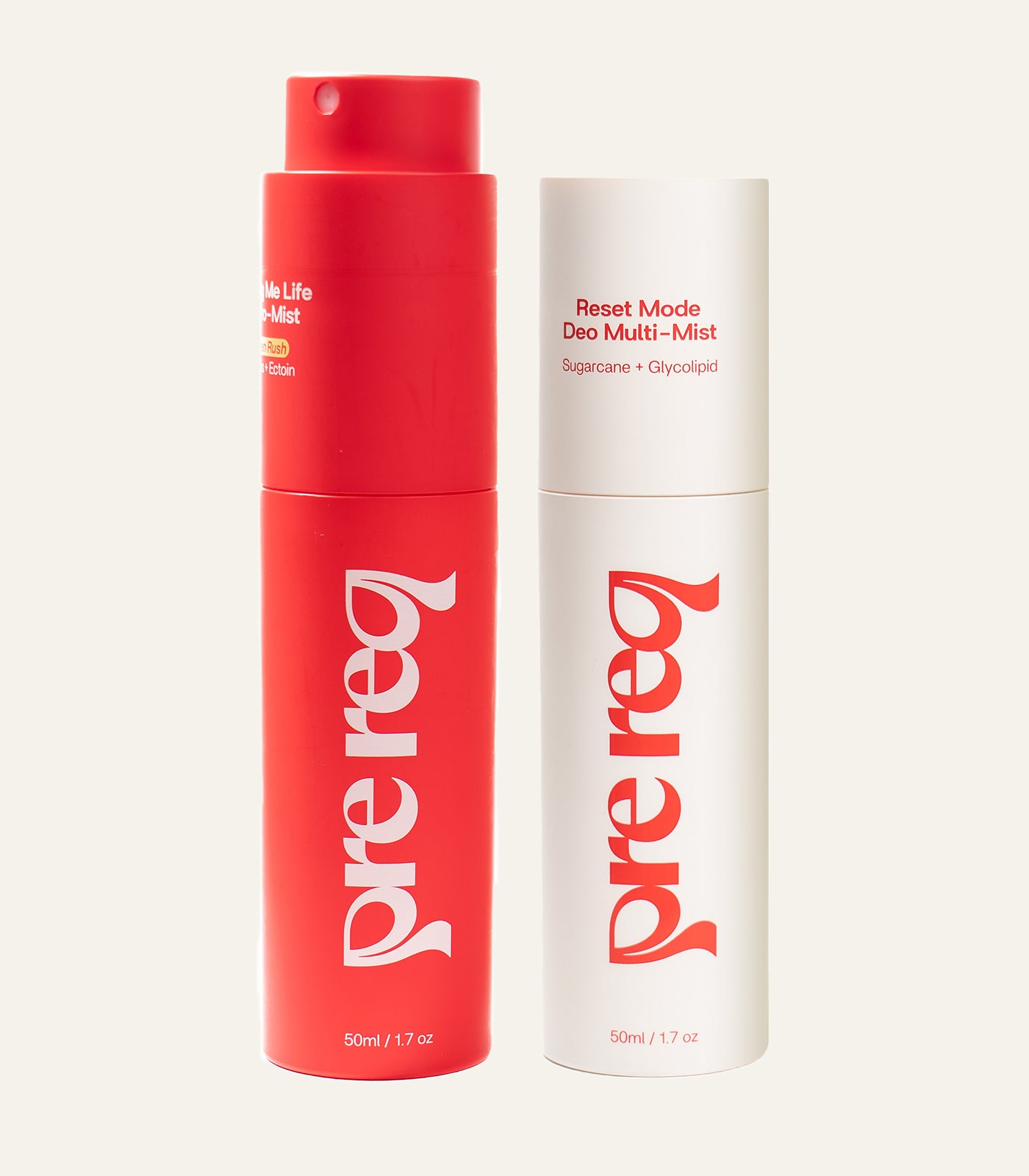
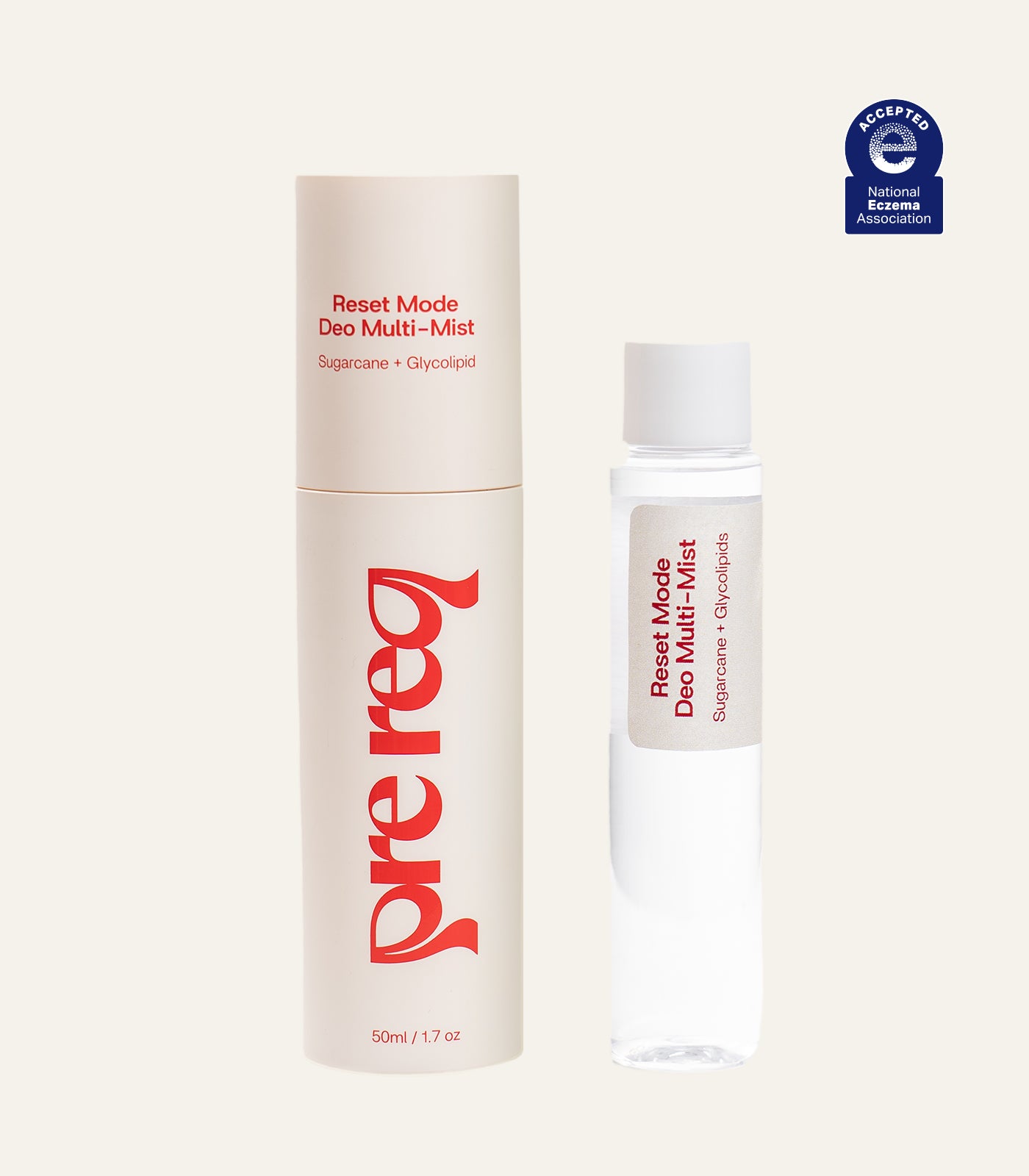
Prereq's Reset Mode Deo Multi-Mist is built specifically for this: aluminum-free, fragrance-free, and carrying the NEA Seal of Acceptance for sensitive and eczema-prone skin.
6. Sensitivity and Reactions to New Products
Teen skin is thinner and more reactive than adult skin, and the teen years are often the first time a teen is trying adult-marketed products, retinol, AHAs, and strong fragrance on their own skin for the first time.
What helps: patch-test anything new, stick to fragrance-free formulas, and skip anything labeled anti-aging, firming, or brightening. Those labels signal ingredients made for adult skin concerns that teen skin doesn't have yet.
As Dr. Tiffany Libby, board-certified dermatologist and Prereq's Strategic Advisor, puts it:
"The products are built around supporting the skin barrier first, with carefully selected ingredients that each serve a clear purpose."
That barrier-first approach matters most exactly when skin is reacting to something new.
Teen Skin Problems and Solutions at a Glance
|
Skin Problem |
Solution |
Avoid |
|
Acne |
Gentle cleanser AM/PM, non-comedogenic moisturizer, salicylic acid, or HOCl spot treatment |
Picking/popping, layering multiple actives at once |
|
Oily skin / T-zone shine |
Lightweight moisturizer, niacinamide, cleanse once daily |
Over-washing, alcohol-based toners |
|
Keratosis pilaris |
Gentle exfoliation 2-3x/week, daily moisturizer |
Harsh scrubbing, picking at bumps |
|
Eczema / dry patches |
Fragrance-free moisturizer, short warm showers |
Hot showers, scented detergents/lotions |
|
Body odor |
Daily aluminum-free deodorant, breathable fabrics |
Antiperspirant before it's needed, skipping deodorant on "light" days |
|
Product sensitivity |
Patch test new products, fragrance-free formulas |
Adult anti-aging products, multiple new products at once |
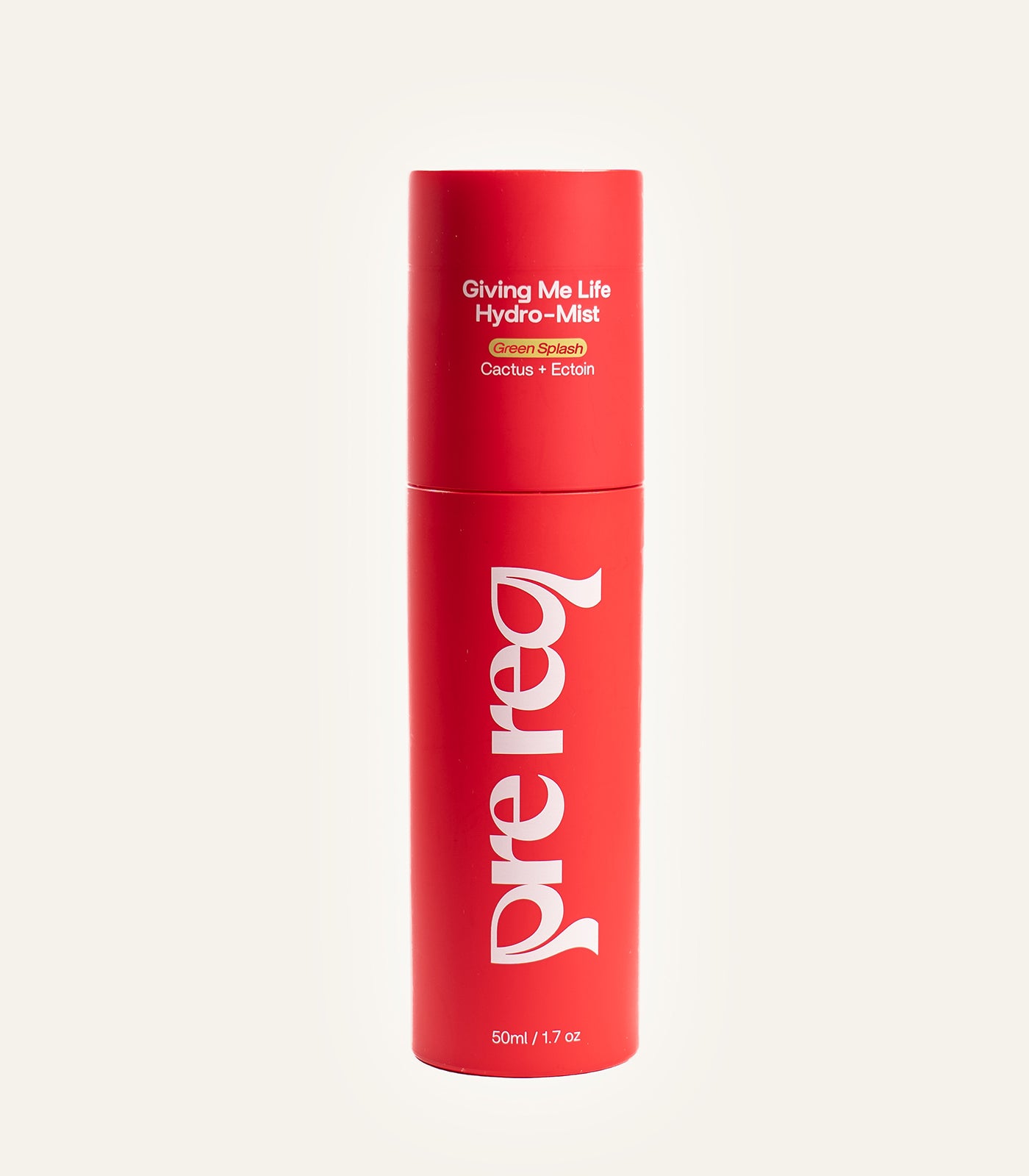
Recommended Products for Tweens & Teens
Support healthy hygiene and skincare habits with gentle, age-appropriate essentials designed for pre-teens and teens.
Teen Skin Problems by Age: What Changes From 13 to 17
Skin doesn't change all at once at age 13. Early teens (13-14) usually see oiliness and the first breakouts ramp up as puberty kicks into gear. Mid-teens (15-16) often see acne peak, while keratosis pilaris and eczema can persist or flare with stress and weather. By the older teen years (17+), skin generally starts to stabilize and tolerates a slightly wider range of products.
If your teen is just stepping out of the tween years, Skincare Routine for 12-Year-Olds: Safe and Simple Guide covers the transition into this stage in more detail.
When parents compare deodorant versus antiperspirant, the most important thing to remember is that they are designed to solve different problems. Deodorant helps control body odor by reducing odor-causing bacteria or masking unpleasant smells, while antiperspirant is made to reduce sweating by temporarily blocking sweat glands. Neither option is automatically better than the other. The right choice depends on whether your tween mainly struggles with odor, excessive sweating, or both. Understanding this difference makes it easier to choose a product that matches your child's needs instead of relying on marketing claims.
Building a Simple Teen Skincare Routine That Helps
A basic teen skincare routine needs three to four steps: a cleanser, a moisturizer, daily SPF, and a targeted treatment only if it's actually needed.
-
Morning: Cleanser (if skin is oily), lightweight moisturizer, mineral SPF 30+
-
Evening: Cleanser, moisturizer, spot treatment if breakouts are active
-
As needed: Deodorant after showering, hydrating mist to refresh skin midday
Keeping it simple isn't a compromise. It's what actually works for skin that's still changing.
What Dermatologists Say Teens Should Avoid
|
Ingredient/Habit |
Why Avoid |
|
Harsh physical scrubs |
Damages the skin barrier, worsens irritation |
|
Alcohol-based toners |
Strips natural oils, can increase oil production |
|
Layering multiple actives (e.g., salicylic acid + benzoyl peroxide + retinoid at once) |
Overloads a still-developing skin barrier, causing dryness and redness |
|
Anti-aging, firming, or brightening labels |
Formulated for concerns that teen skin doesn't have |
As Dr. Tiffany Libby explains,
"What stood out to me immediately was how intentionally Prereq Care approached formulation for young skin. The products are built around supporting the skin barrier first, with carefully selected ingredients that each serve a clear purpose."
For the full breakdown of what to use and what to skip at this age, visit Prereq's Self Care 101 page.
Frequently Asked Questions
What is the most common skin condition in teens?
Acne is the most common, affecting most teens to some degree due to rising androgen hormones during puberty.
What are the skin problems of a 12-year-old?
Mild oiliness, the first breakouts, and occasional dry patches are typical as hormonal changes begin, but skin is still earlier in puberty than that of older teens.
How can a teen get clear skin naturally?
Consistent gentle cleansing, a non-comedogenic moisturizer, daily SPF, and avoiding over-washing or harsh scrubbing go furthest for most teens.
Is it normal for a 14-year-old to still have bad acne?
Yes. Acne often peaks in the mid-teen years as hormone levels are highest, and it can take consistent treatment over weeks to see improvement.
When should a teen see a dermatologist for skin problems?
If acne is severe, painful, or not improving with consistent over-the-counter care after several weeks, or if any rash is spreading or not healing.
Do teens need different skincare than tweens?
Yes. Teen skin can tolerate a slightly wider range of gentle activities than tween skin, but it still benefits from a barrier-first, fragrance-free approach over harsh adult products.
So, What Helps Teen Skin?
Acne, oily skin, keratosis pilaris, eczema, body odor, and product sensitivity are the six most common teen skin problems, and all of them trace back to the same root cause: puberty hormones reshaping the skin faster than most routines account for. A simple, consistent routine, cleanser, moisturizer, SPF, and the right targeted treatment handles most of it without overcomplicating things.
Ready to build a routine that fits? Shop the full Prereq collection, formulated for skin that's still figuring itself out.
References
-
"5 ways to help your teenager survive acne." American Academy of Dermatology Association.
-
"Skin conditions by the numbers." American Academy of Dermatology Association, 2023.
-
"Keratosis Pilaris (Chicken Skin)." Nemours KidsHealth.

