


Retinol isn't the ingredient dermatologists reach for teen acne, no matter the age. Cosmetic retinol has no FDA approval for treating breakouts; adapalene, a related but more advanced retinoid, is the one that's FDA-approved for over-the-counter acne treatment starting at age 12. So the real "when should teens start" answer depends on which ingredient is actually meant, and it's worth separating the two before landing on an age.
Retinol Targets Aging, Adapalene Targets Acne
"Retinol" gets used as a catch-all for anything vitamin-A-based, but it covers two ingredients with different jobs. Cosmetic retinol is a first-generation retinoid sold over the counter for fine lines, texture, and dullness. It speeds up cell turnover and boosts collagen, which helps skin that's already slowing down its natural renewal, not a teenager's.
Adapalene is also a retinoid, just a later generation, and it's approved specifically for treating acne rather than aging. It works by normalizing keratinization, the shedding process that keeps dead skin cells from clumping into comedones, with a meaningfully lower irritation profile than older retinoids like tretinoin. That's the real split behind retinol and adapalene for teen acne: one ingredient treats a concern teen skin doesn't have yet, the other treats the one it usually does.
So, Is Retinol Safe for Teens?
Cosmetic retinol won't cause lasting harm if a teen uses it, but safe and the right choice aren't the same question. Acne is one of the most common skin problems among teens, and it's usually the reason parents start looking into an active ingredient in the first place. There's no FDA age restriction on cosmetic retinol, since it's regulated as a cosmetic rather than a drug, so nothing stops a teenager from buying or using it.
What that also means, though, is that it was never tested against a teenager's still-developing skin barrier, unlike adapalene. Dermatologists' take on whether retinol is good for teenage skin is fairly consistent: it can be used without causing harm, but it isn't necessary, and starting early just adds irritation risk without solving the problem it was bought for.
At what age should teens start using something for Acne?
This is where the age question actually has a clear answer, once retinol and adapalene are separated.
|
Age |
Cosmetic retinol |
Adapalene for acne |
|
12 |
Not needed |
FDA-approved OTC |
|
13–14 |
Not needed |
Yes, if comedonal acne is present |
|
15–16 |
Generally unnecessary |
Standard OTC use |
|
17–18 |
Personal, ideally guided, choice |
Yes |
The pattern holds across the entire teen range: adapalene is the age-appropriate acne treatment from 12 onward, while cosmetic retinol doesn't really become relevant until later, and even then, it's solving a different problem than acne. The more useful question at that point isn't age at all; it's whether the skin is actually showing signs that call for an active ingredient in the first place.
Why Retinol Isn't Usually the Right Tool for Teen Acne
Teen skin already turns over cells quickly on its own, thanks to rising androgen hormones that also drive the sebaceous glands to produce more oil. Retinol is built to speed up a process that's already happening at full speed in a teenager, which means it adds barrier stress without adding a benefit that isn't already there.
That's the same barrier gap that shows up across teen vs. adult skin generally: a thinner, still-maturing barrier is more prone to redness, peeling, and sun sensitivity when an adult-strength active gets introduced before it's needed. Teen skin needs acne control, not anti-aging support, and reaching for the ingredient built for the second problem doesn't fix the first one.
Signs Your Teen's Skin Might Be Ready for an Active Ingredient
Age alone isn't the signal. A few things matter more:
-
Persistent comedonal acne, blackheads, or whiteheads that haven't responded to a basic cleanser-moisturizer-SPF routine after several weeks
-
Increasing oil production alongside visible clogged pores, not just occasional shine
-
A parent-and-teen conversation about it, ideally with a pediatrician or dermatologist weighing in before starting anything
Facial breakouts also aren't the whole picture. Chest and back breakouts respond to a different routine than facial acne, so it's worth confirming which type of acne is actually being treated before picking a product.
How to Introduce an Acne Active Safely
Once adapalene, or later, cosmetic retinol for an older teen, is actually warranted, how it's introduced matters as much as the decision to start.
-
Use a pea-sized amount applied to the entire face, not as a spot treatment
-
Start at 2–3 nights a week rather than nightly, increasing gradually over several weeks
-
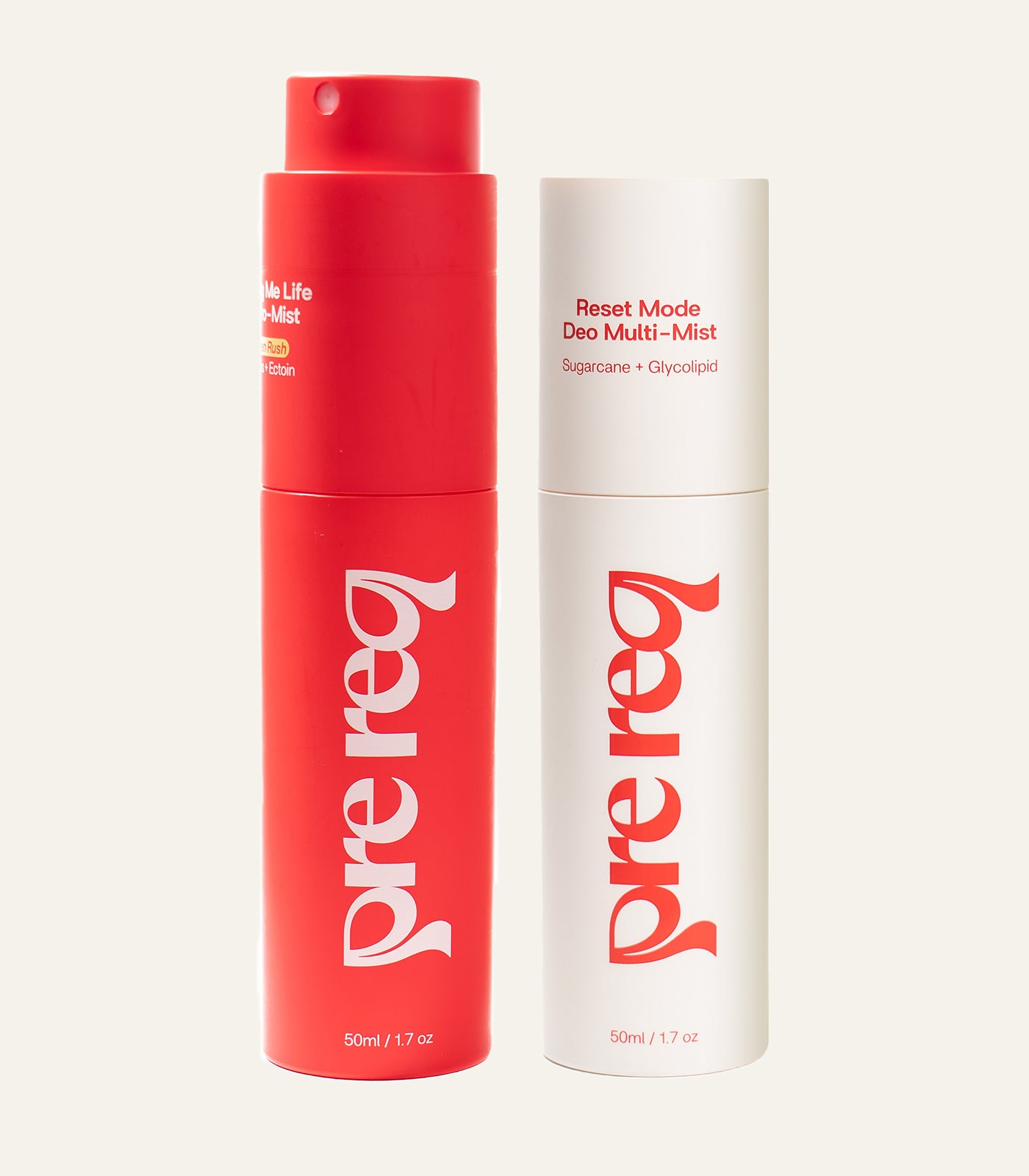
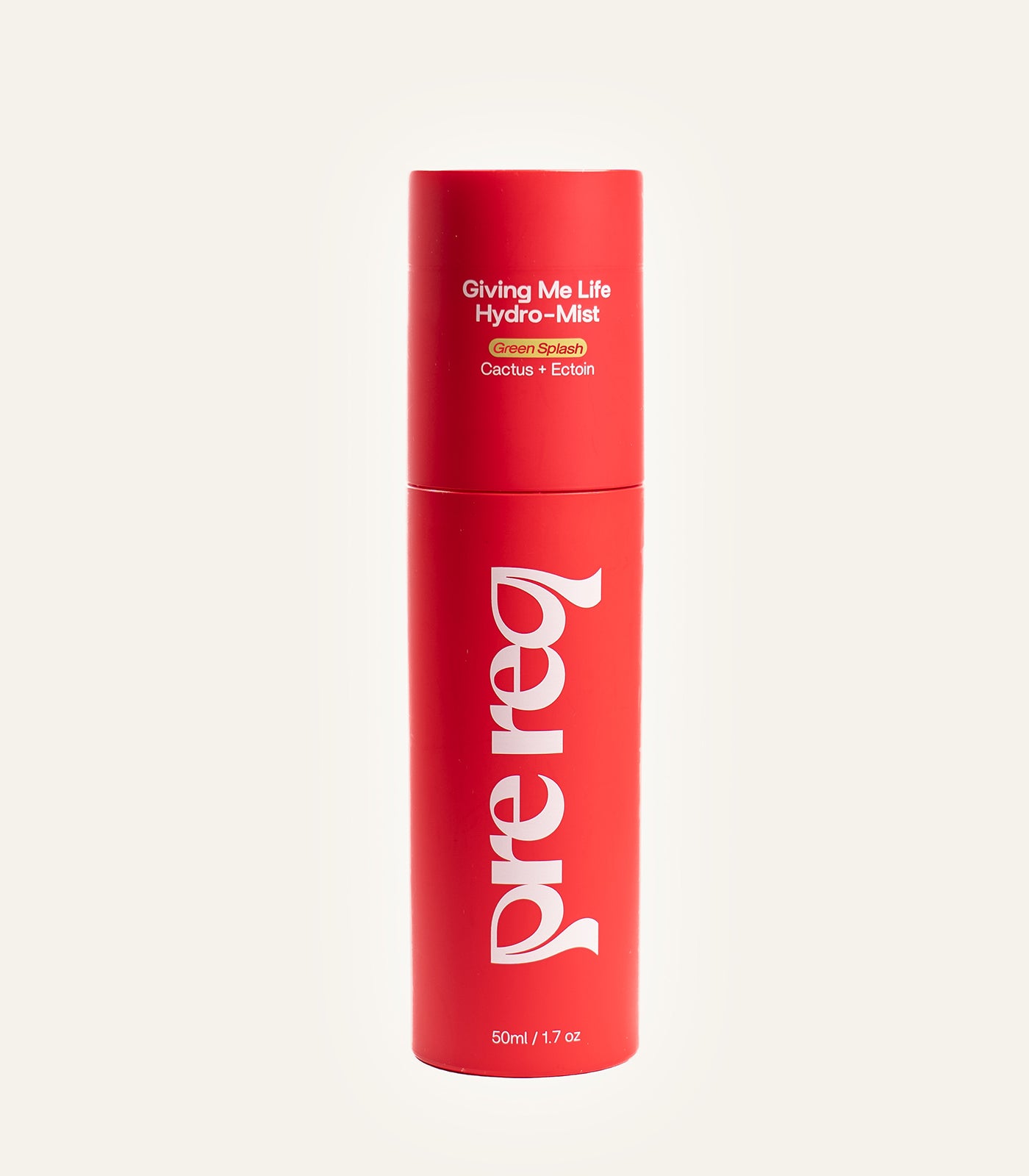
Apply the "sandwich method," moisturizer first, then the active, then a second layer of moisturizer, to cut down on peeling. A lightweight, barrier-supporting option like Giving Me Life Hydro-Mist works well here since it layers easily under an active without adding weight.
-
Use a daily broad-spectrum SPF, since retinoids increase photosensitivity
-
Avoid layering with other actives, like benzoyl peroxide or exfoliating acids, on the same night
This fits into a broader acne-prone skincare routine, built around non-comedogenic, fragrance-free basics, rather than one designed entirely around the active ingredient itself.
Recommended Products for Tweens & Teens
Support healthy hygiene and skincare habits with gentle, age-appropriate essentials designed for pre-teens and teens.
What's Normal vs. What's Not: Purging, Redness, and Side Effects
Not every reaction to a new activity is a problem, but a few signs are worth telling apart before deciding whether to keep going.
How long does the retinol purge last for acne-prone skin?
Purging typically shows up in the first two to four weeks, small, similar-looking breakouts as the active clears out comedones that were already forming under the skin. It usually resolves as the skin adjusts.
Can retinol cause more cystic acne at first?
Purging can make existing acne look more active temporarily, but a genuine flare of deep, painful cystic acne isn't typical purging; that's worth a visit to a dermatologist rather than waiting it out.
Why is my skin red or burning after retinol?
Ongoing redness, burning, or peeling that doesn't improve is irritation, not purging, and usually means the frequency needs to be scaled back.
When should I stop using retinol if my acne isn't clearing?
If there's no improvement after 8 to 12 weeks of consistent use, that's the point to check in with a doctor rather than assuming the product needs more time.
Common Mistakes Parents and Teens Make
Most of the irritation that gets blamed on the active ingredient itself actually traces back to one of these:
-
Starting nightly instead of building up gradually over several weeks
-
Stacking multiple actives, like adapalene and benzoyl peroxide, in the same routine
-
Skipping daily SPF while using a photosensitizing active
-
Quitting during the two-to-four-week purge window, right before results typically show
Frequently Asked Questions
Can a 14-year-old use retinol for acne?
Yes for adapalene, not really for cosmetic retinol. There's no age restriction on either product, but adapalene is the one actually approved and evidenced for treating acne, while cosmetic retinol is built for a concern a 14-year-old's skin doesn't have yet.
Is retinol good for teenage acne?
No, not as the first choice. Retinol is formulated for fine lines and texture, not clogged pores, and adapalene consistently performs better for treating teen breakouts specifically.
When should teens start using retinol for acne scars?
There's no fixed starting age, since it depends on the acne being under control first. Fading post-acne marks with retinol only makes sense once active breakouts have calmed down; for deeper textured scarring rather than discoloration, that's a conversation for a dermatologist, regardless of age.
Can I use retinol at 18 for acne?
Yes. At 18, there's no restriction on either ingredient, though adapalene still tends to be the better-evidenced choice for active breakouts, with cosmetic retinol worth considering separately if anti-aging is also a concern.
What moisturizer should I use with retinol to prevent breakouts?
A lightweight, oil-free, non-comedogenic, fragrance-free moisturizer, ideally with hyaluronic acid or ceramides, applied before and after the active using the sandwich method. That combination offsets dryness without clogging pores or triggering new breakouts.
How long does it take for acne marks to fade?
Lighter post-acne marks typically fade within several weeks to a few months with consistent sun protection. Deeper discoloration can take longer, and a dermatologist can recommend faster options, like azelaic acid or in-office treatments, if it isn't improving.
Can a 12-year-old use retinol for acne?
Adapalene, yes, it's FDA-approved for over-the-counter use starting at age 12, making it a reasonable option for comedonal acne at this age. Cosmetic retinol isn't the recommended route, since it isn't formulated or tested for treating acne in the first place.
Is 16 too early for retinol?
Not for adapalene, which is standard OTC use well before age 16. For cosmetic retinol, 16 is still early, since its anti-aging benefits are aimed at skin whose collagen production hasn't started slowing yet, which doesn't typically happen until the 20s.
Can a 17-year-old use retinol for acne?
Yes, with some judgment involved. By 17, cosmetic retinol becomes more of a personal, ideally guided choice rather than a clear no, though adapalene remains the more evidence-backed pick for active breakouts at this age.
The Right Age to Start Retinol or Adapalene for Teen Acne
There isn't one universal age at which teens should start using retinol for acne, because the honest answer depends on which ingredient is actually meant. Cosmetic retinol rarely earns its place in a teen routine, while adapalene, FDA-approved from age 12, is the option with the evidence behind it for actual breakouts. Readiness comes down to what the skin is showing, not a birthday, and building the rest of the routine around that same principle is where Prereq Care starts, too, with sets like The Daily Duo built for skin that's still figuring out what it needs.
This article is for informational purposes only and isn't a substitute for medical advice. If your teen has persistent, painful, or scarring acne, a dermatologist is the right next step.

