


Cosmetic retinol is not necessary for teen skin and can irritate a still-developing skin barrier. Adapalene, a third-generation topical retinoid, is FDA-approved for acne starting at age 12 and is the safer, evidence-backed choice for teen breakouts. This guide covers what each ingredient actually does, the safe age to start, how adapalene compares with other acne treatments, and how to build a routine around it without wrecking the skin barrier.
What Is Retinol?
Retinol is a first-generation retinoid, a vitamin A derivative sold over the counter mainly for cosmetic anti-aging use. It works by speeding up skin cell turnover and stimulating collagen production, which is why it shows up in products marketed for fine lines, dullness, and hyperpigmentation. Retinol carries no FDA age restriction because it isn't regulated as an acne drug in the first place; it's sold as a cosmetic ingredient, which means the label testing and safety data behind it were built around adult skin concerns, not teen breakouts.
What Is Adapalene?
Adapalene is a third-generation synthetic retinoid developed specifically to treat acne with a better side-effect profile than earlier retinoids like tretinoin. Unlike retinol, adapalene binds selectively to specific retinoic acid receptors in the skin, which is part of why it causes less irritation while still reducing the clogged pores, blackheads, and inflammation that drive acne. It's sold under the brand name Differin, and it's the ingredient dermatologists actually reach for when a patient is a teenager with breakouts, not a retinol product.
Adapalene 0.1% gel was originally approved by the FDA as a prescription acne treatment in 1996 for patients 12 and older. In 2016, the FDA cleared it for over-the-counter sale at that same 0.1% strength and age range, after reviewing 20 years of post-marketing safety data. According to the American Academy of Pediatrics, that approval made Differin Gel 0.1% the first new OTC acne active ingredient introduced since the 1980s. It's a detail worth knowing, because it means adapalene isn't a trendy alternative to retinol; it's the ingredient regulators specifically vetted for acne in this age group, while retinol never went through that same acne-specific review.
Prescription-strength adapalene combined with benzoyl peroxide (sold as Epiduo) has been used under a doctor's supervision in patients as young as 9. A newly approved over-the-counter version of that same combination, Differin Epiduo Acne Gel, cleared the FDA in 2026 for ages 12 and up, giving teens with more stubborn breakouts a second OTC option beyond adapalene alone.
Retinol vs. Adapalene: What's the Actual Difference?
Retinol is a cosmetic, first-generation retinoid sold over the counter for anti-aging concerns like fine lines, texture, and dark spots. It carries no FDA age restriction, but it also has no FDA approval specifically for treating acne. Adapalene is a third-generation, medical-grade retinoid that the FDA has approved as an over-the-counter acne treatment for ages 12 and up.
|
Retinol |
Adapalene |
|
|
Primary use |
Anti-aging (fine lines, texture, dark spots) |
Acne treatment |
|
FDA approval for acne |
None |
Yes, 12+ |
|
Retinoid generation |
First |
Third |
|
Irritation risk |
Higher |
Lower |
|
Right choice for teen acne |
No |
Yes |
Why Teen Skin Doesn't Need Anti-Aging Retinol
Teen skin already turns over new cells quickly on its own, which is exactly what retinol is designed to speed up in older, slower-renewing skin. Using it on a teenager doesn't add a benefit their skin doesn't already have, but it does add the downside: a thinner, still-maturing skin barrier that's more prone to redness, peeling, and sun sensitivity. Retinol's popularity with teens has been driven mostly by social media anti-aging trends, sometimes called the "Sephora kids" phenomenon, rather than an actual skin need. The ingredients teens usually need to solve are acne and oil control, not fine lines, which is also why common teen skin problems call for a different approach than a wrinkle-focused retinol.
How Does Adapalene Actually Work?
Adapalene targets the root causes of acne rather than sitting on top of it. It normalizes keratinization, the process by which skin cells shed and renew, which prevents dead cells from clumping together and clogging pores in the first place. It also has an anti-inflammatory effect, calming the redness and swelling around existing breakouts.
Because it binds more selectively to certain retinoic acid receptors than tretinoin does, adapalene delivers comparable acne clearance with a meaningfully lower irritation rate, which is a big part of why it's the retinoid considered appropriate for teen skin.
What the Clinical Research Actually Shows
Adapalene's track record isn't anecdotal. A meta-analysis pooling more than 900 acne patients across five randomized trials found that adapalene 0.1% gel performed as effectively as tretinoin 0.025% gel over 12 weeks, with a faster onset of visible improvement and consistently less irritation along the way.
Later head-to-head studies comparing adapalene with tazarotene and with isotretinoin gel found comparable lesion reduction, again with adapalene causing less redness and peeling than the alternatives it was tested against. That combination, comparable results with a gentler side-effect profile, is the core reason dermatologists default to adapalene rather than a stronger retinoid when a teenager is starting acne treatment for the first time.
Why Retinol Became Popular With Teens in the First Place
Retinol's popularity with tweens and teens didn't start with a skin concern; it started on social media. Viral "get ready with me" and skincare-haul content turned multi-step adult routines into something aspirational, and retinol got swept in as one of the headline ingredients, right alongside toners and vitamin C serums that were never formulated with teen skin in mind.
Dermatologists who work with this age group regularly describe patients showing up asking for a specific product they saw online, only to find out the ingredient targets a concern, usually fine lines or sunspots, that a 13-year-old simply doesn't have yet. The gap between what's trending and what teen skin actually needs is exactly why an ingredient-safety guide like this one matters more than a routine built entirely around what's popular online.
Ingredients to Look for and Avoid in a Teen Acne Product

Beyond the retinol-versus-adapalene question, the rest of the ingredient list matters just as much for a teen's skin barrier. Look for non-comedogenic formulas, fragrance-free bases, and calming ingredients like niacinamide or ceramides alongside the active.
Skip products with synthetic fragrance, alcohol-based astringents, or added exfoliating acids layered on top of a retinoid, since combining actives is one of the most common causes of the redness and peeling that make teens quit a routine early. Parabens and sulfates aren't acne-specific concerns, but they're common irritants worth avoiding in any product used daily on developing skin.
Is Adapalene Safe for Teens? (FDA Approval & Age Guide)
Yes. Adapalene 0.1% gel has been FDA-approved as an over-the-counter acne treatment for ages 12 and older since 2016. That makes adapalene for teens the only OTC retinoid with acne-specific regulatory backing at this age, unlike cosmetic retinol, which has never been reviewed by the FDA for treating acne at all.
Retinol and Adapalene by Age: 12, 13-14, 15-16, 17-18
|
Age |
Cosmetic retinol |
Adapalene for acne |
|
12 |
Not recommended, no acne-specific need |
Yes, FDA-approved OTC |
|
13-14 |
Not necessary for the skin at this stage |
Yes, if comedonal acne is present |
|
15-16 |
Generally unnecessary; irritation risk still elevated |
Yes, standard OTC use |
|
17-18 |
A personal choice, ideally dermatologist-guided |
Yes |
Retinol use isn't restricted by age, so a 13-year-old, 14-year-old, 16-year-old, or 17-year-old technically can buy and use it. That's different from whether it's advisable. Because retinol's benefits target adult skin concerns that teen skin doesn't have yet, using it earlier than the late teens or early twenties adds irritation risk without a matching benefit.
Adapalene, on the other hand, is appropriate across this entire age range specifically because it's treating a problem, acne, that teen skin actually has. A 14-year-old with acne can use adapalene safely following label directions; a 12-year-old can as well, given the FDA's own approval at that age. A 9-year-old's skin has different needs than a 14-year-old's in plenty of other ways, too, which is the whole logic behind skincare for kids by age rather than a single routine applied across the board.
What About Retinol Eye Cream for Teens?
No. Retinol eye creams target fine lines and under-eye aging, concerns that don't apply to teen skin at 14, 16, or 18. The eye area is also thinner and more reaction-prone than the rest of the face, making it one of the least appropriate places to introduce a retinoid on young skin.
How Should a Teenager Start Using Adapalene? (Safe Routine)
Start with a pea-sized amount applied to the entire face, not as a spot treatment, two to three nights a week rather than nightly. Many dermatologists recommend the "sandwich method": a layer of moisturizer first, then the adapalene, then a second layer of moisturizer over top, which cuts down on the dryness and flaking that come with introducing a topical retinoid. Increase nightly use gradually over several weeks as skin builds tolerance.
According to Mayo Clinic's clinical dosing guidance, adapalene should be applied as a thin film to clean, dry skin, avoiding the eyes, lips, and inside of the nose, and it shouldn't be layered with other peeling or drying products like benzoyl peroxide, salicylic acid, or alcohol-based astringents at the same time of day, since stacking actives raises the risk of irritation without adding benefit.
If a doctor does recommend combining adapalene with something like benzoyl peroxide, applying them at different times of day is the usual way to lower that risk.
Since adapalene increases sun sensitivity, a daily broad-spectrum SPF is non-negotiable, applied every morning regardless of how the skin looks that day. A lightweight, non-comedogenic hydrating step also matters here, since a dry, flaking barrier is more likely to react to the retinoid underneath.
Does Retinol or Adapalene Make Acne Worse Before It Gets Better?
Often, yes, temporarily. Mayo Clinic's dosing guidance notes that acne can look worse during the first three weeks of adapalene use, before full improvement typically shows up by around 12 weeks of consistent use.
This purging phase is different from ongoing irritation: purging shows up as small, similar-looking breakouts that resolve within a few weeks as the retinoid clears out comedones that were already forming under the skin, while irritation looks like persistent redness, burning, or peeling that doesn't improve. If acne hasn't improved within 8 to 12 weeks of daily use, that's the point to check in with a doctor rather than assuming the product simply isn't working yet.
Other Teen Acne Treatments, Compared to Adapalene
Adapalene isn't the only OTC option, and it's worth knowing where it fits next to the other ingredients commonly recommended for teen acne.
|
Ingredient |
What it does |
Typical use case |
|
Adapalene |
Unclogs pores, reduces inflammation |
First-line retinoid for most teen acne |
|
Benzoyl peroxide |
Kills acne-causing bacteria |
Inflamed, pus-filled breakouts |
|
Salicylic acid |
Exfoliates inside the pore |
Blackheads, milder acne, sensitive skin |
|
Tretinoin |
Stronger retinoid, faster comedone clearing |
Prescription-only, more irritating |
|
Oral antibiotics |
Reduce bacteria and inflammation systemically |
Moderate to severe inflammatory acne, dermatologist-prescribed |
|
Isotretinoin |
Shrinks oil glands |
Severe, cystic, or scarring acne only |
For most teens with mild to moderate breakouts, adapalene alone or paired with a benzoyl peroxide wash covers the bulk of what's needed. Salicylic acid can be a gentler starting point for teens who react easily to retinoids.
Oral antibiotics, tretinoin, and isotretinoin all step up in strength and side-effect risk, and all require a prescription and direct medical supervision; they aren't a self-directed next step if adapalene alone isn't working fast enough.
Retinol or Adapalene: Which Should Your Teen Use for Acne?
For acne, adapalene is the better choice, and it's not particularly close. Retinol wasn't designed or FDA-tested for acne in this age group; adapalene was. Between adapalene and prescription options like Differin (which is simply branded adapalene) or tretinoin, OTC adapalene 0.1% is the reasonable starting point for most mild-to-moderate teen acne, since it carries a lower irritation profile than tretinoin while still delivering comparable acne clearance in clinical studies.
For teens or parents specifically looking for a gentler entry point before committing to a retinoid at all, bakuchiol is sometimes marketed as a plant-derived alternative with a lower irritation profile, though it has far less clinical acne research behind it than adapalene does, so it shouldn't be treated as a proven substitute.
When to See a Dermatologist vs. Self-Treat
Mild to moderate acne, blackheads, whiteheads, and occasional inflamed bumps generally respond well to consistent OTC adapalene use over 8 to 12 weeks. Deep, painful, cystic acne, or acne that isn't improving despite consistent use, needs a dermatologist rather than a stronger OTC product on its own.
A pediatrician is also a reasonable first stop and can refer out if needed. Adapalene fits into a full daily routine alongside cleanser, moisturizer, and SPF, and building out the best skincare for acne-prone teen skin around it is what actually keeps breakouts from coming back once the adapalene starts working.
Common Mistakes Parents and Teens Make With Retinoids
A few patterns show up repeatedly and tend to undo an otherwise reasonable routine:
-
Starting too strong, too fast: Jumping straight to nightly use instead of building up over several weeks is the single biggest driver of the redness and peeling that make people quit early.
-
Stacking activities: Combining adapalene with benzoyl peroxide, salicylic acid, or exfoliating scrubs in the same routine multiplies irritation without multiplying results.
-
Skipping sunscreen: Retinoids increase photosensitivity; skipping daily SPF while using one raises the risk of sunburn and worsens any redness that's already present.
-
Following social trends over skin needs: Multi-step, adult-marketed routines built around anti-aging retinol solve a problem teen skin doesn't have, while leaving the actual issue, acne, unaddressed.
-
Quitting during the purging phase: Stopping in week two or three, right when purging peaks typically, means never finding out whether the product would have worked.
Retinoid-Free Products for the Rest of the Routine
Adapalene handles the active-ingredient side of acne treatment, but the rest of a teen's daily routine works better without adding more actives into the mix on top of it:
-
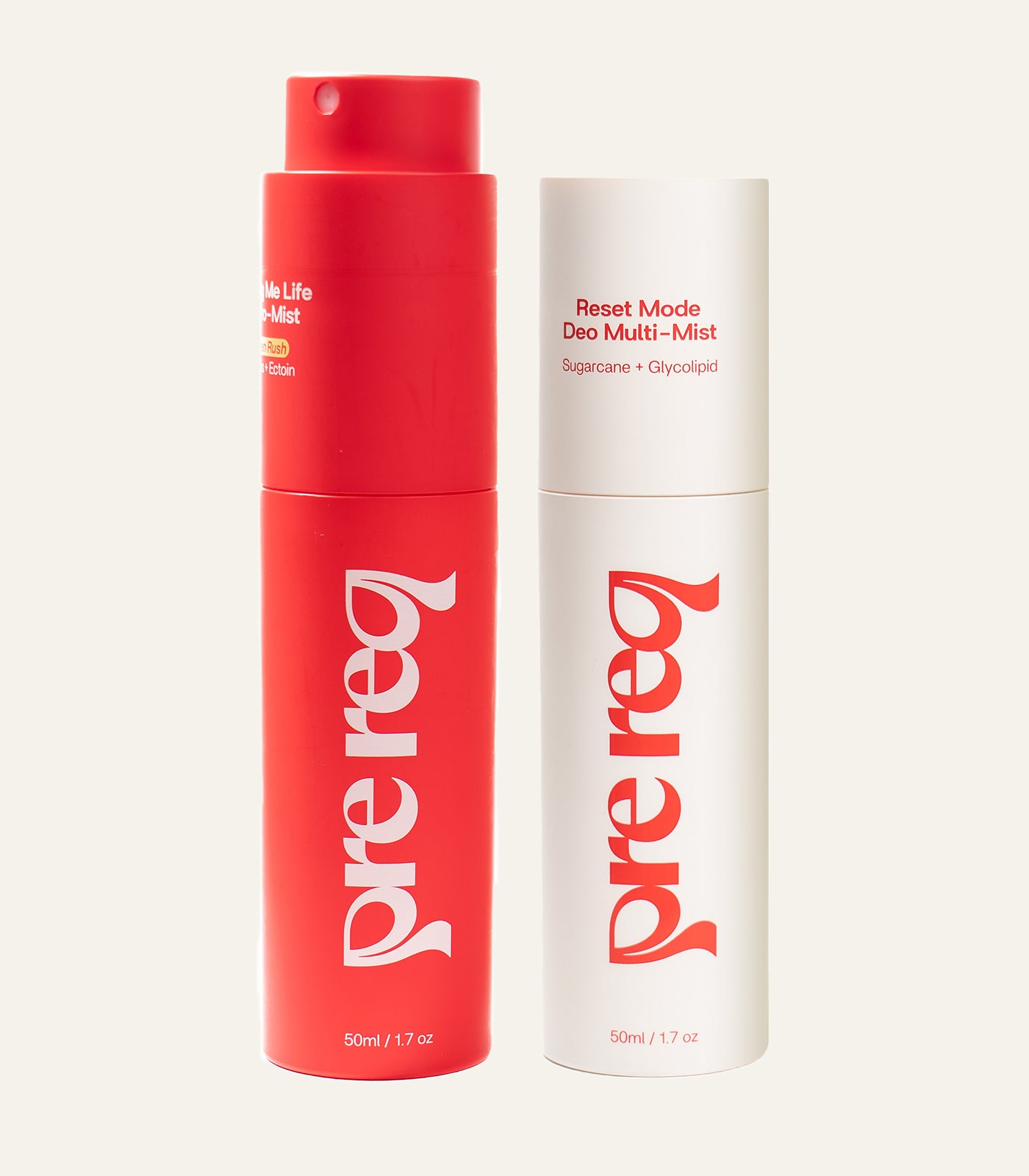
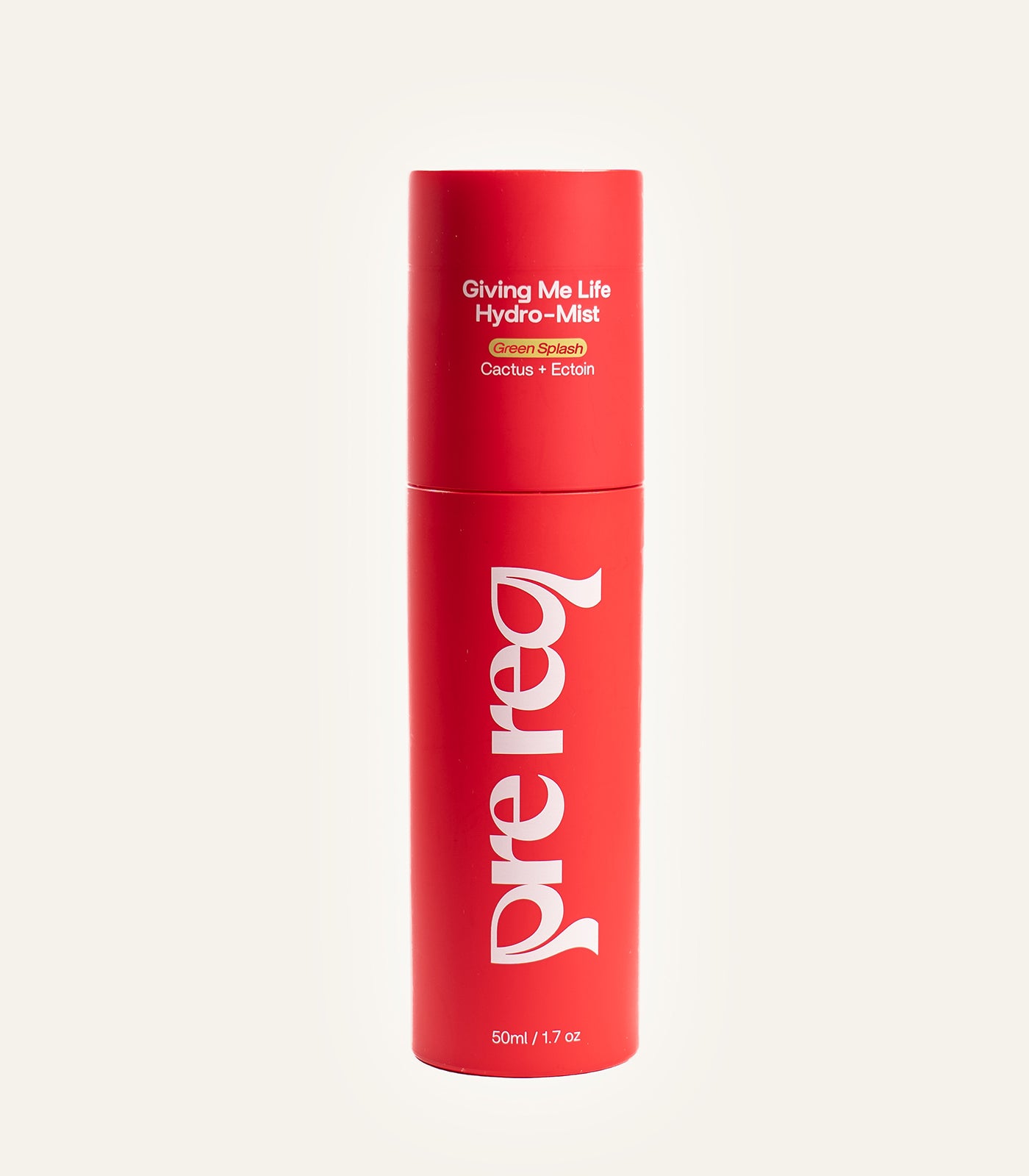
Hydration: Giving Me Life Hydro-Mist is formulated without retinol, acids, or alcohol, so it layers on before or after adapalene without introducing anything that could compound the dryness the retinoid already causes.
-
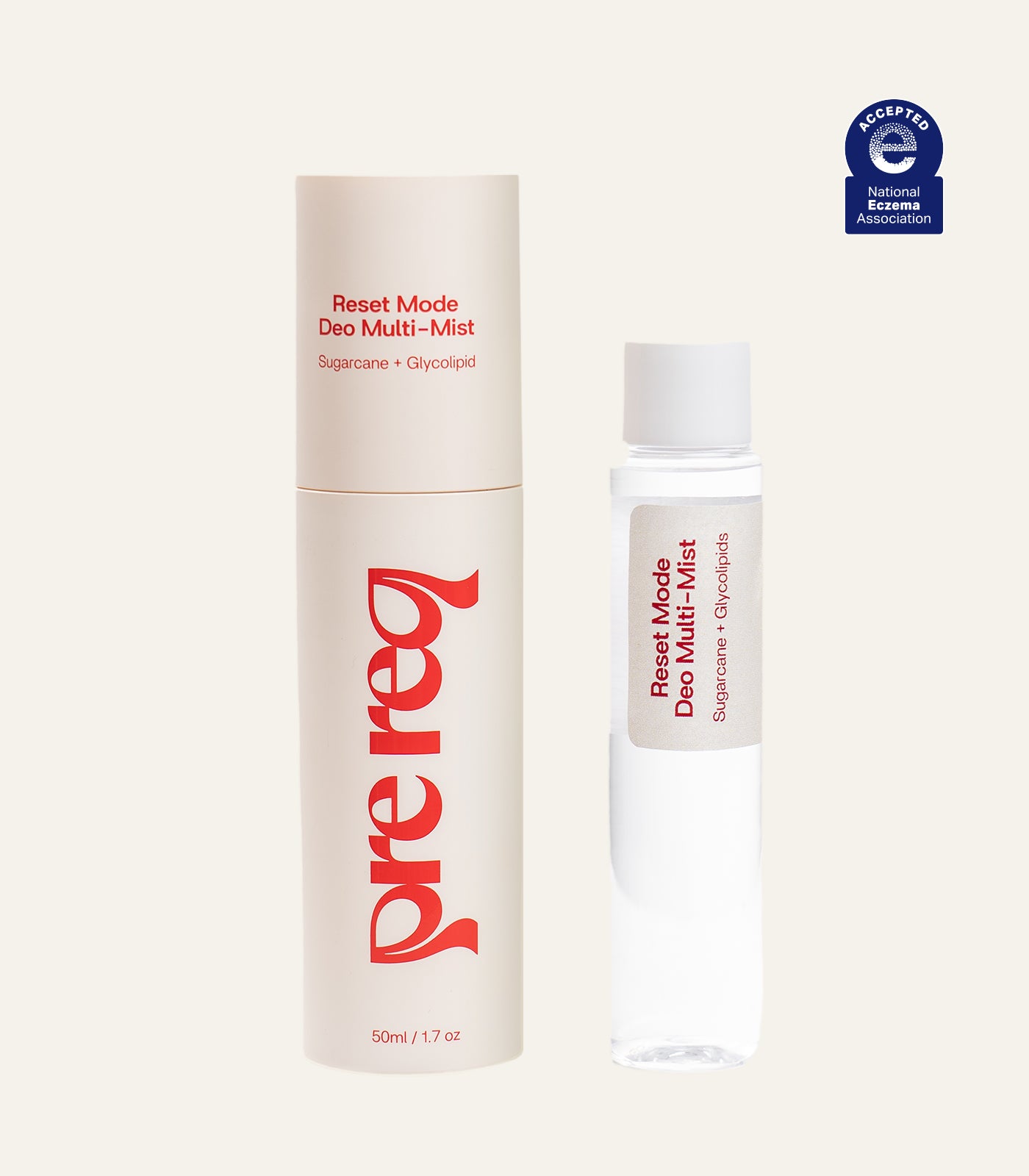
Body odor: The same hormonal shift that triggers acne, rising androgen levels around puberty, also tends to bring on body odor within a year or two. Choosing the right kids deodorant matters just as much as the routine used on it, and Reset Mode Deo Multi-Mist is built in the same retinoid-free, aluminum-free way for that side of things.
Neither product fights with an adapalene routine or needs to be worked around, self care 101 for this age is just gentle, consistent, and nothing stacked on that doesn't need to be there.
Recommended Products for Tweens & Teens
Support healthy hygiene and skincare habits with gentle, age-appropriate essentials designed for pre-teens and teens.
A Gentler Daily Routine for Teens Not Ready for Retinoids
Not every teen with occasional breakouts needs a retinoid yet. For milder, early-stage oiliness and the first few breakouts, a basic three-step routine, a gentle cleanser, a lightweight non-comedogenic moisturizer, and daily mineral SPF is often enough on its own, with a retinoid held in reserve for when acne is persistent enough to justify it. A consistent oily skin routine for teens built around those three steps can manage shine on its own, without over-stripping the skin or reaching for an active before it's needed.
The reason to hold off matters just as much as the routine itself. Weighing tween vs. adult skincare makes the case clearly: a teen's skin barrier is thinner and more reactive than an adult's, so reaching for an adult-strength active before it's needed can cause more irritation than it solves.
Frequently Asked Questions
Can I use retinol as a 14-year-old with acne?
Retinol isn't restricted by age, but it's not the right tool for acne at any age. Adapalene is the FDA-approved, acne-specific option for a 14-year-old instead.
Is retinol good for teenage acne?
Not particularly. Retinol is formulated for anti-aging concerns, not acne, and adapalene consistently outperforms it for treating breakouts in teens.
Can my 12-year-old use adapalene?
Yes. Adapalene 0.1% gel is FDA-approved as an OTC acne treatment starting at age 12.
What should a 15-year-old use for acne?
A consistent routine of a gentle cleanser, non-comedogenic moisturizer, daily SPF, and OTC adapalene 0.1% applied a few nights a week covers most mild-to-moderate teen acne.
Can teens use retinol and adapalene together?
No. Combining two retinoids doesn't speed up results and significantly raises the risk of irritation, so only one should be used at a time.
Does retinol affect young skin long-term?
There's no evidence of long-term damage from appropriate retinol use, but there's also no established benefit for teen skin, which is why dermatologists generally recommend waiting until the skin's anti-aging needs actually begin.
Is benzoyl peroxide safer than adapalene for teens?
Neither is inherently safer; they target acne differently. Benzoyl peroxide kills bacteria and tends to be more drying, while adapalene unclogs pores with less overall irritation, and many dermatologists use them together at different times of day.
Retinol vs. Adapalene for Teens: What Actually Works
Cosmetic retinol solves a problem teen skin doesn't have yet; adapalene solves the one it usually does. For a teenager dealing with breakouts, OTC adapalene 0.1%, introduced slowly with a moisturizer buffer and daily SPF, is the FDA-backed, dermatologist-supported starting point, not a downsized version of an adult anti-aging product.
As Dr. Tiffany Libby, board-certified dermatologist and Prereq's Strategic Advisor, puts it:
"These two products are really all kids need for easy self-care. Use the Reset Mode and Giving Me Life mists together to refresh after sweat, reduce redness, and support the microbiome. It's a simple, effective routine that is both dermatologist-approved and mom-approved."
Pairing an active like adapalene with a gentle, barrier-supporting routine, rather than stacking on more actives, is what actually keeps teen skin calm while the acne treatment does its job. For the hydration and odor-care side of that daily routine, The Daily Duo covers both in one simple, non-comedogenic step.
This article is for informational purposes only and isn't a substitute for medical advice. If your teen has persistent, painful, or scarring acne, a dermatologist is the right next step.

