


Tween skincare and adult skincare are fundamentally different because tween skin is thinner, more permeable, and still developing. It needs protection, not repair. A tween's routine only needs three things: a gentle cleanser, a fragrance-free moisturizer, and SPF 30 sunscreen. A simple daily skincare duo for tweens helps keep this routine consistent without adding unnecessary steps. Adult skin faces real collagen loss and sun damage, which is where ingredients like retinol and vitamin C actually earn their place. Using adult products on a tween doesn't help. It damages the skin barrier and creates the problems parents are trying to prevent.
Key Takeaways: Tween Skin vs Adult Skin
|
Feature |
Tween/Teen Skin |
Adult Skin |
|
Thickness |
Thinner, more delicate |
Thicker and more resilient |
|
Sebum production |
Often elevated due to hormones |
Varies; generally decreases with age |
|
Primary concern |
Breakouts, oiliness, clogged pores |
Fine lines, uneven tone, sun damage |
|
Collagen production |
High and naturally active |
Gradually declining from mid-20s |
|
Skin barrier maturity |
Still developing |
Fully formed but requires maintenance |
|
Sensitivity |
High; reacts quickly |
Depends on skin type and history |
|
Simple - 3 steps |
Can be multi-step with targeted actives |
|
|
Key ingredients to use |
Gentle cleanser, SPF, fragrance-free moisturizer |
Retinol, vitamin C, AHA/BHA exfoliants |
|
Ingredients to avoid |
Retinoids, glycolic acid, strong vitamin C, fragrance |
Overly abrasive physical scrubs |
Why Is Young Skin So Sensitive to Active Ingredients?
Young skin reacts more strongly to active ingredients because it's still developing. This matters a lot when it comes to understanding which skincare routine is right for a tween.
Since children's skin is still developing, active ingredients can cause redness, burning, or peeling and provide no benefit to their skin. Dermatologists across the country are seeing this play out in their practices. According to the American Academy of Dermatology, pediatric dermatologist Carol Cheng at UCLA says she's seeing more kids and adolescents come in with rashes caused by layering on too many products. Some patients are as young as 8 or 9 years old.
The skin barrier, which is the outermost protective layer of your skin, is especially vulnerable in young people. Many products marketed to tweens can damage the skin barrier, which is not fully formed in pre-teens and early adolescents, according to dermatologist Sonal Shah, MD at University Hospitals. A damaged skin barrier leads to dryness, irritation, and more pimples, which is the opposite of what most tweens are trying to achieve.
What Ingredients Should Tweens Avoid in Skincare?

Tweens should skip anything labeled "anti-aging." Those products contain active ingredients that target problems young skin doesn't have yet.
Retinoids are not recommended for young skin unless prescribed by a dermatologist, as they often cause redness, peeling, and drying. Glycolic acid, a key ingredient in many toners and cleansers, poses similar risks to young skin, including burning, rashes, swelling, and peeling. The University of Utah Health also confirms that botanical scents and essential oils in skincare products can irritate young skin and even cause painful rashes.
Here's a quick breakdown of what tweensFskin and teens should avoid or approach very carefully:
Avoid entirely (unless prescribed):
-
Retinol and other retinoids
-
Glycolic acid and other alpha-hydroxy acids (AHAs)
-
High-strength vitamin C serums
-
Physical scrubs that scratch and irritate
-
Fragrance and artificial scents
-
Benzoyl peroxide in high concentrations
Use cautiously (only if acne is present, start low):
-
Salicylic acid in small concentrations for acne
-
Niacinamide for oil control
-
Azelaic acid for gentle brightening
A study published in the journal Pediatrics analyzed 100 TikTok skincare videos popular among teens and tweens. They featured over 250 unique products, many containing potent active ingredients such as retinol and glycolic acid. Nearly 76% of the top 25 most-viewed videos promoted products with known allergens such as artificial fragrance, which can trigger irritation and lasting sensitivities in young skin. This is one of the biggest problems with influencer-driven skincare content. It rarely accounts for the age of the person watching.
What Should Be in a Tween's Skincare Routine?
A tween's skincare routine should be three steps: a gentle cleanser, a fragrance-free moisturizer, and sunscreen. That's it.
Dermatologist Marisa Garshick, MD, FAAD, recommends that tweens start by washing their face with a gentle cleanser, applying a fragrance-free moisturizer, and wearing a broad-spectrum, water-resistant sunscreen with an SPF of 30 or higher daily. The face wash matters more than most people think. Harsh cleansers strip the skin of its natural oils, prompting the skin to produce more sebum in response, leading to oilier skin and more breakouts.
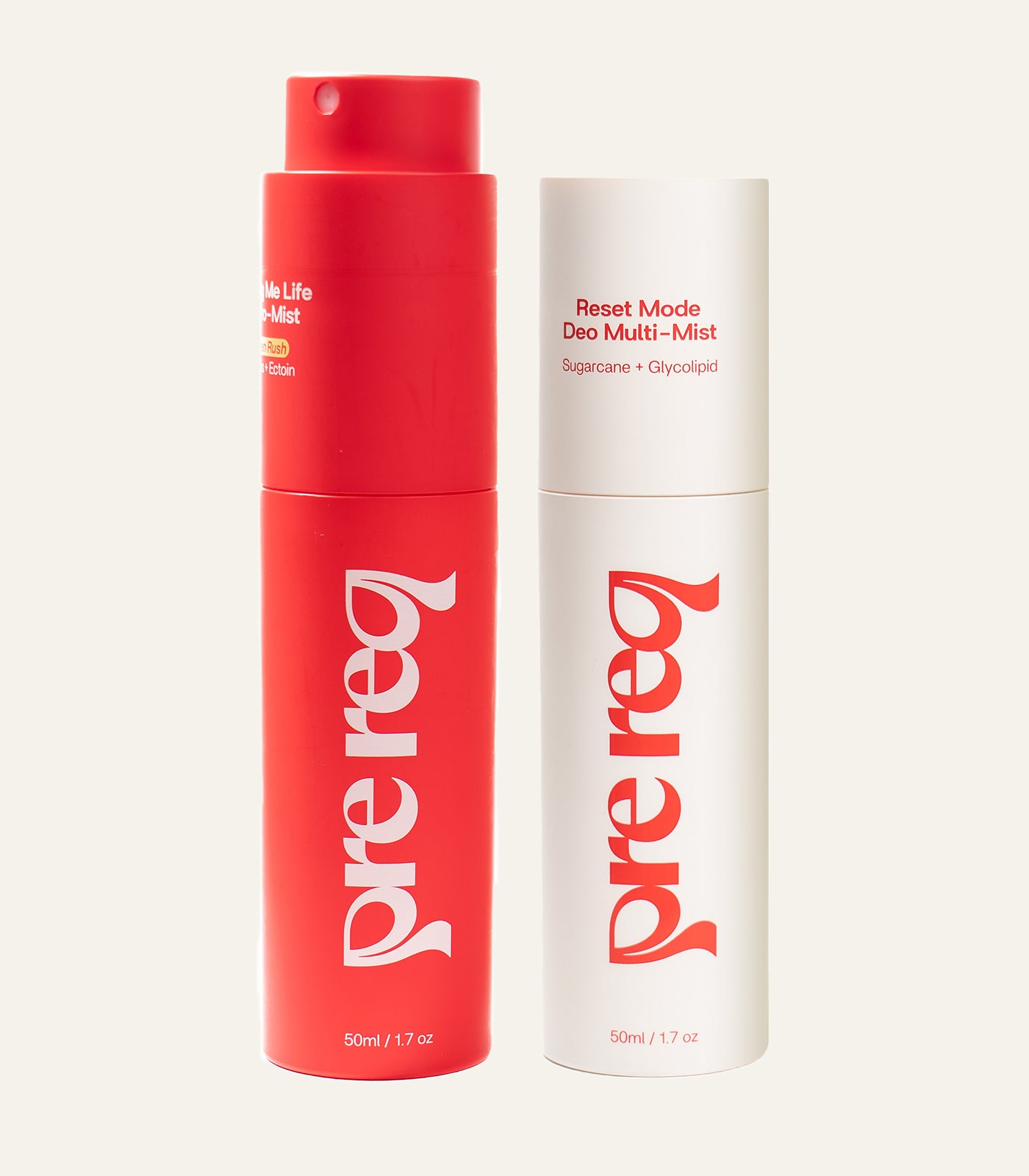
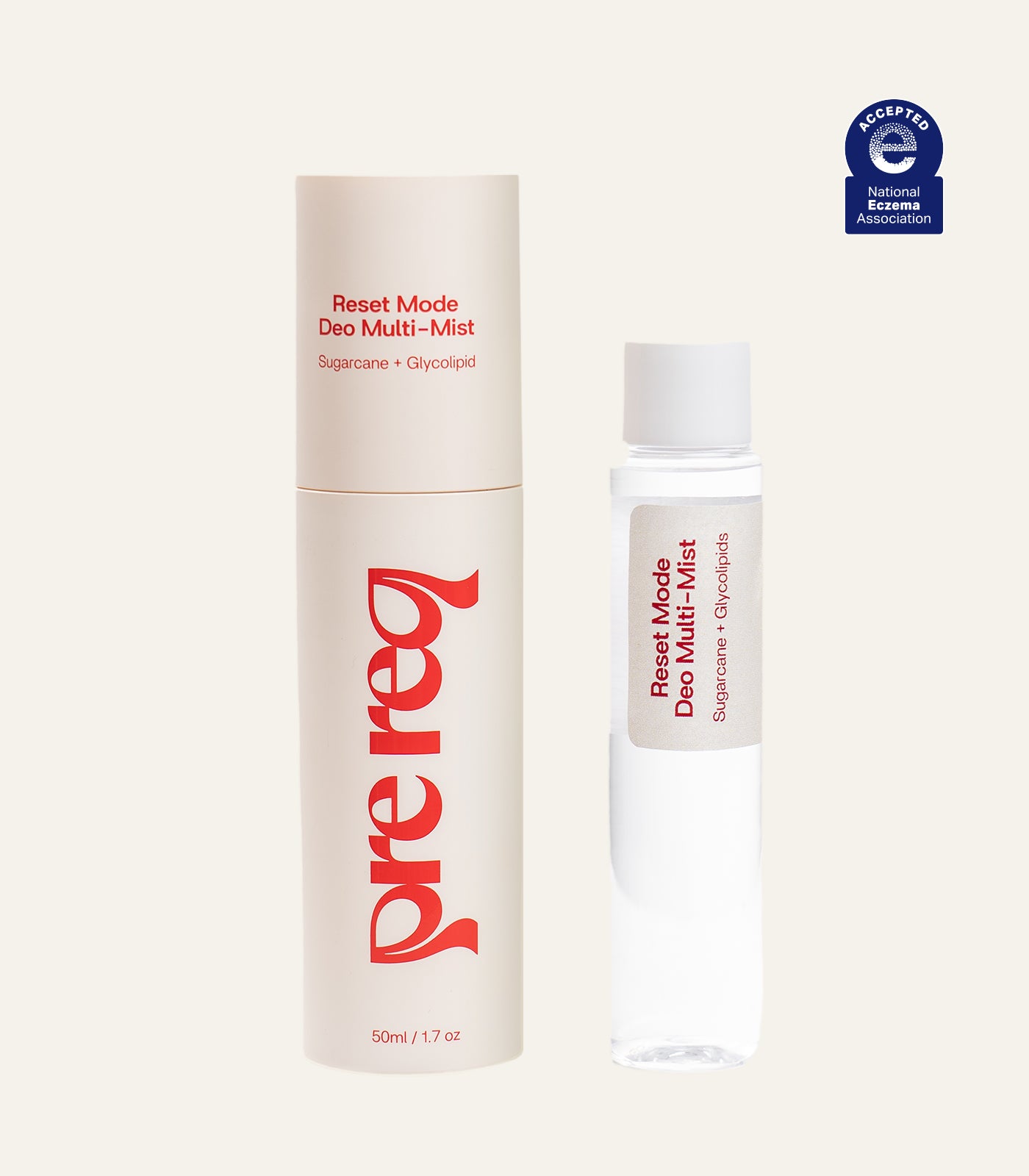
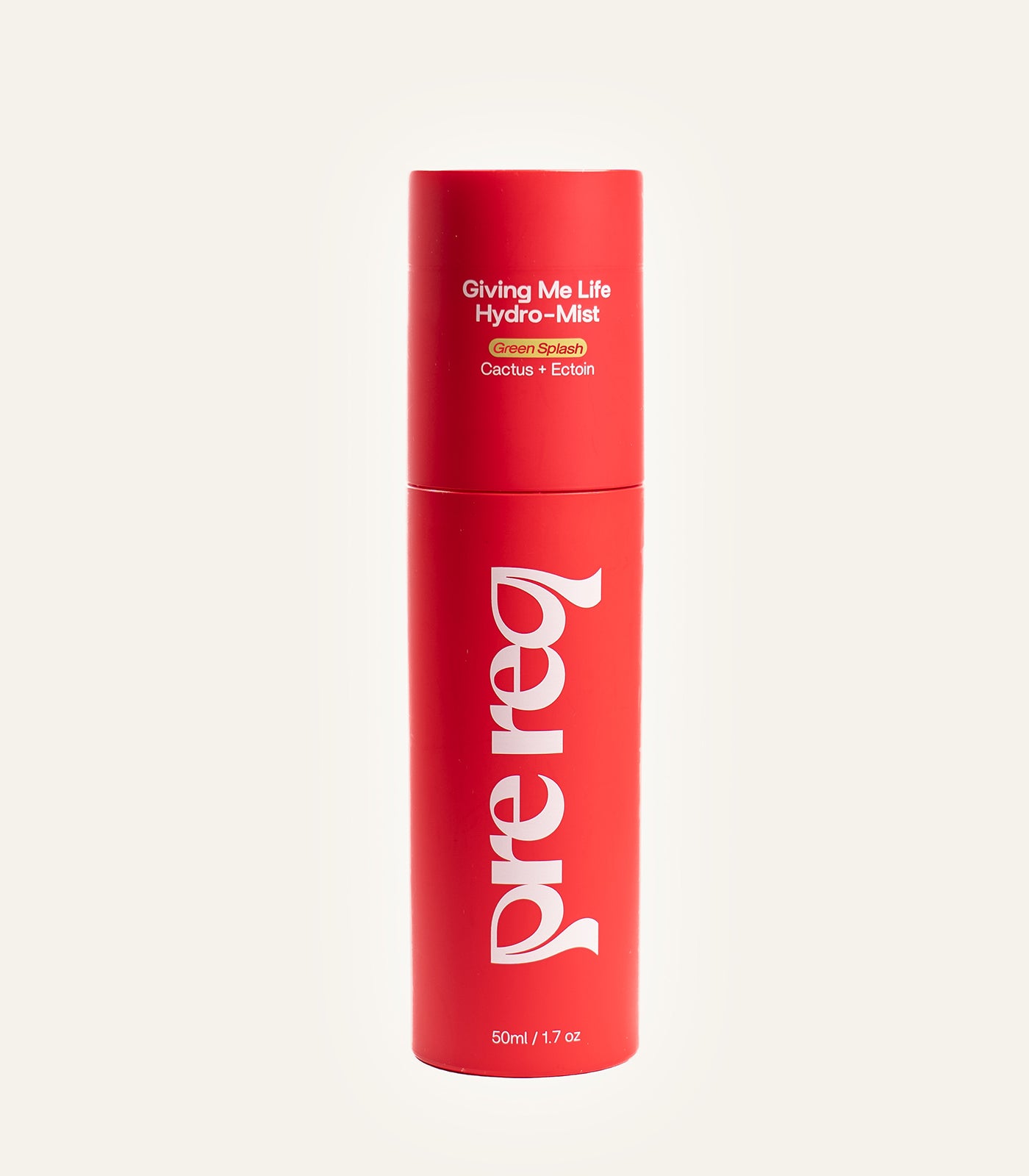
If a tween does have acne, that's when it makes sense to bring in something targeted. For mild acne, over-the-counter cleansers containing salicylic acid can help. Because acne can leave dark marks, sun protection is also important to minimize hyperpigmentation. The Prereq Care collection is formulated specifically for young skin, with no harsh actives and no synthetic fragrance.
Recommended Products for Tweens & Teens
Support healthy hygiene and skincare habits with gentle, age-appropriate essentials designed for pre-teens and teens.
What Does Adult Skincare Look Like in Comparison?
Adult skincare, especially from the mid-20s onward, shifts its focus toward prevention and repair. This is when products like retinol, vitamin C, and acid-based exfoliants actually start earning their place in a routine.
Collagen production starts to decline in the mid-20s, which means fine lines, uneven skin tone, and loss of firmness become real concerns over time. Adults also deal with issues like adult acne driven by stress and hormonal fluctuations, as well as hyperpigmentation and dry skin that becomes harder to treat with age.
According to the University of Colorado School of Medicine, retinol helps with the appearance of fine wrinkles, skin discoloration, and sunspots, stimulating collagen formation and improving skin texture. These are not active skin problems for tweens or teens. Using retinol before your skin actually needs it isn't helpful. It just irritates skin that didn't have a problem to begin with.
Vitamin C is another ingredient that makes a lot more sense for adult skin. It targets dark spots and boosts collagen production, two things mature skin genuinely needs. For a tween without sun damage or collagen concerns, it's solving a problem that isn't there yet.
Should Tweens Use a Serum?
No, most tweens don't need a serum. Serums are typically designed to deliver concentrated active ingredients, which young skin doesn't need.
As dermatologist Brooke Jeffy, MD, notes, she is often trying to convince adults to do more and kids to do less when it comes to skincare. Most kids who come in with acne or to discuss skincare are using multiple products with various active ingredients, using none of them consistently, and often end up with irritated skin as a result.
If your tween insists on something beyond the basics, a simple hyaluronic acid moisturizer is a reasonable option. It helps the skin retain moisture without causing irritation or clogging pores. Stick to that and skip the 12-step serum stack entirely. The Prereq Care tween skincare collection is a practical starting point for parents seeking age-appropriate options clinically tested for young skin.
The Role of Sunscreen for Both Tweens and Adults
This is the one area where the advice is the same for everyone: wear sunscreen every single day, no exceptions.
During the first 20 years of life, kids and adolescents get the most sun exposure of any period in their lives. That means tween years are actually the most important time to build a solid sunscreen habit. The sun damage that shows up as dark spots and wrinkles in adulthood is often built up during childhood and the teenage years.
For tweens and teens, choose a broad-spectrum mineral sunscreen with SPF 30 or higher. Mineral formulas with zinc oxide or titanium dioxide tend to be gentler on sensitive skin. For adults dealing with specific skin concerns, such as uneven skin tone, pairing sunscreen with a vitamin C serum in the morning is a practical combination. But no matter the age, no skincare routine is complete without SPF.
What's the Right Call for Your Family?
The simplest way to think about it: tween skin needs protection. Adult skin needs repair.
Tween skincare and adult skincare are built around completely different skin needs. Young skin is thinner, more sensitive, more permeable, and already producing plenty of collagen on its own. It doesn't need retinol, strong acids, or anti-aging serums. What it needs is a consistent routine: a gentle cleanser, a fragrance-free moisturizer, and daily SPF 30.
Adult skin benefits from targeted ingredients that address real changes happening over time, such as declining collagen, sun damage, and adult acne. The biggest mistake parents and tweens can make is trusting influencer-driven content over the advice of board-certified dermatologists. More products and longer routines don't equal better skin for young people. Simple, consistent, and gentle is what actually works. If your child has specific concerns, such as persistent acne or visible skin irritation, that's when it's time to consult a dermatologist rather than reach for the next trending TikTok routine.
Related Question About Tween vs Adult Skincare
Here are the common question of tween and adult skincare:
What is the difference between tween skincare and adult skincare?
Tween skin is thinner, more sensitive, and still developing, so it needs a simple 3-step routine. Adult skin experiences collagen loss and sun damage, making ingredients like retinol and vitamin C appropriate.
Can tweens use retinol?
No, tweens should not use retinol unless specifically prescribed by a dermatologist. Using it without guidance can cause redness, peeling, and damage to the skin barrier.
Is salicylic acid safe for teenage skin?
Salicylic acid can be used carefully by teens with breakouts, in low concentrations and alongside a good moisturizer. Starting with a salicylic acid face wash is safer than a concentrated serum for most teens.
What skincare products are safe for 12-year-olds?
A 12-year-old's routine needs just three things: a gentle fragrance-free cleanser, a lightweight non-comedogenic moisturizer, and broad-spectrum SPF 30 or higher sunscreen. Any additions should come from a dermatologist.
What ingredients should tweens avoid in skincare?
Tweens should avoid retinol, glycolic acid, strong vitamin C serums, physical scrubs, fragrances, and high-dose benzoyl peroxide. These can damage the skin barrier and worsen breakouts.
At what age should you start an adult skincare routine?
Most dermatologists suggest the mid-to-late 20s for targeted adult ingredients like retinol and acid exfoliants. Before that, the focus should stay on daily sunscreen, a gentle cleanser, and a moisturizer.

