


An oily skin skincare routine for teens comes down to four steps: a gentle cleanser, a lightweight non-comedogenic moisturizer, an oil-free mineral SPF, and a targeted spot treatment used only when needed. The goal isn't to strip every trace of oil, it's to keep it balanced so skin stays clear of acne and shine without becoming dry, irritated, or reactive.
Most oily-skin advice online is written for adult skin. Teen skin is still developing, which means aggressive routines built around exfoliating acids, benzoyl peroxide, or daily toning often make oiliness and breakouts worse, not better. This guide breaks down what's actually causing the shine, the routine that works with teen skin instead of against it, and what to do about sweat, gym class, and long school days.
Why Teen Skin Gets Oily
Oily teen skin comes down to hormones, a still-developing skin barrier, and genetics, all working together during puberty.
-
Androgen hormones surge during puberty and signal the sebaceous glands to produce more sebum, the skin's natural oil.
-
The T-zone (forehead, nose, and chin) tends to look shinier first, pores appear larger, and the first breakouts often show up around the same time.
-
Excess oil mixes with dead skin cells and bacteria to clog pores, which is also what leads to blackheads, the small dark bumps that form when a clogged pore is exposed to air and oxidizes.
-
The skin barrier, the outer layer that holds in moisture and blocks out irritants, is still maturing, which makes teen skin both oilier and more reactive than adult skin.
-
Adult "oil-control" routines tend to backfire on teen skin. Daily exfoliation and drying agents strip oil, which signals the skin to produce even more, a cycle that's harder to break than the original shine.
-
Skin can feel tight right after washing but still look oily by midday. That's over-cleansing removing moisture, not oil-producing capacity.
-
Genetics play a role too, but hormones are the primary driver, and they're often the same hormonal shifts behind a teen's first body odor, which is why oiliness and odor tend to show up around the same stage of puberty and level out together as hormone levels stabilize.
The Teen Oily Skin Routine: AM and PM Steps
Morning and evening routines shouldn't look identical. Mornings are about protection, moisture plus SPF, while evenings are about removal, clearing the oil, sweat, and buildup the day left behind.
Morning Routine
-
Cleanse only if skin looks visibly oily overnight: If it doesn't, a rinse with lukewarm water is enough; cleansing both morning and night isn't necessary for most teens and can over-strip skin.
-
Apply a lightweight, non-comedogenic moisturizer: Even oily skin needs hydration, skipping this step is one of the most common reasons oiliness gets worse, not better.
-
Finish with an oil-free mineral SPF 30 or higher: Mineral formulas built on zinc oxide or titanium dioxide sit on the skin's surface rather than absorbing in, which makes them less likely to clog pores than chemical sunscreens.
Evening Routine
-
Cleanse once daily with a gentle, fragrance-free formula: Twice only on days with heavy sweating or sports. Over-cleansing is one of the most common mistakes that makes teen oily skin worse. A gentle cleanser formulated specifically for oily tween and teen skin works better here than a stripping, foam-heavy adult formula.
-
Moisturize again: The same lightweight formula from the morning works fine here.
-
Spot-treat only if breakouts are frequent: A hypochlorous acid (HOCl) spray applied after cleansing is a gentler option than salicylic acid or benzoyl peroxide, and it works without disrupting a still-developing skin barrier.
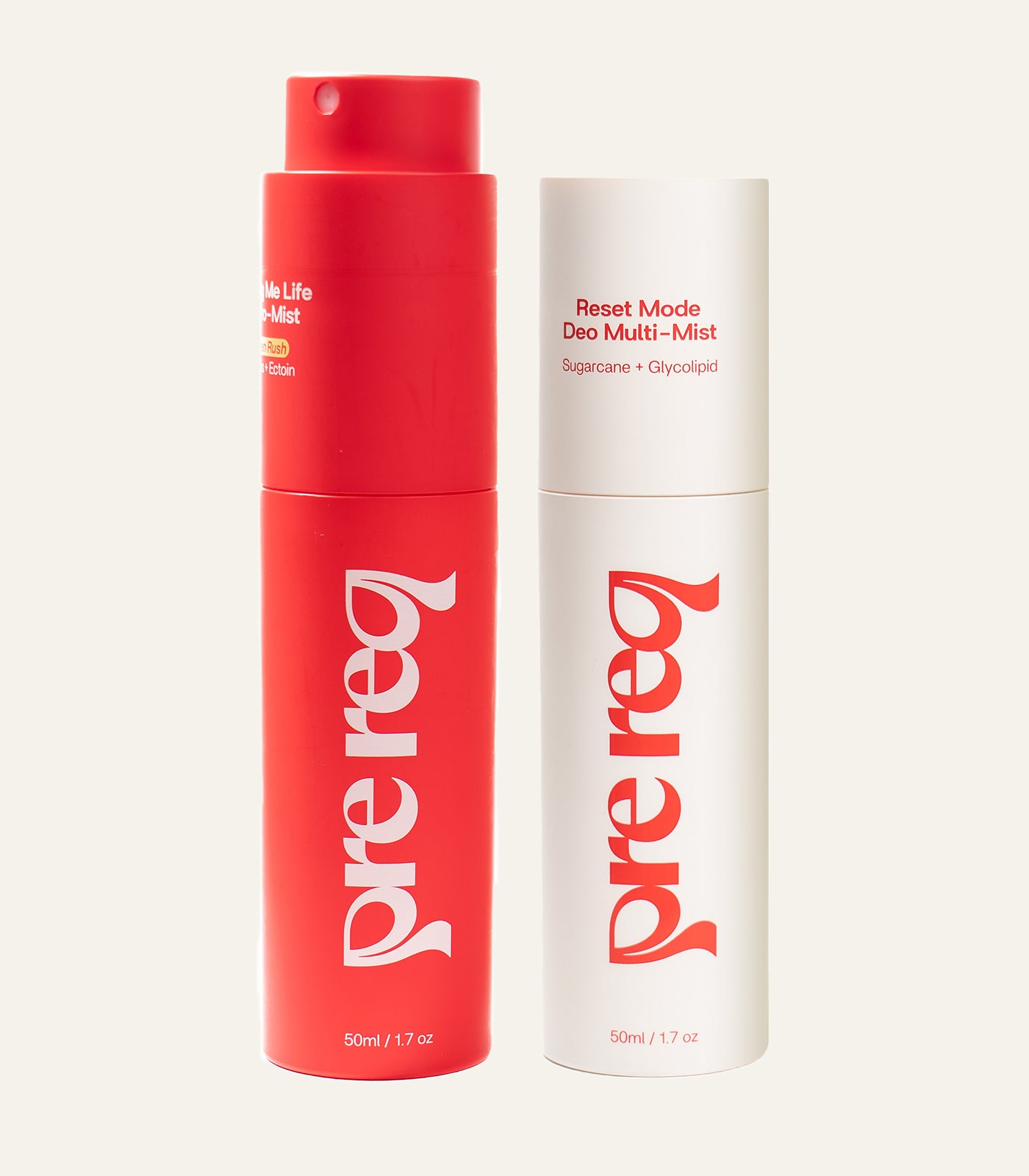
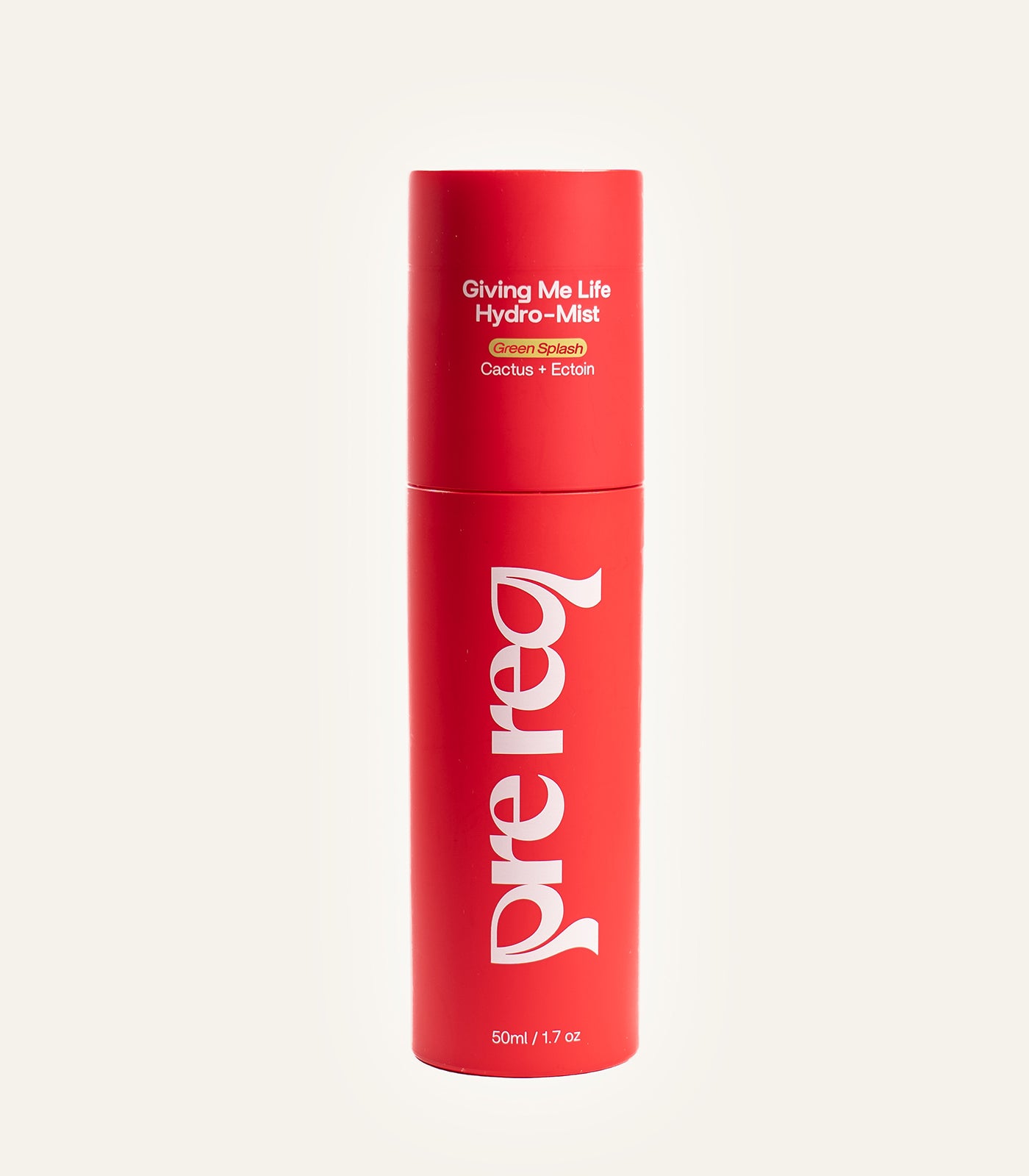
For daily hydration that won't clog pores, Giving Me Life Hydro-Mist is formulated with Ectoin and cactus extract for oily and acne-prone skin, and it's non-comedogenic enough to use both as a moisturizer step and a midday refresh.
|
Look for |
Avoid |
|
Niacinamide (regulates oil, calms redness) |
Synthetic fragrance |
|
Hyaluronic acid (hydrates without clogging pores) |
Alcohol-based formulas |
|
Zinc oxide or titanium dioxide (mineral SPF) |
Heavy oils and butters |
|
Ceramides (supports the skin barrier) |
Daily exfoliating acids (glycolic, AHAs) |
|
Low-concentration salicylic acid, only if breakouts are frequent |
Benzoyl peroxide as a daily default |
Recommended Products for Tweens & Teens
Support healthy hygiene and skincare habits with gentle, age-appropriate essentials designed for pre-teens and teens.
How to Stop Your Face From Getting Oily During the School Day
Shine that builds up between classes is normal oil production, not a sign the morning routine failed, and a few simple habits can keep it in check.
-
Use blotting papers, the most effective fix for midday shine: Gently press, don't rub, against the shiniest areas for a few seconds to lift excess oil without disturbing skin underneath. Rubbing spreads oil and bacteria instead of removing it.
-
Avoid touching the face throughout the day: Hands transfer oil and bacteria that can clog pores.
-
Use a midday spritz of a lightweight hydrating mist: It sounds counterintuitive, but dehydrated skin often produces more oil to compensate, so a quick refresh can reduce shine rather than add to it.
-
Choose oil-free, non-comedogenic makeup if it's part of the routine: These formulas hold up better through the day than heavier products, which tend to slide and separate on oily skin by the afternoon.
-
Check any product added to a school-day bag against the same safety standard: All of Prereq's formulas are built around ingredient-safe formulations for developing skin, a useful benchmark for anything else going into the bag too.
Preventing Acne From Sweat After Gym Class
Sweat itself doesn't cause acne, but sweat that sits on skin, mixed with bacteria, oil, and (if worn) makeup, can clog pores on the chest and back as well as the face. Washing as soon as possible after sweating, ideally within 30 minutes, is worth the extra step; it keeps sweat, oil, and bacteria from sitting on skin long enough to clog pores. Face wipes are a fine backup when a sink isn't available right away, but they shouldn't replace a real cleanse; choose a fragrance-free, alcohol-free wipe and follow up with a full cleanser once possible.
Sports gear is a common, often-overlooked cause of breakouts too. Helmets, headbands, and chin straps trap sweat and friction right against the forehead and jawline, which is why forehead acne shows up so often in athletes. Rinsing gear regularly and cleansing skin right after taking it off helps prevent this, and it's the same reasoning behind deodorants built specifically for acne-prone, sweat-heavy skin: non-comedogenic formulas matter just as much on sweaty, gear-covered skin as they do on a clean face.
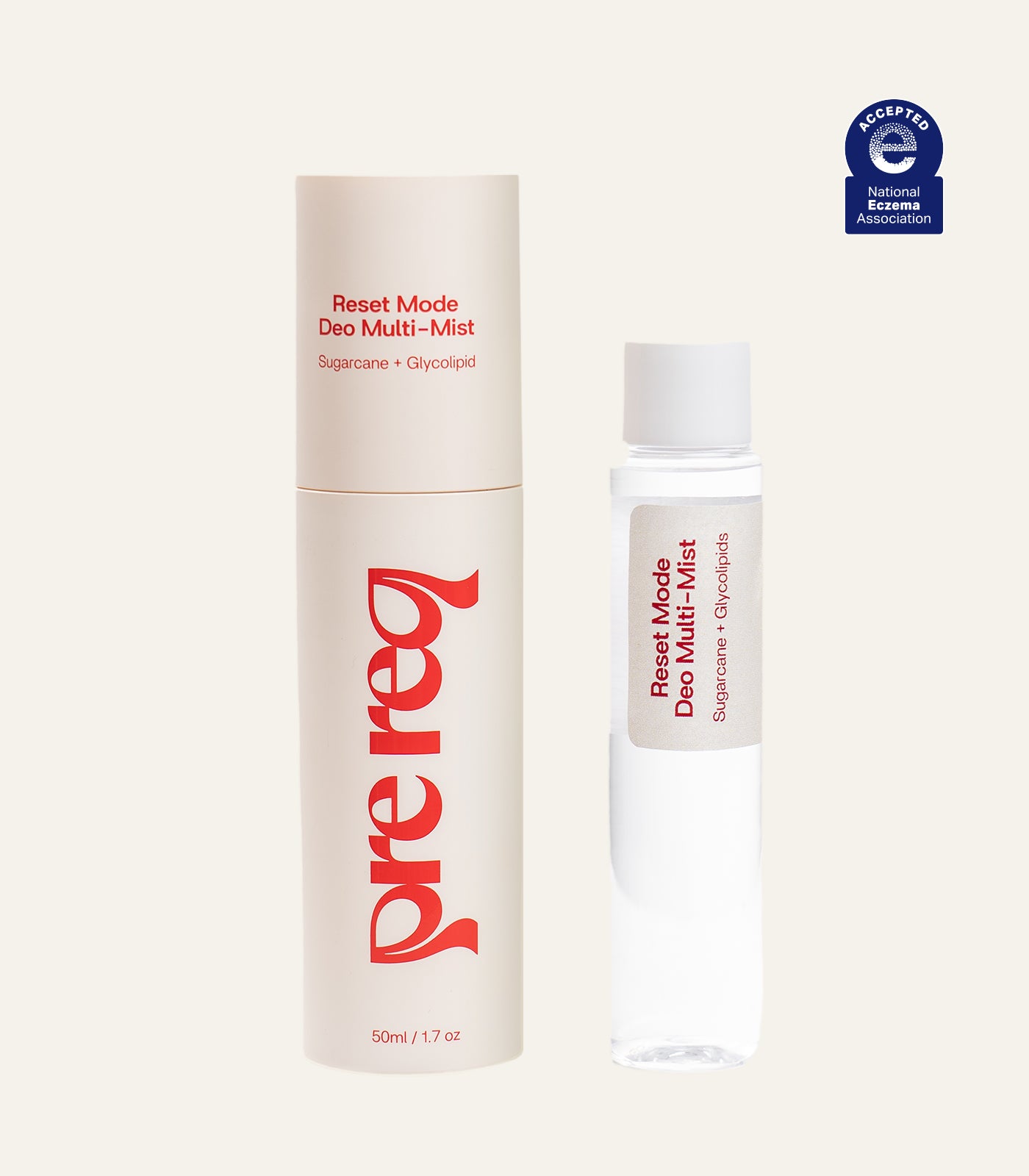
Reapplying sunscreen after sweating matters too, since sweat and toweling off can wear away SPF coverage during outdoor practice or games. Body odor is a separate issue from acne, but it often gets addressed in the same post-practice routine; for the sweat and odor side specifically, Reset Mode Deo Multi-Mist uses sugarcane fermentation to target odor-causing bacteria without aluminum, so it won't add pore-clogging residue to already sweaty skin.
An oily skin routine for teens works best when it stays simple and consistent. Using a gentle cleanser, a lightweight moisturizer, and daily sunscreen helps control excess oil without drying out the skin. Teens should avoid harsh products or washing their face too often, as this can lead to even more oil production. A balanced routine followed every day is the best way to reduce shine and support healthier-looking skin.
Common Mistakes That Make Oily Skin Worse
A few common habits can undo an otherwise good routine and make oiliness harder to control.
-
Over-cleansing. Washing more than twice a day strips natural oils, which signals the skin to produce more.
-
Skipping moisturizer. Dehydrated skin overproduces oil to compensate; this is one of the most common reasons an oily-skin routine stalls.
-
Mixing acne treatments. Combining exfoliating acids, benzoyl peroxide, and retinol-adjacent products at once can irritate a still-developing skin barrier and trigger a rebound in oil rather than clearing it faster.
-
Copying elaborate multi-step routines. Double cleansing, multiple toners, and daily sheet masks, borrowed from adult K-beauty trends, aren't necessary for teen skin and often introduce more actives than a developing barrier can handle. More steps don't mean better results.
-
Touching or picking at breakouts. This spreads bacteria and is one of the most common causes of scarring.
When to See a Dermatologist
Most oily skin and occasional breakouts respond to a consistent, gentle routine within a few weeks. It's worth seeing a dermatologist if acne is painful, cystic, or not improving after a consistent routine, or if it's affecting a teen's confidence day to day. As Dr. Tiffany Libby, board-certified dermatologist and Prereq Care's Strategic Advisor, put it:
"The products are built around supporting the skin barrier first, with carefully selected ingredients that each serve a clear purpose. By keeping formulas gentle, effective, and microbiome-supporting, I can feel confident recommending them for teens and pre-teens."
Picking the right products matters just as much as the routine itself. A complete teen skincare lineup covering hydration, SPF, and breakout care rounds out the four steps above, and for teens whose oiliness comes with body odor concerns too, matching a deodorant format to sensitive, oily, or active skin type is worth checking alongside the skincare side.
Frequently Asked Questions
How many times a day should a teenager wash their face?
Once a day in the evening is enough for most teens. Twice daily only if skin is consistently oily or after heavy sweating.
Does oily skin need moisturizer?
Yes, every skin type needs moisture, including oily skin. Skipping it causes oil glands to overproduce to compensate.
Is gel moisturizer better for oily skin?
Gel-based, water-based formulas absorb faster and feel lighter than creams, making them a good fit for oily and combination skin.
Do teens need to exfoliate for oily skin?
No, most teens don't need added exfoliation. Natural skin cell turnover is already faster at this age, and daily acids or scrubs tend to irritate a developing barrier.
Do teens need toner for oily skin?
No, toner isn't necessary. A gentle cleanser followed by a lightweight moisturizer does the same job without the risk of over-drying.
Do pimple patches work for oily skin?
Yes, hydrocolloid patches absorb fluid from an active blemish and create a barrier that discourages picking, which works well regardless of skin type.
Are blotting papers bad for your skin?
No, blotting papers are safe and effective when pressed gently against skin rather than rubbed across it.
The Best Oily Skin Routine for Teens: Keep It Simple
The most effective oily skin skincare routine for teens isn't the one with the most steps, it's the one that's actually followed every day. A gentle cleanser, real hydration, daily SPF, and a light touch with actives handle the vast majority of oiliness and breakouts without the irritation that comes from adult skincare trends borrowed too early.
Skip the ten-step routines, the daily acids, and the harsh spot treatments made for adult skin. Teen skin needs support, not a fight against its own oil production, and a simple routine kept up consistently will outperform an elaborate one used on and off.
Ready to build a routine your teen will actually stick with? Shop the full Prereq collection for gentle, dermatologist-vetted picks made specifically for oily and acne-prone teen skin.
This article is for informational purposes only and isn't a substitute for medical advice. If your teen has persistent acne or skin irritation, a pediatrician or dermatologist is the right next step.

