


Most kids don't need a face mist as a daily step. A gentle cleanser, a moisturizer, and sunscreen cover the basics for tween skin. A mist is a helpful extra in specific moments, like after sports, in heat, or in dry air. This guide explains who benefits, how a mist compares to a moisturizer, and when it's better to skip it.
What Is a Face Mist and What Does It Do
A face mist is a light spray of water-based hydration that refreshes skin and leaves a cool feeling as it evaporates. Many mists also contain ingredients like glycerin or hyaluronic acid that help skin hold on to some moisture. A mist gives a quick top-up, but it doesn't seal moisture in on its own. That's why it works best as a boost between moisturizer applications, not as a replacement for one.
Do Kids Need a Face Mist?
Kids don't need a face mist as a required step. A child who uses a gentle cleanser, a lightweight moisturizer, and daily sunscreen already has the foundation. Starting from zero, a child only needs a few products, which is why the best skin care products for kids tend to be simple, fragrance-free basics. A mist makes the most sense as an extra for particular days and situations.
Who Benefits Most From a Face Mist
A mist helps most in a few specific situations.
Kids Who Play Sports or Have PE
After practice or PE class, skin can feel warm, sweaty, and tight. A light mist cools the face and adds a quick dose of moisture before the next part of the day. Keeping a small bottle in the gym bag makes this easy, and it's one simple step in a plan to stay fresh after gym class.
Prereq's hydrating mist for teens and pre-teens is designed for these in-between moments, since it's meant to refresh both face and body.
Kids in Hot, Humid, or Dry Weather
Heat and sweat can leave skin feeling overheated. Dry indoor air, especially in winter with heaters running, can make skin feel tight by the end of the school day. A mist offers a quick refresh in these conditions. For very dry skin, pair the mist with a moisturizer, since a mist alone may not be enough.
Kids With Oily or Shiny Skin
Oily skin often does well with a lightweight mist, which adds hydration without heaviness. Choose a light formula that doesn't leave skin feeling stripped. Heavy, drying formulas aren't a good fit for skin that already makes plenty of oil.
Face Mist vs. Moisturizer: What Is the Difference
A moisturizer seals in hydration and supports the skin barrier. A mist refreshes skin in between. The two do different jobs.
|
Face mist |
Moisturizer |
|
|
Main job |
Quick refresh and surface hydration |
Holds moisture in and supports the skin barrier |
|
Texture |
Light spray, no rubbing needed |
Lotion or cream, massaged in |
|
When to use |
Any time skin feels dry, hot, or tight |
Morning and night, after cleansing |
|
Role in routine |
Optional boost |
Essential daily step |
When a Face Mist Can Dry Skin or Should Be Skipped
A mist that's only water can evaporate and leave skin feeling slightly tighter than before. Always follow a mist with a moisturizer, especially in dry air.
Skip the mist if skin is red, stinging, or already irritated. If a child has a skin condition such as eczema, check with a doctor before adding a new product. Many parents also wonder whether tweens need a toner, and a skincare routine for 12-year-olds typically keeps the steps to cleanser, moisturizer, and sunscreen.
What to Look for in a Kids Face Mist
Check these points on the label before buying a mist for a child.
-
Fragrance-free or only lightly scented, since fragrance is a common irritant for young skin
-
A short ingredient list with hydrating ingredients such as glycerin or hyaluronic acid
-
No alcohol-heavy formulas, which can feel drying on sensitive skin
-
No "anti-aging," "brightening," or "firming" claims, which signal adult formulas
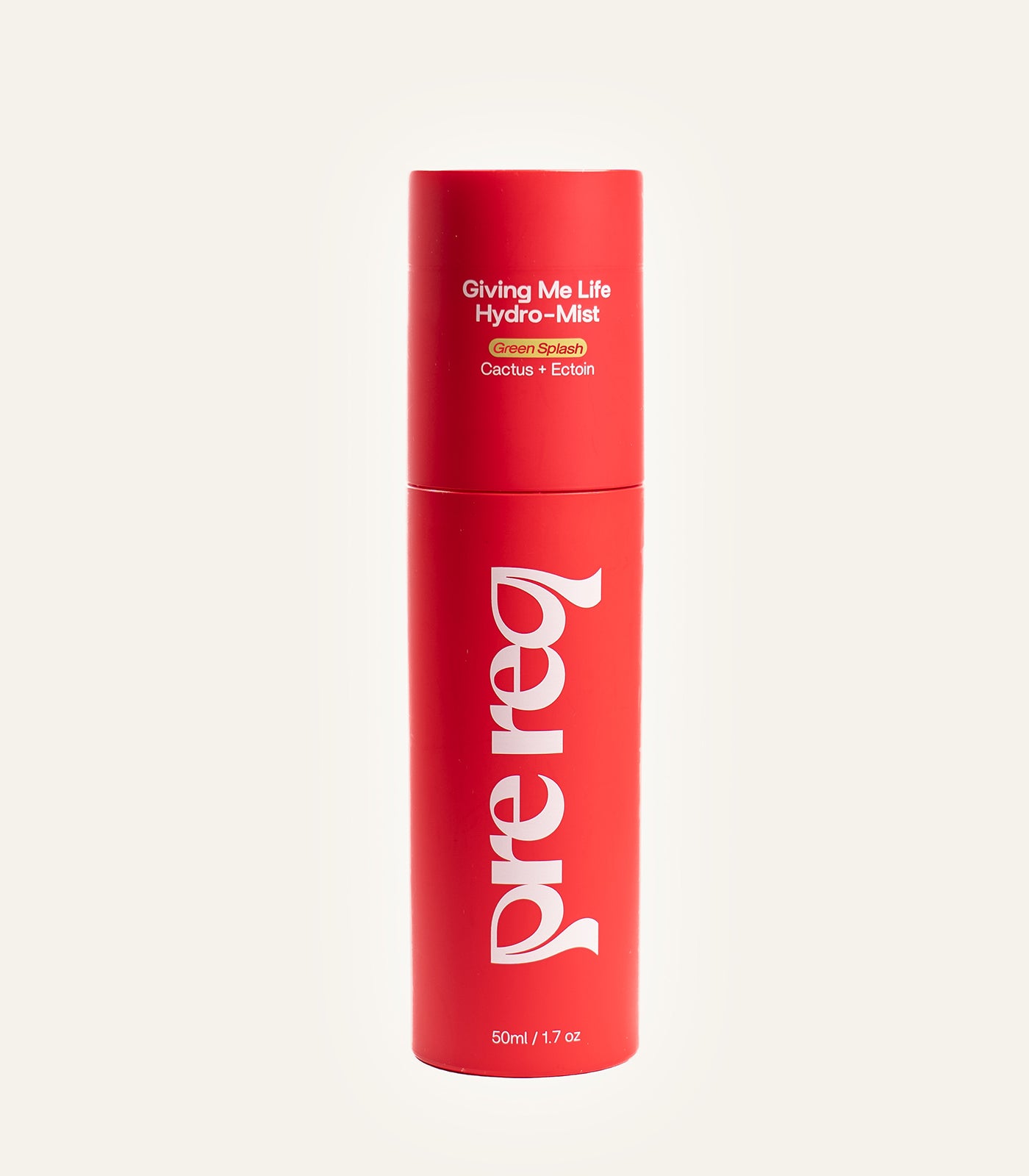
A short ingredient list is easier to check, and Giving Me Life Hydro-Mist is built around ectoin and calming cactus extract, which shows how a kids' mist can keep its list focused.
Recommended Products for Tweens & Teens
Support healthy hygiene and skincare habits with gentle, age-appropriate essentials designed for pre-teens and teens.
How to Use a Face Mist After Cleansing
A mist works best as part of a simple sequence.
-
Cleanse the face with a gentle cleanser and pat dry.
-
Close the eyes, hold the bottle about 20 to 30 cm from the face, and mist evenly.
-
Let the mist air-dry for a moment or gently pat it in.
-
Follow with a moisturizer to lock in hydration.
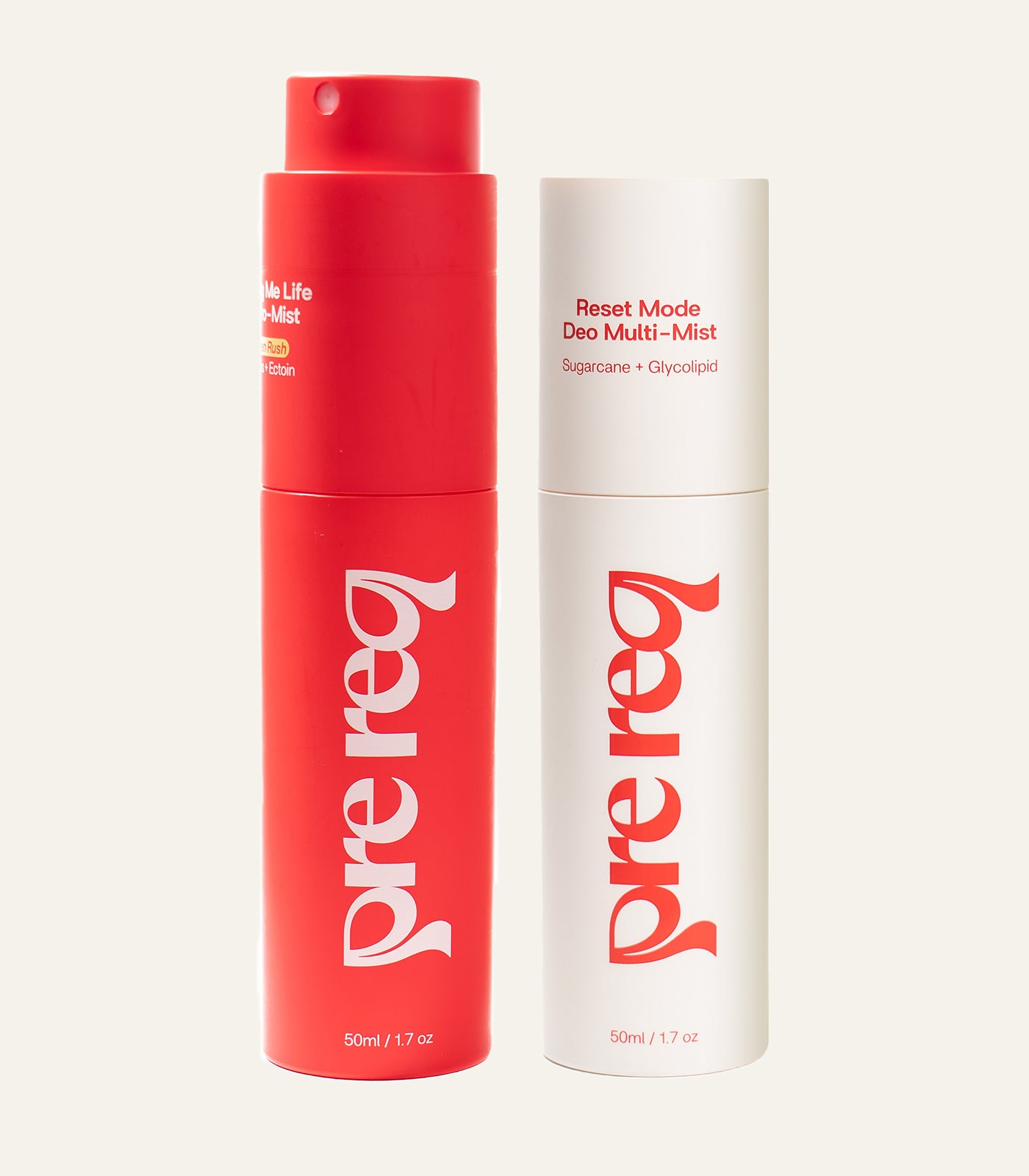
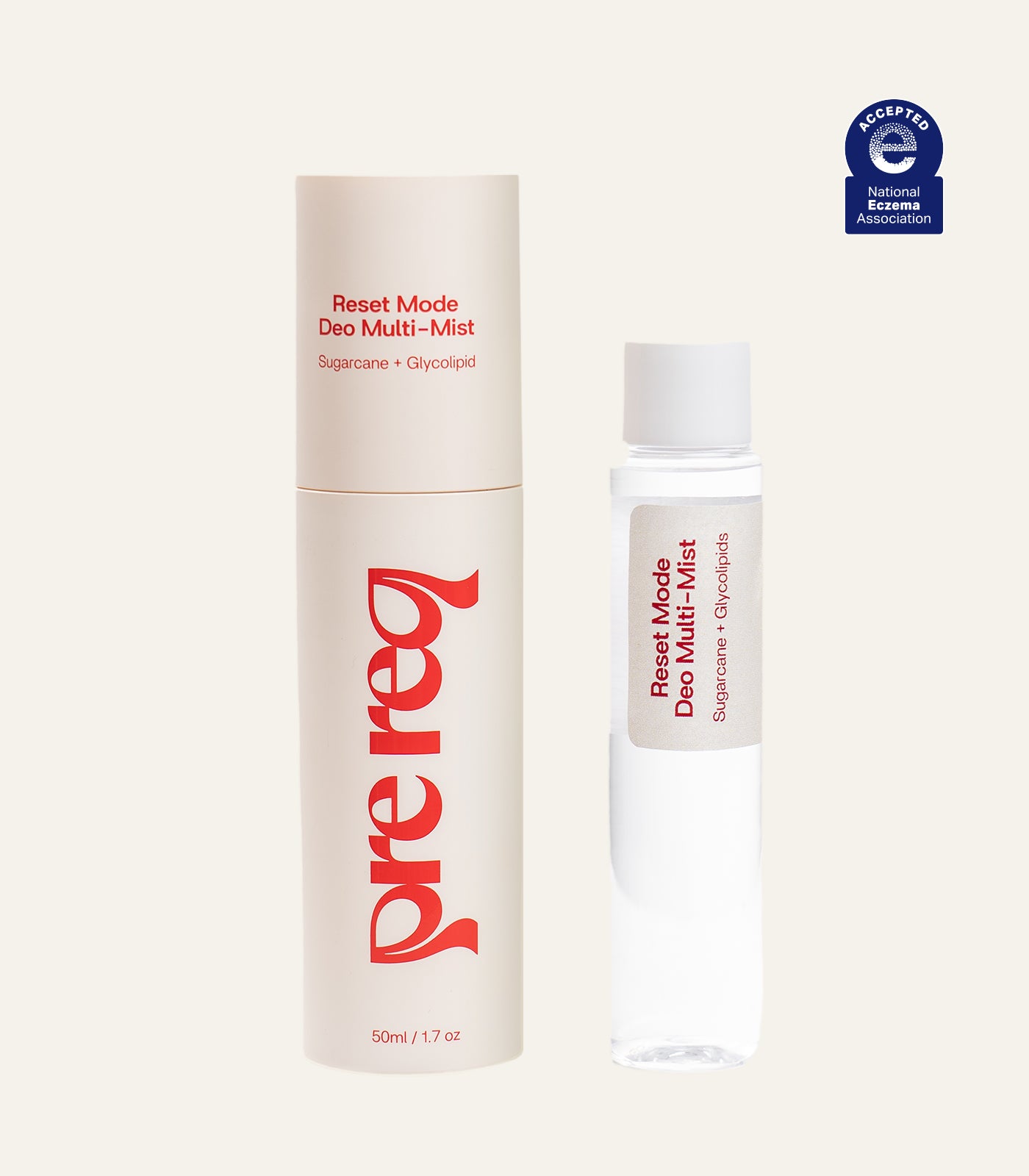
For underarms after sports, a face mist isn't the right product. A deodorizing mist like Reset Mode Deo Multi-Mist is built for that job.
Keep Skincare Simple and Skip the Mist When It Isn't Needed
A face mist is an optional extra that helps in specific moments, like after sports, in heat, or in dry air. It doesn't replace moisturizer for most kids. Keep the core routine of cleanser, moisturizer, and sunscreen consistent first, then add a mist if it fits your child's day. The Prereq Care collection is built around these same basics, so parents can find a gentle cleanser, moisturizer, and mist in one place.
Frequently Asked Questions
Is a face mist safe for kids with sensitive skin?
Usually, if it's fragrance-free and passes a patch test on the inner arm first. Stop using it if redness or stinging appears, and ask a doctor if your child has eczema.
How many times a day can a tween use a face mist?
One to three times a day is enough for most kids. Use it more often on hot days or after sports.
Can a tween spray a face mist over makeup?
Yes, a light mist can refresh makeup, though it may soften the look. Use a small amount.
Will a face mist help with breakouts?
No, a mist doesn't treat breakouts on its own. If breakouts are frequent, ask a doctor for guidance.
Can a face mist replace a moisturizer for my child?
No, a mist adds a quick refresh but doesn't seal in moisture the way a moisturizer does. Apply a moisturizer after the mist, especially in dry weather.
What should I do if my child's skin stings after using a face mist?
Rinse the face with lukewarm water and stop using that mist. If the stinging doesn't ease or a rash develops, see a doctor.
Recommended Products for Tweens & Teens
Support healthy hygiene and skincare habits with gentle, age-appropriate essentials designed for pre-teens and teens.

