


A body acne routine for tweens and teens uses four daily steps to clear back acne and chest acne. Shower within 30 minutes of sweating, cleanse with a body wash suited to their age, moisturize with a non-comedogenic formula, and protect the skin with a non-comedogenic SPF. Following these four steps clears most back and chest acne in tweens and teens within 8 to 10 weeks.
This guide covers what actually causes back acne and chest acne in tweens and teens, the exact routine to follow, how it should change by age, and when a breakout is something other than acne entirely.
What Causes Body Acne in Tweens and Teens?
Body acne in tweens and teens is caused by rising androgen hormones during puberty, which signal the sebaceous glands to produce more oil than the skin can process. This is the same process that causes facial acne. What's different about the back, chest, and shoulders is that this area carries one of the highest concentrations of oil glands on the body outside the face, so more oil glands mean more opportunities for a pore to clog once dead skin cells and bacteria get involved.
Two triggers make truncal acne (the clinical term for body acne on the trunk) more common than face-only breakouts during the tween and teen years:
-
Sweat: Sweat itself doesn't cause acne, but it mixes with oil and bacteria on the skin and, left to sit under tight clothing, creates the exact clogged-pore environment acne needs.
-
Friction and gear: Sports bras, backpack straps, tight athletic wear, and shoulder pads rub against skin that's already producing more oil, which can worsen breakouts along the back and shoulders specifically.
Managing oil production is the same underlying principle whether the breakouts are on the face or the body. If your tween is also dealing with a shinier T-zone, an oily skin routine for teens addresses the same root cause on the face side.
Body acne also runs slightly more common in boys than girls, largely due to higher androgen levels during puberty, though plenty of girls deal with it too. Parents can find a routine built around that higher oil output in the best skin care products for teenage boys.
Body Acne vs. Folliculitis: Is It Really Acne?
Not every bump on the back or chest is acne, and treating the wrong condition with acne products can make things worse. Here's how to tell them apart:
|
Condition |
What it looks like |
What causes it |
|
Body acne |
Whiteheads, blackheads, or red/inflamed bumps; not usually itchy |
Clogged pores from oil, dead skin cells, and bacteria |
|
Folliculitis |
Small, uniform red or pus-filled bumps around hair follicles; often itchy |
Irritated or infected hair follicles, frequently from friction, shaving, or bacteria |
|
Eczema/irritation |
Dry, rough, or scaly patches, sometimes with redness |
Skin barrier irritation, often from fragrance, friction, or harsh products |
If breakouts are itchy rather than tender, appear in uniform clusters, or don't respond to a standard acne routine after several weeks, it may not be acne at all. The next section covers one specific look-alike, fungal acne, in more detail.
Is Back or Chest Acne Normal for a 12, 13, or 14-Year-Old?
Yes. Body acne is a normal part of puberty at any point between ages 9 and 17, and there's no specific age where it's expected to start or stop. What matters more than the number is the timing of puberty itself; a 12-year-old who started puberty early and a 14-year-old who started later can both have their first breakouts at the same time. Body acne showing up before, during, or even after facial acne is also common; the two don't always track together.
The Body Acne Routine: 5 Steps That Actually Work

These five steps cover cleansing, hydration, protection, and the daily habits that make the biggest difference for back and chest acne.
1. Shower Right After Sweating
The single biggest factor in preventing new breakouts on the back and chest is how long sweat sits on the skin. Sweat combined with oil and bacteria under tight clothing is what clogs pores, so showering within 30 minutes of practice, a game, or gym class matters more than any product used afterward. If an immediate shower isn't possible, changing out of sweaty clothing and rinsing the area with water is a reasonable stopgap. This is also the natural point in the day to layer in deodorant if body odor has started. Our breakdown of when should kids start using deodorant covers how to tell if that stage has arrived.
2. Choose the Right Body Wash for Their Age
A body wash for back acne should be gentle enough for daily use without stripping the skin. For most tweens, a fragrance-free cleanser with calming ingredients like aloe vera is enough on its own.
Trunk skin tolerates slightly stronger ingredients better than facial skin, which is why low-strength salicylic acid or benzoyl peroxide body washes are sometimes recommended for older teens with persistent breakouts. For tweens 12 and under, check with a pediatrician or dermatologist before introducing benzoyl peroxide; younger skin's barrier is still developing and reacts more easily to drying actives.
3. Moisturize Without Clogging Pores
Skipping moisturizer because skin feels oily is one of the most common reasons chest and back acne doesn't clear up. Stripped, dehydrated skin often produces more oil to compensate, which can keep the breakout cycle going. A lightweight, non-comedogenic formula restores what cleansing removes without adding to pore congestion.
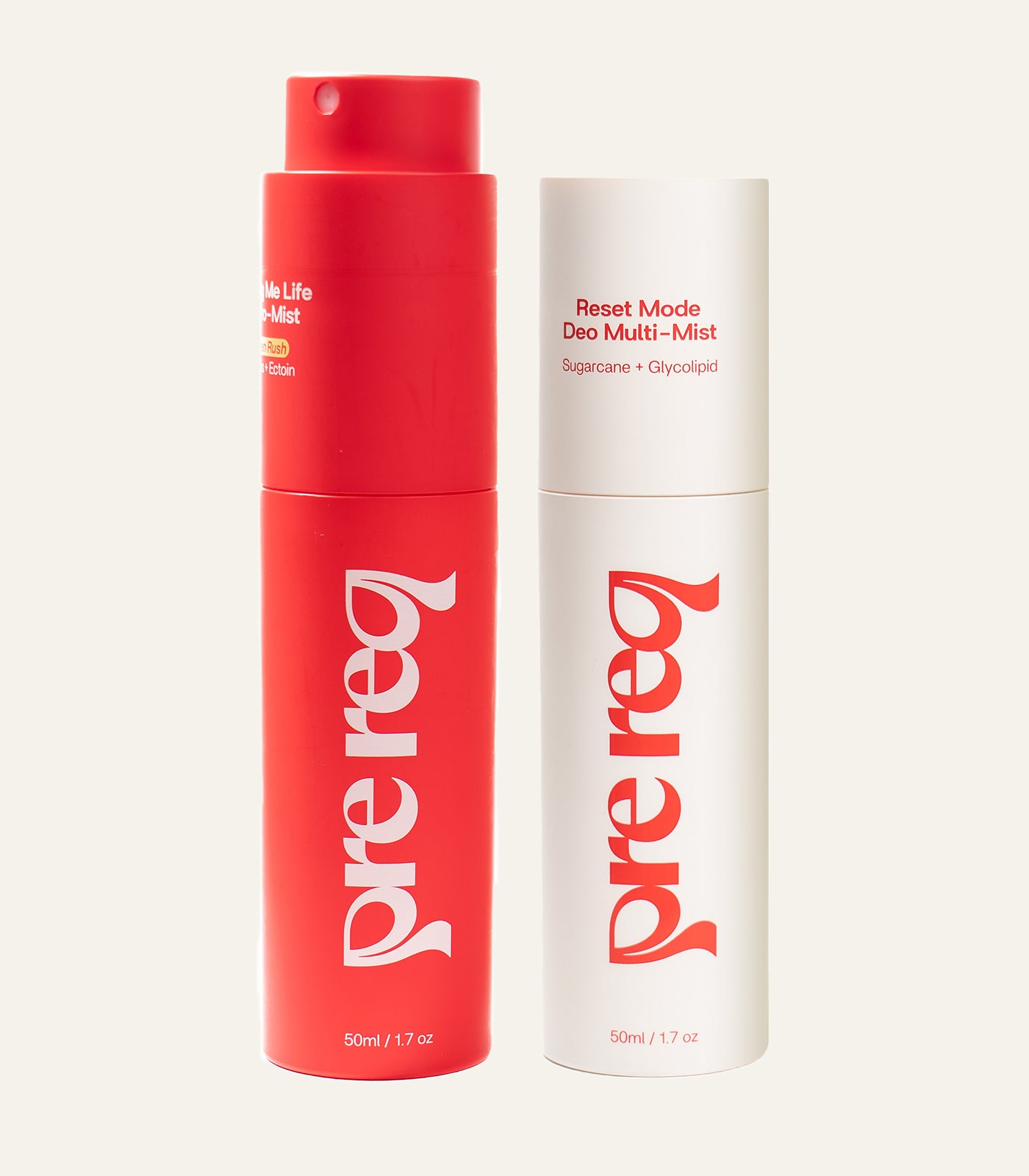
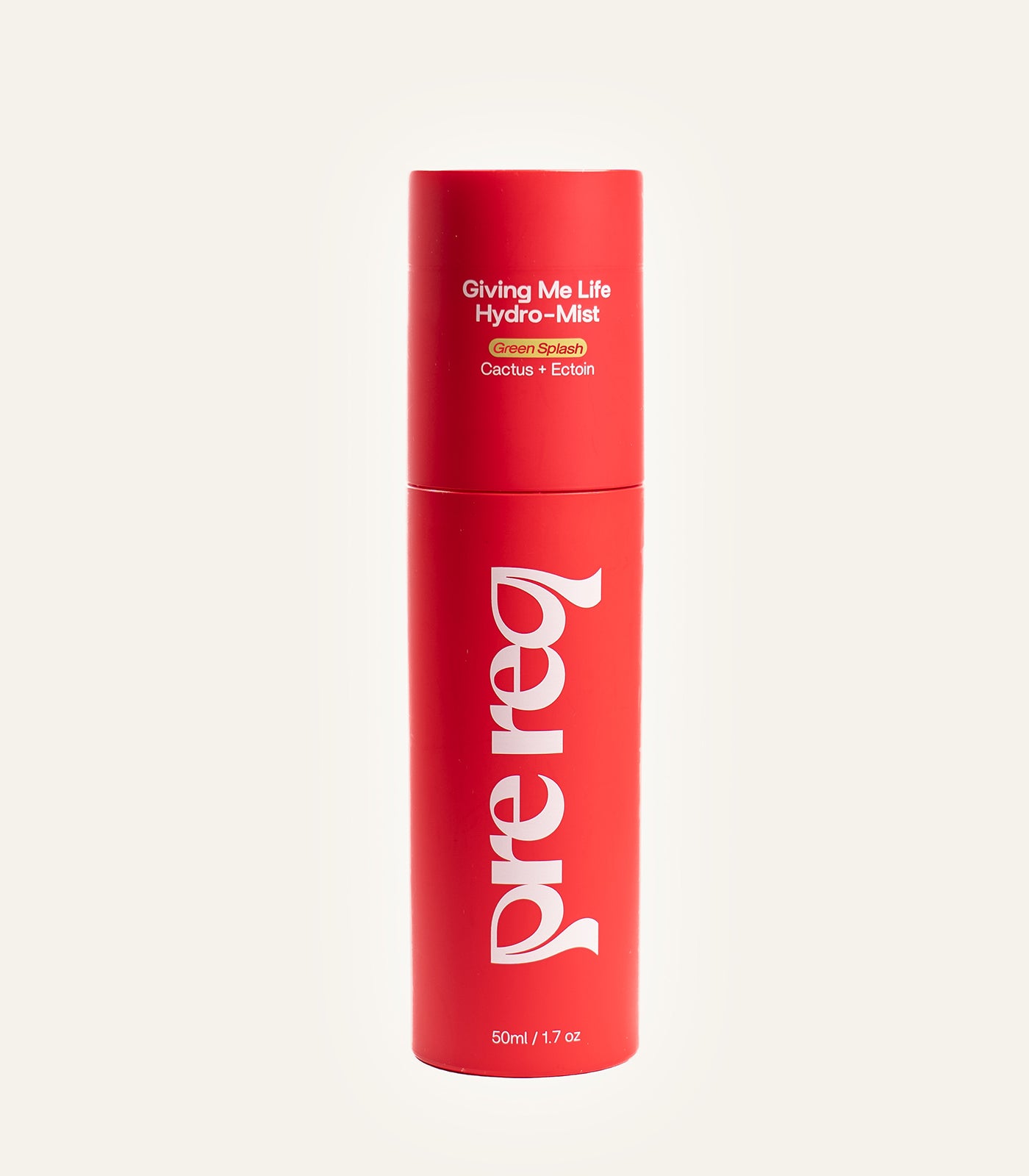
Giving Me Life Hydro-Mist is formulated for both face and body use and is labeled safe for acne-prone skin, which makes it a straightforward option for a post-shower hydration step on the chest and back, not just the face.
4. Protect with Non-Comedogenic SPF
Sun exposure doesn't cause acne, but it can darken the marks acne leaves behind and make them take longer to fade. A non-comedogenic sunscreen for chest acne, mineral, SPF 30 or higher, labeled non-comedogenic, protects any exposed skin on the chest and shoulders without adding to breakouts.
5. Dress and Sleep Smart
Fabric and fragrance matter more for body acne than most people expect. Breathable, loose-fitting clothing after a shower gives newly cleansed skin room to stay dry, and swapping to a fragrance-free laundry detergent removes a common irritant that can trigger breakouts along the back and shoulders. A synthetic fragrance flagged under "fragrance" on a detergent label works the same way it does on skincare labels. This ingredient-avoidance approach is the same one behind Prereq's Self Care 101 breakdown of what belongs in a tween's routine and what doesn't. Perfume or body spray applied directly to freshly cleansed skin can act as the same kind of irritant, so it's worth applying scent to clothing instead of skin during an active breakout.
Recommended Products for Tweens & Teens
Support healthy hygiene and skincare habits with gentle, age-appropriate essentials designed for pre-teens and teens.
Ingredients to Look For (and Avoid) in a Body Acne Routine
Knowing what's in a body wash or lotion matters more than the brand name on the bottle. A few ingredients consistently show up across dermatologist-recommended routines for tween and teen body acne:
|
Ingredient |
What it does |
Best for |
|---|---|---|
|
Salicylic acid (low %) |
Exfoliates inside the pore, clears blackheads and whiteheads |
Teens 13+ with persistent breakouts |
|
Benzoyl peroxide (low %) |
Kills acne-causing bacteria, reduces inflammation |
Teens 13+, with a doctor's input under 12 |
|
Niacinamide |
Calms redness, helps regulate oil without drying |
All ages |
|
Ceramides |
Repairs and strengthens the skin barrier |
All ages, especially after using an active |
|
Aloe vera |
Soothes irritation on freshly cleansed skin |
Tweens and sensitive skin |
|
Zinc oxide |
Mineral SPF protection that won't clog pores |
All ages |
Worth skipping for this age group: synthetic fragrance, harsh sulfates, and anything marketed as "anti-aging" or "firming", labels that signal actives built for adult skin concerns, not the oil regulation and barrier support a developing tween or teen actually needs.
When a gentle body acne routine isn't enough to control persistent breakouts, a structured teen body acne treatment plan can help you decide when to introduce active ingredients like salicylic acid or benzoyl peroxide based on age and skin needs.
How to Treat Hard-to-Reach Spots on the Back
Back acne comes with a practical problem face acne doesn't: reaching it. A few workarounds make this easier without needing help every time:
-
Spray formats (like a body wash applied with a puff on a long handle, or a spray-on treatment) reach the mid and lower back without contorting
-
A long-handled applicator or lotion wand, sold for sunscreen application, works just as well for spot treatments
-
A quick assist from a parent or sibling for the areas that are genuinely out of reach, framed as no different from applying sunscreen
Body Acne Routine by Age: 12, 13, and 14+
|
Age |
What's typical |
Routine adjustment |
|
12 and under |
First breakouts, usually mild; skin barrier still developing |
Gentle, fragrance-free cleanser + moisturizer + SPF; avoid benzoyl peroxide/salicylic acid without a doctor's input |
|
13–14 |
More frequent breakouts as puberty progresses; skin better tolerates mild actives |
Low-strength (2–5%) salicylic acid or benzoyl peroxide body wash 2–3x per week if breakouts persist, alongside the basic routine |
|
15+ |
Breakouts can range from occasional to persistent |
Same routine, with a dermatologist consult if over-the-counter options plateau after 8–10 weeks |
A body acne routine for a 12-year-old should stay in the gentle-only lane. For the full picture of what's appropriate at this age, beyond just acne, our skincare routine for 12-year-olds covers what's too much and what's genuinely safe. Since girls tend to start puberty earlier than boys, parents building out a full routine at this age may also find the best skin care products for 12-year-old girls useful. A body acne routine for a 14-year-old has more room for a mild active ingredient if the basics alone aren't enough. Either way, consistency for at least 8–10 weeks matters more than product strength. Acne treatments work on breakouts that haven't formed yet, so results take time to show.
What Makes Body Acne Worse
A few habits commonly undo an otherwise solid routine:
-
Washing more than once a day: Over-cleansing strips natural oils, which can trigger the skin to produce even more oil in response.
-
Loofahs, scrub brushes, or rough washcloths: These physically irritate already-inflamed skin and can spread bacteria across a larger area.
-
Popping or picking: This is the single fastest way to turn a manageable breakout into a scar.
-
Leaving in sweaty gear after practice: Shoulder pads, sports bras, and tight uniforms trap sweat against the skin for hours if not changed promptly.
-
Skipping the post-workout shower: Sweat's effect on pores is cumulative; one missed shower matters less than a pattern of them.
Fungal Acne on the Body: When It's Not Really Acne
Fungal acne (the common name for a condition called malassezia folliculitis) is one of the most frequently missed look-alikes on the chest and back. Unlike typical acne, it tends to show up as small, uniform, itchy bumps rather than the mixed sizes of whiteheads, blackheads, and inflamed pimples that regular acne produces. It's caused by an overgrowth of yeast that naturally lives on everyone's skin, and it thrives in the same warm, sweaty, occluded conditions regular body acne does, which is exactly why the two get confused.
A few things worth knowing:
-
Standard acne treatments often don't help fungal acne, and heavy, oil-based moisturizers can make it worse by feeding the yeast.
-
Diet, including sugar intake, isn't considered a primary driver of fungal acne; heat, sweat, and occlusive products are the more direct triggers.
-
An anti-dandruff shampoo used occasionally as a body wash (look for zinc pyrithione or selenium sulfide on the label) is a common first step dermatologists suggest, since these ingredients target the same yeast.
-
If itchy, uniform bumps don't improve after switching approaches, it's worth a visit to a dermatologist to confirm what's actually being treated.
Fading Body Acne Marks and Scars
The red or brown marks left behind after a pimple heals (post-inflammatory marks) are not the same as true scarring, and they fade on their own over time, faster with consistent SPF, since UV exposure darkens them further. Patience is the biggest factor here; these marks can take several months to fully fade.
True scarring, indentations, or pitting in the skin is different and generally needs a dermatologist's input rather than at-home treatment. Procedures sometimes mentioned online for back acne scars, like chemical peels or microneedling, are clinical treatments that should be evaluated and performed by a professional, not attempted as a DIY step for a tween or teen.
When to See a Dermatologist for Body Acne
Most body acne responds to a consistent basic routine within 8–10 weeks. It's time to loop in a dermatologist if:
-
Breakouts include large, painful nodules or cysts
-
Scarring is starting to appear
-
Acne is spreading rather than improving after two to three months of consistent care
-
The breakouts are affecting your child's confidence or willingness to participate in sports or social activities
Building a Body Acne Routine Your Tween or Teen Will Actually Follow
Body acne needs a different approach than facial acne, different skin thickness, different triggers, and harder to reach, which is why this is a dedicated routine rather than folded into the best skincare for acne-prone teen skin. Body acne is also just one of several skin changes that show up during these years, alongside oily skin, eczema flare-ups, and body odor; common teen skin problems and solutions cover the fuller picture.
As Dr. Tiffany Libby, board-certified dermatologist and Prereq's Strategic Advisor, puts it:
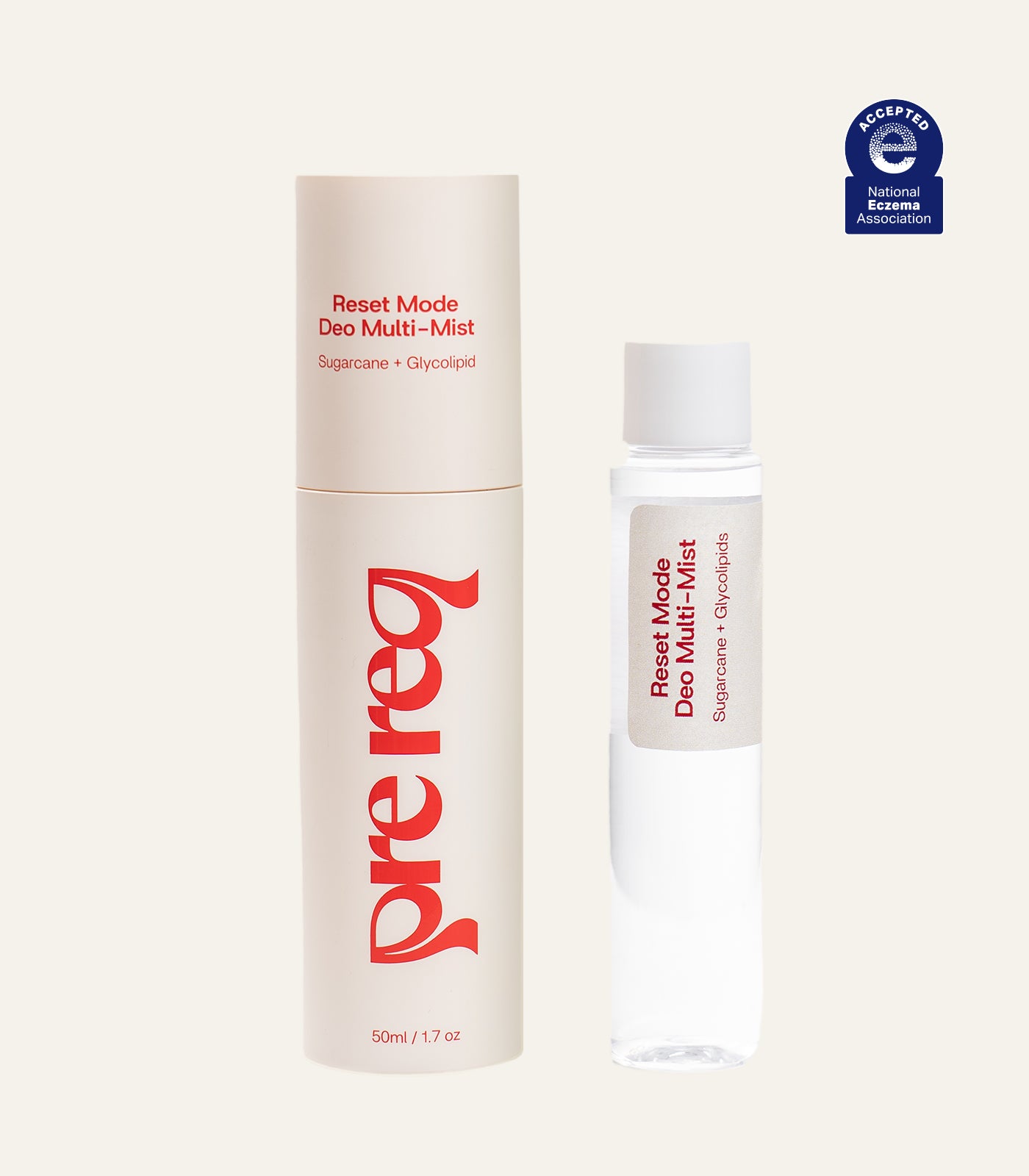
"These two products are really all kids need for easy self-care. Use the Reset Mode and Giving Me Life mists together to refresh after sweat, reduce redness, and support the microbiome. It's a simple, effective routine that is both dermatologist-approved and mom-approved."
Frequently Asked Questions
How do you get rid of body acne on your chest and back?
Shower within 30 minutes of sweating, cleanse with an age-appropriate body wash, and follow with a non-comedogenic moisturizer and SPF. Consistency over 8–10 weeks matters more than any single product.
Is back acne normal for a 14-year-old?
Yes. Body acne is common at any point during puberty, and 14 is well within the typical range for both first breakouts and ongoing ones.
How do you get rid of chest acne during puberty?
The same four-step routine used for the back works for the chest: shower after sweating, cleanse gently, moisturize with a non-comedogenic formula, and protect exposed skin with SPF.
How can a 14-year-old get rid of acne?
A consistent basic routine clears most cases within 8–10 weeks. If breakouts are frequent, a low-strength salicylic acid or benzoyl peroxide body wash, a few times a week, can help alongside the basics.
How do I help my 14-year-old with acne?
Start with the basics: shower after sweating, a gentle body wash, non-comedogenic moisturizer, and SPF, and give it 8–10 weeks before judging results. Offering to help reach the back is often more useful than another product.
How do you get rid of body acne as a 12-year-old?
Stick to a gentle, fragrance-free cleanser, moisturizer, and SPF, and check with a doctor before adding benzoyl peroxide or salicylic acid at this age.
What is a good acne routine for a 12-year-old?
Gentle cleanser, non-comedogenic moisturizer, and mineral SPF, used consistently every day. That's the full routine at this age for most kids.
How do you clear up teen body acne long-term?
Long-term clearing comes from consistency, not intensity; the same simple routine kept up daily works better than switching products or adding stronger actives every few weeks.
Body Acne Routine Recap for Tweens and Teens
Back and chest acne isn't a sign your tween or teen is doing anything wrong. It's one of the most predictable parts of puberty, and a basic routine clears most cases within a couple of months: shower after sweating, gentle cleanse, non-comedogenic moisturizer, and SPF. The same four steps work whether your child is 9 or 16, just adjusted slightly for skin maturity. Prereq's Daily Duo bundles the Hydro-Mist with the Reset Mode Deo Multi-Mist, a simple two-step self-care habit that covers hydration and odor control in one fragrance-free routine.
This article is for informational purposes only and isn't a substitute for medical advice. If your tween or teen has persistent body acne or skin irritation, a pediatrician or dermatologist is the right next step.

