


Teen body acne treatment is four consistent daily steps, cleanse, treat, moisturize, and protect with SPF, not a ten-product regimen or harsh actives. Most teens see visible improvement within 8 to 10 weeks of sticking with the basics.
The reason it needs its own approach comes down to where it shows up. Body acne appears on the back, chest, and shoulders for the same hormonal reasons it shows up on the face, but the terrain is different, tighter clothing, more friction, and skin that's harder to reach.
This guide covers what's actually causing it, the routine that clears it, which ingredients matter, and how treatment should shift as a teen gets older.
Why Do Teens Get Body Acne?
Teen body acne starts with androgen hormones, which surge during puberty and signal the sebaceous glands to produce more oil than the skin can process. The back, chest, and shoulders carry a high concentration of oil glands, second only to the face, so excess sebum has plenty of opportunity to mix with dead skin cells and bacteria and clog a pore.
Body acne also runs somewhat more common in boys than girls, largely due to higher average androgen levels, and sports gear adds another layer most routines overlook, helmets, shoulder pads, and shared equipment trap heat and friction against skin that's already producing more oil. That's why the best skin care products for teenage boys lean toward non-comedogenic formulas built to hold up through sweat and gear.
Back, Chest, Shoulder, and Arm Acne: Is It All Treated the Same Way?
Body acne isn't limited to one area, and each location has a slightly different trigger to watch for.
|
Area |
Common trigger |
Treatment note |
|
Back acne |
Sweat trapped under clothing, backpack straps |
Same routine as chest, plus a long-handled applicator for reach |
|
Chest acne |
Tight sports bras, synthetic fabric |
Loose, breathable fabric post-shower matters as much as product |
|
Shoulder acne |
Helmet straps, shoulder pads, gym equipment, and friction |
Rinse gear regularly; treat like back acne |
|
Arm acne |
Often, folliculitis, not true acne, from tight sleeves or loofahs |
Confirm it's acne before starting an acne treatment |
The Teen Body Acne Treatment Routine
A basic routine handles the majority of body acne cases without prescription-strength products.
Shower within 30 minutes of sweating
Sweat itself doesn't cause acne, but sweat sitting under tight clothing mixes with oil and bacteria to clog pores. This is also the point in the day when body odor tends to show up, so many parents start figuring out when kids should start using deodorant around the same stage as the acne conversation.
Cleanse with a fragrance-free body wash
Once daily is enough for most teens. Washing more often strips natural oils and can trigger the skin to produce even more oil in response.
Add a targeted treatment only if breakouts persist
Low-strength salicylic acid or benzoyl peroxide washes can help, starting at the lowest available strength (2 to 5%) rather than a high-strength wash, and used 2 to 3 times a week alongside the daily basics.
Moisturize with a non-comedogenic formula
Skipping this step is one of the most common reasons body acne doesn't clear; dehydrated skin often overproduces oil to compensate.
Protect exposed skin with a non-comedogenic SPF
Sun exposure won't cause new acne, but it can darken the marks left behind and slow how quickly they fade.
The same hormones driving body acne also affect the face, where teens use an oily skin routine for teens to manage shine and clogged pores.
Best Ingredients for Treating Teen Body Acne
Knowing what's actually in a body wash or lotion matters more than the brand name on the label.
|
Ingredient |
What it does |
Best for |
|
Salicylic acid (low %) |
Exfoliates inside the pore, clears blackheads and whiteheads |
Teens 13+ with persistent breakouts |
|
Benzoyl peroxide (low %) |
Kills acne-causing bacteria, reduces inflammation |
Teens 13+, with a doctor's input under 12 |
|
Niacinamide |
Calms redness, helps regulate oil without drying |
All ages |
|
Ceramides |
Repairs and strengthens the skin barrier |
All ages, especially alongside an active |
|
Zinc oxide |
Mineral SPF protection that won't clog pores |
All ages |
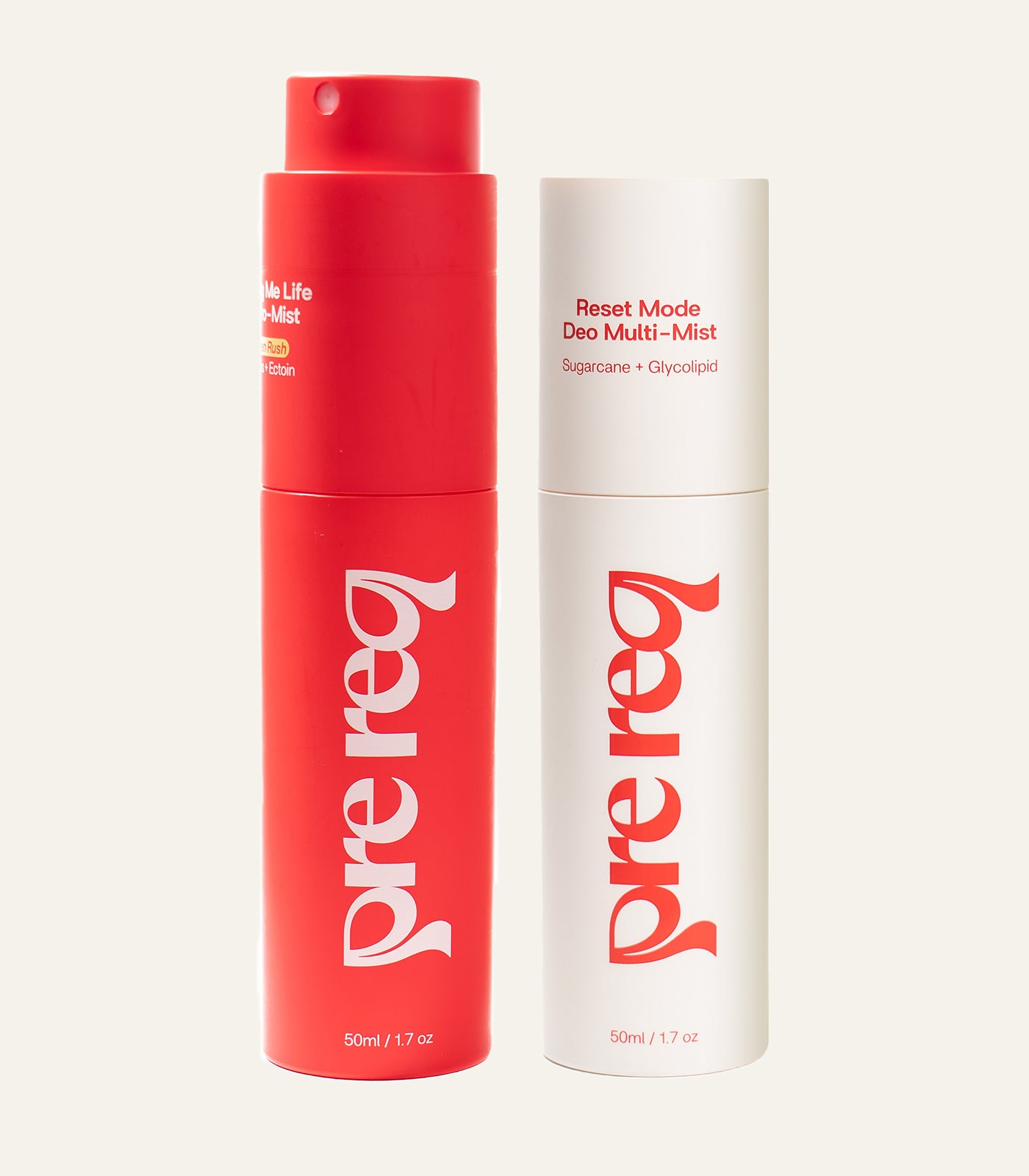
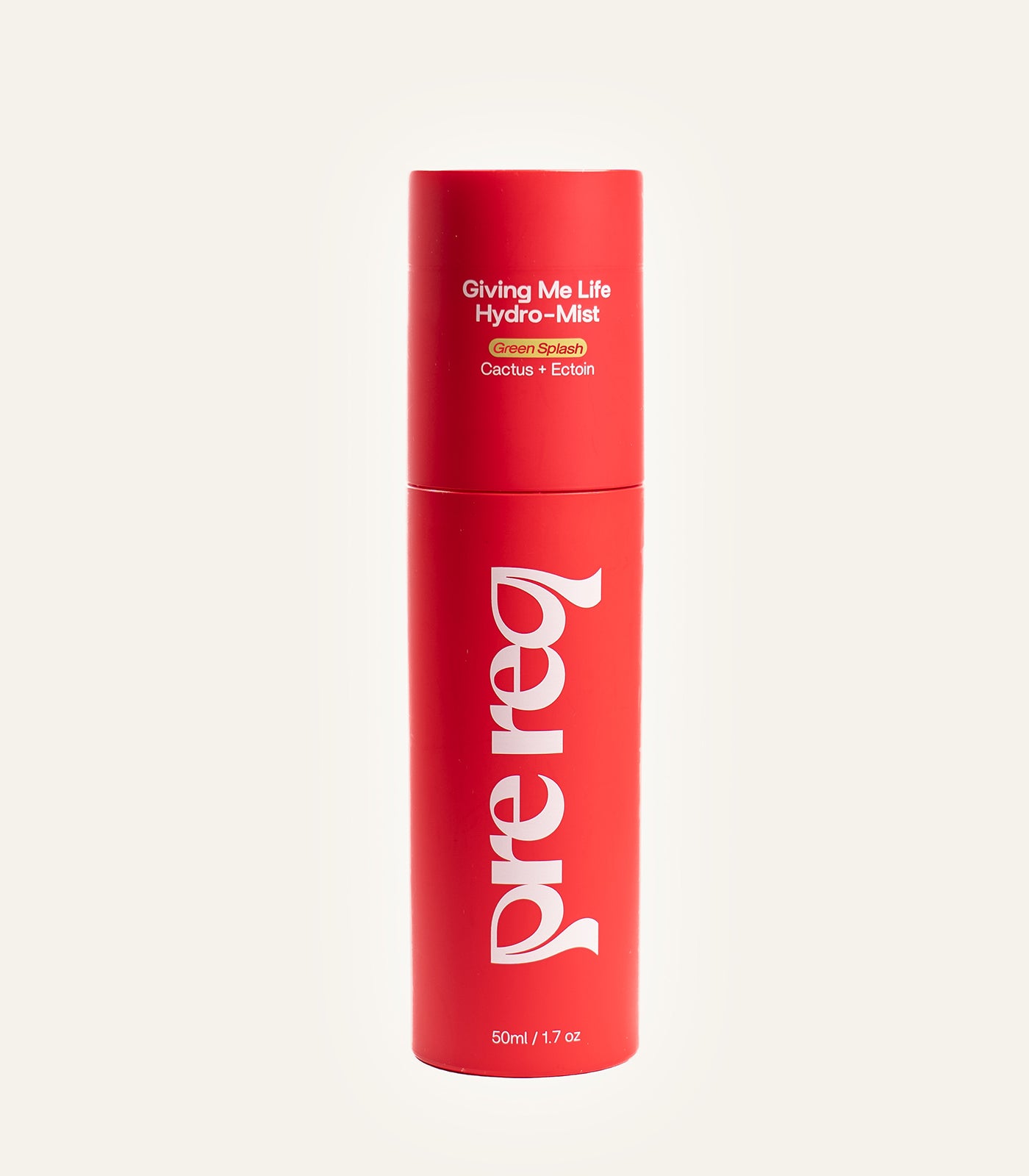
These same ingredients work for facial breakouts too, just at gentler strengths, which is the basis of a skincare routine for acne-prone teen skin. For hydration, Giving Me Life Hydro-Mist works on both face and body and is safe for acne-prone skin, so it's an easy step to add right after a shower.
Recommended Products for Tweens & Teens
Support healthy hygiene and skincare habits with gentle, age-appropriate essentials designed for pre-teens and teens.
How Teen Body Acne Treatment Changes by Age
|
Age |
What's typical |
Treatment adjustment |
|
12 and under |
First breakouts are usually mild |
Gentle cleanser, moisturizer, SPF only; check with a doctor before adding actives |
|
13–14 |
More frequent breakouts as puberty progresses |
Low-strength salicylic acid or benzoyl peroxide wash 2–3x weekly, alongside the basics |
|
15+ |
Breakouts range from occasional to persistent |
Same routine, with a dermatologist consult if results plateau after 8–10 weeks |
Consistency matters more than product strength at every age; acne treatments work on breakouts that haven't formed yet, so results take weeks to show, not days. Body acne routine for tweens and teens adjusts slightly at each stage, but the basics above stay the same from 9 to 16.
What Makes Teen Body Acne Worse
A few habits commonly undo an otherwise solid routine.
-
Loofahs, scrub brushes, or rough washcloths physically irritate already-inflamed skin.
-
Popping or picking is the fastest way to turn a manageable breakout into a scar.
-
Leaving on sweaty gear after practice traps sweat against the skin for hours.
-
Skipping moisturizer because skin feels oily, which often backfires into more oil production.
Frequently Asked Questions
What skincare routine is best for teen acne?
A simple four-step routine works best: cleanse, treat with a low-strength active if needed, moisturize, and protect with SPF, done daily.
Why do teenagers get acne on their back and chest?
Androgen hormones increase oil production in the same glands that concentrate on the back and chest, and sweat trapped under clothing makes it worse.
How long does it take to clear teen body acne?
Most teens see improvement within 8 to 10 weeks of consistent daily care. Results build gradually, not overnight.
Should I scrub my back acne with a loofah?
No. Loofahs and rough scrubs irritate inflamed skin and can spread bacteria rather than clear it.
Are those red bumps on my arms acne or something else?
Often something else. Uniform, itchy bumps on the arms are more likely folliculitis or keratosis pilaris, two of the common teen skin problems that get mistaken for acne.
When should I see a dermatologist for back acne?
See a dermatologist if breakouts include painful nodules or cysts, scarring is starting, or acne hasn't improved after 8 to 10 weeks of consistent care.
What to Remember About Teen Body Acne Treatment
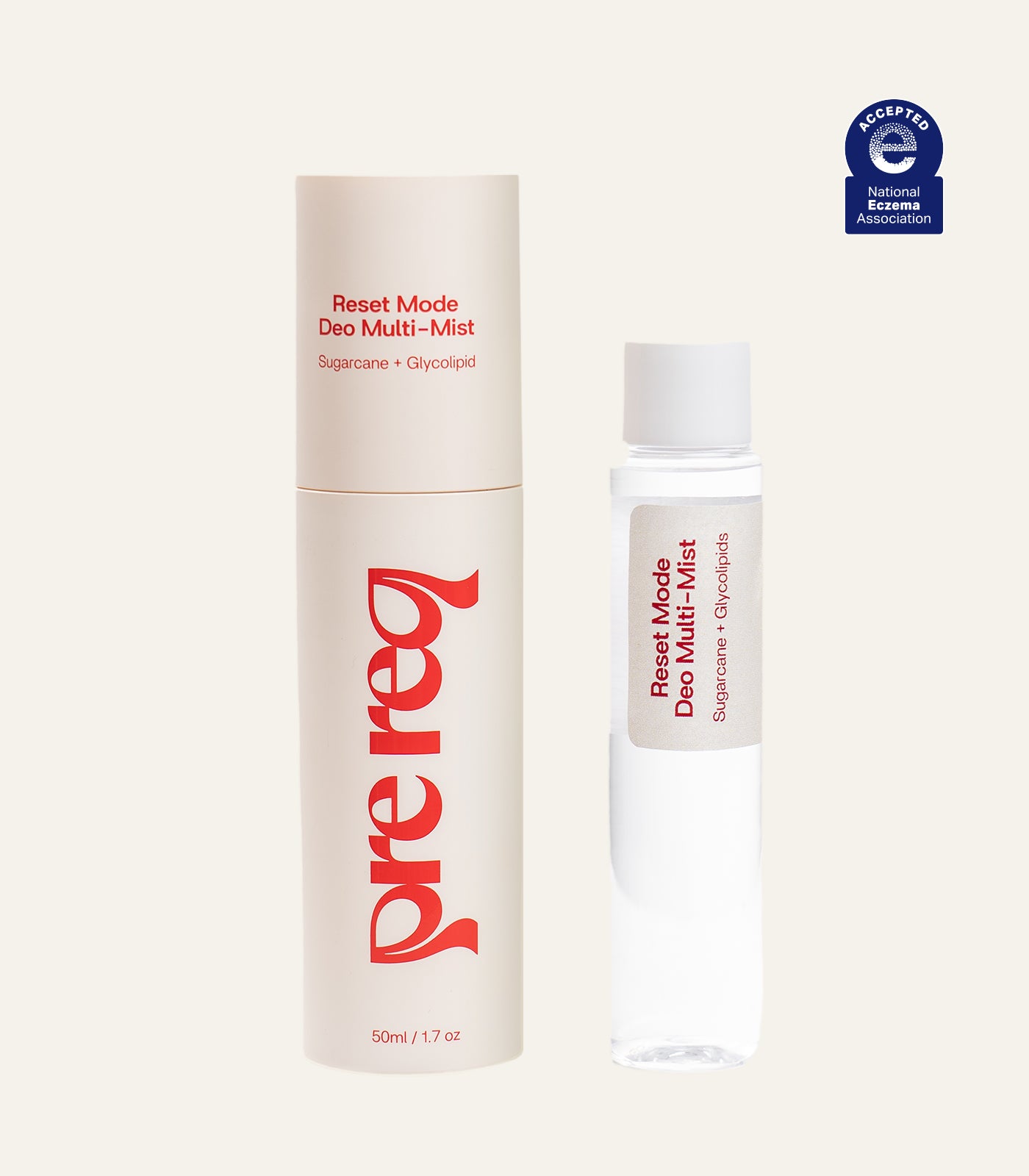
Clearing back, chest, and shoulder acne comes down to four steps repeated daily, shower after sweating, cleanse gently, moisturize with a non-comedogenic formula, and protect with SPF, adding a low-strength active only if breakouts persist. Stick with it for 8 to 10 weeks before judging results. Pair the routine with a fresh finish after every shower using Reset Mode Deo Multi-Mist, an aluminum-free deodorant built for the same sweat and friction that trigger body breakouts in the first place.
This article is for informational purposes only and isn't a substitute for medical advice. If your teen has persistent body acne or skin irritation, a pediatrician or dermatologist is the right next step.

