


Sunscreen for kids and tweens belongs in everyday routines, not only on beach days. Children often spend more time in the sun at school, at recess, and during weekend activities than on holiday.
This guide covers what to check on the label, how mineral and chemical formulas differ, and how to apply and reapply sunscreen so it actually protects your child's skin.
Why Kids and Tweens Need Sunscreen Every Day
Sunlight carries two main types of ultraviolet (UV) rays. UVB rays cause sunburn, while UVA rays reach deeper into the skin and contribute to premature aging and long-term damage. UV rays can reach children's skin on cloudy days too, so daily protection matters even when the weather doesn't feel sunny. Dermatologists at Boston Children's Hospital stress that skin cancer can affect anyone, regardless of skin tone, and that sun exposure adds up over time. The American Academy of Dermatology's guidance on choosing the right sunscreen starts with three essentials: SPF 30 or higher, broad-spectrum protection, and water resistance.
What to Look for on the Label
Before you buy any sunscreen for your child, check the label for those three essentials.
Broad-spectrum means the formula protects against both UVA and UVB rays. SPF 30 or higher is the minimum most dermatologists recommend for children. A higher number isn't automatically better. Boston Children's Hospital notes that an SPF of 30 or above provides adequate protection, and that higher prices or higher SPF numbers don't necessarily mean better ingredients.
Water resistance matters if your child swims or plays sports. Water-resistant sunscreens are labeled to last 40 or 80 minutes in the water, but kids still need reapplying when they come out.
Mineral vs. Chemical Sunscreen for Kids
Sunscreens fall into two categories. Mineral sunscreens use zinc oxide or titanium dioxide. They sit on the skin, start working as soon as they're applied, and are often the better choice for sensitive or eczema-prone skin. Their trade-off is that they can leave a whitish cast, and newer formulas have improved on that.
Chemical sunscreens absorb UV rays and release the energy from the skin as heat. They feel thinner and don't leave a visible coating, but they typically take 15 to 30 minutes to start working. Nemours KidsHealth advises avoiding PABA and oxybenzone, so check the ingredient list for both.
If your child has sensitive skin, look for a product labeled for sensitive skin, and avoid fragrance, parabens, and oxybenzone. For darker skin tones, the AAD suggests a tinted formula, which helps prevent white residue. If your child's skin reacts easily, patch testing skincare on kids at home is a sensible first step before using a new sunscreen across the face.
Can Tweens Use Adult Sunscreen?
The AAD recommends a sunscreen made for children for kids six months and older, and most of those contain zinc oxide and titanium dioxide. That said, an adult product that meets the three essentials can still protect a tween well. The bigger question is how it feels on your child's skin. If your tween has oily or acne-prone skin, look for "non-comedogenic" or "won't clog pores" on the label. If the skin is sensitive, choose fragrance-free options.
How to Apply Sunscreen Properly
Most people apply less sunscreen than they need, which reduces its effectiveness. Nemours KidsHealth recommends about one ounce for the body, or the teaspoon rule: nine teaspoons in total, with one each for the face and neck, the front and back of the torso, and each arm, plus two for each leg.
Apply sunscreen 15 to 30 minutes before going outside so it can settle into the skin. Don't skip the spots kids often miss, including the ears, hands, feet, shoulders, and the back of the neck. Lift bathing suit straps and apply sunscreen underneath, since straps shift during play. Protect the lips with an SPF 30 lip balm.
Sprays are quick, but they make it hard to tell how much you've applied, and kids can breathe in the mist. Rub spray on thoroughly, and keep it away from sparks or flames, since some sprays are flammable.
How Often to Reapply Sunscreen
Reapply about every two hours, and always after swimming or heavy sweating. Water-resistant formulas wear off too, so reapplying is necessary even when a label promises protection in the water.
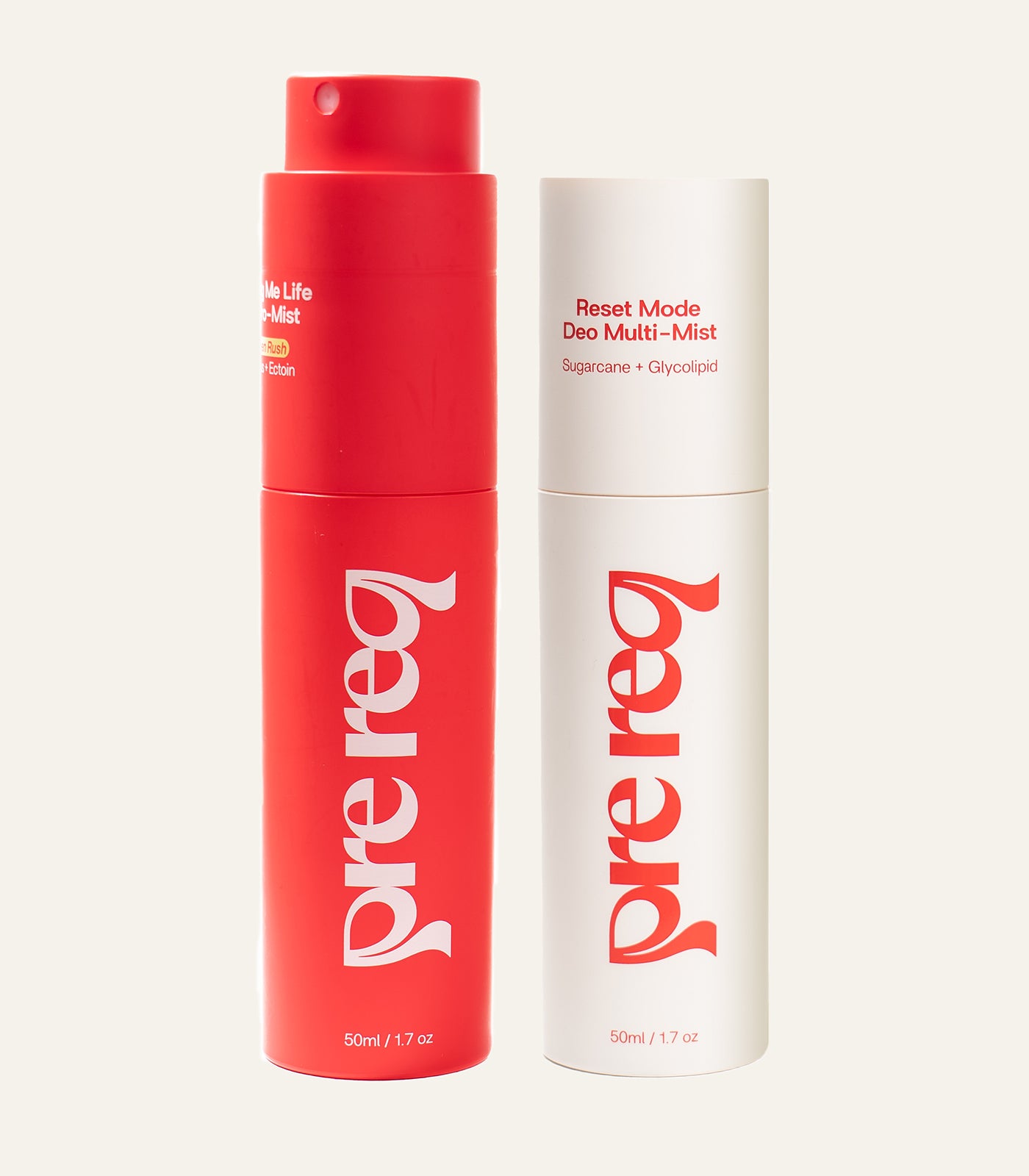
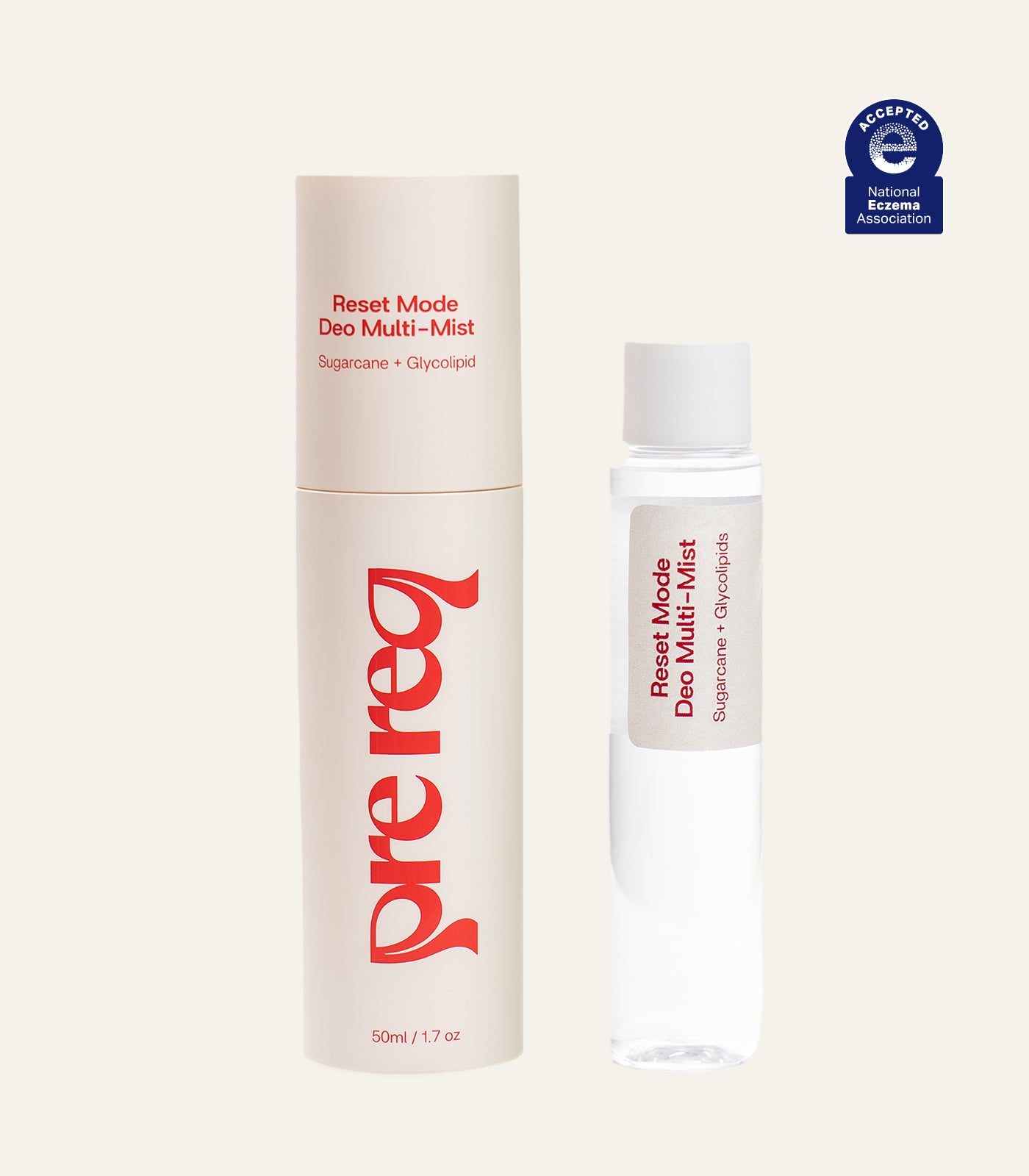
Keep a travel tube in your child's sports bag so reapplying becomes a habit rather than something you remember halfway through the afternoon. After practice, a separate step for odor can help. Reset Mode Deo Multi-Mist is a deodorizing mist that the brand describes as offering odor defense with microbiome support. It doesn't replace sunscreen.
Sunscreen for Tweens Who Do Their Own Routine
Once kids reach the tween years, they can apply sunscreen themselves. Show them the full routine first, then check the areas they tend to miss, such as the nose, ears, and back of the neck. A broad-spectrum moisturizer with SPF 30 or higher can cover the face and neck in one step, which helps a tween who dislikes multiple products.
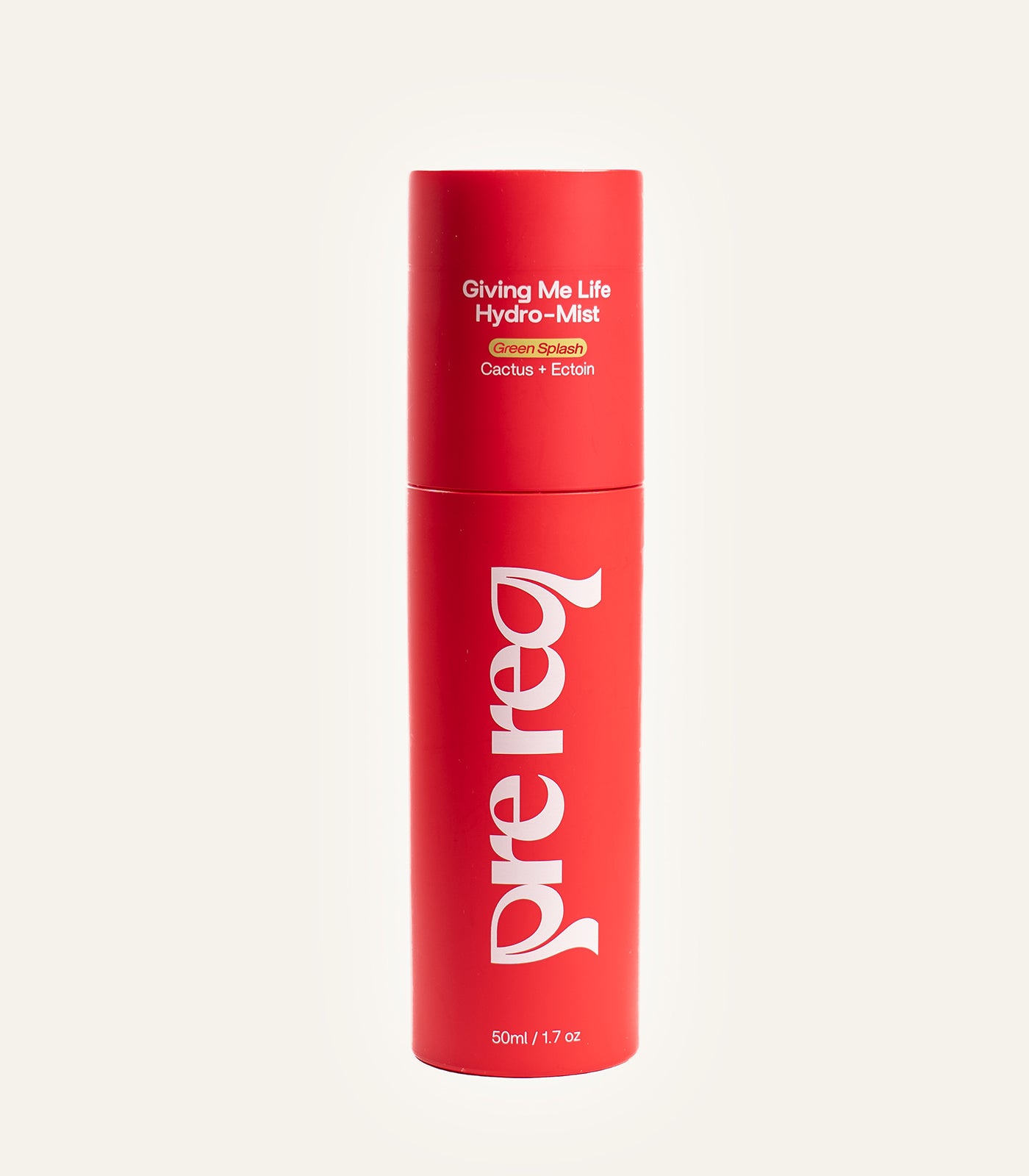
Sun and dryness often show up together, especially during the school day, so dry skin in kids at school is worth recognizing early. After a long day outside, Giving Me Life Hydro-Mist offers instant hydration with skin barrier support. It's a hydration step, not sun protection, so keep applying SPF separately.
Recommended Products for Tweens & Teens
Support healthy hygiene and skincare habits with gentle, age-appropriate essentials designed for pre-teens and teens.
Sunscreen and Acne-Prone Skin
Sun exposure can make post-acne dark marks last longer and become more noticeable. Boston Children's Hospital notes that this post-inflammatory hyperpigmentation is more common in people of color and can affect self-esteem. Daily sunscreen helps limit that effect.
Sunscreen won't treat acne, though. If breakouts persist, a visit to a dermatologist is the right next step. For everyday care of common teen concerns like blackheads on teen noses, gentle cleansing and no squeezing make a big difference.
Sun Safety Beyond Sunscreen
Sunscreen works best as one part of a broader plan. Boston Children's Hospital recommends watching the clock, since the sun is strongest between 10 a.m. and 4 p.m. For long days outside, start early or take a break at midday. Wide-brimmed hats protect the ears and back of the neck, and sunglasses with UV protection shield the eyes.
Clothing matters too. Dermatologists at Boston Children's Hospital note that fabric with a UPF rating below 15 offers little UV protection, so look for UPF labels on swimwear and sun shirts.
Children's skin barrier is still developing, which makes it more reactive to sun, dryness, and harsh products. Understanding skin barrier for kids helps explain why gentle habits matter as much as sunscreen itself.
Frequently Asked Questions
Can babies wear sunscreen?
Babies under six months should stay out of direct sun, in the shade when possible, and wear lightweight long sleeves, pants, a wide-brimmed hat, and sunglasses. If you can't avoid the sun, a small amount of sunscreen on exposed skin such as the hands and face is an option.
Is sunscreen safe to use every day on children’s skin?
Yes, when you choose a broad-spectrum formula with SPF 30 or higher and a product labeled for sensitive skin if your child needs it. Mineral formulas are a gentle option for sensitive or eczema-prone skin, and avoiding fragrance, PABA, and oxybenzone reduces the chance of irritation.
What should I do if my child gets sunburned?
Get your child out of the sun as soon as possible and keep them cool. Watch for signs of heat illness such as nausea, dizziness, or cramps, and contact a doctor if they appear. Staying out of the sun until the skin heals is the best way to prevent further damage.
Does sunscreen expire?
Yes. Throw out any sunscreen that is past its expiration date, or that you've had for three years or longer.
Should teens put on sunscreen before makeup?
Yes. Many cosmetics contain sunscreen, but they usually don't offer enough protection, so apply sunscreen first and makeup over it.
Does self-tanner protect against the sun?
Not always. Many self-tanners offer little or no UV protection, so check the label for broad-spectrum protection and an SPF of 30 or higher if your teen uses one.
Start a Daily Sunscreen Habit for Your Child Today
Daily sunscreen is one of the simplest ways to protect your child’s skin now and for years to come. Choose a broad-spectrum sunscreen with SPF 30 or higher and water resistance, apply it 15 to 30 minutes before going outside, reapply every two hours, and add shade, hats, and protective clothing. Make it part of your morning routine, and let your child take over the application as they grow. For the rest of the daily routine, the Daily Duo hydration and odor defense kit pairs two everyday mists for sweat and dry skin. It doesn’t replace sunscreen, so keep SPF as its own step.
Recommended Products for Tweens & Teens
Support healthy hygiene and skincare habits with gentle, age-appropriate essentials designed for pre-teens and teens.

