


A child's skin barrier is the outermost layer of skin, a tight wall of skin cells held together by lipids such as ceramides, cholesterol, and fatty acids. In children, it is thinner and still developing, so it loses water faster and reacts to irritants more easily. Protecting it comes down to gentle cleansing, moisturizer applied while skin is still damp, daily mineral sunscreen, and skipping harsh actives. Below, we explain how the barrier works, why a child's version is more fragile, what damages it, and a simple routine a tween will actually keep.
What Is a Skin Barrier in Kids?
The skin barrier is the stratum corneum, the top layer of the epidermis. Its cells, called corneocytes, are flat and tightly stacked, and lipids fill the spaces between them. A helpful way to picture it is a brick wall, with the cells as bricks and the lipids as mortar. When the mortar is intact, water stays in, and irritants stay out. When it's disrupted, skin dries out, stings more easily, and reacts to products that used to feel fine.
Children are born with a working barrier, but it keeps maturing through childhood. That's why gentle habits matter at every age, not just in infancy.
Why a Child's Skin Barrier Is More Fragile
Several features of a child's skin make the barrier easier to disrupt than an adult's, and each one shapes how parents should choose products and routines.
A Thinner Layer That Loses Water Faster
A child's outer skin layer is thinner than an adult's, and younger children, infants especially, lose more water through the skin. This process is called transepidermal water loss. It's one reason small children dry out quickly in cold wind, winter heating, or a hot bath, and why moisture matters more than most parents expect.
More Skin Area for Their Body Weight
Children have more skin surface relative to their body weight than adults do. The same sunlight, soap, or fabric touches a larger share of their body, so product choice and routine length matter more than they do for adults.
When the Barrier Finishes Developing
There is no single agreed age when a child's barrier is fully mature. Research describes it as still developing through childhood, which is the most accurate answer available. A barrier that's still forming responds better to gentle care than to strong products, and that principle applies from toddlerhood through the tween years.
Signs Your Child's Barrier May Be Damaged
A weakened barrier usually shows up as dryness that moisturizer doesn't ease, rough or flaky patches, stinging from products that used to feel fine, and redness that lingers. Irritation after sweat or pool days that keeps returning is another clue worth noticing.
These signs overlap with eczema, contact dermatitis, and fungal infection, so the pattern matters more than any single symptom. Patches that spread, crack, ooze, or keep coming back need a doctor's review rather than another product. The American Academy of Dermatology's eczema guidance for children is a reliable place to learn how eczema usually presents in kids.
What Damages a Child's Skin Barrier
Everyday habits, products, and environment can all weaken the barrier, often without parents noticing the connection.
Hot Water and Harsh Cleansing
Hot showers and strong or heavily scented cleansers strip the lipids that hold the barrier together. A quick lukewarm rinse does far less damage than a long, steaming bath, and a gentle cleanser cleans without taking the natural oils with it.
Strong Actives and Stacked Routines
Retinoids, AHAs, and benzoyl peroxide are formulated for adult skin concerns. On a developing barrier, they can thin the skin or cause irritation. Routines that stack several active products at once raise that risk, and social media has made stacking look like normal skincare.
Weather, Sun, and Pool Days
Cold wind, heated indoor air, and UV light all weaken the barrier over time. Pool water adds chlorine, and if your child swims often, the chlorine effects on kids' skin that show up as tightness and oil loss are worth watching for. School adds its own dryness too. Heated classrooms and frequent hand sanitizer can leave skin rough by midweek, which is why many families also keep an eye on dry skin in kids during the school year.
How to Protect a Child's Skin Barrier
Four habits do most of the work: gentle cleansing, a moisturizer built for the barrier, daily sunscreen, and a routine that stays steady.
Gentle, Fragrance-Free Cleansing
Once a day is enough for most children. Use lukewarm water and a fragrance-free cleanser, and rinse without scrubbing. Pediatric guidance on dry skin, including from the American Academy of Pediatrics, favors short, lukewarm baths for the same reason. Fragrance-free is not the same as irritation-free, so if a product still stings, check the full ingredient list rather than assuming it's safe.
Moisturizer Built for the Barrier
Moisturizer works best when it goes on while skin is still damp, because that locks in the water already on the surface. Look for ingredients that support the barrier or help it hold water:
|
Ingredient |
Role |
What to know |
|
Ceramides |
Support the lipid layer of the barrier |
Look for them in fragrance-free creams |
|
Glycerin |
Draws water into the skin |
Generally well tolerated |
|
Sodium hyaluronate |
Helps skin hold water |
Light texture that suits most skin |
|
Niacinamide |
Helps calm redness and excess oil |
Suited to teens if needed |
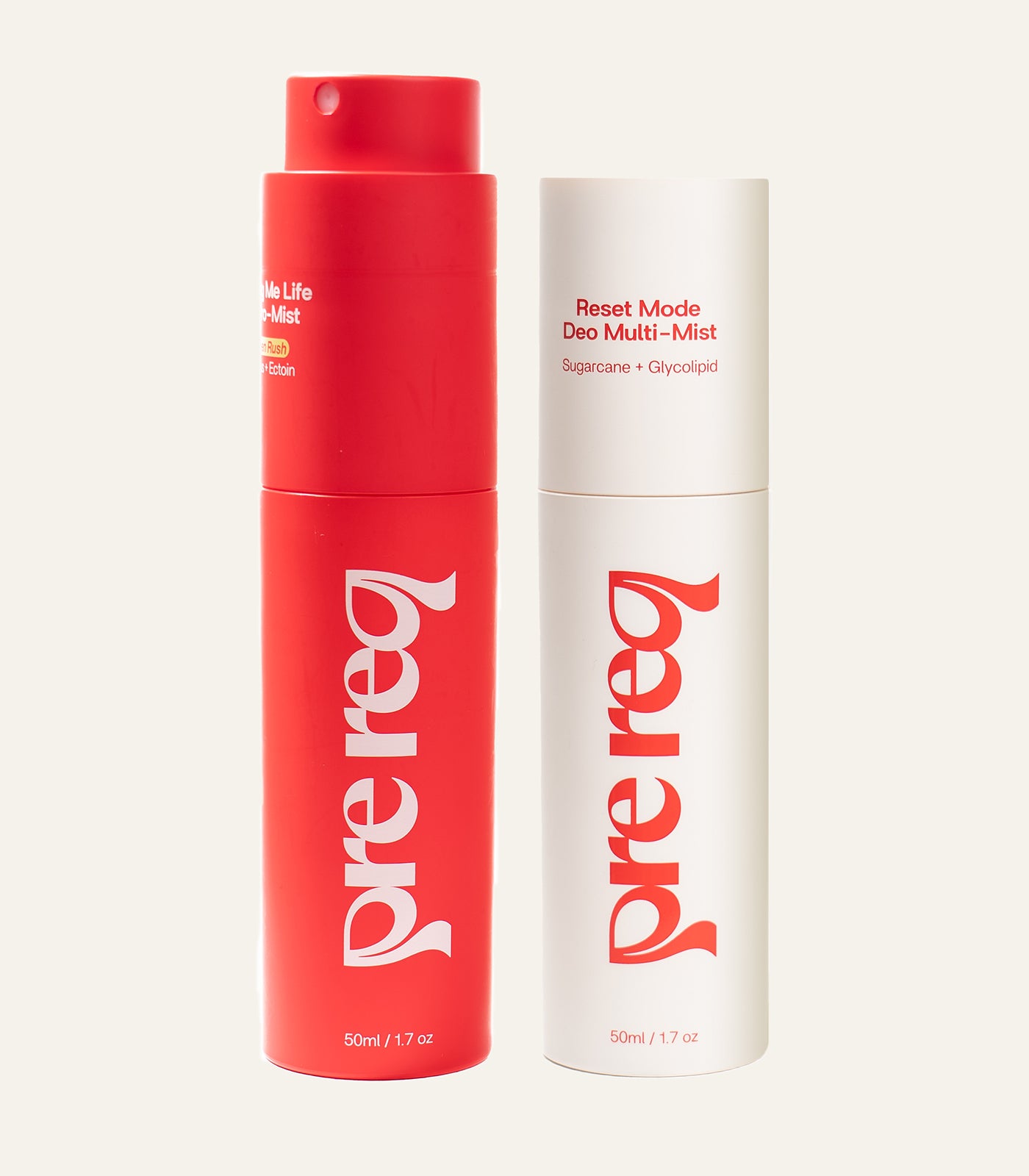
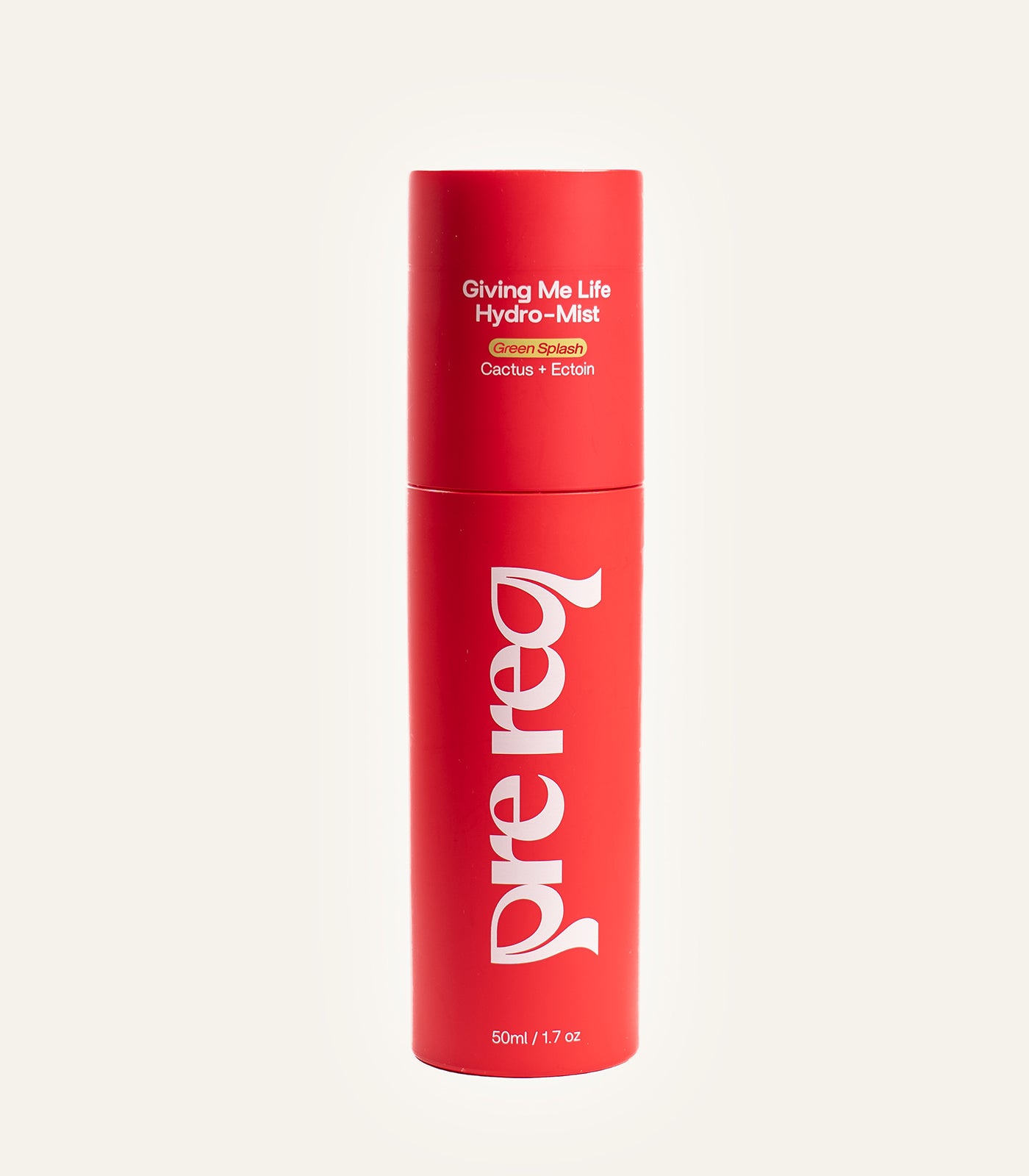
On a busy day, a hydrating mist like Giving Me Life Hydro-Mist can top up skin between routines. It works alongside a moisturizer rather than replacing one, so the cream stays in the routine even when a mist is in the bag.
Daily Mineral Sunscreen
Use a mineral SPF 30 or higher every morning. UV exposure adds up over years and weakens the barrier along the way, so sunscreen is part of protecting the barrier rather than an extra step. Mineral formulas sit on the skin's surface, which suits sensitive skin well.
Sweat and Odor Without Harsh Steps
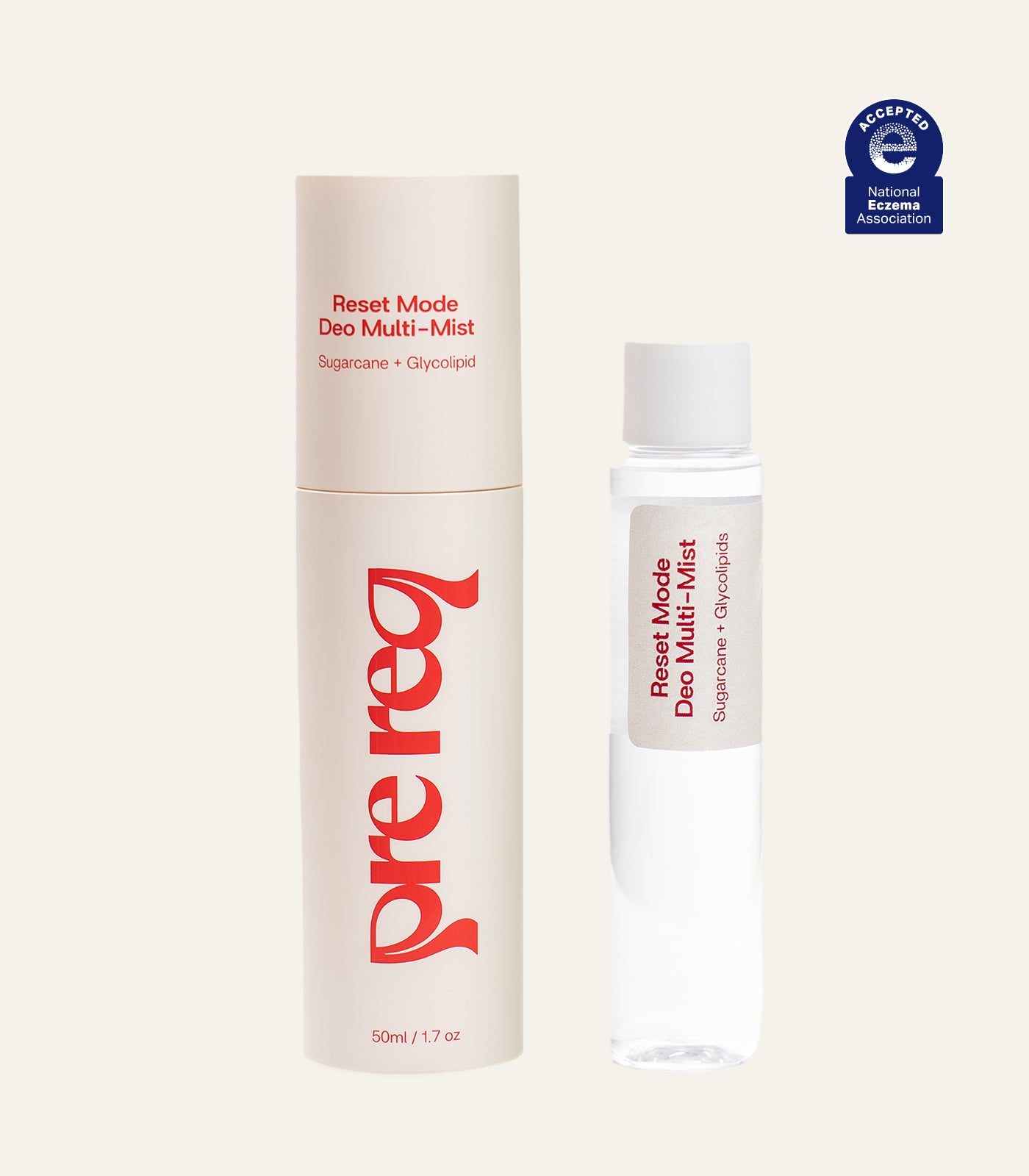
Sweat left sitting on skin can irritate it, so a gentle deodorizing step matters after sports or a long school day. Reset Mode Deo Multi-Mist is aluminum-free and made without synthetic fragrance, and it carries the NEA Seal of Acceptance from the National Eczema Association. For a school bag, The Prereq Pouch keeps the essentials together so nothing gets left behind.
Recommended Products for Tweens & Teens
Support healthy hygiene and skincare habits with gentle, age-appropriate essentials designed for pre-teens and teens.
A Simple Barrier-Friendly Routine
A child's routine can stay short: a fragrance-free cleanser at night, a moisturizer morning and night, and mineral sunscreen every morning. Most kids don't need a serum, and extra steps add irritation risk without adding much protection.
Needs change as children move through the tween years, with oil production and skin texture shifting over time. The same three steps still apply, and skincare for kids by age follows those changes stage by stage, so the routine can adjust without becoming more complicated.
What Is the Best Way to Fix a Damaged Skin Barrier?
The best way to fix a damaged barrier is to stop the irritant, keep the routine steady, and give skin time to recover. Recovery takes weeks rather than days, and the most common mistake is switching products too often, which stops the barrier from settling.
-
Stop or swap the product or habit that started the irritation.
-
Keep the routine to the three steps above and avoid trying new products during recovery.
-
Moisturize at least twice a day, while skin is still damp.
-
Don't scratch. A cold compress held for 10 to 15 minutes can ease itching.
-
Book a doctor's visit if skin cracks, oozes, or shows signs of infection.
Frequently Asked Questions
Should a 7-year-old have a skincare routine?
A full routine usually isn't needed at seven. A gentle wash after sweaty play and daily sunscreen for outdoor time cover the basics. Children with eczema or very sensitive skin should see a pediatric dermatologist before starting anything new.
How do you rebuild a baby's skin barrier?
A baby's barrier keeps developing through the first years, so gentleness comes first. Use fragrance-free products recommended by the pediatrician, keep baths short and lukewarm, and moisturize after each bath. Persistent dryness or eczema needs a pediatrician's guidance, since Prereq's products are made for tweens and teens.
How long does it take to fix a skin barrier?
Mild irritation often improves within two to four weeks of a gentle, consistent routine. If nothing changes after about two weeks, or the skin is cracking or showing signs of infection, a doctor should review it.
How can you tell if a child's skin barrier is healing?
Signs of recovery include less stinging when products go on, fewer rough or flaky patches, and skin that feels comfortable between moisturizer applications. Itching that eases and redness that fades over several days both point in the right direction.
Do kids need sunscreen on cloudy days?
Yes. UV rays pass through clouds, so daily mineral sunscreen still matters on overcast days. Add shade during midday hours if a child spends long stretches outdoors.
Is a fragrance-free label enough to call a product safe for kids?
No. Fragrance-free means no scent has been added, but a product can still contain ingredients that irritate sensitive skin. Read the full ingredient list, patch test new products on a small area, and stop using anything that stings or causes redness.
Simple Daily Habits That Keep a Child's Skin Barrier Strong
A child's skin barrier is still developing, so the best protection is simple: gentle cleansing, moisture while skin is damp, daily mineral sunscreen, and a routine that stays steady. Consistency does more than any single product.
For school days that call for both hydration and odor control, The Daily Duo pairs a hydrating mist and a deodorizing mist in one set.
Recommended Products for Tweens & Teens
Support healthy hygiene and skincare habits with gentle, age-appropriate essentials designed for pre-teens and teens.
This article is for general information only and is not medical advice. It does not replace care from a pediatrician or board-certified dermatologist. For eczema, infection, or skin changes that don't improve, talk to a qualified healthcare provider about your child's specific needs.

