


Chlorine and pool water dry out a child's skin, hair, and eyes, though the effect is usually temporary irritation rather than lasting chlorine damage. Chlorine strips the natural oils that hold moisture in the skin's outer layer, which is why kids often come out of the pool with skin that feels tight, itchy, or rough to the touch. Kids react more than adults because their skin barrier is thinner and still developing. A simple rinse and moisturize routine before and after swimming prevents most of it.
Why Chlorine Affects Kids' Skin More Than Adults'
Chlorine is added to pools to kill bacteria and viruses that would otherwise spread through the water. When it dissolves, it forms hypochlorous acid, the compound that actually destroys pathogens. That same acid also breaks down the lipids that keep skin cells bound together and moisturized, so the more time skin spends in contact with it, the more moisture it loses.
Chlorine also reacts with sweat, urine, and body oils that swimmers bring into the water, forming byproducts called chloramines. Chloramines are behind the strong chemical smell people associate with pools, and they are usually the real cause of the eye and throat irritation swimmers notice, not the chlorine itself. In an indoor pool with poor ventilation, chloramines can also build up in the air and cause a mild cough or throat irritation, sometimes called chlorine cough. This usually clears up within an hour or two of leaving the pool area and getting fresh air, and rinsing off helps too, since it removes the chloramine residue still sitting on skin and clothing. A cough that lingers for several hours, comes with wheezing, or shows up in a child with asthma is worth a call to a pediatrician rather than waiting it out.
Children's skin is thinner and loses water faster than adult skin, which means the same chlorine exposure hits kids harder. A child's developing skin barrier hasn't built up the same protective structure an adult's has, so chlorinated water pulls moisture out more quickly and leaves skin feeling dry sooner. This is one reason the American Academy of Dermatology recommends moisturizing right after swimming rather than waiting until skin already feels tight.
How Chlorine and Pool Water Affect Kids' Skin
Regular chlorine exposure shows up in five main ways, from mild dryness to eye and scalp irritation.
Dry, Tight, or Itchy Skin After Swimming
The most common effect of chlorine on skin is simple dryness. As chlorine strips natural oils, moisture escapes faster from the skin's outer layer, leaving it feeling tight, rough, or itchy within an hour or two of getting out of the pool. This is the mildest and most common reaction, and it typically fades on its own once skin is rinsed and moisturized.
Chlorine Rash and Irritant Contact Dermatitis
When exposure is longer or more frequent, dryness can progress into a rash. The medical term for this is irritant contact dermatitis, and it shows up as red, itchy, or flaky patches, usually on skin that had the most direct contact with pool water, like the torso, arms, and legs. It's different from a true chlorine allergy, which is uncommon; most reactions people call a chlorine allergy are actually irritation rather than a true allergic response. A chlorine rash usually settles within a few hours to a couple of days with rinsing and moisturizing, though skin that flakes or stays red for several days is worth watching more closely.
Chlorine and Eczema Flare-Ups
Kids with eczema or another form of dermatitis start from a weaker skin barrier, so chlorine exposure tends to hit harder and can trigger a flare within hours. Because the barrier is already compromised, moisture escapes faster, and irritants penetrate more easily, which is why families managing armpit eczema in kids often notice pool days make the skin more reactive for a day or two afterward. This doesn't mean eczema-prone kids need to skip swimming; it means the before-and-after routine matters more for them than for kids without sensitive skin.
Dry or Discolored Hair and Scalp
Chlorine strips oil from the scalp the same way it does from skin, which is why hair often feels dry, straw-like, or tangled after regular pool time. Lighter hair can also pick up a faint green or brassy tint, which typically comes from copper-based algaecides binding to hair protein rather than from chlorine itself. Rinsing hair with clean water before swimming reduces how much chlorinated water the hair shaft absorbs, since hair strands soak up whatever they touch first.
Red or Irritated Eyes After Swimming
Red, stinging eyes after a swim are almost always caused by chloramines rather than chlorine itself. The eyes' natural tear film gets disrupted by the same reaction that produces that sharp pool smell, leading to redness, watering, and mild light sensitivity. Well-maintained pools with properly balanced chemistry produce fewer chloramines, so consistently red eyes across multiple visits to the same pool can be a sign the water chemistry needs attention.
Is It Safe for Kids to Swim in a Chlorinated Pool Every Day?
Yes, daily swimming in a properly maintained chlorinated pool is safe for most kids. The concentration of chlorine used to disinfect pool water, generally 1 to 3 parts per million, is far below the level that causes anything beyond temporary dryness or irritation.
Signs of too much chlorine in a pool include:
-
A strong, sharp bleach smell as soon as you walk in
-
Eyes stinging within minutes of getting in the water
-
Skin feeling irritated or itchy almost immediately, not after a long swim
-
A noticeable cough or throat tightness in a poorly ventilated indoor pool area
These symptoms of too much chlorine usually point to a maintenance issue with that specific pool rather than a reason to avoid chlorinated pools altogether. Kids with eczema, very dry skin, or a history of strong reactions may want to shorten swim sessions and lean more heavily on the before-and-after routine below, but daily swimming itself isn't the problem.
How to Protect Kids' Skin From Chlorine
A simple routine before, during, and after swimming prevents most of these reactions.
Before Swimming: Rinse and Apply a Barrier
A quick rinse with clean water before getting in the pool is one of the simplest ways to protect skin from chlorine. Wet skin and hair absorb less chlorinated water because they've already taken in fresh water first. Following the rinse with a thin layer of a fragrance-free moisturizer or a barrier ointment gives skin an extra layer of protection, since this light film reduces how much chlorinated water contacts the skin directly.
During Swimming: Gear That Actually Helps
The right gear cuts down on direct chlorine contact without taking the fun out of pool time. Goggles protect the eyes from chloramine irritation, which matters most for kids who tend to open their eyes underwater. A swim cap helps kids with longer hair avoid the driest, most tangled strands. A rash guard or long-sleeve swim shirt reduces how much skin is in direct contact with the water for kids who are especially reactive or spend hours at the pool. For families packing for a pool day, camp, or a swim meet, a compact set like skincare sets for kids makes it easy to bring moisturizer and a hydrating mist along without hauling a full bathroom shelf.
After Swimming: Rinse, Cleanse, and Moisturize
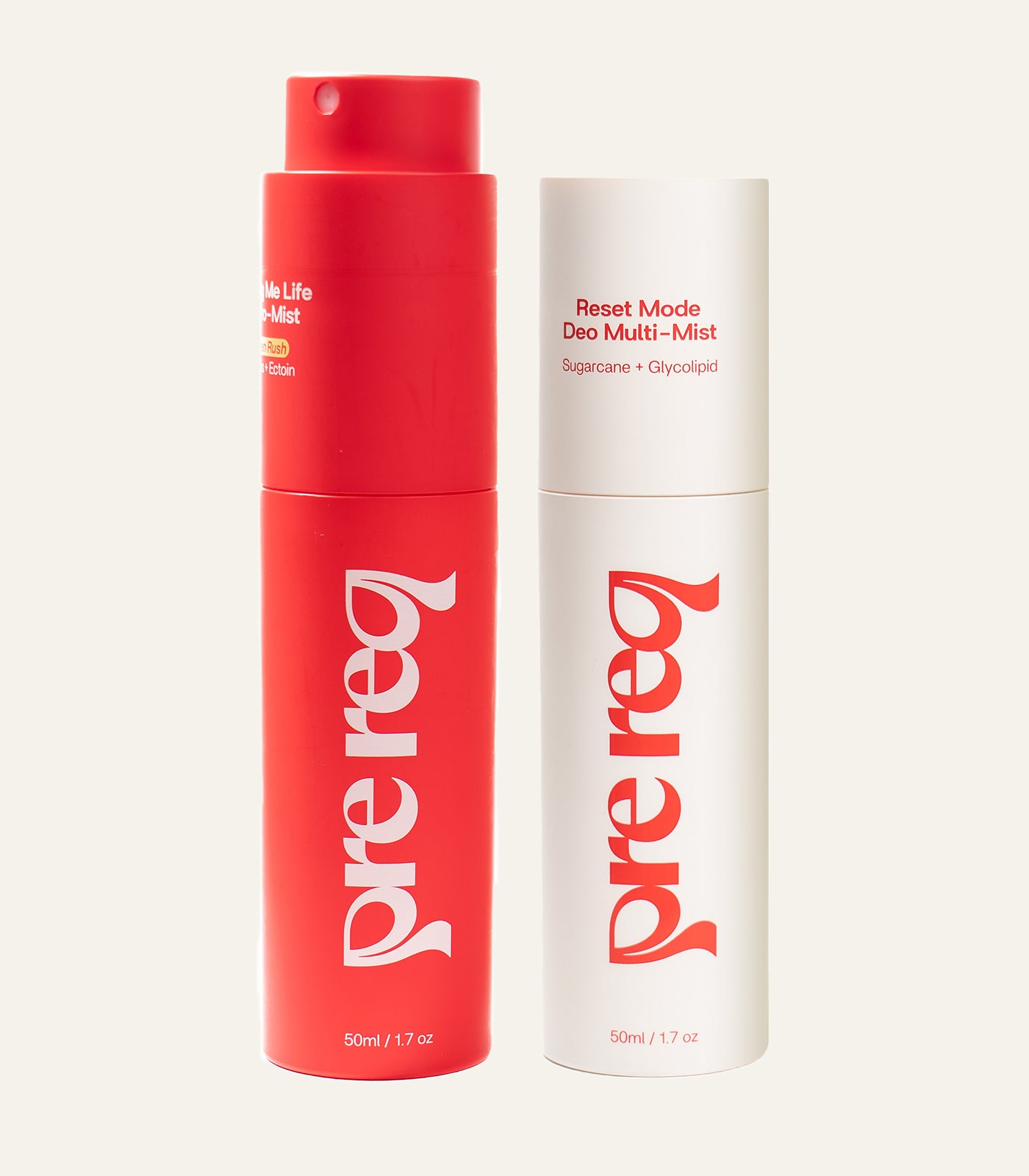
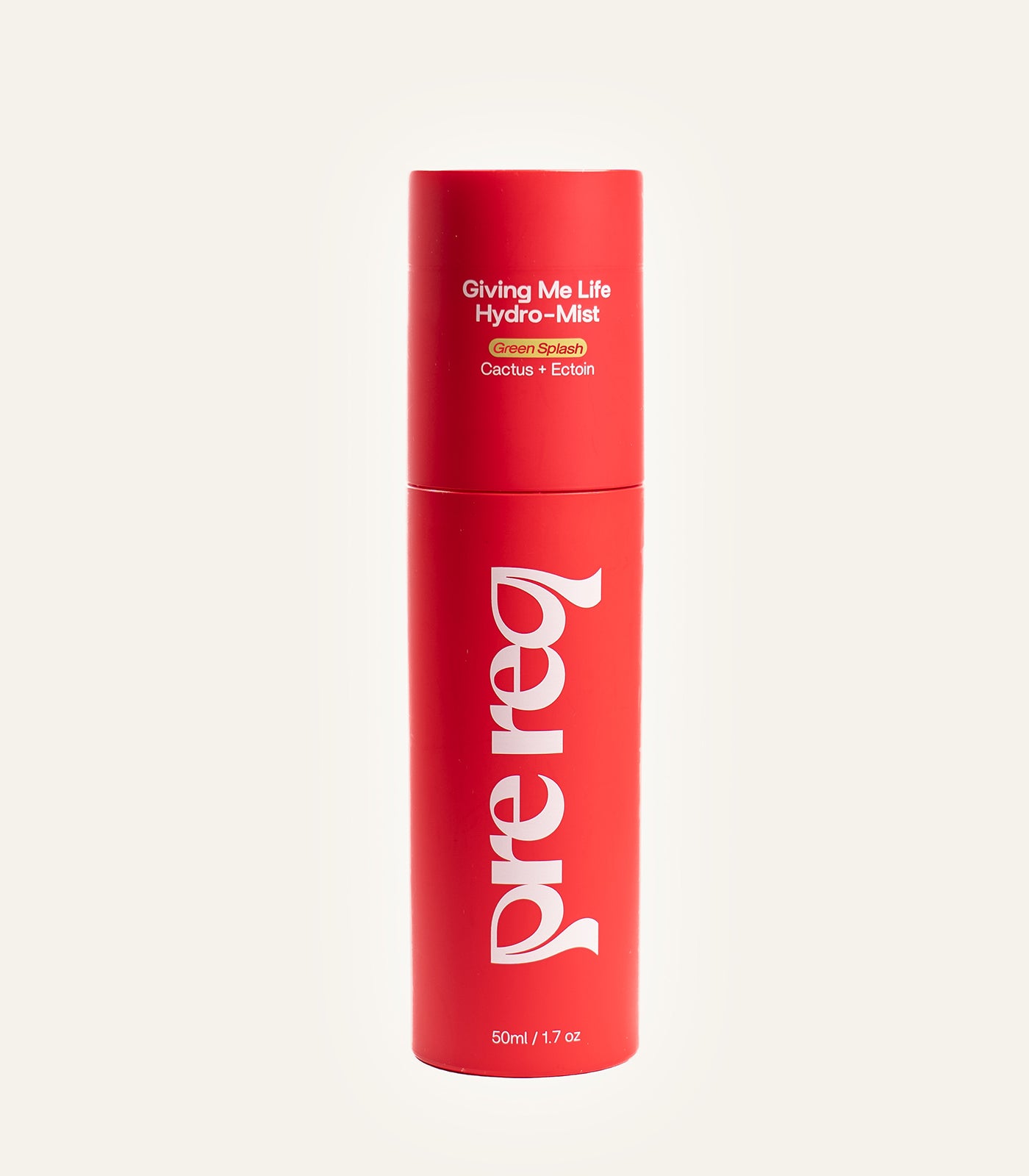
The after-swim routine does more to prevent chlorine-related dryness than anything done beforehand. Rinse with clean water as soon as possible, ideally within a few minutes of getting out, since the longer chlorine sits on skin, the more moisture it pulls out. Follow with a mild, fragrance-free cleanser rather than skipping straight to a towel. Apply moisturizer while skin is still slightly damp to lock in hydration before it evaporates. For kids who are active through the afternoon, whether that's a full day at the pool or swim practice followed by other activities, a lightweight hydrating mist like the Giving Me Life Hydro-Mist is an easy way to reintroduce moisture between activities without needing a shower every time. This step fits naturally into a broader post-activity skin routine for kids who are sweating, swimming, and spending long hours outdoors on the same day.
Protecting Sensitive or Eczema-Prone Skin
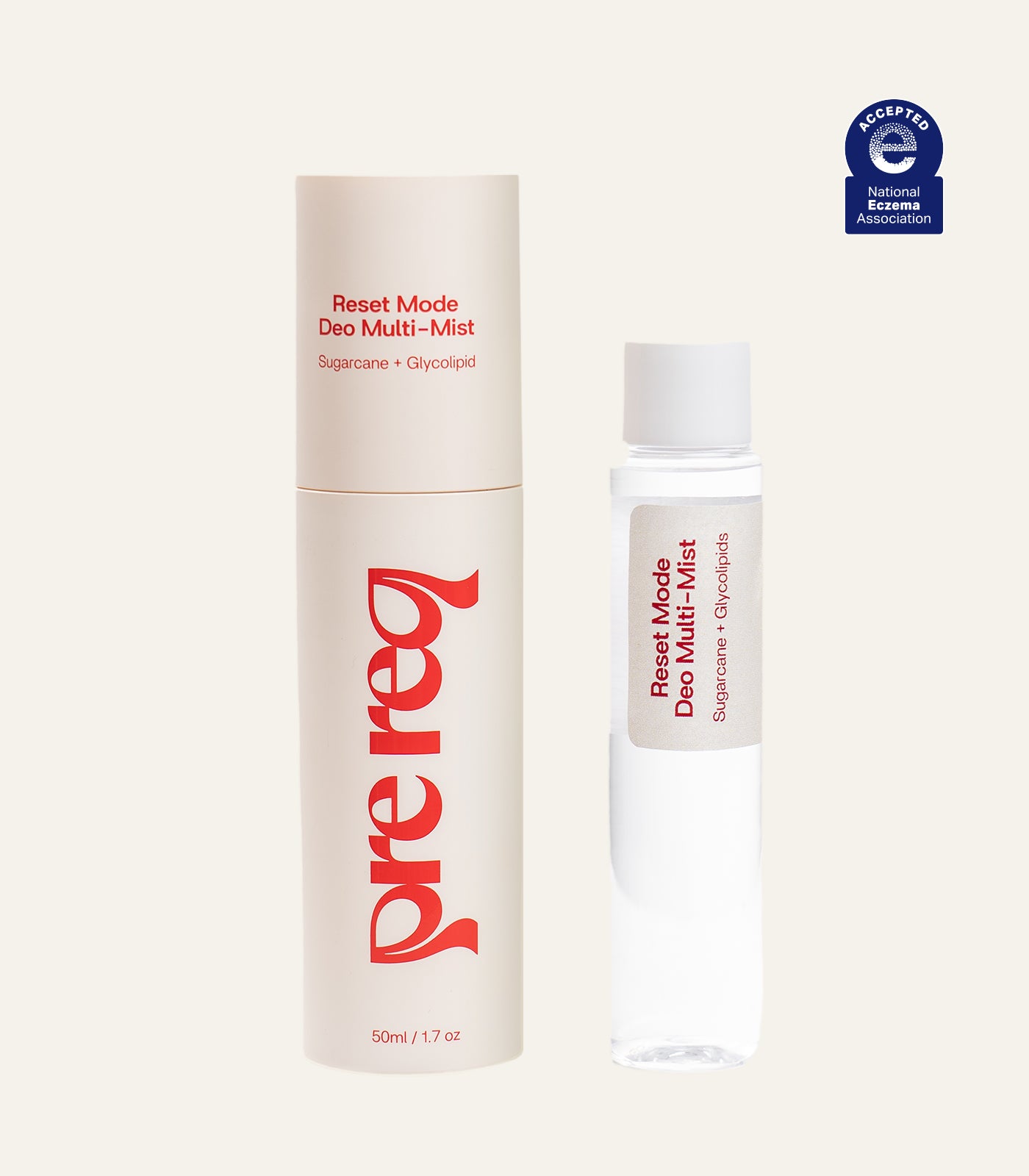
For kids with eczema or reactive skin, following a consistent post-swim skincare routine matters even more, since there's less room to skip a step. Moisturizing before swimming, keeping sessions shorter, and moisturizing again immediately after are the habits that make the biggest difference for this group. Underarms and other skin folds are worth extra attention after a swim, since trapped moisture combined with chlorine residue can worsen irritation; an eczema-safe deodorant formulated without fragrance, aluminum, or baking soda is a safer choice for these areas than a standard adult formula. The NEA-approved Reset Mode Deo Multi-Mist fits that description and works well for a post-swim reset on underarms or feet. If a flare doesn't calm down with consistent rinsing and moisturizing, that's a reasonable point to check in with a pediatrician or dermatologist rather than pushing through it.
Recommended Products for Tweens & Teens
Support healthy hygiene and skincare habits with gentle, age-appropriate essentials designed for pre-teens and teens.
How to Heal Chlorine-Damaged Skin
Most chlorine-related dryness and irritation responds well to the same basic care. Rinse thoroughly with lukewarm, not hot, water, since hot water pulls out even more of the skin's remaining moisture. Pat skin partly dry instead of rubbing, then apply a rich, fragrance-free moisturizer or ointment while skin is still damp. For a mild, localized rash that looks like simple irritation rather than an infection, a thin layer of over-the-counter 1% hydrocortisone can ease redness and itching, applied exactly as the label directs and kept away from the eyes and any broken skin.
Most irritation improves within a few days of consistent care. A rash that isn't improving after about a week, skin that's cracking or oozing, or a rash that looks infected are all reasons to check in with a pediatrician or dermatologist rather than continuing home care alone. This guidance is general in nature and isn't a substitute for a clinician's evaluation of your child's specific skin.
Saltwater vs. Chlorine Pools: Which Is Gentler on Kids' Skin?
Saltwater pools still use chlorine to disinfect the water; the difference is that a saltwater system generates it on-site from dissolved salt rather than adding it directly. This process tends to produce more even, lower chlorine levels overall, which is why many families find saltwater pools feel softer on skin and hair with less of the sharp chemical smell. That said, saltwater pools can still form chloramines, especially in pools with heavy use, so they aren't chlorine-free or automatically irritation-free. For kids with eczema or very reactive skin, a saltwater pool is often a gentler option worth trying, but the same before-and-after routine still matters regardless of which system a pool uses.
Common Questions Parents Ask
Does pool chlorine damage skin?
Yes, but the damage is almost always temporary dryness and irritation, not permanent harm. Chlorine strips natural oils from the skin's outer layer, and that effect reverses once skin is rinsed and moisturized consistently.
How long does chlorine rash last?
A mild chlorine rash usually clears up within a few hours to a couple of days once the skin is rinsed, cleansed, and moisturized. Rashes that last longer than a week or that worsen should be checked by a doctor.
Can chlorine make eczema worse?
Yes, chlorine can trigger an eczema flare because it removes moisture from a skin barrier that's already compromised. Moisturizing before and immediately after swimming significantly lowers the chances of a flare.
Does showering after swimming remove all the chlorine?
A shower removes most surface chlorine and chloramine residue, but not everything that has bonded to the skin. Following the rinse with a gentle cleanser and a moisturizer clears more residue than water alone and helps restore what chlorine stripped away.
Is it bad to swim in a chlorinated pool every day?
No, daily swimming in a well-maintained chlorinated pool is safe for most kids. Skin sensitivity, not the frequency of swimming, is usually what determines whether a child needs extra protective steps.
How do you prevent skin reactions to chlorine?
Rinsing before and after swimming, applying a barrier before getting in, and moisturizing while skin is still damp afterward prevent most chlorine-related reactions. Kids with eczema or very sensitive skin benefit from shorter swim sessions on top of these habits.
The Routine That Prevents Chlorine Damage
Chlorine and pool water are hard on a child's skin, but the fix doesn't need to be complicated. Rinse before swimming, moisturize right after, and keep an eye on skin that's already prone to eczema or irritation. Those three habits prevent most dryness, rash, and redness before they start, no matter how often your kid is in the water this summer.
Shop the Collection for the gentle, fragrance-free essentials Prereq Care makes for pre-teen and teen skin.
Recommended Products for Tweens & Teens
Support healthy hygiene and skincare habits with gentle, age-appropriate essentials designed for pre-teens and teens.

