


Active children have higher hydration needs than most parents realize, and their skin shows it first. Dehydration dulls the complexion, increases dryness, and leaves skin more vulnerable to irritation from sun, sweat, and friction.
The fix is straightforward: drink water before thirst sets in, take breaks every 20 to 30 minutes during play, rinse off sweat-soaked clothes after activity, and apply a light moisturizer and SPF 30 sunscreen before heading outside.
Children between 4 and 8 need around 5 cups of fluid a day. Older kids need 7 to 8 cups, plus more for every hour they spend active or in the heat. A few simple habits make a real difference: keep a full water bottle where they can see it, add water-rich snacks like watermelon and cucumber to their day, and teach them to check their urine color as a quick hydration check. Pale yellow means they're doing well. Darker than that, and it's time to drink up.
Why Active Kids Dehydrate Faster Than You Think
Water makes up roughly 60 to 70 percent of a child's body weight, yet kids burn through it at a rate that most parents underestimate.
When children run, kick, climb, and play, they generate body heat. That heat does not just take water with it. It carries electrolytes too, including sodium, potassium, and chloride. A child exercising or playing in the sun for more than 90 minutes at a stretch is losing both fluids and essential minerals at a pace that plain water alone may not fully replace.
According to research published in the journal Children, children are often unaware of the sensation of refreshment, and, therefore, cannot reliably communicate when they need to drink. In other words, by the time your child says they are dizzy, they may already be mildly dehydrated.
That distinction matters enormously for parents. You cannot wait for your child to ask for water. You need a proactive plan, especially on active days.
How Much Water Should My Active Kid Drink Daily?

Parents ask this question the most, and the answer changes based on how old, big, and active your child is.
The American Academy of Pediatrics (AAP) recommends the following daily fluid intake for children, covering all sources, including food, milk, and water:
|
Age Group |
Recommended Daily Fluid Intake |
|
Ages 1 to 3 |
About 4 cups (approximately 1 liter) |
|
Ages 4 to 8 |
About 5 cups (approximately 1.2 liters) |
|
Ages 9 to 13 |
7 to 8 cups (approximately 1.6 to 2 liters) |
|
Ages 14 and older |
8 to 11 cups (approximately 2 to 2.5 liters) |
These are baseline numbers for children in normal conditions. Add heat, dry, and physical activity, and the numbers climb. On a day your child has soccer practice, a long bike ride, or spends hours at the pool, bump those totals up by at least one to two additional cups.
Water Intake Recommendations for Kids by Age
A common rule that many family doctors follow is to have kids drink a whole glass of water before they start playing and then take a break every 20 to 30 minutes to drink more water. A full glass of water after the activity helps the body start to replace lost fluids right away.
Does My Active Child Need Rehydration Drinks or Just Water?
This is a question that divides parents, and for good reason. Walk down any grocery store, and you will find sports drinks marketed directly at kids.
For most daily activities and moderate exercise lasting under an hour, plain water is all your child needs. The AAP is clear that children should avoid drinks with added sugar, artificial sweeteners, caffeine, or stimulants. Most commercial sports drinks fall into that category.
However, if your child is exercising intensely or playing outdoors for 90 minutes or more, the electrolyte equation changes. At that point, they are not just losing water. They are sweating out minerals that their muscles and nerves depend on. In those cases, a low sugar electrolyte solution, coconut water, or even a homemade drink of water with a pinch of salt and a squeeze of lemon can help restore the balance more effectively than plain water alone.
But remember that water is always first. Reserve electrolyte drinks for longer, more intense activities, and choose options with the lowest sugar content you can find.
Signs Your Active Kid Is Not Getting Enough Fluids
Children are widely known for being bad at self-reporting how they feel. These are the signs parents should watch for, starting with the ones you can actually see:
What to Look for in the Body
-
Urine that is dark yellow or amber colored (pale lemonade color is the goal).
-
Dry or cracked lips.
-
Tired eyes or reduced tears when crying.
-
Skin that looks dull, flaky, or feels rough to the touch.
-
Fewer urinary urgencies than usual.
What to Look for in Behavior
-
Unusually low energy level or low motivation during play.
-
Irritability or mood swings that seem out of nowhere.
-
Headaches, especially during or after sports.
-
Dizziness when standing up quickly.
-
Reduced focus or performance during games.
Why Does My Kid Get Headaches During Sports? The Dehydration Connection
Headaches are one of the earliest signs that something is off with fluid levels. When the brain does not have enough water, it can temporarily shrink slightly in the head, triggering pain. If your child comes off the field complaining of a headache and they have not had much to drink, rehydration should be your first response.
Severe dehydration is a medical emergency. If your child shows confusion, rapid breathing, tired eyes, or extreme tiredness, contact your family doctor immediately.
Can Dehydration Cause Skin Problems in Children?
Yes, and it is more direct than most parents realize.
Research from the NIH's National Library of Medicine confirms that skin hydration does improve with increased dietary water intake, particularly in children who were previously drinking less than they should. Children's skin has a higher surface area to body mass ratio than adults, which means they lose moisture through the skin at a faster rate. When fluid intake does not keep up, the skin barrier weakens.
Does Hydration Really Affect a Kid's Skin Quality?
The skin barrier acts as the body's first line of defense against bacteria, environmental irritants, and moisture loss. When that barrier is compromised by dehydration, children can experience:
-
Increased dryness and skin damage, particularly on the cheeks, elbows, and knees.
-
Redness or irritation that looks like a rash but is actually dehydration-related.
-
Slower healing from minor cuts and scrapes.
-
Greater sensitivity to sunburn and wind.
Why Does My Kid's Skin Look Dry When They're Active?
Sweating, being in the sun, being in the wind, and not drinking enough fluids all at the same time can make your skin dry out when you're active. Sweat alone does not make skin dry. But when sweat dries, it takes moisture with it. The skin is the first place you will see it if your child is not replacing that fluid from the inside out.
How to Keep Skin Hydrated During Summer Activities
Recommended Products for Tweens & Teens
Support healthy hygiene and skincare habits with gentle, age-appropriate essentials designed for pre-teens and teens.
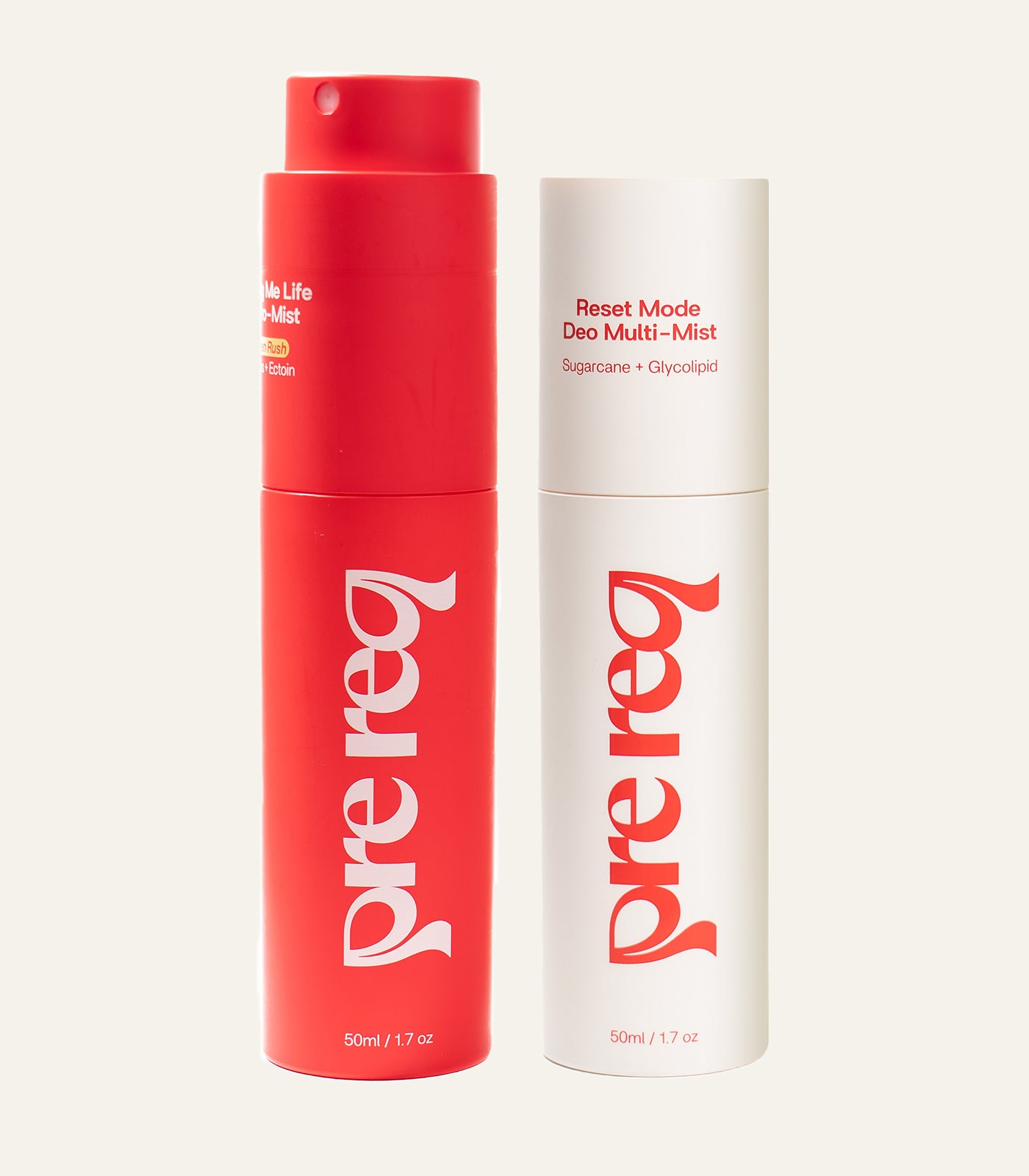
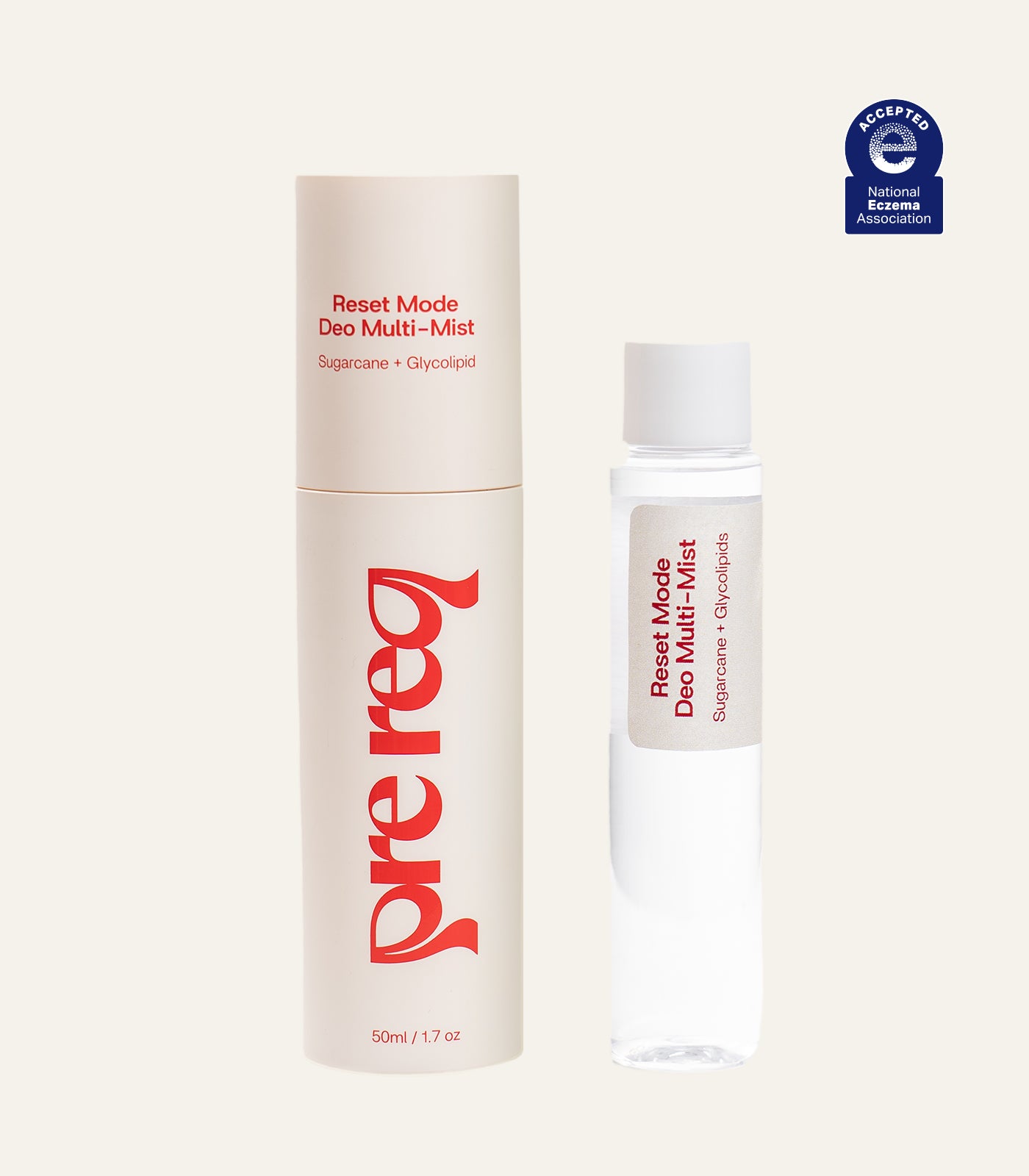
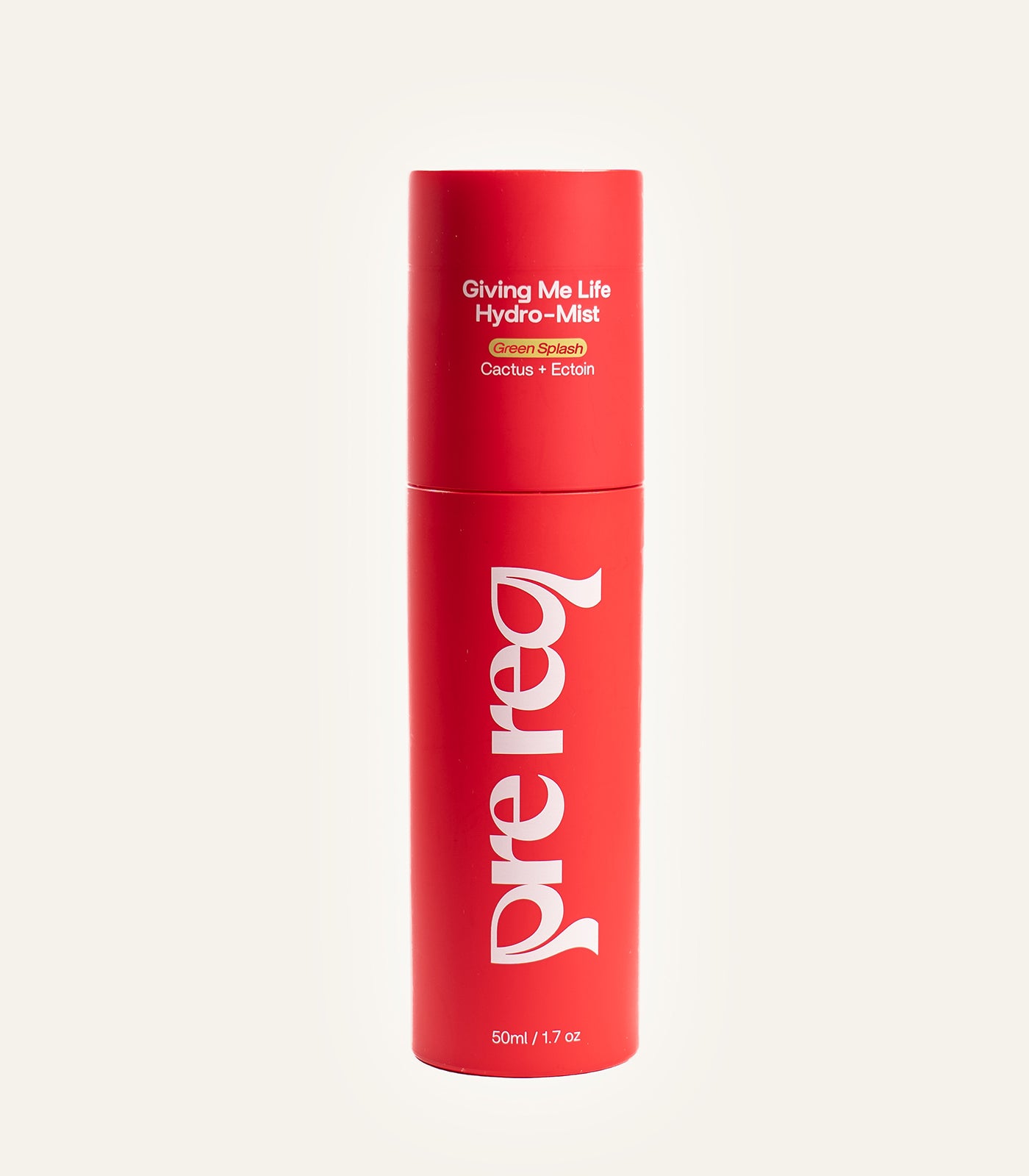
To keep your child's skin healthy while they are active, you need to protect it from the outside and keep it hydrated from the inside.
Before Activity
Apply a non-irritating, water-resistant sunscreen with at least SPF 30 before your child heads out. Reapply every two hours, or immediately after swimming or heavy sweating. Choose mineral-based formulas with zinc oxide or titanium dioxide for sensitive skin, as these sit on top of the skin rather than being absorbed into it.
Have your child drink a full glass of water before the activity begins. This gives the body a hydration head start.
During Activity
On hot days, you have to take breaks every 20 to 30 minutes. Don't just drink when you're thirsty; make it a habit. Bring a big water bottle with a clear label that your child can see all day. Kids are more likely to drink more regularly if they can see how much they've had.
When you can, wear light clothing, wide-brimmed hats, and sunglasses that block UV rays to keep your skin safe from direct sunlight. Breaks in the shade are important too.
After Activity
This is where many parents stop short. Post activity skin care matters as much as the hydration itself.
As soon as you can, rinse off the sweat. If you leave sweat on your skin, it can clog your pores and make you feel itchy, especially around your hairline, neck, and back. For active kids, a gentle cleanser that doesn't irritate the skin is best because it gets rid of bacteria and salt without taking away the skin's natural oils.
Put on a light, allergy-friendly moisturizer while your skin is still a little damp. This keeps any moisture that is still in the skin from evaporating into the air.
How to Keep Kids Hydrated in Hot Weather
Hot weather changes the hydration equation significantly. Higher temperatures mean faster sweat rates, faster fluid loss, and a greater risk of heat-related illness.
Practical Tips for Hot Weather Days
Start the day hydrated. Drink water at breakfast, not just when you feel dehydrated.
Freeze water bottles the night before outdoor activities. Kids tend to drink more when the water is cold, and the bottle stays cool longer in summer heat.
Bring snacks that are rich in water. Likewise, Cucumbers, watermelon, strawberries, grapes, and orange slices all contain significant water content, and kids eat them willingly. Connecticut Children's Hospital notes that watermelon and frozen fruit slices are a particularly effective way to sneak in extra hydration without any fight.
Plan outdoor activities for the cooler times of day. In the hottest months of summer, the best times to go are early in the morning and early in the evening. Don't play outside between 11 a.m. and 3 p.m. when the heat and UV radiation are at their highest.
Best Hydration Tips for Kids Playing Outdoor Sports
Set a hydration schedule and stick to it. Do not rely on thirst as your guide. Henry Ford Health recommends mandating a full glass of water before play begins, followed by water breaks every 30 minutes throughout. After the play ends, another full glass starts the recovery process.
Best Ways to Keep Kids Hydrated During Sports
Sports create a specific hydration challenge because children are focused on the game, not on how they feel. Here is a schedule that works for most youth sports settings:
Hydration Schedule for Young Athletes
|
Timing |
Recommended Action |
|
2 hours before |
1 to 2 cups of water |
|
30 minutes before |
Half a cup to one cup |
|
Every 20 minutes during |
Small sips, about half a cup |
|
Within 30 minutes after |
1 to 2 cups to begin recovery |
|
With the post-game meal |
Continue drinking throughout |
What Should Kids Drink Before, During, and After Exercise?
Before exercise, plain water is the right choice. During exercise under one hour, water remains the best option. For exercise lasting longer than 90 minutes in the heat, a low-sugar electrolyte drink becomes appropriate. After exercise, water with a small balanced meal or snack helps replenish both fluids and the glycogen that muscles burned during play.
Can Poor Hydration Affect My Kid's Sports Performance?
Studies show that it can do this every time. Even mild dehydration, which can happen when you lose just one to two percent of your body weight through sweat, can make you less physically fit, less coordinated, and slower to react. Those effects show up quickly for a young athlete who is trying to dribble, catch, or sprint. It's not just about comfort to keep your child well-hydrated. It has a direct effect on how well they do.
How to Make Kids Actually Want to Drink More Water
This is the real challenge for most parents. Knowing how much water your child should drink is straightforward. Getting them to actually drink it is another matter entirely.
Practical Strategies That Work
Give them ownership of their water bottle. Let kids choose their own bottle, personalize it with stickers, or pick a favorite color. When children feel attached to their bottle, they carry it more and use it more. Connecticut Children's Hospital suggests making a DIY art project out of a plain water bottle using waterproof stickers and permanent markers.
Make water more interesting. Freeze citrus slices, mint leaves, or small chunks of strawberry or watermelon directly into ice cubes. Drop them into water for a subtle flavor that kids find exciting without adding any sugar. Infused water is a simple but genuinely effective trick.
Use visual feedback. Teach your child to check the color of their urine. Explain that a light lemonade color means they are doing well. Dark yellow means they need to drink more. Kids respond surprisingly well to this kind of concrete, non-abstract feedback.
Hydration Tips for Kids Who Forget to Drink Water
Set reminder alarms on a phone or a smartwatch. Build water breaks into predictable moments in the day: at breakfast, at school pickup, before practice, after practice, and at dinner. Predictable triggers work better than relying on memory or thirst.
How to Encourage Kids to Hydrate Without Power Struggles
Keep water visible and accessible. Fill a pitcher every morning and set it on the counter at eye level for your child. When water is easy to reach, kids drink it. When it requires effort to find, they skip it.
Never make hydration a punishment or a negotiation. Frame drinking water as something athletes do, not something they have to do.
Simple Skin Care Routine for Active Kids
Active kids do not need a complicated routine. They need a consistent one. Here is what works for most children who sweat regularly:
Morning (Before Activity)
Apply a lightweight, fragrance-free moisturizer to the face and any areas prone to dryness, like elbows and knees. Follow immediately with a water-resistant, broad-spectrum mineral sunscreen at SPF 30 or higher.
After Activity or School
Rinse off sweat with lukewarm water as soon as possible after play. Use a gentle, fragrance-free cleanser rather than a standard bar soap, which can strip the skin's natural protective oils. Pat dry with a clean towel rather than rubbing.
Evening
Apply moisturizer while skin is still slightly damp from washing. Focus on the face, neck, hands, and any areas that looked dry or irritated during the day. Look for products containing ingredients like aloe vera, shea butter, or ceramides, all of which help restore the skin barrier.
How to Clean Kids' Skin After Sweaty Activities
Do not skip this step, even if your child looks clean. Sweat carries salt, bacteria, and environmental debris that sit on the skin and cause irritation over time. A quick lukewarm rinse with a gentle cleanser takes two minutes and prevents a surprising number of skin issues, including acne, pores, rashes, and contact dermatitis from sports gear.
Does My 10-Year-Old Need Special Skincare Products?
Not necessarily. The most important qualities in products for active kids are that they are fno fragrance products, hypoallergenic, and formulated without parabens, phthalates, or alcohol. Mustela's skincare guidance recommends looking for natural ingredients like avocado oil, sunflower oil, aloe vera, and shea butter in products for children. Save the specialty teen products for when there is a specific need, like mild acne, rather than using them as a precaution.
Best Sunscreen for Active, Sweaty Kids
Choose a mineral sunscreen, water resistant formulation, with at least SPF 30. Mineral sunscreens using zinc oxide or titanium dioxide are gentler on children's skin than chemical alternatives. Reapply every two hours during outdoor activity, and immediately after swimming or toweling off. No sunscreen is truly waterproof, so reapplication is non-negotiable.
What are the best Hydrating Foods for Active Kids?
Hydration does not have to come entirely from a water bottle. Many foods carry significant water content and deliver bonus nutrients that active kids need.

|
Food |
Water Content |
Bonus Nutrients |
|
Watermelon |
About 92% |
Vitamins A and C, lycopene |
|
Cucumber |
About 96% |
Vitamin K, potassium |
|
Strawberries |
About 91% |
Vitamin C, folate |
|
Orange slices |
About 87% |
Vitamin C, fiber |
|
Grapes |
About 81% |
Antioxidants, potassium |
|
Celery |
About 95% |
Vitamin K, folate |
|
Peaches |
About 89% |
Vitamins A and C |
Smoothies made with Greek yogurt and fresh fruit double as both a hydration source and a recovery snack after sports, providing protein to support muscle repair alongside fluids.
Hydrating Drinks for Kids Beyond Plain Water
Unflavored milk is a solid secondary option, recommended by Children's Hospital of Philadelphia, because it provides hydration alongside calcium and protein that growing bodies need. For variety, homemade fruit infused water gives kids something interesting to sip without the sugar hit of commercial juice.
How to Monitor If Your Active Kid Is Properly Hydrated?
You do not need a medical device to track hydration. These three simple checks tell you almost everything you need to know:
The Urine Color Check
Teach your child to glance at the toilet before flushing. Pale yellow, like diluted lemonade, is the target. Anything darker than apple juice means they need more fluids.
The Skin Turgor Test
Gently pinch a small fold of skin on the back of your child's hand. Release it. If the skin springs back immediately, hydration is fine. If it stays tented for a moment, hydration may be low. This is a rough guide, not a diagnostic tool, but it is quick and useful.
The Energy and Mood Check
Dehydration affects behavior before it affects performance. A child who is unusually irritable, sluggish, or unfocused in the middle of an active day often just needs fluids. Offer water first and see if the mood shifts within fifteen minutes.
How to Keep Kids' Lips and Skin Moisturized During Activity?
Lips are often the first visible casualty of a long active day. They have no oil glands of their own, which means they depend entirely on hydration and topical protection.
Use a no-frill lip balm with SPF before outdoor activities. Reapply as often as needed, and teach your child to do it themselves as part of their pre-game routine. A stick format works better than a pot for sweaty hands.
For overall skin during activity, a light layer of fragrance-free moisturizer applied before heading out creates a basic barrier. For contact sports, make sure the product is fully absorbed before play begins to avoid slipperiness on hands.
Do Active Kids Need Different Hydration Than Inactive Kids?
Yes. The baseline AAP recommendations are built for typical daily activity. Active children, meaning those who participate in organized sports, physical education, outdoor play for more than an hour a day, or activities in warm weather, consistently need more.
A general pediatric guideline that many sports medicine practitioners use is to add approximately one additional cup of fluid for every 30 minutes of intense physical activity in moderate temperatures, more in heat and humidity.
Active kids also need to start hydrated. A child who arrives at practice already mildly dehydrated from a dry school day indoors is starting at a disadvantage. Building morning hydration into breakfast time, and keeping a water bottle accessible throughout the school day, makes a meaningful difference in how your child feels and performs by the afternoon.
Conclusion
Keeping your active kid hydrated and their skin healthy does not have to be complicated. It just has to be consistent.
Offer water before they ask for it. Pack water rich snacks alongside the water bottle. Rinse off sweat after practice and follow it with a light moisturizer. Those three habits alone will do more for your child's energy, performance, and skin than any sports drink or fancy skincare product ever could.
Your kid is going to sweat. They are going to forget to drink. They are going to come home looking like they rolled through a dust storm. That is what active kids do. Your job is simply to make hydration easy enough that it happens without a fight, and to build a post activity routine simple enough that it actually gets done.
Start small. Pick one habit from this guide and add it to tomorrow's routine. The water break every 20 minutes. The sunscreen before the game. The two minute rinse after practice. One consistent habit beats a perfect routine that never happens.
AI Overview
Active kids dehydrate faster than adults because they lose more water through sweat and rarely notice thirst until it is too late. Parents need a proactive plan, not a reactive one.
Daily water needs by age:
-
Ages 1 to 3: 4 cups per day.
-
Ages 4 to 8: 5 cups per day.
-
Ages 9 to 13: 7 to 8 cups per day.
-
Ages 14 and older: 8 to 11 cups per day.
Add one to two extra cups for every hour of sports or outdoor play in the heat.
Watch for these dehydration signs
Dark yellow urine, cracked lips, headaches after sports, unusual fatigue, and dull or flaky skin are all signals your child needs more fluids. Pale lemonade colored urine means they are on track.
Water vs electrolyte drinks
Plain water works for activity under 90 minutes. For longer or more intense sessions in heat, a low sugar electrolyte drink helps replace minerals lost through sweat.
What dehydration does to skin
Not enough fluid weakens the skin barrier, causing dryness, redness, and slower healing. After activity, rinse sweat off with a gentle cleanser and apply a light fragrance free moisturizer to damp skin. Add mineral sunscreen at SPF 30 or higher before heading outside.
The simplest habit that works
Drink before thirst hits, take water breaks every 20 to 30 minutes during play, and offer water rich snacks like watermelon and cucumber alongside regular fluids.

