


Kids and teens need four steps after swimming to keep their skin from drying out. Rinse with fresh water, cleanse gently, moisturize while skin is still damp, and reapply sunscreen if they're heading back outside. Chlorine and pool chemicals pull moisture out of young skin fast, and skipping even one of these steps is usually why a child ends up with tight, itchy, or flaky skin by bedtime. Kids and teens don't need a long list of specialty products to fix this. They need the right four steps, done in the right order, every time they get out of the pool.
Why Chlorine and Pool Water Dry Out Kids' and Teens' Skin
Chlorine keeps pool water safe from bacteria and other microorganisms, but it also strips away sebum, the skin's natural oil that holds in moisture and keeps out irritants. Because kids' and teens' skin barriers are still developing, this stripping effect shows up faster and more visibly than it does on adult skin. Parents who want the fuller picture of how repeated pool exposure changes skin over time can read more on chlorine's effects on kids' skin, which breaks down the barrier science in more depth.
Most parents assume a red, itchy rash after swimming means their child is allergic to chlorine. That's rarely accurate. What's actually happening is irritant contact dermatitis, a reaction to the chemical itself rather than an immune response. It typically appears within minutes to a day of leaving the pool, only affects skin that touched the water, and eases once the skin barrier is restored. Swimmer's itch is a separate condition caused by tiny parasites in fresh or salt water, not chlorine, and it's uncommon in a well-maintained, properly treated pool.
This is exactly why barrier support matters more for developing skin than for adult skin. As Dr. Tiffany Libby, board-certified dermatologist and Prereq's strategic advisor, puts it:
What stood out to me immediately was how intentionally Prereq Care approached formulation for young skin. The products are built around supporting the skin barrier first, with carefully selected ingredients that each serve a clear purpose. By keeping formulas gentle, effective, and microbiome-supporting, I can feel confident recommending them for teens and pre-teens.
The 4-Step Post-Swim Skincare Routine
These four steps work best done in order, and together they take just a few minutes right after your child gets out of the pool.
Step 1: Rinse With Fresh Water Immediately
The single most important step happens within minutes of leaving the pool. A full-body rinse in lukewarm, not hot, water removes chlorine and chloramines before they sit on the skin any longer than necessary. Hot water feels appealing but opens pores further and strips even more natural oil, so it works against the goal here. Make sure the rinse reaches under swimsuit straps, behind the ears, and through wet hair down to the scalp, since these are the spots where chlorinated water tends to linger longest.
Step 2: Cleanse With a Gentle, Fragrance-Free Wash
After rinsing, a mild, pH-balanced cleanser finishes removing chlorine residue without adding more irritation on top of it. Look for fragrance-free formulas and skip anything with alcohol, sulfates, or strong scent, all of which can aggravate skin that's already been stripped of its natural barrier. Most kids don't need to double cleanse; one gentle wash after a swim is enough.
Step 3: Moisturize While Skin Is Still Damp
Dermatologists call this technique "soak and seal." Applying moisturizer within a few minutes of toweling off, while skin is still slightly damp, helps trap water in rather than let it evaporate. Look for ingredients like ceramides, hyaluronic acid, or aloe vera, which restore the barrier without clogging pores.
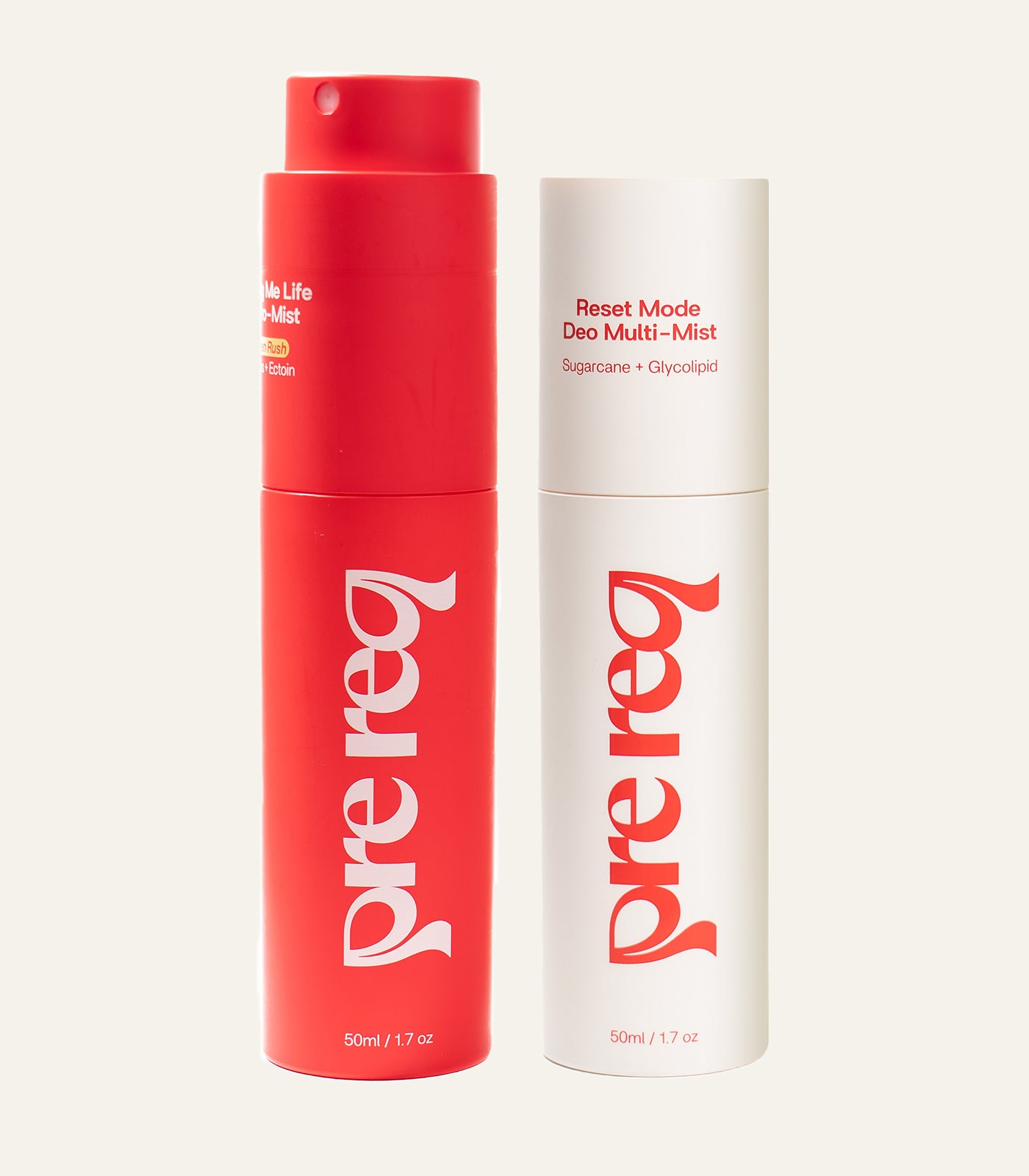
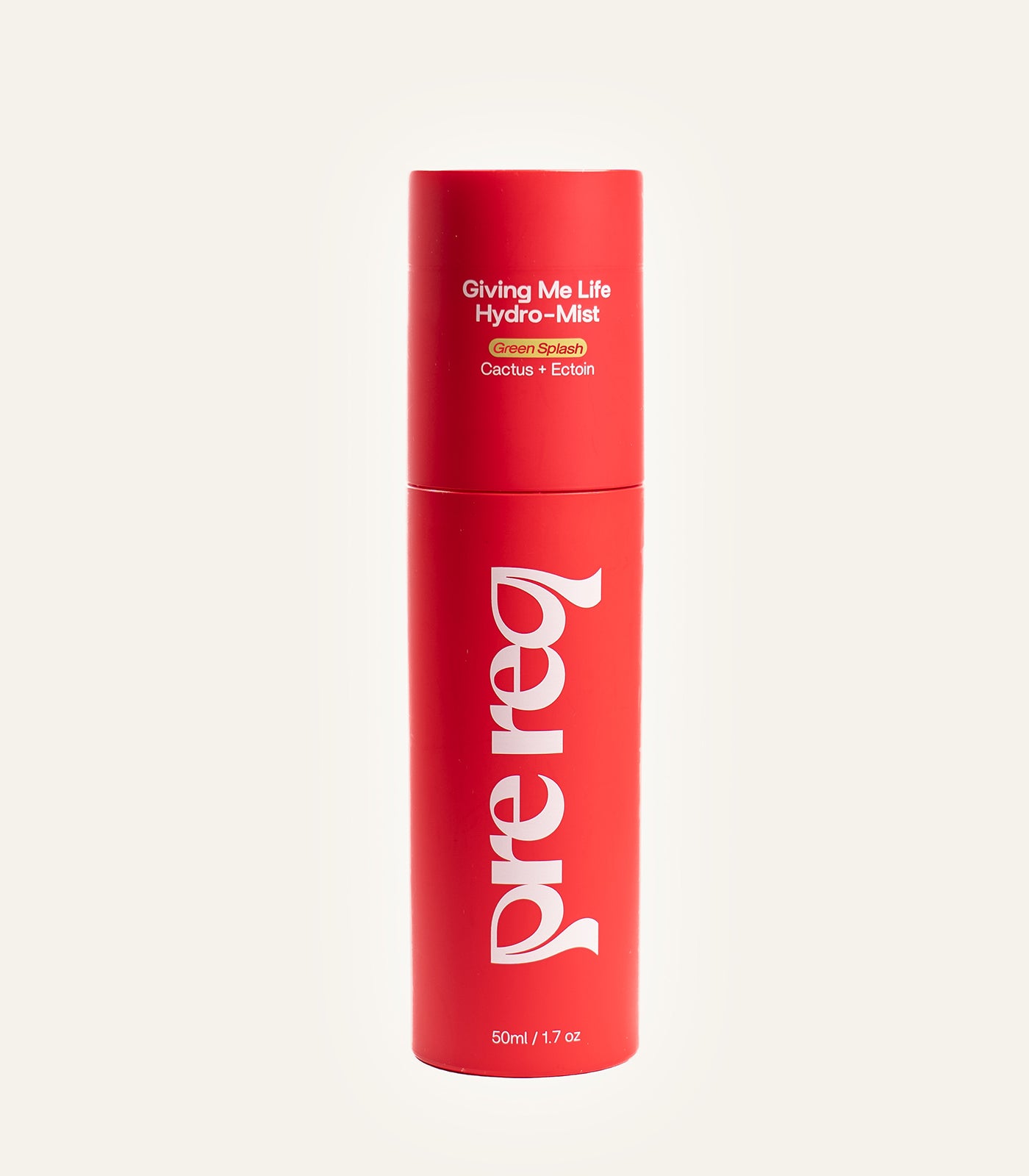
For kids and teens who swim after school or between practices, a hydrating facial mist like Giving Me Life Hydro-Mist is a fast, portable way to reintroduce moisture before they're off to their next activity. Dr. Libby points out that this matters even more for acne-prone teens:
Acne-prone skin needs more than just hydration; it needs protection. The Giving Me Life Hydro-Mist uses cactus extract to calm redness and Ectoin to shield against environmental aggressors. This includes pollution, UV, and even blue light from screen time, ensuring your teen's skin is protected during school, sports, and everything in between.
Step 4: Reapply Mineral Sunscreen if They're Heading Back Outside
If swim time is followed by more time outdoors, sunscreen needs to go back on. A mineral formula with zinc oxide, SPF 30 or higher, sits on top of the skin rather than absorbing into it, which makes it the gentler option for young skin. Water-resistant labeling doesn't mean waterproof or towel-proof, so reapply as soon as they're dry, not just when you remember.
Recommended Products for Tweens & Teens
Support healthy hygiene and skincare habits with gentle, age-appropriate essentials designed for pre-teens and teens.
Ingredients to Look For and Avoid After Swimming
Post-swim skin is more reactive than usual, so ingredient choice matters more right after a swim than it does the rest of the day.
|
Look for |
Avoid |
|
Ceramides |
Alcohol |
|
Hyaluronic acid |
Synthetic fragrance |
|
Aloe vera |
Harsh sulfates |
|
Squalane |
Benzoyl peroxide or retinol right after swimming |
That same look-for-avoid logic is the reason Prereq builds around self-care basics for kids that skip synthetic fragrance and other common irritants across the board, not just in swim-specific products.
Don't Forget These Areas
Ears and eyes need their own quick attention. Tilting the head to each side to drain trapped water helps prevent swimmer's ear, and rinsing eyes with fresh water reduces the redness that comes from chlorine and chloramines irritating sensitive eye tissue. Swimsuit straps also create friction points on the shoulders and hips where chlorinated fabric sits against skin longest, so it's worth a slightly heavier pass with moisturizer in those spots.
Pre-Swim Prep Matters Too
A quick fresh-water rinse before swimming means skin is already damp and absorbs less chlorinated pool water once your child gets in. A light, barrier-supporting lotion applied beforehand adds another layer of protection, especially for kids with naturally dry or sensitive skin. For kids who go from swim practice straight into another sport, a sports hygiene kit built for kids and teens covers the pre- and post-activity basics that extend beyond skincare alone.
What Changes Between Ages 8 to 12 and the Teen Years
For kids around 8 to 10, this four-step post-swim routine is often the entire skincare routine they need, similar to the beginner skincare routine most tweens start with. Teens who are producing more oil and dealing with early breakouts may want to follow up later in the day with a lighter, oil-balancing step from an oily skin routine built for teens, rather than introducing actives immediately after a swim, when skin is already more reactive than usual.
Common Post-Swim Skincare Mistakes
Waiting too long to rinse is the most common one; chlorine keeps working on skin the longer it sits. Hot showers and harsh soap feel like they clean better but strip more oil than they remove residue. Skipping moisturizer because skin "just got wet" ignores that swimming is a net moisture loss, not a gain. And layering strong actives like retinol or benzoyl peroxide on the same day as heavy chlorine exposure tends to backfire, since the barrier is already compromised.
Frequently Asked Questions
How do you take care of kids' skin after swimming?
Rinse with fresh water immediately, cleanse with a gentle fragrance-free wash, and apply a barrier-supporting moisturizer while skin is still damp. Reapply mineral sunscreen if they're heading back outside.
What should a 13-year-old's skincare routine look like?
A 13-year-old's routine can stay close to the same three or four basics as younger tweens, with room for a lightweight, oil-balancing moisturizer if breakouts are becoming more frequent. Harsh actives still aren't necessary at this stage.
What should you use on skin after swimming in a pool?
A fragrance-free cleanser followed by a moisturizer with ceramides or hyaluronic acid works well for most kids and teens. Avoid alcohol-based or heavily scented products right after a swim, since skin is more reactive than usual.
What should a 10-year-old use for skincare?
A 10-year-old generally needs a gentle cleanser, a lightweight moisturizer, and daily mineral sunscreen. After swimming, the same four-step post-swim routine covers what their skin needs.
Why does skin feel dry after swimming?
Chlorine strips away the skin's natural oils, which normally hold in moisture. This leaves skin feeling tight, itchy, or scaly until it's rinsed, cleansed, and remoisturized.
Making This Post-Swim Skincare Routine a Habit
A post-swim skincare routine for kids and teens doesn't need a cabinet full of products. Rinse right away, cleanse gently, moisturize while skin is still damp, and reapply sunscreen if the day isn't over yet. Done consistently, these four steps are enough to keep chlorine from taking a toll on developing skin all summer long. If you're putting this routine together for your own tween or teen, Prereq's full lineup makes it simple to start with the basics.
Recommended Products for Tweens & Teens
Support healthy hygiene and skincare habits with gentle, age-appropriate essentials designed for pre-teens and teens.
This article is for informational purposes only and isn't a substitute for medical advice. If your child has persistent skin irritation after swimming, a pediatrician or dermatologist is the right next step.

