


A sports hygiene kit for kids and teens needs to control sweat and odor, make cleanup after practice or a game simple, and lower the risk of skin infections that spread easily in locker rooms and on shared equipment. At minimum, that means a gentle body cleanser, deodorant, a change of socks and shower shoes, a moisture-wicking towel, and a way to refresh skin after activity. Kids who play sports need more than the basic hygiene routine used on a normal school day, because sweat, shared gear, and skin-to-skin contact create problems a regular toiletry bag doesn't solve.
Why Kids and Teens in Sports Need a Dedicated Hygiene Kit
A regular before-school routine is built around one shower and one set of clean clothes. Sports change that equation. A single practice can involve multiple sweat cycles, shared mats or pads, communal locker rooms, and hours in damp socks or uniforms, all conditions that let bacteria and fungi thrive.
This is where a hygiene kit for teens who play sports needs to go further than soap and deodorant. The American Academy of Dermatology notes that young athletes face a higher risk of fungal, bacterial, and viral skin conditions than kids who aren't in regular sports, largely because of skin-to-skin contact, shared equipment, and prolonged sweat exposure.
None of this is a reason to worry. It's a reason to pack a kit that does more than mask odor, and to treat the habits around it, not just the products, as the real prevention plan.
What to Put in a Sports Hygiene Kit for Kids and Teens
A functional kit doesn't need to be complicated. It needs to be complete, portable, and used consistently. Here's what belongs in it:
|
Item |
Why It Matters |
|
Gentle, fragrance-free body cleanser |
Removes sweat and bacteria without stripping young, developing skin |
|
Aluminum-free deodorant |
Controls odor without blocking sweat glands, which most kids don't need |
|
Post-activity hydrating mist |
Refreshes skin and restores moisture after a sweaty practice or game |
|
Moisture-wicking towel |
Dries skin fully, which helps prevent fungal growth in damp areas |
|
Shower shoes or sandals |
Reduces contact with locker room and shower floors, a common transfer point for athlete's foot |
|
Travel-size shampoo |
Removes sweat buildup from the scalp after intense activity |
|
Clean socks and a spare set of clothes |
Prevents kids from sitting in damp fabric, which encourages bacterial and fungal growth |
|
Hand sanitizer |
Useful between activities when a sink isn't available |
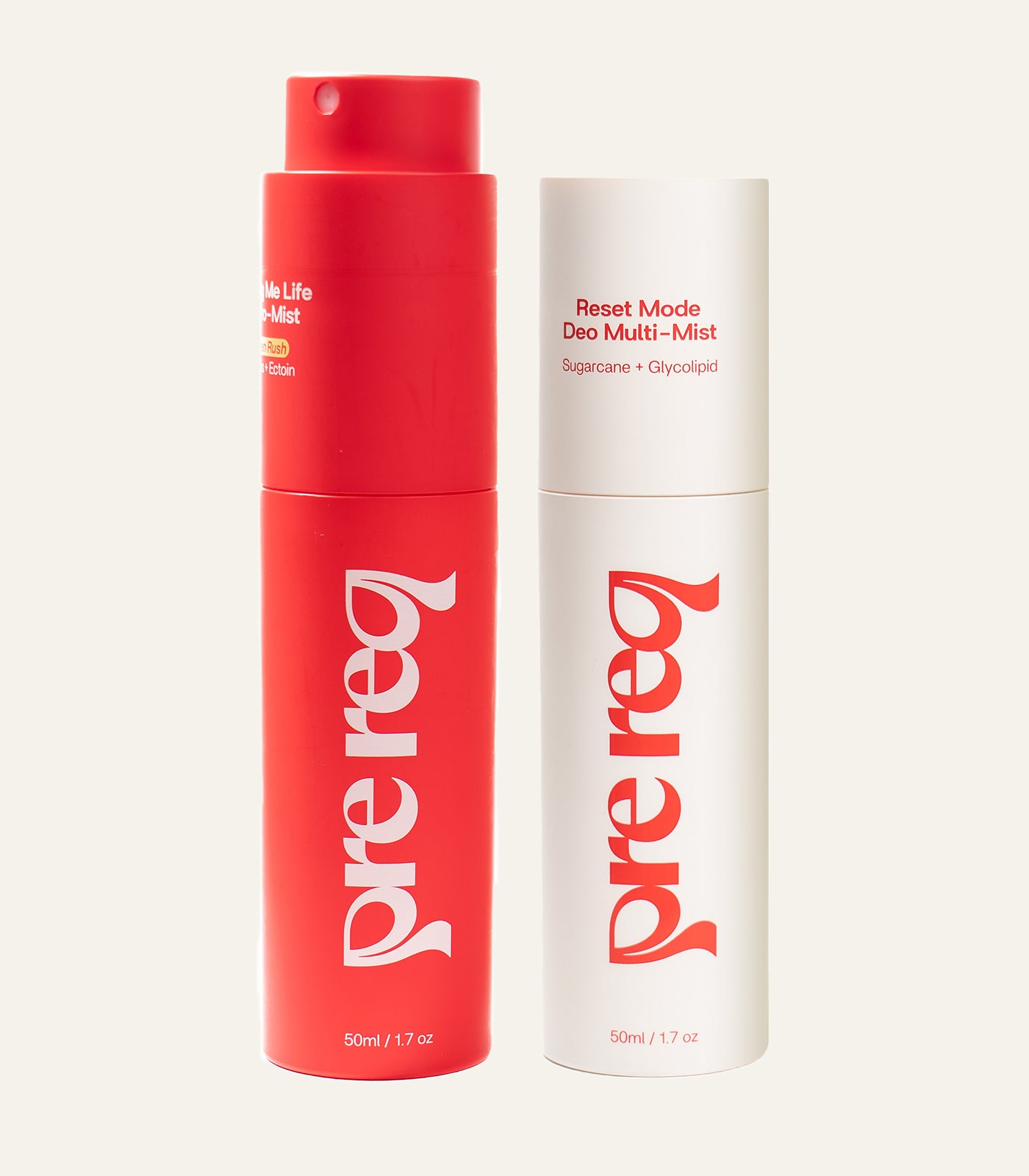
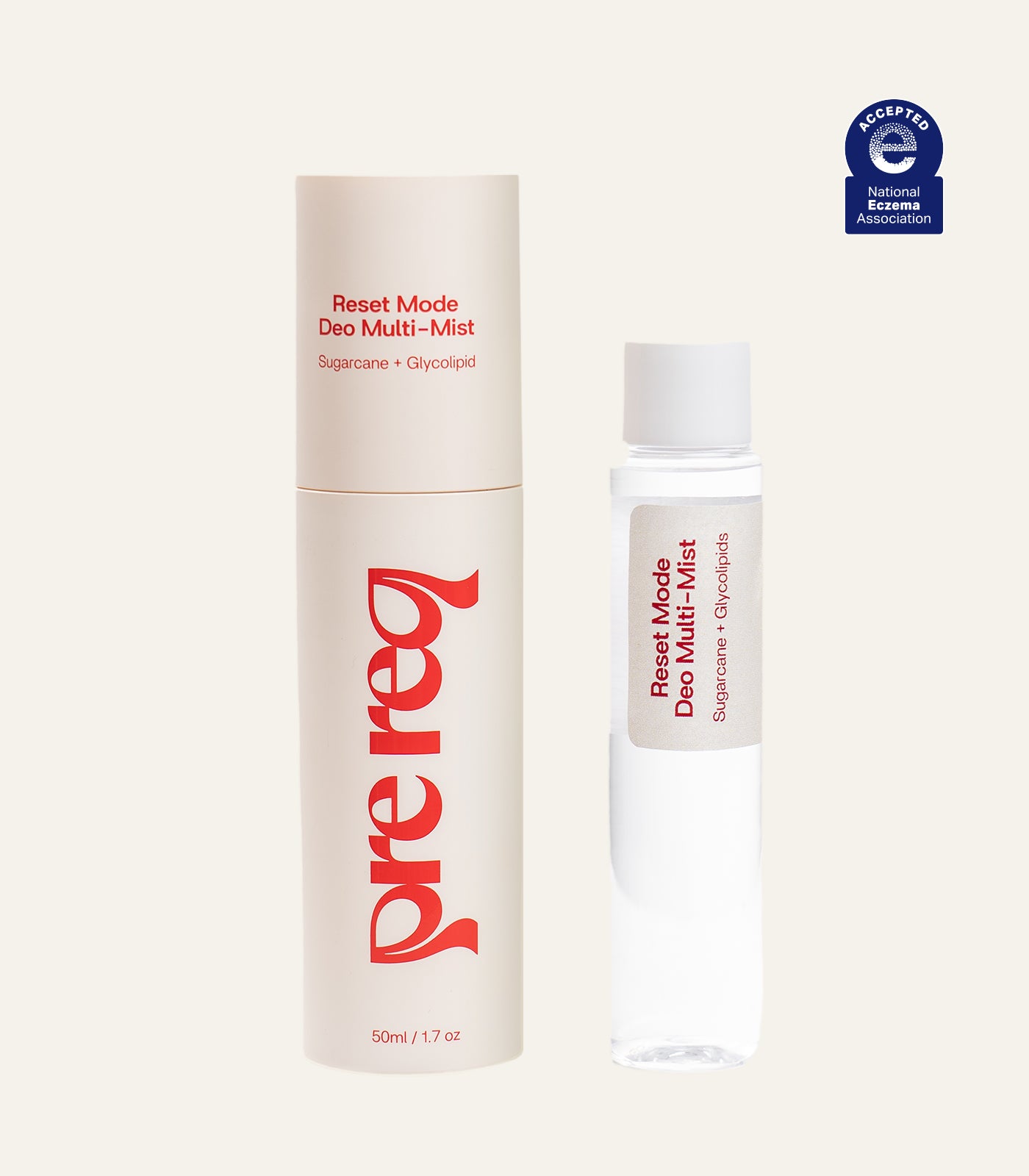
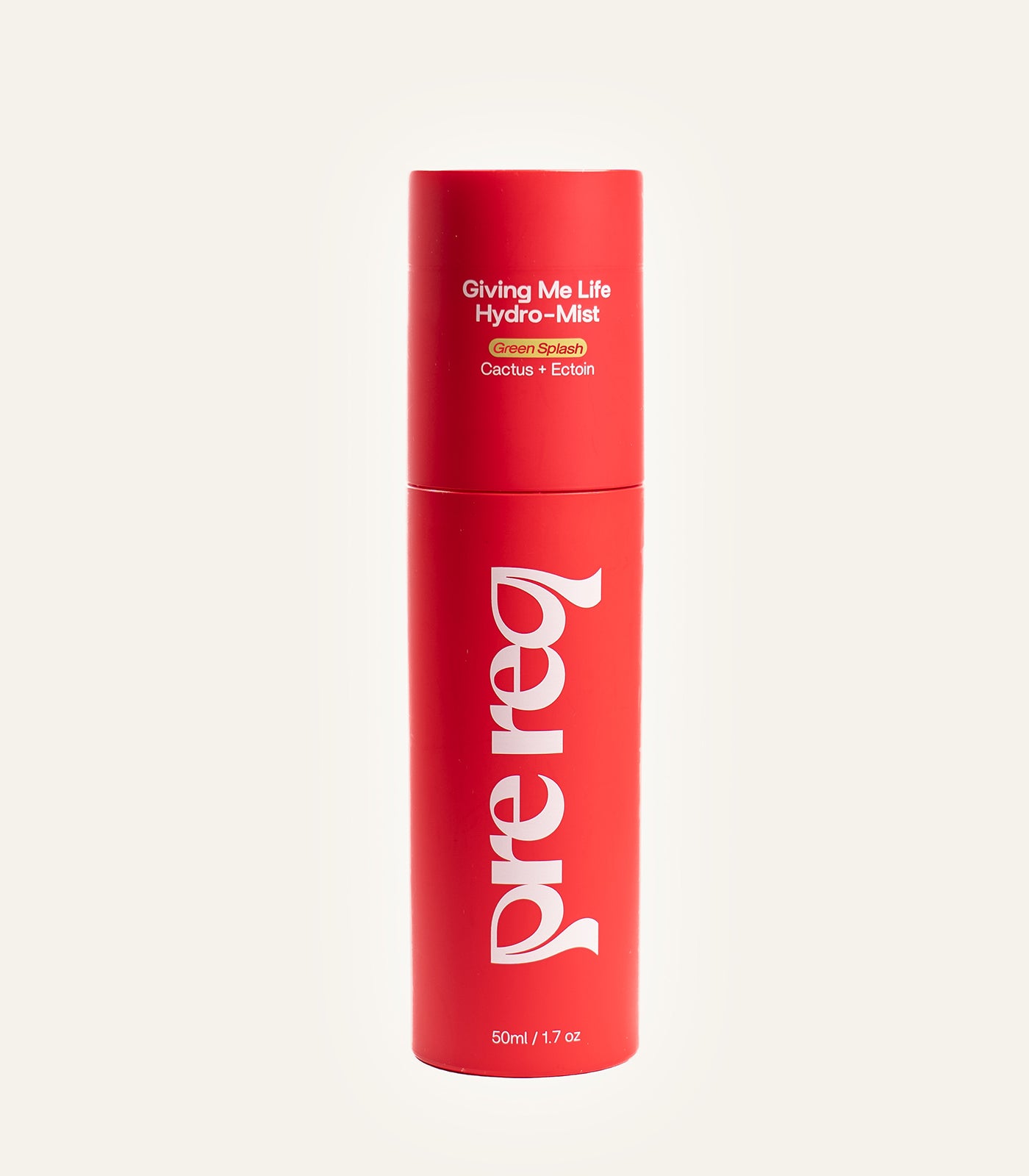
For the deodorant slot, a formula built specifically for young, active skin makes a real difference. Reset Mode Deo Multi-Mist uses sugarcane fermentation instead of aluminum or baking soda to neutralize odor, which means it works on sweaty underarms, feet, or gear without disrupting a developing skin barrier. For the hydration piece, Giving Me Life Hydro-Mist is a lightweight option easy to keep in a side pocket for a quick refresh between periods, innings, or drills.
To keep everything contained inside a gym bag, a portable hygiene kit stays organized with the Prereq Pouch, which keeps bottles from leaking onto shin guards, cleats, or homework.
Recommended Products for Tweens & Teens
Support healthy hygiene and skincare habits with gentle, age-appropriate essentials designed for pre-teens and teens.
Hygiene Kit Essentials by Age and Activity Level
What goes into the kit should shift as a child's body changes and their activity level increases.
Hygiene Kit for Tweens (Ages 8–11)
At this stage, most kids are just starting to notice body odor after practice, even if full puberty hasn't started, and the right time for a first deodorant has more to do with body changes than a specific birthday. A gentle cleanser, a light deodorant, and a spare pair of socks usually cover it. Parents are often the ones stocking the bag at this age, so keeping the kit simple makes it more likely to actually get used.
Hygiene Kit for Teenage Boys
Teenage boys in contact sports like wrestling, football, or basketball face higher exposure to skin-to-skin contact and shared equipment, which raises the importance of a full-body deodorant, shower shoes, and prompt post-practice showers. A personal hygiene kit for teenage boys playing these sports should also include a way to manage feet specifically, since athlete's foot is one of the most common fungal infections in this age group.
Hygiene Kit for Teenage Girls
For teenage girls, the kit often needs to double as a quick refresh option between school, practice, and social plans. A hydrating mist, deodorant, and a compact cleanser cover the basics, and many families managing this for the first time find it easier to start from an established skincare set built for kids rather than assembling one product at a time.
Preventing Skin Infections in Youth Sports
Odor control is only part of the picture. Sweat, warmth, and close contact create the exact conditions that fungal and bacterial infections need to spread. The most common ones young athletes encounter include:
-
Athlete's foot (tinea pedis): a fungal infection that thrives in damp shoes, socks, and shower floors
-
Ringworm (tinea corporis): a fungal infection that spreads through skin contact or shared gear, mats, and towels
-
Acne mechanica: breakouts caused by sweat and friction trapped under helmets, straps, and pads
-
Impetigo: a bacterial infection that spreads easily in close-contact sports
The Nemours Foundation's KidsHealth resource on this topic explains that kids and teens can meaningfully lower their risk by keeping skin clean and fully dry after sweating, avoiding shared towels, combs, or clothing, and washing sports gear and uniforms regularly rather than letting them sit in a bag. None of this requires special products; it's almost entirely about consistent habits, which is exactly why a hygiene kit that's actually packed and used matters more than any single item in it.
How Often Should Young Athletes Shower and Reapply Deodorant?
A shower after every practice or game is the single most protective habit in this entire guide; it removes sweat and bacteria before they have time to cause odor or irritation. Deodorant reapplication depends on activity level: one application in the morning is usually enough on light-activity days, while a second application after practice or a game helps kids who sweat heavily or have back-to-back activities. Kids who consistently need more than two applications a day, even on cooler days, may be dealing with hyperhidrosis rather than typical athletic sweat, a different, medically recognized pattern worth mentioning to a pediatrician if it keeps happening.
Building a Locker-Room-Ready Routine
A simple before-during-after structure makes the kit easy to use without adult reminders.
|
When |
What to Do |
|
Before practice |
Apply deodorant, pack a spare set of clothes and socks |
|
During activity |
Keep a hydrating mist on hand for a mid-session refresh |
|
After practice |
Shower promptly, dry off completely, reapply deodorant, change into clean clothes |
FAQs
What should a hygiene kit for a young athlete include?
A hygiene kit for a student athlete should include a gentle cleanser, deodorant, a towel, clean socks, and shower shoes. These five items cover odor control and basic infection prevention for most practice and game schedules.
What should go in a hygiene kit for boys playing sports?
A hygiene kit for boys should include deodorant, a body wash, shower shoes, and clean socks, with extra attention to foot care since athlete's foot is common in contact and team sports.
What toiletries do 12-year-old boys need for sports?
Most 12-year-old boys need a gentle deodorant, a basic body wash, and shower shoes at this stage. Full skincare routines usually aren't necessary yet unless breakouts from sweat and gear become a regular issue.
What should a hygiene kit for teenage girls playing sports include?
A hygiene kit for teenage girls should include deodorant, a hydrating mist, a gentle cleanser, and a small towel, since many teens want a quick way to refresh between practice and other plans.
How often should a teenager shower after practice?
A teenager should shower immediately after every practice or game. Prompt showering removes sweat and bacteria before they cause odor or contribute to skin irritation.
Do young athletes need deodorant or antiperspirant?
Most young athletes only need deodorant, which controls odor without blocking sweat glands. Antiperspirant is rarely necessary at this age unless a pediatrician has identified true excessive sweating.
The Right Sports Hygiene Kit Builds a Habit, Not Just a Bag
A sports hygiene kit for kids and teens works best when it's simple enough to actually get used every practice, not just packed once and forgotten. Cleanser, deodorant, a hydrating mist, and a few backup basics cover nearly every situation a young athlete runs into. Restocking mid-season is easier with refillable formats, so the kit stays ready without a scramble before the next game. Browse the refillable lineup when it's time to top off.
Recommended Products for Tweens & Teens
Support healthy hygiene and skincare habits with gentle, age-appropriate essentials designed for pre-teens and teens.
This article is for informational purposes only and isn't a substitute for medical advice. If your child has a persistent rash, unusual skin changes, or a skin infection that doesn't improve, a pediatrician or dermatologist is the right next step.

