


Hyperhidrosis in children shows up as sweating that doesn't fit the moment: soaked palms during a quiet class, socks wet through without any running around, or underarm sweat in a cool room. It usually affects both sides of the body at the same time, both hands, both feet, or both underarms, rather than just one. And unlike normal sweat, it doesn't ease up once your child sits down and calms down.
When this happens at least once a week for six months or more, it's no longer "just an active kid." It's a pattern worth mentioning to a pediatrician.
Normal Sweat vs. Hyperhidrosis in Kids: What's the Difference?
Every child sweats when they're hot, running around, nervous before a test, or fighting off a fever. That's ordinary, functional sweat, and it settles down once the trigger passes. Hyperhidrosis behaves differently: the sweat glands fire whether or not there's a reason for them to.
|
Normal Sweat |
Hyperhidrosis |
|
|
Trigger |
Heat, activity, fever, nerves |
Often none, or disproportionate to the trigger |
|
Pattern |
Whole body, or wherever the activity is |
Usually symmetrical: both hands, both feet, or both underarms |
|
Resolves with rest |
Yes, within minutes |
Often continues at rest |
|
Frequency |
Situational |
At least weekly, for six months or more |
There's also a split worth knowing between primary focal hyperhidrosis, which runs in families, tends to affect the palms, soles, underarms, or face, and typically stops once a child falls asleep, and secondary hyperhidrosis, which is tied to another condition or medication and can show up anywhere on the body, including overnight. Both fall under the broader pattern of excessive sweating in kids, and sorting out which type you're dealing with is usually the first thing a pediatrician does before recommending a treatment path.
Early Signs of Hyperhidrosis in Kids, by Age
Signs don't look the same at every stage, and that matters for figuring out whether what you're seeing is developmentally normal or worth a closer look.
[product-card]
Toddlers and Young Children
A soaking wet head at night or damp socks after an afternoon of play is common in toddlers and young kids, mostly because their temperature-regulation system is still maturing. This usually isn't hyperhidrosis, and it tends to resolve on its own as a child gets a bit older. It's worth mentioning to a pediatrician only if it's happening daily, all over the body, or paired with other symptoms.
Tweens and School-Age Kids
This is typically when true early signs of hyperhidrosis in kids start to stand out: consistently damp palms during class, socks that need changing more than once a day, or underarm sweat that shows up even in air conditioning. Because this age range overlaps with early puberty, it's easy to mistake it for a hygiene issue rather than a distinct pattern.
Teens
By the teen years, the pattern is usually more defined, hands or underarms specifically, worse under stress, and noticeable enough that a teen starts adjusting their own behavior around it: dark clothing, avoiding handshakes, carrying extra socks. That self-awareness is often the first real signal a parent gets, more than the sweating itself.
Common Signs of Hyperhidrosis in Children (Checklist)
A handful of patterns tend to cluster together, and most parents catch one or two before noticing the rest:
-
Hands damp enough to smear pencil marks, dampen test papers, or make a touchscreen unreliable
-
Socks or shoes soaked through even without running around
-
Underarm sweat that stains clothing or shows up regardless of room temperature
-
A stronger, more noticeable body odor than expected, since heavier sweat gives skin bacteria more to break down
-
Sweating that follows the same areas every time rather than moving around
Does pediatric hyperhidrosis cause night sweats?
Not usually. Primary focal hyperhidrosis, the most common type in kids, tends to stop once a child falls asleep. Sweating that continues through the night, especially if it involves the whole body rather than just the hands, feet, or underarms, points more toward a secondary cause and is worth flagging to a doctor rather than waiting it out.
How Hyperhidrosis Affects a Child at School
The classroom is often where hyperhidrosis becomes hard to ignore, since it shows up in tasks a child can't avoid.
Wet Homework and Devices
Sweaty palms can smear ink, dampen worksheets enough to tear, and make touchscreens or keyboards misread taps. A cotton or terrycloth wristband kept in a pencil case gives a kid something to wipe against between problems without drawing attention to it.
School Accommodations
For kids with a documented diagnosis, some schools allow simple adjustments, extra time on written tests, permission to use a laptop instead of handwriting, or a pass to rinse hands between classes. These typically require a note from a pediatrician or dermatologist, so a diagnosis is the first step before requesting anything formal.
Talking to Teachers
A short, factual heads-up works better than a long explanation: "My child has a medical condition that causes extra sweating on their hands. It's not contagious, and it's being managed." That framing gives the teacher enough context to be understanding without turning it into a bigger conversation than it needs to be.
Does Hyperhidrosis Affect a Child's Mental Health?
Beyond the physical pattern, hyperhidrosis carries a social weight that's worth taking seriously on its own.
Anxiety and Hyperhidrosis
Can anxiety cause hyperhidrosis? Not directly, but the two do interact. Primary hyperhidrosis is driven by an overactive response in the nervous system, and stress or nervousness is a well-documented trigger that makes an existing pattern worse in the moment. Anxiety on its own can also cause temporary sweaty palms in any child, hyperhidrosis or not, so the two aren't the same thing even though they often show up together and can reinforce each other over time.
Social Impact and Bullying
Sweaty palms can make a kid hesitate to hold hands, shake hands, or raise their hand in class, and being teased over it compounds whatever embarrassment already exists. If a child is being teased or excluded specifically because of sweating, the most useful response is treating it as a straightforward medical fact rather than something to be defensive or apologetic about, and looping in the school counselor if it starts affecting how often your child wants to go to class or join group activities.
Managing Extremely Sweaty Feet at Home
Feet are one of the areas where day-to-day habits make a real difference alongside any treatment. Moisture-wicking socks, changed at least once a day, do more than cotton alone once sweating is heavy, and letting shoes fully air out between wears keeps bacteria from building up in the material. That same combination of trapped moisture and bacteria is usually what's behind smelly feet in kids, so treating the odor and the sweating together tends to work better than tackling just one. Kids with ongoing plantar sweating are also more prone to skin issues like peeling, softened skin, or a mild fungal rash from the constant moisture, so a foot rash that shows up alongside heavy sweating is often related rather than a separate problem.
What Are the Safest Treatments for Hyperhidrosis in Children?
Treatment for kids typically starts conservatively and only escalates if the first options don't work well enough.
Clinical-Strength Antiperspirants
This is usually the first option tried. Clinical-strength antiperspirants use aluminum salts to temporarily block sweat ducts, which is different from everyday deodorant, since deodorant manages odor but does nothing to reduce sweat volume, a distinction worth understanding before choosing between deodorant and antiperspirant for a child.
Iontophoresis for Hands and Feet
For sweating concentrated in the palms or soles, iontophoresis, a mild electrical current passed through water, is a common next step that doesn't involve any medication.
Oral Anticholinergics
Medications like glycopyrrolate are sometimes prescribed for kids who don't respond to antiperspirants alone. The main side effects to watch for are dry mouth, blurred vision, and constipation, which is why this option is typically managed under a pediatrician or dermatologist's guidance rather than started on a parent's own.
Managing Skin Reactions
If antiperspirant use causes redness or stinging, that's often a sign of underlying armpit eczema in kids rather than the product itself being the wrong choice, and it's worth addressing the skin reactivity directly instead of just switching formulas.
Daily Care: Deodorant and Facial Sweating
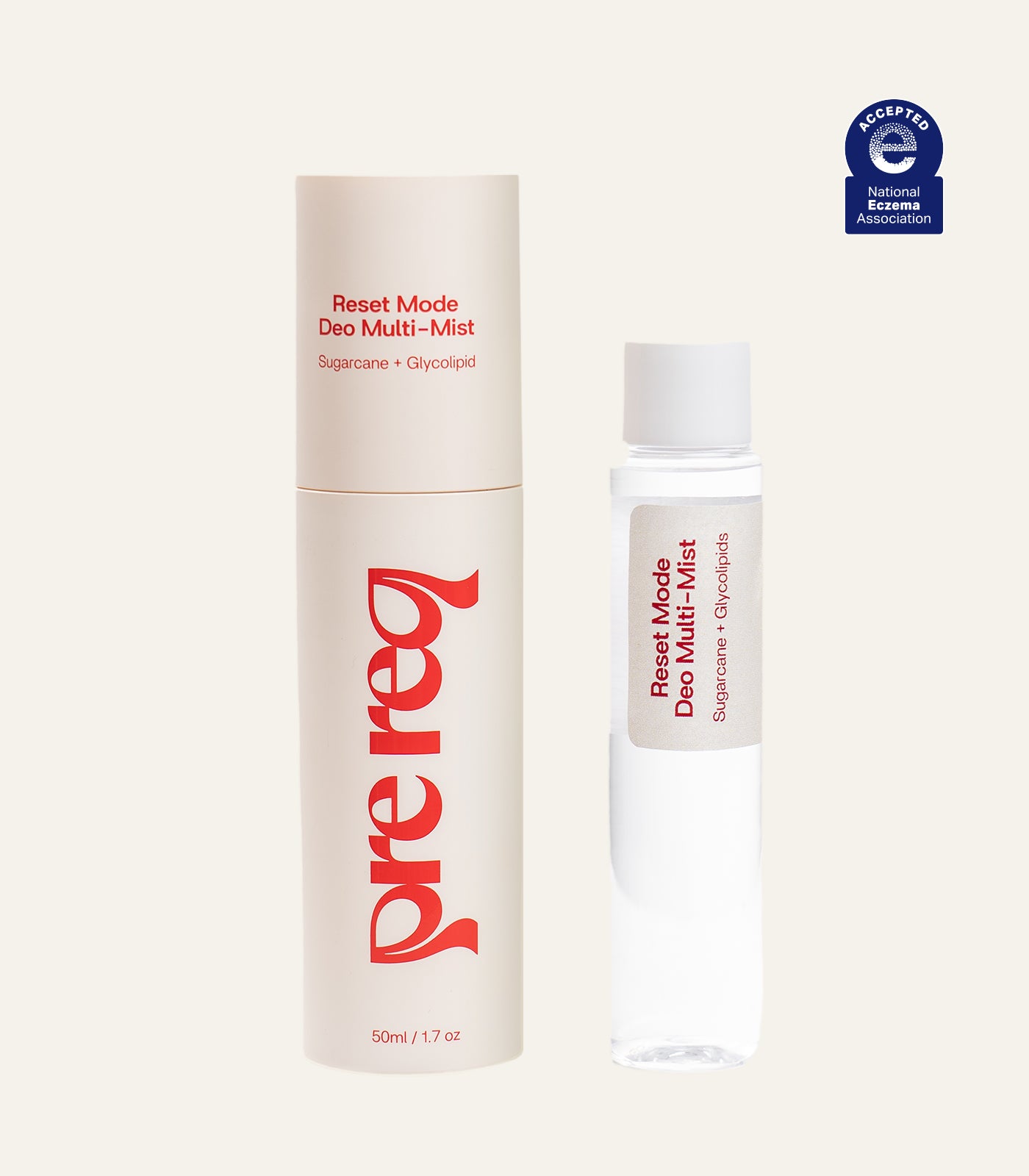
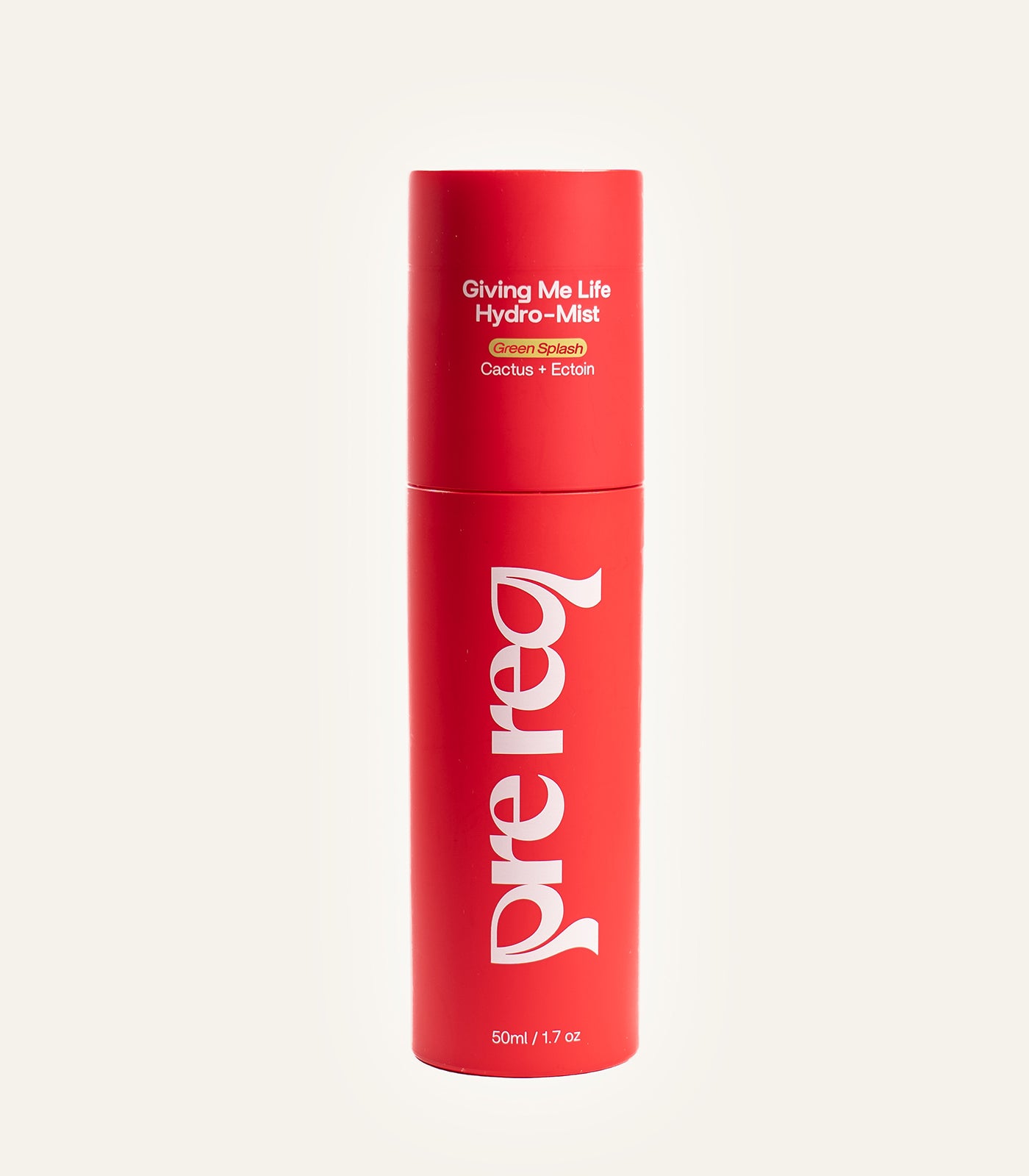
A fragrance-free, aluminum-free deodorant like Prereq's Reset Mode Deo Multi-Mist can be layered under a clinical antiperspirant to handle odor without adding another active ingredient; it carries the NEA Seal of Acceptance for sensitive and eczema-prone skin and was formulated with input from Prereq's board-certified dermatologist advisor. Antiperspirant isn't meant for the face, so for kids dealing with facial sweating specifically, a lightweight, non-comedogenic option like Giving Me Life Hydro-Mist helps refresh skin after sports or between classes without clogging pores.
Recommended Products for Tweens & Teens
Support healthy hygiene and skincare habits with gentle, age-appropriate essentials designed for pre-teens and teens.

When to See a Doctor for Excessive Sweating
Not every sweaty day needs a doctor's visit, but a clear pattern is worth acting on rather than waiting out.
Signs That Point to a Diagnosis
The clearest signal is a pattern, not a single sweaty day: sweating that happens at least once a week, has lasted six months or longer, interferes with school or daily activities, runs in the family, or shows no connection to heat or activity. A pediatrician typically confirms hyperhidrosis using criteria similar to those outlined in published pediatric hyperhidrosis research: sweating for six months or more, plus at least two of the following: weekly episodes, symmetrical sweating, onset before age 25, a family history, no sweating during sleep, or clear interference with daily life. Meeting most of these is generally enough to move forward with treatment without needing extensive testing first.
Red Flags That Need Immediate Attention
Some combinations aren't just a "schedule an appointment" situation. According to Mayo Clinic, heavy sweating paired with dizziness, chest pain, or a rapid pulse needs immediate medical attention rather than a routine visit, since that combination can point to something more serious than hyperhidrosis alone.
Frequently Asked Questions
When to worry about child sweating?
Worry less about a single sweaty afternoon and more about a repeating pattern: weekly episodes for six months or longer, sweating with no clear heat or activity trigger, or sweating that continues during sleep. Any of these is a reasonable enough reason to check in with a pediatrician.
Is hyperhidrosis hard to live with?
It can be frustrating day to day: wet schoolwork, damp handshakes, extra sock changes, but it's very manageable. Most kids do well with a combination of daily habits and a first-line treatment like antiperspirant, without it becoming a constant disruption.
Can anxiety cause hyperhidrosis?
Anxiety doesn't cause hyperhidrosis on its own, but stress is a known trigger that can intensify sweating in a child who already has the condition, and the two often feed into each other over time.
What is the relationship between hyperhidrosis and dehydration?
Heavy, prolonged sweating, especially during exercise or hot weather, increases fluid loss, so kids with hyperhidrosis benefit from staying ahead of their water intake rather than waiting until they feel thirsty, particularly on active or high-heat days.
What could be the reasons my child doesn't sweat much?
Reduced sweating, called hypohidrosis, is far less common than hyperhidrosis in kids and can relate to certain skin conditions, nerve issues, or medications. It's a different pattern worth mentioning to a pediatrician if a child seems unusually flushed or overheated without sweating to match.
Is hyperhidrosis dangerous?
On its own, no, it's not a dangerous condition. It becomes worth medical attention when it's paired with other symptoms like dizziness, fever, or unexplained weight loss, since that combination can signal something else going on beyond hyperhidrosis.
Track the Pattern, Then Talk to a Pediatrician
The most useful thing to do next isn't guessing at home; it's tracking the pattern for a couple of weeks: when it happens, which areas are affected, and whether it eases up during sleep. That's the exact information a pediatrician needs to tell primary hyperhidrosis apart from something else, and it turns a vague "my kid sweats a lot" into a conversation that actually moves toward a diagnosis.
While you're building that log, daily basics like an aluminum-free deodorant can still help manage day-to-day odor and comfort. Browse Prereq's full collection to find the right fit for your child's routine.
This article is for informational purposes only and isn't a substitute for medical advice. If your child has persistent excessive sweating, a pediatrician or dermatologist is the right next step.

