


Personal hygiene for kids changes by age, starting with handwashing and bath-time help for toddlers, moving to independent brushing and showering for school-age kids, then deodorant and skin care once puberty starts around 10 to 12, and finally a fully self-managed routine by the teen years. A 3-year-old needs help washing their hands. A 9-year-old can shower on their own but still needs reminders. A 12-year-old is dealing with body odor for the first time. Teaching hygiene habits for kids works best when the expectations match the stage, not a generic checklist applied at every age.
This guide breaks down what to teach and when, from toddlers learning to wash their hands through teens managing a full self-care routine on their own.
Why Teaching Hygiene Habits Early Matters
Good hygiene does more than prevent illness, though that's a real part of it. Regular handwashing and bathing cut down on the spread of colds, stomach bugs, and skin infections. Just as importantly, hygiene habits build self-esteem and independence. A child who knows how to take care of their own body feels more confident around friends and classmates, and starting these lessons early means the habits are already automatic by the time puberty adds new demands like body odor and oilier skin.
Toddlers and Preschoolers (Ages 2–5): Learning the Basics
At this stage, parents do most of the work, and kids start to imitate. The goal is exposure and routine, not independence.
-
Handwashing: Teach the 20-second rule with soap and water, before meals, after the bathroom, and after outdoor play. Singing a short song helps kids time it correctly.
-
Toothbrushing: Start brushing as soon as the first tooth appears, twice a day with a pea-sized (or smaller) amount of toothpaste. Most kids need hands-on help until around age 4 or 5.
-
Bath time: Keep it supervised and playful. Bathing two to three times a week is generally enough at this age unless a child gets visibly dirty or sweaty.
-
Potty training hygiene: Teach wiping, flushing, and handwashing afterward as one connected sequence, not separate steps.
This is also when kids start learning to clean themselves as a concept, even if they can't fully execute it yet. Letting a preschooler attempt a step, like wetting the washcloth or squeezing the toothpaste, builds the motor skills they'll need for real independence later.
School-Age Kids (Ages 6–9): Building Independence
Between ages 6 and 9, most kids can handle the basics on their own with occasional check-ins. This is a good window for hygiene activities for kids that make routines feel like habits rather than chores.
-
Bathing: Daily showers aren't necessary at this age unless a child is sweaty from sports or visibly dirty. Bathing once or twice a week is fine for kids who aren't especially active. Most kids at this age don't sweat heavily enough for it to be a daily concern, though a smaller number sweat well beyond what sports or heat would explain, which is closer to hyperhidrosis in kids than ordinary activity-driven sweat.
-
Teaching kids oral hygiene: Most children can manage independent brushing by 6 to 8 years old, and this is the right age to introduce flossing as a daily habit, with occasional parent spot-checks.
-
Hair care: Daily combing or brushing prevents tangles; washing once or twice a week is typically enough unless hair is very oily or a child swims often.
-
Nail care and clothing: Show kids how to trim their own nails, and reinforce changing into clean clothes, socks, and underwear daily.
-
Cough and sneeze etiquette: Coughing into the elbow, not the hands, becomes a habit worth reinforcing at school age.
Tweens (Ages 10–12): Puberty Changes the Routine
This is where hygiene needs shift the fastest. Hormonal changes activate the apocrine sweat glands, and when that new sweat meets bacteria on the skin, body odor shows up for the first time, often before a parent expects it.
Daily showers stop being optional around this stage. A quick rinse a few times a week no longer covers the sweat and oil that puberty produces. Alongside that, this is usually when parents start the puberty and hygiene conversation with their child, ideally before the changes start rather than after, so the new habits feel like a normal next step instead of a surprise.
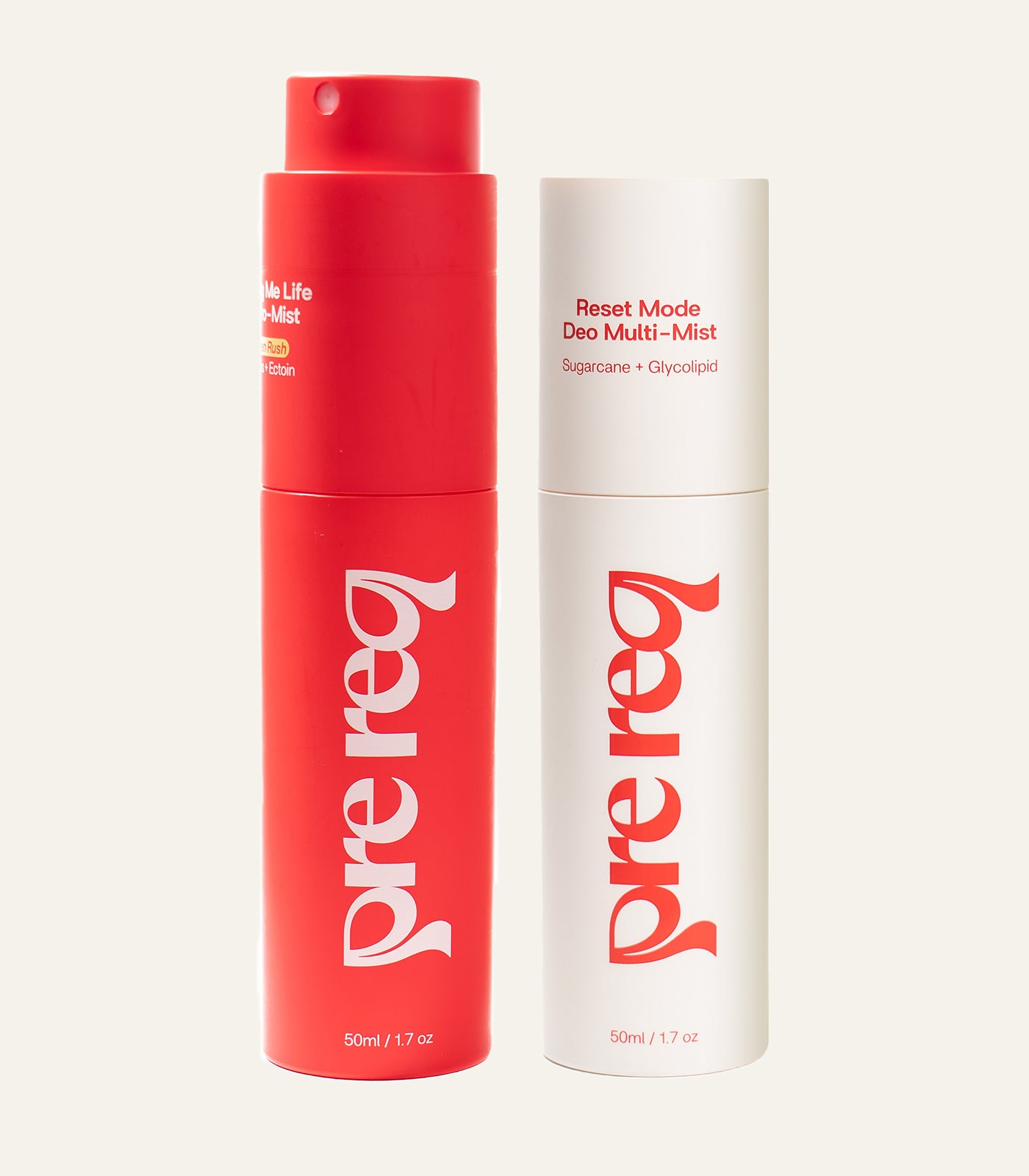
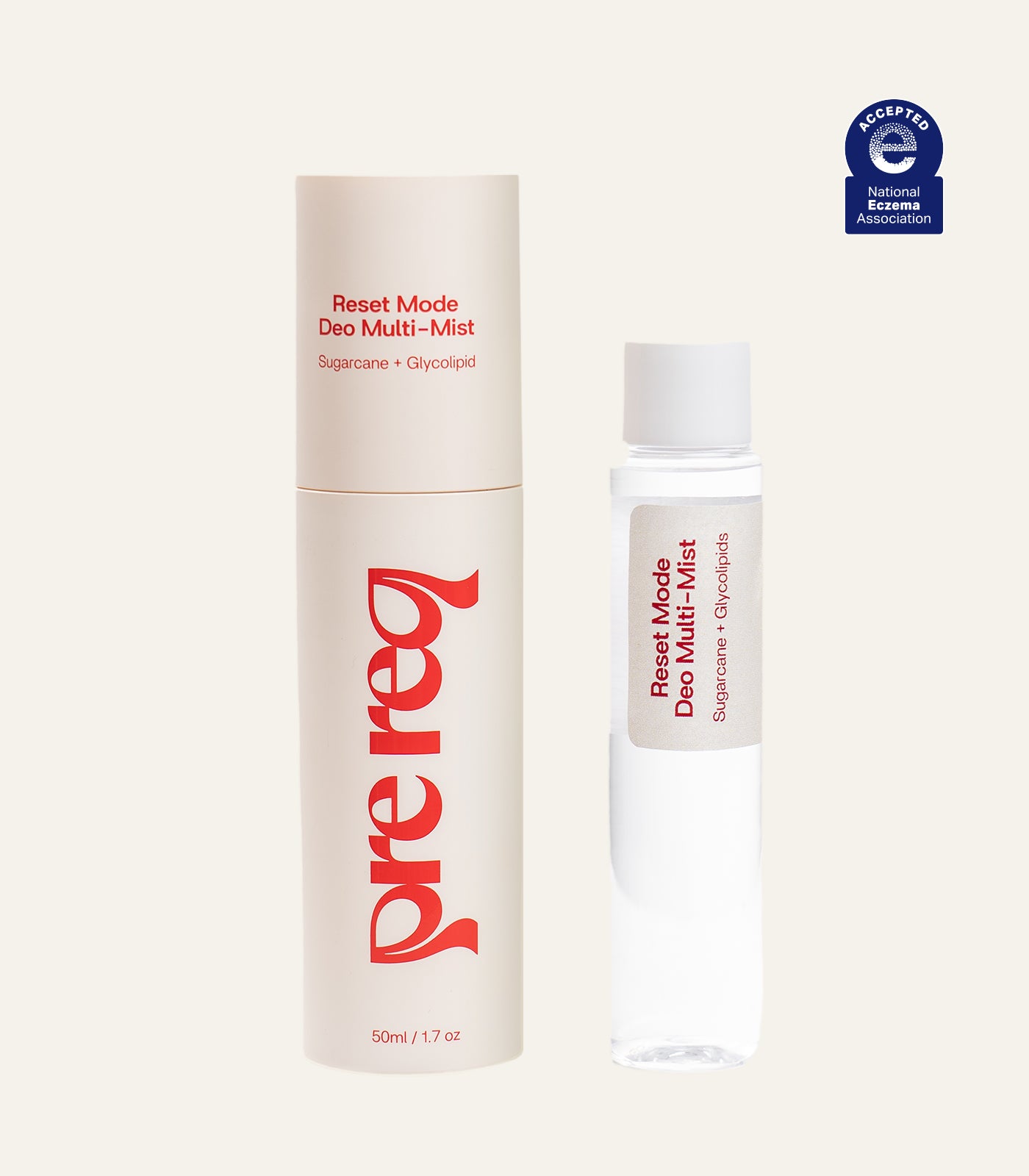
Body odor is typically the first clear sign it's time to introduce deodorant, and most parents find that figuring out when kids should start using deodorant comes down to watching for that first noticeable smell rather than a specific birthday. An aluminum-free, fragrance-free formula, like Reset Mode Deo Multi-Mist, is a gentler starting point for skin that's still developing than an adult antiperspirant.
Skin changes tend to show up around the same time as odor. Increased oil production means the first breakouts, which is usually the point to introduce a gentle, fragrance-free cleanser rather than adult acne products.
Recommended Products for Tweens & Teens
Support healthy hygiene and skincare habits with gentle, age-appropriate essentials designed for pre-teens and teens.
Teens (13+): Mastering Self-Care
By the teen years, most kids can manage a full hygiene routine independently, though reminders are still normal, especially during busy or distracted stretches.
-
Daily showers and deodorant become a consistent part of the routine, particularly for teens playing sports.
-
Skin care may need to intensify if acne becomes more persistent; back, chest, and shoulder breakouts often respond differently than facial acne and benefit from their own body acne routine built around consistent cleansing and breathable clothing.
-
Period hygiene becomes relevant for girls, covering pads, tampons, or menstrual cups as a normal, judgment-free conversation.
-
Grooming choices like shaving are personal decisions. Parents can guide safety without dictating whether or when a teen chooses to shave.
10 Personal Hygiene Practices Every Kid Should Learn
A simple checklist of 10 personal hygiene practices covers most of what's outlined above, and it's worth revisiting as a family reference as kids move through each stage:
-
Washing hands with soap for 20 seconds
-
Bathing or showering regularly for their age and activity level
-
Brushing teeth twice daily and flossing once a day
-
Washing and brushing hair on a regular schedule
-
Trimming nails to prevent dirt buildup
-
Wearing clean clothes, socks, and underwear daily
-
Covering coughs and sneezes with an elbow, not hands
-
Using age-appropriate deodorant once body odor starts
-
Washing the face with a gentle cleanser once oil or breakouts appear
-
Applying daily sunscreen as part of a basic skin care habit
These personal hygiene items (soap, toothbrush, deodorant, sunscreen) don't all need to be introduced at once. Add them as your child's body actually needs them, not on a fixed schedule.
Common Questions Parents Ask
How do you teach children good hygiene?
Model the habit yourself, explain the reason behind each step in simple terms, and let your child practice with supervision before expecting full independence. Patience matters more than repetition alone.
How often should a 12-year-old shower?
Most 12-year-olds need a daily shower once puberty is underway, since sweat and oil build up faster than at younger ages. Kids who play sports or sweat heavily may need to shower more than once a day.
Is showering twice a day too much for a tween?
Not necessarily. If a tween showers in the morning and again after sports or heavy sweating, that's reasonable. Showering more than twice a day without a clear reason can dry out the skin.
What is a good first step in practicing correct personal hygiene?
Handwashing is usually the first hygiene skill kids learn, since it's simple, low-risk, and directly tied to preventing illness. It also sets the pattern for other habits that follow.
Why is teaching hygiene habits early important?
Starting early means habits are already automatic by the time puberty adds new demands, like body odor and oilier skin, so kids aren't learning several new routines all at once.
Building the Habit, One Stage at a Time
Hygiene habits for kids aren't something to get right all at once. Each age brings a new skill or two: handwashing at 3, independent brushing at 7, deodorant at 11, and the routine grows alongside your child rather than being handed to them fully formed. Prereq's Self Care 101 breaks these basics down further for parents navigating the tween and teen stages specifically.
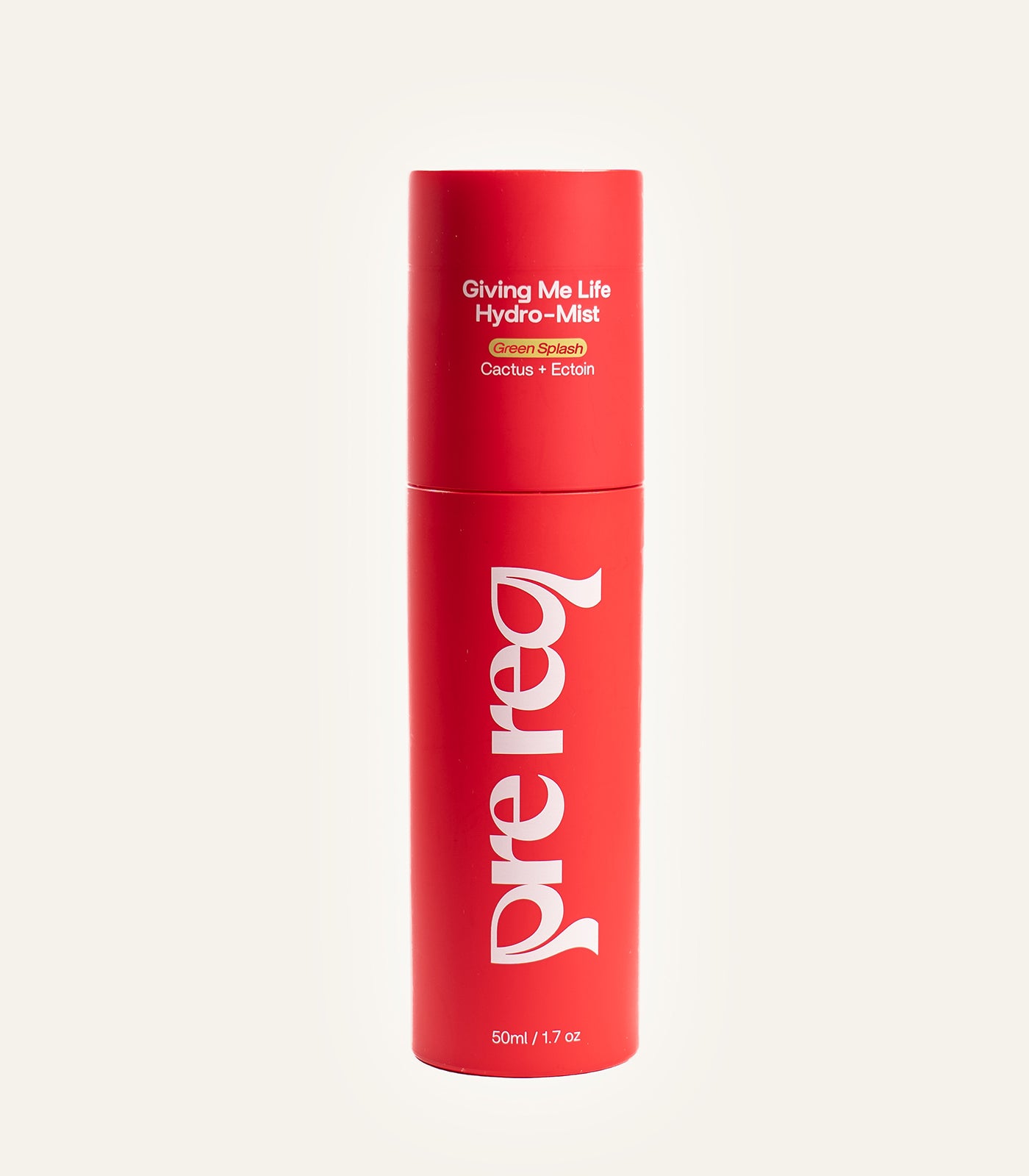
Once body odor and skin changes show up together, which they usually do, a bundle like The Daily Duo pairs a gentle hydrating mist with an aluminum-free deodorant mist, covering both changes with one simple routine instead of introducing separate products at separate times.
Recommended Products for Tweens & Teens
Support healthy hygiene and skincare habits with gentle, age-appropriate essentials designed for pre-teens and teens.
This article is for general informational purposes only and isn't a substitute for professional medical advice. Every child develops at a different pace, so if you have concerns about your child's hygiene needs, skin, or sweating patterns, consult your pediatrician or a board-certified dermatologist.

