


Some sweating is a completely normal part of growing up, especially once puberty starts. Excessive sweating in kids becomes a different issue when it soaks through clothes, interferes with school or sports, or occurs without a clear trigger like heat or activity; that pattern points to hyperhidrosis, a real and fairly common condition, not a hygiene problem.
There are two types: primary, which runs in families and appears in specific areas like the hands or underarms, and secondary, which is triggered by an underlying condition and affects the whole body. Most kids fall into the first category, and it's manageable.
What Is Hyperhidrosis in Kids?
Hyperhidrosis simply means sweating beyond what the body needs to regulate its temperature. Every kid sweats when they're hot, active, nervous before a test, or running a fever; that's normal, functional sweat. Hyperhidrosis is different: the sweat glands are overactive regardless of temperature or exertion.
Kids have two kinds of sweat glands. Eccrine glands are spread across the whole body and produce the thin, watery sweat used for cooling from birth. Apocrine glands sit in the underarms and groin and stay dormant until puberty activates them, producing a thicker sweat that interacts with skin bacteria to create body odor. Hyperhidrosis can involve either gland system, but it's most often the eccrine glands on the palms, soles, and underarms producing far more sweat than needed.
Primary vs. Secondary Hyperhidrosis: What's the Difference?
|
Primary focal hyperhidrosis |
Secondary hyperhidrosis |
|
|
Where it happens |
Hands, feet, underarms, face, usually symmetrical |
Whole body |
|
When it started |
Childhood or adolescence, often with no clear trigger |
Linked to another condition |
|
Sleep |
Stops during sleep |
Often continues during sleep |
|
Family history |
Common; genetics play a documented role |
Less predictive |
What Causes Primary Focal Hyperhidrosis?
Primary hyperhidrosis doesn't have one identified cause, but it's linked to an overactive sympathetic nervous system, the system responsible for the body's stress response reacting more strongly than it needs to. It also tends to run in families; research from the International Hyperhidrosis Society notes that a meaningful share of cases have at least one affected family member, which is why genetics are considered a real factor, not a coincidence.
What Causes Secondary Hyperhidrosis in Kids?
Secondary hyperhidrosis is a symptom of something else going on: infections, an overactive thyroid, diabetes, certain medications, or, rarely, a heart or blood pressure condition. That's why a doctor's visit matters: it's not about assuming the worst; it's about ruling out these causes so a child can get the right care.
How Common Is Hyperhidrosis in Kids?
Hyperhidrosis isn't rare. Pediatric hospital sources put primary focal hyperhidrosis at roughly 1% to 5% of the population, depending on the study, with no difference between boys and girls. It typically first shows up in childhood or adolescence, which means a parent noticing it in a tween or teen is picking up on something fairly common, not unusual.
It's also under-recognized. Because the sweating often looks like nervous sweat, "just an active kid," or a hygiene issue, many families don't connect it to hyperhidrosis for months or years; kids adjust quietly instead of mentioning it, and parents attribute it to heat or a phase. That gap is part of why the condition tends to be more common than it appears in everyday conversation: it's not being underdiagnosed because it's unusual; it's underdiagnosed because it doesn't look like a medical issue on the surface.
Signs Your Child May Have Hyperhidrosis and When to See a Doctor

A few patterns tend to show up together, and most parents notice one or two before the rest:
-
Sweat that soaks through school papers, homework, or touch-screens
-
Wet socks or shoes even when your child hasn't been running around, a pattern worth watching closely in kids already prone to sweaty feet, since heavy plantar sweating and hyperhidrosis often overlap
-
Clammy or dripping palms during ordinary, non-strenuous activities
-
Sweating that doesn't match the room temperature or what your child is doing
-
Sweat that stops overnight (primary) versus sweat that continues during sleep (a signal worth mentioning to a pediatrician)
-
A stronger-than-usual odor, since heavier sweat gives skin bacteria more to work with
It's worth talking to a pediatrician if the sweating happens at least once a week, has lasted six months or more, interferes with daily life, shows up during sleep, runs in the family, or has no obvious heat or activity trigger. None of these signs of hyperhidrosis in children are alarming on their own; they're just the signal that it's worth a professional look rather than guesswork at home.
What About Night Sweats or a Sweaty Head While Sleeping?
A sweaty head at night is common in younger children and toddlers and is usually tied to an immature temperature-regulation system rather than hyperhidrosis; it tends to resolve as kids get older. Focal hyperhidrosis in tweens and teens looks different: it's usually centered on the hands, feet, or underarms, and it stops once your child falls asleep. If sweating continues through the night and involves the whole body, that's the pattern worth flagging to a doctor, since it leans toward a secondary cause.
The Emotional and Social Impact of Hyperhidrosis on Kids
Hyperhidrosis isn't just physical; it shapes how kids show up socially. Sweaty palms can make a kid avoid holding hands, shake hands awkwardly, or hesitate to raise their hand in class. Wet grip can interfere with musical instruments, sports equipment, or even holding a pencil through a test. Kids who sweat heavily are also more likely to be teased or excluded, which compounds the embarrassment they may already feel.
The most useful thing a parent can do is normalize it, not dismiss it as "just sweating," but not overreact either. Kids pick up on how calmly their parents treat a topic, and that calm tends to become how the kid talks about it too.
How Is Hyperhidrosis Diagnosed in Kids?
Diagnosis usually starts with something simple: a physical exam and a conversation about the sweating pattern. Most cases don't require invasive testing. A doctor will typically ask about:
-
When it started: A specific age, a growth spurt, or no clear starting point at all
-
How often it happens: Daily, a few times a week, or only in certain situations
-
Where it happens: One area (hands, feet, underarms, face) or the whole body
-
Whether it stops during sleep: A key detail that helps separate primary from secondary
-
Family history: Whether a parent or sibling has dealt with something similar
-
Any other symptoms: Weight changes, rapid heartbeat, excessive thirst, or fatigue, which point toward a secondary cause
Before landing on a primary hyperhidrosis diagnosis, a doctor will typically rule out secondary causes like thyroid issues, blood sugar problems, or infection through these questions and, if needed, bloodwork.
Treatment Options for Kids With Hyperhidrosis
Treatment isn't one-size-fits-all, and it usually starts conservatively before escalating:
|
Treatment |
What it does |
Best for |
|
Clinical-strength antiperspirants |
Temporarily block sweat glands |
First-line option for most kids |
|
Oral anticholinergics (e.g., glycopyrrolate) |
Reduce overall sweating |
Kids not responding to antiperspirants, under pediatric dermatologist guidance |
|
Iontophoresis |
Mild electrical current reduces sweating in hands/feet |
Palmar and plantar sweating |
|
Botox |
Blocks nerve signals to sweat glands |
Underarm sweating, typically older kids and teens |
|
Surgery (sympathectomy) |
Interrupts the nerve pathway |
Rare, severe cases only, after other options are exhausted |
Several of these oral medications, Botox, and surgery are prescription or procedural, and none of them are a self-treat-at-home decision.
Are Antiperspirants Safe for Kids?
Clinical-strength antiperspirants are generally considered safe and are usually the first treatment tried for kids with true hyperhidrosis. It's worth understanding how they differ from everyday deodorant vs. antiperspirant options before starting one, since antiperspirants work by temporarily blocking sweat ducts with aluminum salts, while regular deodorant only manages odor and doesn't touch sweat volume at all.
At-Home Care and Daily Management Tips
A few daily habits make hyperhidrosis noticeably easier to live with, alongside any treatment a doctor recommends.
Choose Breathable, Moisture-Wicking Fabrics
Cotton is the safer everyday choice since it lets skin breathe, while moisture-wicking synthetic fabrics work better for sports and active play. Tight or restrictive clothing traps heat and moisture against the skin, which can make sweating feel worse even when it isn't.
Keep a Consistent Bathing Routine
A daily shower, especially after sports or heavy activity, limits the bacteria buildup that turns sweat into odor. For kids with primary hyperhidrosis, bathing won't reduce the sweating itself, but it does keep the side effects odor and skin irritation, more manageable.
Rotate Socks and Shoes
Change socks daily and let shoes fully air out between wears rather than wearing the same pair two days in a row. For kids whose hyperhidrosis includes heavy foot sweating, keeping a spare pair of socks at school makes a real difference in comfort through the day.
Pack a Backup Outfit for School or Sports
A spare shirt in a backpack or gym bag takes the pressure off a kid who's self-conscious about sweating through their clothes. It's a small, practical fix that lets them handle it quietly instead of feeling exposed in front of classmates.
Watch Diet Triggers for Older Kids and Teens
Hot drinks, caffeine, and spicy food can all trigger a noticeable sweat response in teens, even indoors and at rest. Cutting back on these, especially before school or a stressful event, is a low-effort way to reduce one avoidable trigger.
Layer in a Gentle Daily Deodorant
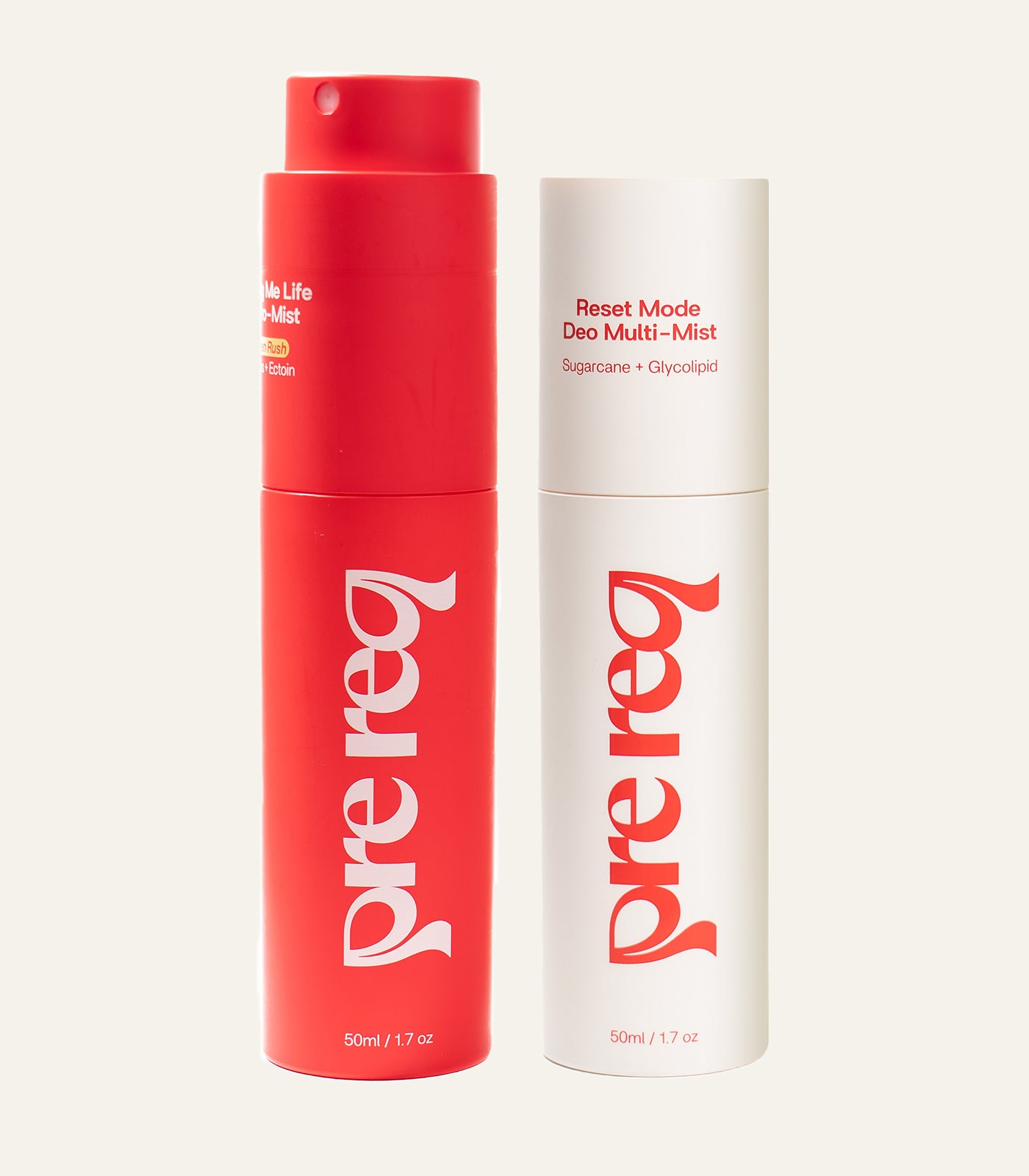
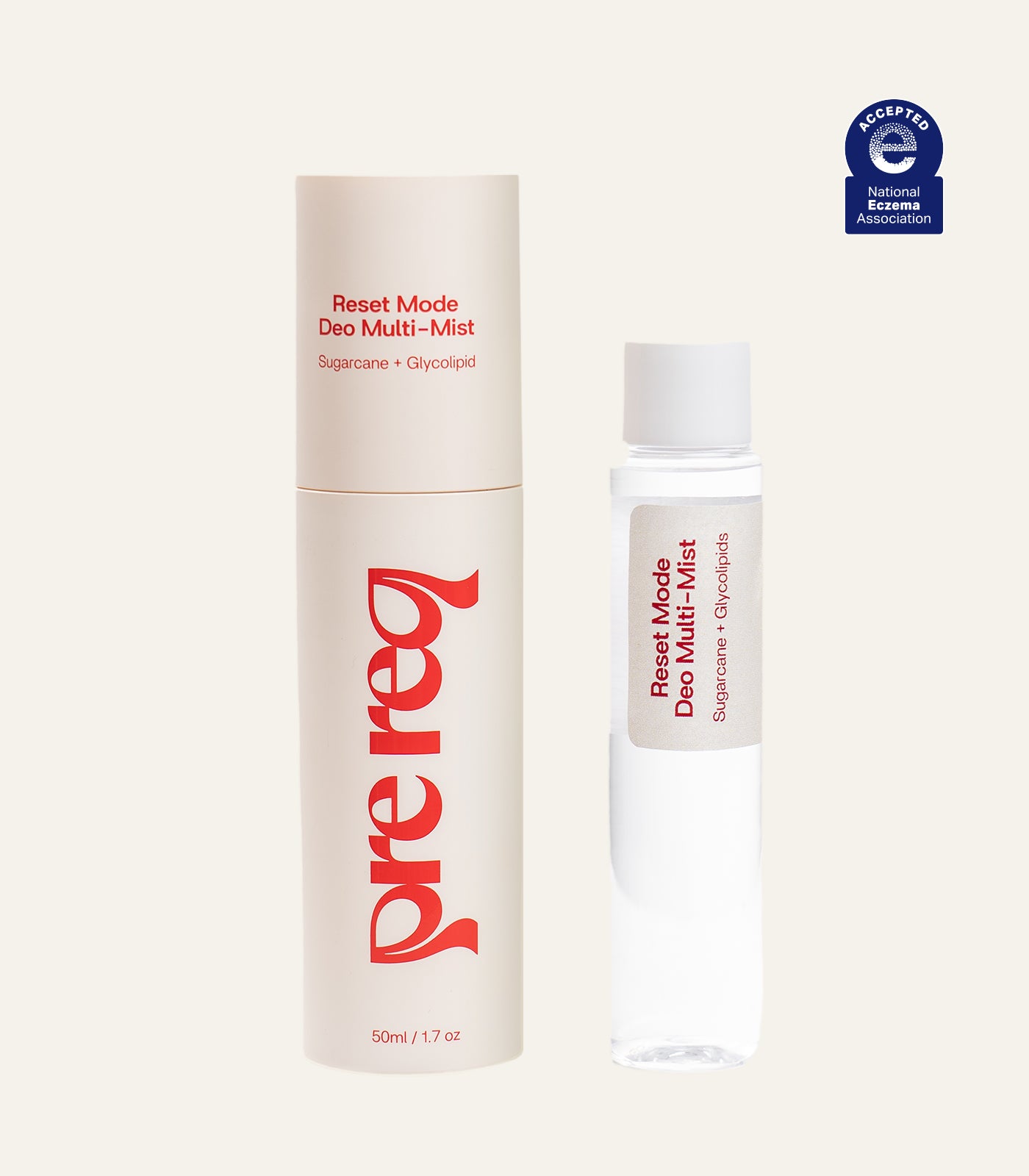
A fragrance-free daily deodorant works alongside clinical antiperspirant rather than replacing it; deodorant handles everyday odor, and antiperspirant handles the sweat itself. Prereq's Reset Mode Deo Multi-Mist is aluminum-free and carries the NEA Seal of Acceptance, and like the rest of the line, it's vetted by Prereq's board-certified dermatologist advisor for safety on sensitive or eczema-prone skin.
Manage Facial and Scalp Sweating Separately
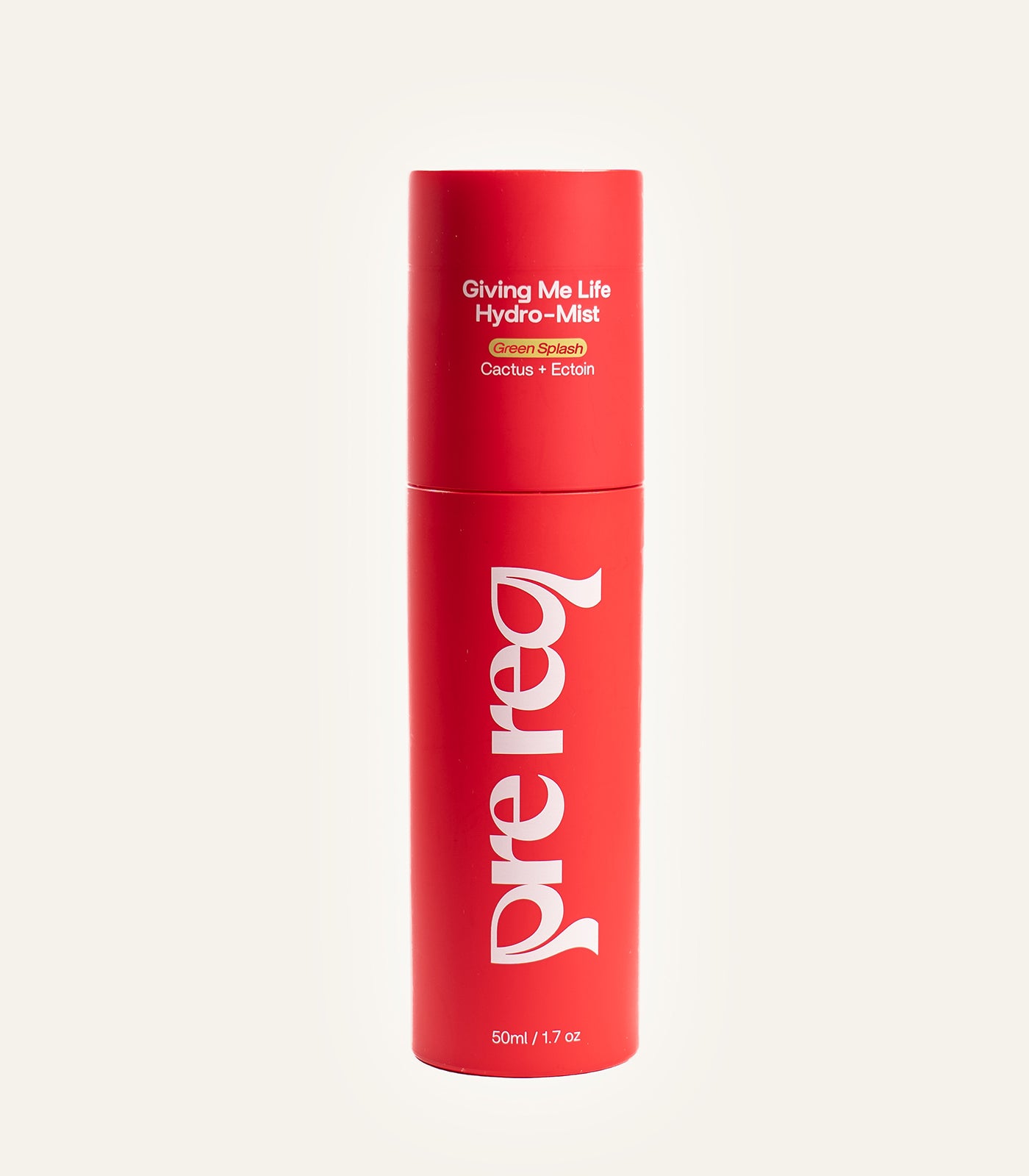
Since hyperhidrosis can affect the face as well as the hands, feet, and underarms, kids dealing with facial sweating need a lighter approach than an antiperspirant, which isn't meant for that area. A quick rinse or a lightweight, non-comedogenic mist like Giving Me Life Hydro-Mist can refresh the skin after sports or outdoor play without clogging pores, useful for kids who sweat through their face during the day and need something they can reapply between classes.
Address Skin Reactions Early
If antiperspirant causes redness, stinging, or a rash, that's often tied to armpit eczema in kids rather than the product itself being wrong. Switching products without addressing the underlying skin reactivity usually just moves the same irritation to a new formula.
Recommended Products for Tweens & Teens
Support healthy hygiene and skincare habits with gentle, age-appropriate essentials designed for pre-teens and teens.
How to Support a Child Who's Anxious or Embarrassed About Sweating
How you handle this conversation shapes whether your child feels supported or singled out, so a few small choices in tone and approach go a long way.
Keep the Conversation Low-Key
Kids respond better to "let's try this" than to a formal sit-down. Bringing it up casually, the same way you'd mention a new toothpaste, keeps it from feeling like a big deal because for most kids, it doesn't need to be one.
Let Them Have Some Say
Giving your child a choice between two products, or letting them pick when and how to use something, builds follow-through. Kids who feel involved in managing their own sweating are more likely to actually stick with a routine instead of resisting it.
Watch for Anxiety Spilling Into Other Areas
If the embarrassment starts affecting more than just sweating, avoiding friends, skipping school activities, or withdrawing socially, that's worth mentioning at the next pediatrician visit. It may need its own support separate from the sweating itself, and catching it early makes a real difference.
Frequently Asked Questions
Is hyperhidrosis a rare condition?
No. Depending on the source, primary focal hyperhidrosis affects roughly 1% to 5% of people, and it typically starts in childhood or adolescence.
Is hyperhidrosis a symptom of ADHD?
No, hyperhidrosis isn't a recognized symptom of ADHD. If a child has both, they're generally unrelated conditions, worth mentioning to a pediatrician if you're seeing overlap that concerns you.
Is excessive sweating a symptom of autism?
Hyperhidrosis itself isn't a diagnostic sign of autism. Some autistic children do report sensory-related differences around sweat or temperature, but that's a separate conversation from a hyperhidrosis diagnosis.
When should I worry about my child's sweat?
When it happens at least weekly, has lasted six months or more, interferes with daily activities, continues during sleep, or has no clear heat or activity trigger. Any of these is a reasonable reason to check in with a pediatrician.
Do kids grow out of hyperhidrosis?
Not reliably. It can improve, stay the same, or persist into adulthood depending on the child; there's no guarantee it resolves on its own.
Can a child have hyperhidrosis?
Yes. It commonly starts in childhood or adolescence and is one of the more common pediatric dermatologic conditions, even though it's not talked about as often as acne or eczema.
Why does my child sweat so much at night?
Occasional head-sweating during sleep is common in young children and usually harmless. Sweating that continues through the night and involves the whole body is more typical of secondary hyperhidrosis and is worth a doctor's visit.
Excessive Sweating in Kids: The Next Step for Parents
Excessive sweating in kids isn't something to push through quietly, and it isn't something to panic over either; most cases respond well to the right daily habits, the right products, and a pediatrician's input when the pattern doesn't add up on its own. Start with the basics: breathable fabrics, a consistent routine, and a gentle, aluminum-free deodorant layered under any treatment your child's doctor recommends.
If you're building that daily routine now, The Daily Duo pairs odor defense with hydration in one simple step, an easy way to cover the everyday layer while you sort out whether anything more is needed.
This article is for informational purposes only and isn't a substitute for medical advice. If your child has persistent excessive sweating, a pediatrician or dermatologist is the right next step.

