


Smelly feet in kids are usually just biology at work, sweat mixing with the bacteria that naturally live on skin. As that bacteria breaks down compounds in sweat, it releases the sulfur-based odor parents notice on their kids after school or practice.
Daily washing and thorough drying, breathable socks, shoe rotation, and, if needed, a gentle deodorant clear up most cases within a week or two. Persistent odor with peeling, itching, or small holes in the skin points to something more, like a fungal or bacterial infection, and is worth a doctor's visit.
Why Do Kids' Feet Smell? The Real Causes of Foot Odor in Children
Sweat itself has almost no smell. The odor shows up when that sweat sits on skin long enough for resident bacteria, including species like Kytococcus sedentarius, to feed on it and release sulfur compounds as a byproduct. Feet are especially prone to this because they carry more sweat glands per square inch than almost anywhere else on the body. According to Nationwide Children's Hospital, kids' and teens' sweat glands are especially active, which is a big reason foot odor shows up so often at this age, especially once those glands are sealed inside closed shoes for hours.
The clinical term for this is bromodosis, sometimes spelled bromhidrosis when referring to body odor more broadly. It's a normal, treatable condition, not a sign of poor hygiene or an underlying illness in most kids.
Why Kids' Feet Can Smell Worse Than Adults'
A child's foot is smaller than an adult's, but it doesn't have proportionally fewer sweat glands, which means sweat output is concentrated in a smaller surface area. Add hours in sneakers, cleats, or rain boots during a school day, and that moisture has nowhere to go. Active kids also tend to wear the same pair of shoes daily without giving them time to fully dry between uses, which lets bacteria build up session after session.
Does Puberty Make Kids' Feet Smell More?
Yes, though not for the same reason underarm odor increases. Foot odor comes from eccrine sweat glands, which are active from birth and simply produce more sweat as a child grows and becomes more physically active. Underarm and groin odor works differently, driven by apocrine glands that switch on during puberty and interact with skin bacteria to produce body odor in kids as puberty starts, something many parents notice seemingly overnight.
What Makes Foot Odor in Kids Worse

A few everyday habits turn ordinary kid sweat into the kind of smell that clears a room:
-
Synthetic shoes and socks: Plastic, rubber, and polyester trap heat and moisture instead of letting air move through.
-
Wearing the same shoes every day: Shoes need roughly 24 hours to dry out fully; back-to-back wear doesn't give them that chance.
-
Skipping sock changes: Sweaty socks worn all day, especially after gym class or sports, keep feet damp for hours.
-
Humid climates and heavy activity: Sports, hot weather, and standing or running for long stretches all increase how much a child's feet sweat.
-
Damp shoes from rain or pools: Wet shoes that go straight into a closet without drying become a bacteria incubator overnight.
Sports gear in particular deserves its own attention, since cleats and sneakers trap moisture longer than everyday shoes do, something worth a closer look if a child's feet only seem to smell after practice or games.
Daily Habits That Prevent Smelly Feet
Consistency matters more than any single product here. A few minutes a day makes the biggest difference:
Wash thoroughly, every day
Warm water and mild soap, with extra attention between the toes where bacteria collect most. A quick rinse in the shower often misses this spot entirely.
Dry completely before socks go on
Damp skin under a sock is exactly the environment bacteria need. Toweling off between each toe takes seconds and prevents most of the problem before it starts.
Choose breathable sock materials
Cotton, wool, and moisture-wicking athletic blends pull sweat away from skin. Synthetic materials like nylon and polyester hold it against the foot instead.
Change socks mid-day when needed
Kids who sweat heavily or play sports benefit from a spare pair in a backpack to swap into after gym class or practice.
Rotate shoes
Two pairs worn on alternating days give each pair a full 24 hours to air out completely, which cuts down on the bacteria buildup that comes from wearing damp shoes repeatedly.
Let feet breathe at home
Barefoot time or open sandals after school gives skin a break from the heat and moisture of closed shoes.
Building these steps into an existing after-school or bedtime routine, rather than treating foot care as its own separate chore, is what makes them stick. For the rest of a kid's daily routine, Prereq's Self Care 101 covers it in the same plain-language way.
Home Remedies and Treatments for Kids' Smelly Feet
For odor that doesn't clear up with daily washing and drying alone, a few targeted remedies can help.
Foot soaks
For kids, a gentle Epsom salt soak, roughly a quarter cup dissolved in a basin of comfortably warm water, works well for about 10 minutes, two to three times a week, with an adult present. Pat feet dry afterward rather than rubbing, since over-soaking can dry out young skin. Black tea soaks, which rely on natural tannic acid, and diluted vinegar soaks are other options adults use, though there's less research on how well they work specifically for kids' feet compared to adult skin.
Foot powder
A light dusting of talc-free foot powder or plain cornstarch on clean, dry feet before socks go on absorbs moisture throughout the day.
Is Baking Soda Safe for Kids' Smelly Feet?
Not as a routine treatment. Baking soda sits at a pH of roughly 9, well above the skin's naturally acidic surface, and that same alkalinity is what makes baking soda in deodorant something to watch for on sensitive skin; the same logic applies to feet. An occasional light dusting is unlikely to cause problems, but it's not a first-choice remedy for daily use.
Can I Use Tea Tree Oil on My Toddler's Feet?
Only diluted, and only with caution for very young children. Tea tree oil is a common natural remedy for odor-causing bacteria and fungus, but it's potent enough to irritate skin at full strength and should never be used directly. A safe approach for older kids is a few drops mixed into a carrier oil or added to a foot soak, always patch-tested on a small area first. For toddlers, it's worth checking with a pediatrician before using tea tree oil on the skin at all, since young children can react more strongly to essential oils than older kids or adults.
Choosing Shoes and Socks for Sweaty Feet
The right gear does a lot of the prevention work automatically.
What Are the Best Socks for Kids with Sweaty Feet?
Cotton and merino wool are the most breathable everyday choices, while moisture-wicking athletic blends work best for sports and active play, since they pull sweat away from skin rather than holding it there. Avoid all-synthetic socks like pure nylon or polyester for kids who sweat heavily, since these trap moisture against the skin instead of letting it evaporate.
How Long Does It Take for Kids' Shoes to Fully Dry Out?
Most shoes need a full 24 hours in a well-ventilated spot to dry out completely after a sweaty day, which is why rotating between two pairs works better than trying to air out one pair overnight. Stuffing shoes with newspaper or a shoe-drying insert speeds this up, and direct sunlight helps as a natural disinfectant on top of drying.
Sports shoes and cleats hold onto moisture longer than everyday sneakers because of their padding and mesh construction, which is part of why post-practice foot odor tends to be the most stubborn kind parents deal with.
Deodorant Options for Kids' Feet
Deodorant and antiperspirant solve two different problems. Understanding deodorant vs antiperspirant for kids matters just as much for feet as it does for underarms: deodorant controls odor by targeting the bacteria that cause it, without stopping sweat itself, while antiperspirant uses aluminum compounds to physically block sweat glands, a stronger intervention than most kids' feet actually need.
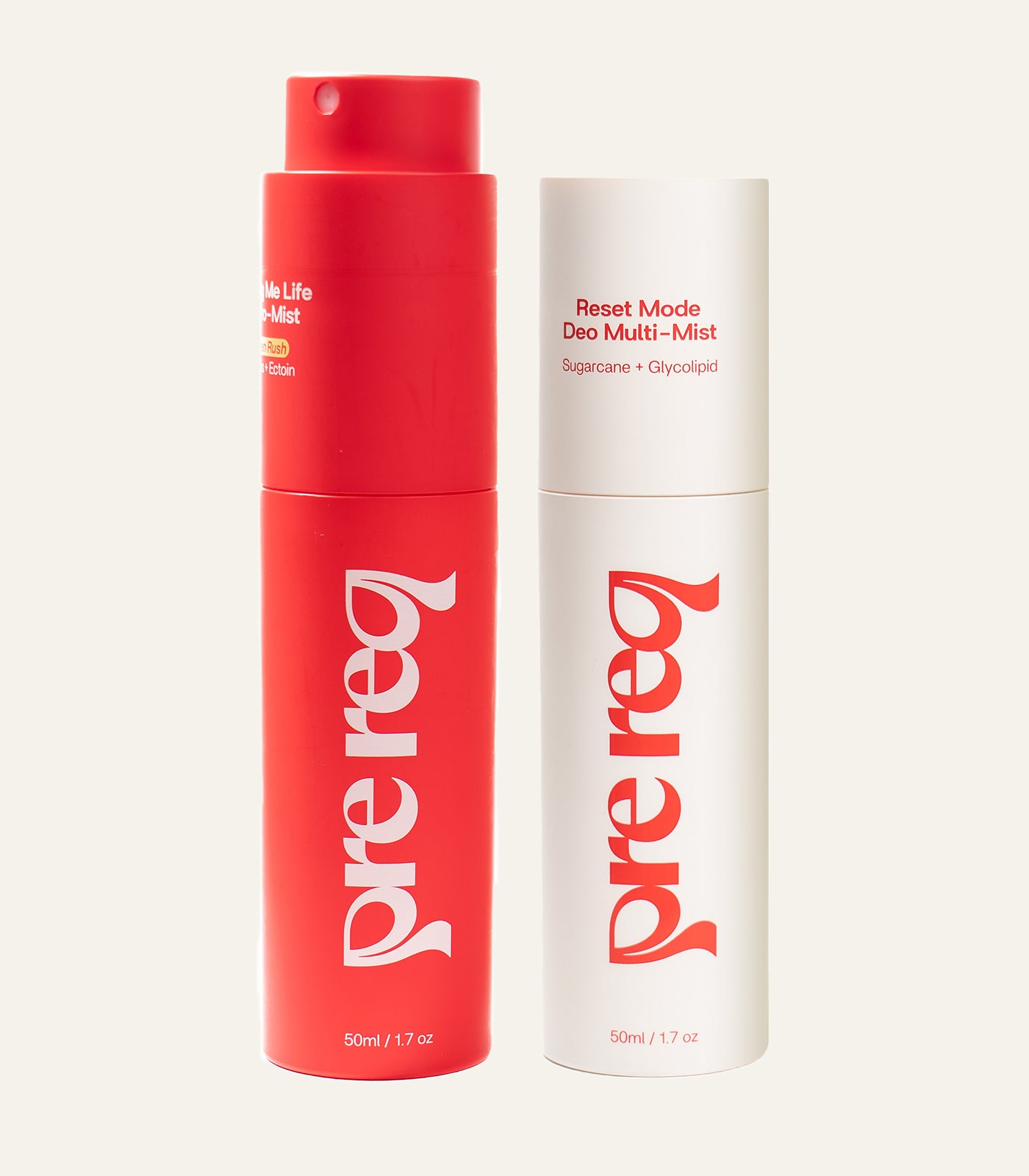
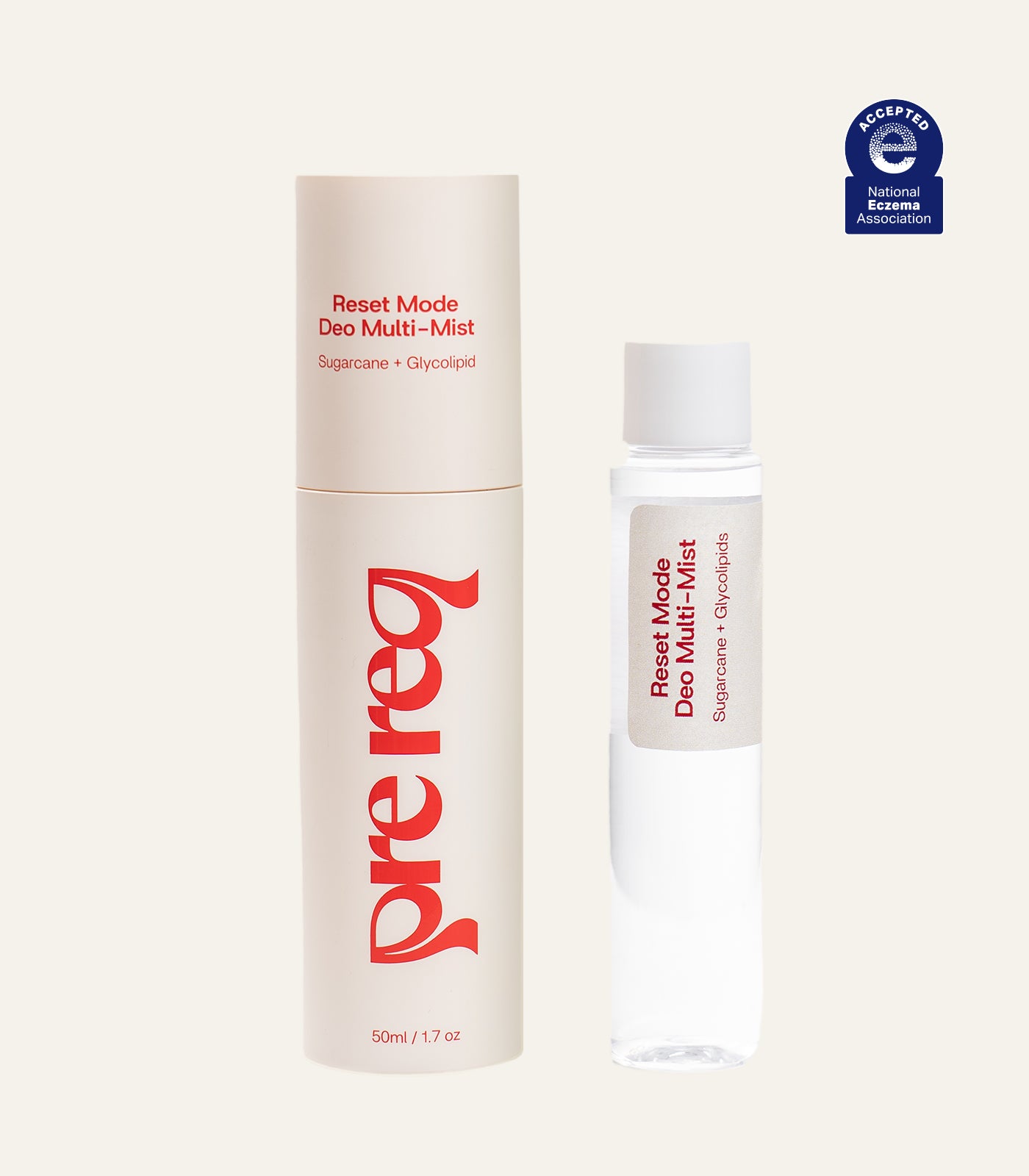
For most children, an aluminum-free deodorant applied to clean, dry feet is the gentler starting point. Prereq's Reset Mode Deo Multi-Mist is formulated to work anywhere odor develops, including feet, using sugarcane fermentation to neutralize odor-causing bacteria rather than masking the smell, along with glycolipids that support the skin's microbiome instead of stripping it. It's aluminum-free, baking soda-free, and carries the NEA Seal of Acceptance for sensitive and eczema-prone skin, which matters for feet that are already dealing with sweat and friction from shoes all day.
Recommended Products for Tweens & Teens
Support healthy hygiene and skincare habits with gentle, age-appropriate essentials designed for pre-teens and teens.
Could It Be Something More? Fungal Infections and When to See a Doctor
Most kids' foot odor is ordinary sweat-and-bacteria bromodosis that responds to the habits above. But a few signs point to something that needs medical attention rather than home care.
What Does an Athlete's Foot Look Like on a Toddler?
Athlete's foot, a fungal infection medically known as tinea pedis, typically shows up as peeling, cracking, or flaking skin between the toes, sometimes with redness or an itchy rash. It's less common in toddlers than in older kids and teens since it spreads in shared damp environments like locker rooms and pool decks, but it can appear in younger children who go barefoot in similar spaces. Unlike ordinary sweaty-foot odor, an athlete's foot usually comes with visible skin changes, not just smell.
Why Are There Small Holes in the Bottom of My Child's Feet?
Small, crater-like pits on the soles, especially paired with a strong smell that doesn't improve with washing, can point to a bacterial condition called pitted keratolysis. It develops when bacteria break down the outer layer of skin in feet that stay damp for long stretches, most often from sweaty socks and closed shoes, and it produces both the pitting and the odor at the same time. Unlike ordinary sweaty-foot smell, pitted keratolysis typically needs a course of topical or oral antibiotics from a doctor to clear up rather than home remedies alone.
When Should I Take My Child to a Doctor for Smelly Feet?
A pediatrician or podiatrist visit is worth scheduling if odor persists despite consistent washing, drying, and clean socks for two or more weeks, if the skin shows peeling, cracking, redness, or visible pits, or if a child complains of itching or pain rather than just smell. These signs suggest a fungal or bacterial infection that needs targeted treatment, not just better hygiene habits.
Frequently Asked Questions
How do I get my kid's feet to stop stinking?
Wash feet daily with attention to the spaces between toes, dry them completely before socks go on, and rotate between at least two pairs of shoes so each one gets a full day to air out. Most kids see improvement within a week of consistent habits.
Why do my 6-year-old's feet smell so bad?
Eccrine sweat glands are active from birth, so young kids can have noticeably sweaty, smelly feet well before puberty starts. Active play, synthetic shoes, and infrequent sock changes are the most common culprits at this age.
Why do my child's feet suddenly smell like vinegar?
A vinegar-like smell usually points to a higher concentration of the bacteria that break down sweat into odor compounds, often triggered by a growth spurt, a new pair of synthetic shoes, or more time spent in closed footwear than usual. It typically resolves with more frequent washing and shoe rotation.
Are synthetic or rubber shoes bad for smelly feet?
Yes. Shoes made from plastic, rubber, or synthetic uppers trap heat and moisture against the skin far more than breathable materials like canvas, leather, or mesh, making them one of the more fixable contributors to persistent foot odor.
Do UV shoe sanitizers work for kids' shoes?
UV sanitizers can reduce bacteria and odor-causing microbes inside shoes when used consistently, making them a reasonable add-on for kids with stubborn sports-shoe odor, though they work best alongside daily washing and drying rather than as a replacement for it.
What is the best spray for smelly feet for kids?
An aluminum-free deodorant spray formulated for young or sensitive skin is the safer starting point over adult antiperspirant sprays, which use stronger sweat-blocking ingredients that most kids' feet don't need.
Fresh Feet Start With the Daily Basics
Smelly feet in kids almost always come down to sweat, bacteria, and shoes that don't get a chance to dry out, not a hygiene failure on anyone's part. Start with the two habits that fix the root cause: a thorough daily wash-and-dry, and two pairs of shoes in rotation instead of one worn every day. Give that a week before reaching for anything else; most kids' feet clear up with nothing more.
If your child's feet still need help staying fresh through a full school or practice day once the basics are in place, an aluminum-free deodorant can carry the rest of the way without introducing harsh actives.
This article is for informational purposes only and isn't a substitute for medical advice. If your child has persistent foot odor or skin changes, a pediatrician or dermatologist is the right next step.

