


Baking soda in deodorant is generally safe for kids in small, well-formulated amounts, but it's one of the most common causes of underarm irritation in tweens trying their first deodorant. The reason is chemistry: baking soda sits at a pH of roughly 9, while healthy skin sits at a naturally acidic 4.5 to 5.5. For a child using an active ingredient on their underarms for the first time, that gap matters more than it does for an adult with years of built-up tolerance.
Here's what the science says about that pH gap, the side effects to watch for, and which ingredients do the same odor-fighting job with less risk to sensitive skin.
Why Do Deodorant Brands Use Baking Soda?
Sodium bicarbonate, baking soda's ingredient-label name, neutralizes the acids that sweat-eating bacteria produce, which is the main source of body odor. It also has mild antibacterial properties. That combination makes it cheap, effective, and easy to source, which is exactly why so many "natural" and DIY deodorant formulas rely on baking soda as their main odor-fighting ingredient. It works. That's not in question. What's in question is whether it works safely on a child's still-developing skin barrier.
Is Baking Soda in Deodorant Safe? What the Science Says About Skin pH
Healthy skin is protected by what dermatologists call the acid mantle, a thin, naturally acidic layer that locks in moisture and keeps irritants, bacteria, and allergens out. That layer sits at a pH of about 4.5 to 5.5. Baking soda, by contrast, sits at a pH of around 9, making it strongly alkaline.
Dermatology sources are consistent on what repeated alkaline exposure does to skin: it disrupts the barrier, strips protective surface oils, and can unsettle the skin's natural microbiome, the bacterial balance that keeps skin calm and infection-resistant. It's the same mechanism dermatologists cite when cautioning against alkaline face washes or scrubs, just applied to underarm skin instead.
Underarm skin is also thinner than skin on most of the body and stays covered and warm for most of the day, so it holds onto irritants longer than more exposed areas. That's part of why baking soda for underarms and baking soda for armpits come up so often in dermatology discussions specifically.
Baking Soda Deodorant Side Effects to Watch For in Kids
Not every child reacts to baking soda, and reactions vary in how quickly they show up. Here's what parents most commonly report:
|
Sign |
What's Happening |
|
Redness or stinging shortly after application |
Acute pH irritation |
|
Itching or tightness that builds over several days |
Barrier disruption from repeated alkaline exposure |
|
Gritty texture causing friction |
Undissolved baking soda particles rubbing on sensitive skin |
|
Dark patches that persist after stopping the product |
Post-inflammatory hyperpigmentation is more common on deeper skin tones |
|
A reaction that shows up after days of use, not the first application |
Cumulative irritation is building up rather than a one-time allergic response |
Parents often use "allergic" and "irritated" interchangeably, but pH-based irritation and true allergic contact dermatitis aren't the same mechanism, though both can produce a rash. Baking soda armpit side effects and baking soda on underarms side effects usually fall into the pH-irritation category, which is why they often improve once the product is removed.
Why Kids' Skin Is More Sensitive to Baking Soda Than Adult Skin
Between ages 8 and 12, the skin barrier is still developing, the same reason a tween skincare routine for ages 8-12 looks so different from an adult routine. A first deodorant is often the first time a child's underarm skin has faced any active ingredient at all, so there's no built-up baseline tolerance the way there might be for an adult using the same formula for years. That's also why patch testing matters more here: a formula an adult tolerates fine can still be too much for a first-time user with a barrier that hasn't fully matured.
Baking Soda and Sensitive or Eczema-Prone Skin
Kids with eczema or reactive skin are the group most likely to react to baking soda, since their barrier is already compromised before the product is applied. If your child has a history of eczema or a rash that keeps returning under the arms, our breakdown of deodorant ingredients that trigger eczema in kids goes deeper into the trigger side of this, specifically.
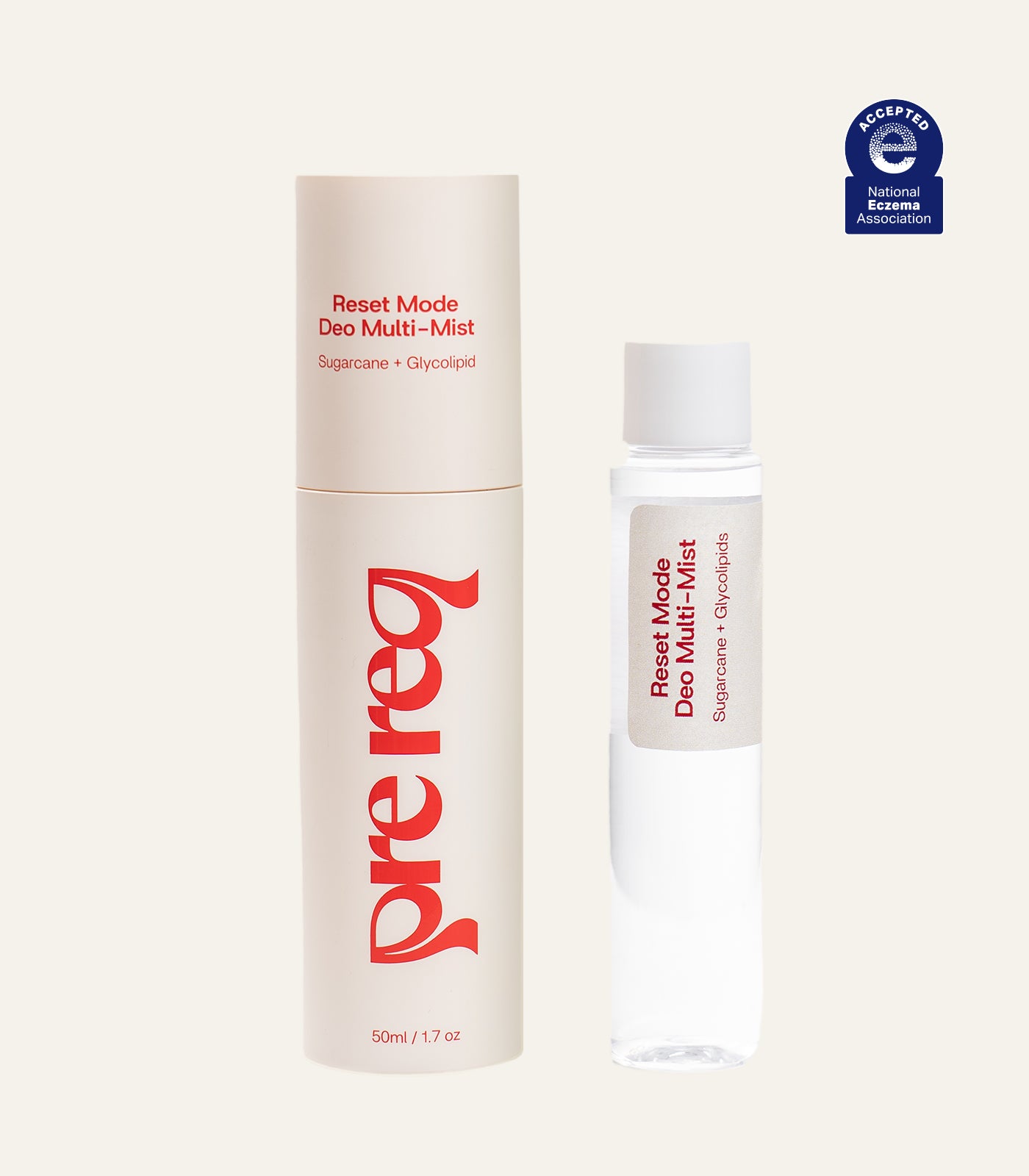
For parents comparing products, the National Eczema Association Seal of Acceptance is a useful third-party checkpoint rather than a marketing claim. To earn it, a product must pass testing like the Human Repeat Insult Patch Test, Safety-in-Use studies, or a Cumulative Irritation Test, and be reviewed against NEA's list of known irritants. That's a meaningfully higher bar than a label that simply says "gentle" or "natural."
Baking Soda-Free Alternatives for Kids
If baking soda has caused irritation, or you'd rather avoid the risk altogether, look for deodorants built around ingredients that manage odor without pushing skin pH as far into alkaline territory. Magnesium hydroxide, fermented odor-neutralizers derived from ingredients like sugarcane, and zinc-based formulas are common alternatives generally considered gentler for reactive skin.
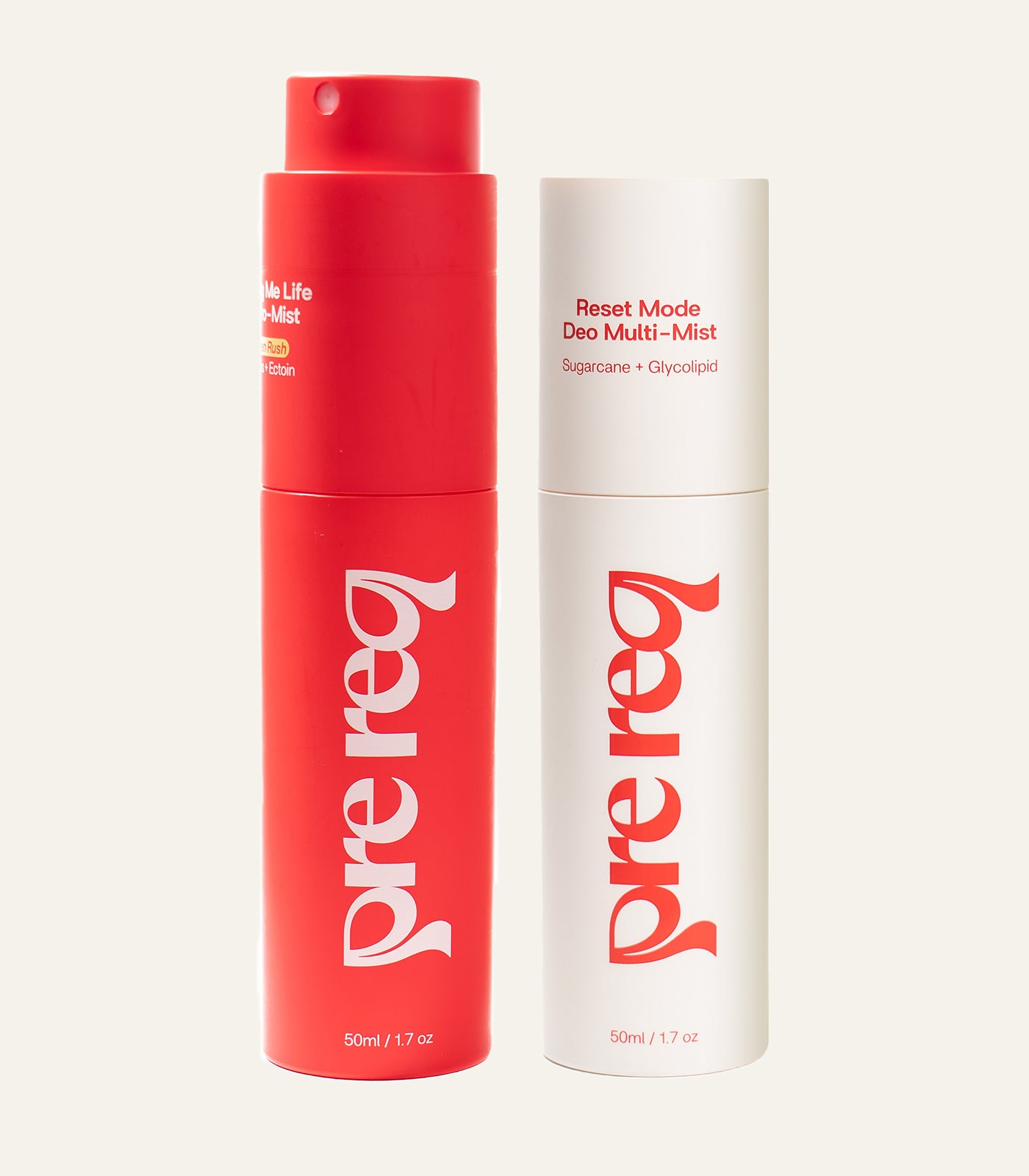
Prereq's Reset Mode Deo Multi-Mist is formulated without baking soda, aluminum, or synthetic fragrance, and carries the NEA Seal of Acceptance. It uses sugarcane fermentation to neutralize odor-causing bacteria at the source and glycolipids to support the skin barrier rather than just masking odor. It's priced at $19.99.
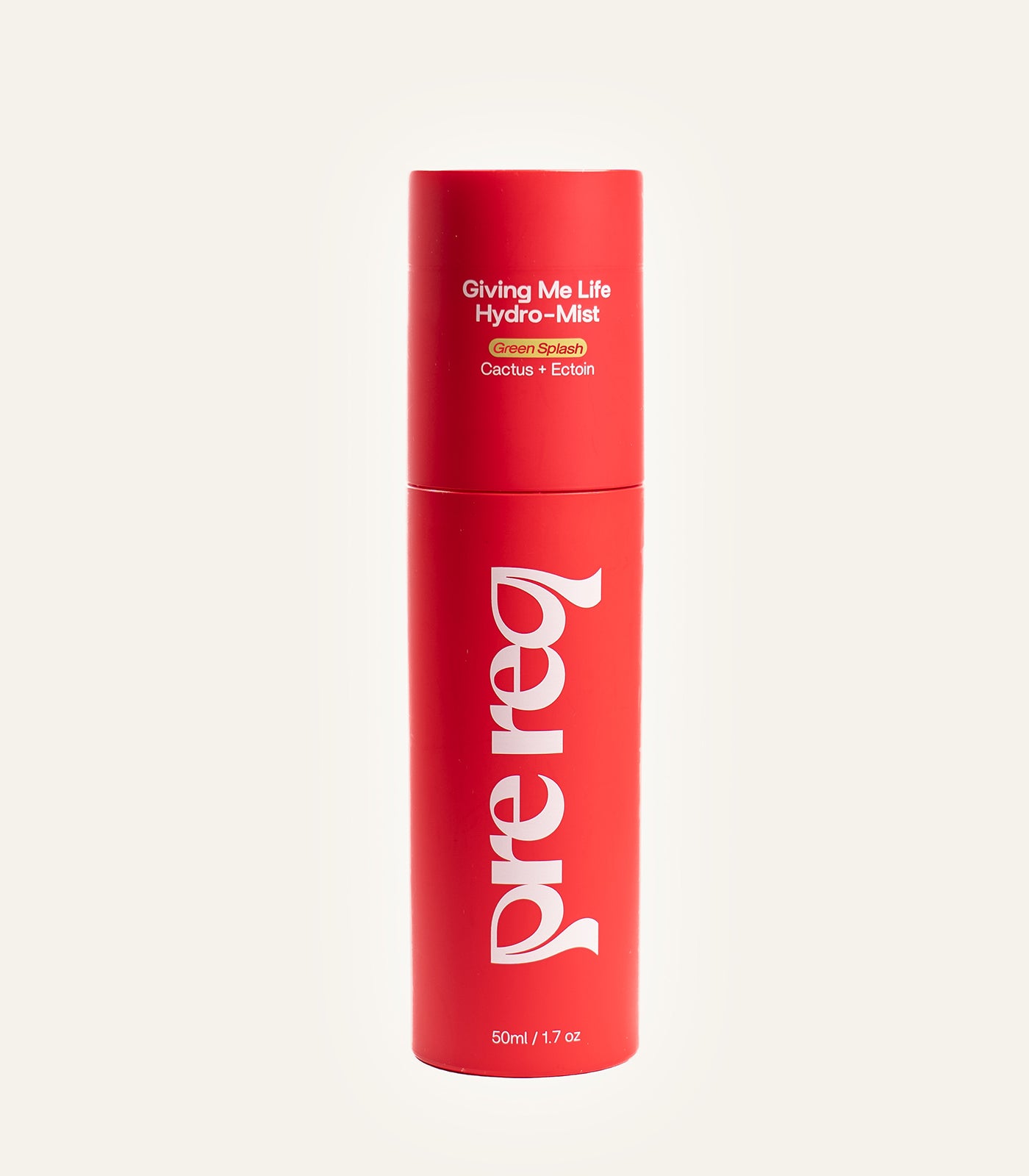
If your child's underarm skin is already irritated from a previous baking soda formula, hydration matters just as much as switching products. Prereq's Giving Me Life Hydro-Mist supports the skin barrier with hyaluronic acid and cactus extract, and can be used alongside a deodorant switch while skin recovers. It's also priced at $19.99.
You can see the full reasoning behind why these formulas leave baking soda, aluminum, and parabens out entirely on our ingredient safety standards page.
Recommended Products for Tweens & Teens
Support healthy hygiene and skincare habits with gentle, age-appropriate essentials designed for pre-teens and teens.
How to Tell If Baking Soda Is the Culprit (Simple Patch Test)
Before committing to a full underarm switch, a basic patch test saves a lot of guesswork. Apply a small amount to the inner forearm once a day for two to three days and watch for redness, itching, or bumps before moving to the underarms.
One point worth clearing up: aluminum sensitivity and baking soda sensitivity are different reactions with different causes, so ruling out one doesn't rule out the other. It's also normal for a baking soda reaction to show up 24 to 48 hours after use rather than immediately, so a delayed rash is still consistent with using baking soda for underarms or using baking soda on armpits as the cause.
Frequently Asked Questions
What is baking soda called on a deodorant ingredient label?
Sodium bicarbonate is the ingredient-list name for baking soda. Some labels also list it as bicarbonate of soda. If either name appears near the top of the ingredient list, the formula is likely baking soda-forward.
Is baking soda in deodorant bad for kids?
It's not inherently harmful, the way harsh chemical additives can be, but it's a frequent source of underarm irritation because of its alkaline pH. Kids with sensitive or eczema-prone skin are the most likely to react.
Can baking soda stop smelly armpits?
Yes. Baking soda neutralizes the acids in sweat that odor-causing bacteria feed on, which is why it shows up in so many natural deodorant formulas.
What deodorant is safe for kids?
A gentle, fragrance-free, aluminum-free formula without baking soda is the safest starting point for most kids, especially for first-time users. Look for NEA Seal of Acceptance certification as a third-party safety indicator rather than relying on "natural" claims alone.
Should I avoid baking soda in deodorant for my child?
If your child has sensitive, reactive, or eczema-prone skin, avoiding baking soda is a reasonable precaution. For kids without a history of skin sensitivity, small amounts in a well-formulated product are generally well tolerated.
So, Is Baking Soda in Deodorant Safe for Kids?
For most kids, baking soda in deodorant is a manageable ingredient, but its alkaline pH makes it one of the more common causes of underarm irritation, especially for first-time users and kids with sensitive or eczema-prone skin. If your child's skin reacts, or you'd rather avoid the risk from the start, a baking soda-free, dermatologist-vetted formula is the safer place to begin. For a broader look at choosing a first deodorant beyond this one ingredient, our complete parents' guide to kids' deodorant covers the full decision from age to ingredients to routine.
Ready to build a simple, sensitive-skin-friendly routine? Explore the Daily Duo, Prereq's hydration and odor defense set for pre-teens and teens.
This article is for informational purposes only and isn't a substitute for medical advice. If your child has persistent underarm redness or irritation, a pediatrician or dermatologist is the right next step.

