


The right time to talk to your child about puberty and personal hygiene is before the changes start, not after. Most parents can begin this conversation around ages 8 to 10, since some early signs of puberty appear sooner than most people expect. Starting early keeps things calm and factual instead of rushed, and it means your child hears about body changes from you first, not from a classmate at school.
This guide covers when to start, what to actually say at each age, and how to build new hygiene habits like showering, deodorant, and skincare into a routine your child will stick with.
When to Start Talking to Your Child About Puberty
Puberty timing varies more than most parents assume, which is exactly why the conversation should start early. Girls typically begin puberty between ages 8 and 13, while boys typically start between 9 and 14, according to guidance from Nemours KidsHealth. Because some girls show early signs of puberty as soon as second or third grade, waiting until age 11 or 12 to start talking to kids about puberty often means starting after changes have already begun.
One conversation isn't enough. Puberty talks work best as a series of smaller conversations spread out over months and years, not a single scheduled sit-down. Revisit the topic as new questions come up, and let your child's questions guide how much detail they need at each stage.
Most pediatric sources point to age 8 as a reasonable starting point for daughters, since some girls begin developing breast buds or pubic hair by age 9. Starting before physical changes appear, rather than after, gives your daughter time to understand what's happening to her body without feeling caught off guard.
How to Talk to Your Child About Puberty, Age by Age
What to say changes by age and by gender, since girls typically enter puberty earlier than boys and need different information at different stages.
How to Explain Puberty to a Girl
Girls typically begin puberty between ages 8 and 13, so the conversation should start before physical changes appear. When you sit down to explain puberty to a girl, cover four things first: breast development, pubic and underarm hair growth, new body odor, and the basics of a first period. Girls don't need every detail on day one, just enough to recognize what's happening as normal.
A low-key opener works better than a formal talk. Something like, "I noticed you've been sweating more after gym; that's your body getting ready for some changes. Want to talk about it?" opens the door without pressure.
What to say by age:
-
Age 8: Introduce the idea gently, before any changes appear; explain that her body will start changing in the next few years and that it's completely normal.
-
Ages 9-10: Go a level deeper into what a period actually is and how pads work, since some girls this age menstruate within the next year or two.
-
Ages 11-13: Speak to her more directly as changes are likely already underway, check in on how she's handling her period, hygiene routine, and any questions or concerns that have come up since the first conversation.
Body odor tends to show up earlier for girls than boys, since girls generally start puberty first, so it's worth pairing this part of the conversation with a first, gentle deodorant made for girls rather than waiting until odor becomes a daily issue.
How to Explain Puberty to a Boy
Boys typically begin puberty between ages 9 and 14. Explaining puberty to a boy usually means covering voice changes, genital growth, new body odor, and wet dreams, all as expected rather than embarrassing. Many parents skip the wet dreams conversation entirely, which just means a boy learns about it from confusion instead of from a parent.
What to say by age:
-
Age 9: A short, factual explanation is usually enough, since most boys haven't started puberty yet at this age.
-
Ages 10-11: Connect early signs like increased sweat or a faint change in body odor directly to new hygiene habits, since this is often the exact age when apocrine sweat glands start becoming active.
-
Ages 12-14: Talk more specifically about voice changes, genital growth, and wet dreams, since most boys are actively moving through puberty by this range and benefit from knowing what to expect before it happens.
Boys can actually develop underarm odor a little earlier than most parents expect, sometimes years before the rest of puberty catches up, so it helps to know what a kid's deodorant for boys should and shouldn't contain before that first noticeable smell shows up.
Starting Early, Ages 7 to 8
For kids as young as 7 or 8, groundwork matters more than detail.
-
Use correct anatomical terms from an early age, so your child already has the vocabulary to ask questions when puberty actually starts.
-
Use everyday moments, bath time, getting dressed, a scene in a movie, as natural, low-pressure openings rather than waiting for a formal moment.
-
Ask what your child already knows or has heard at school before adding information. This tells you where to correct misinformation and makes the conversation feel like a discussion, not a lecture.
Signs and Symptoms of Puberty: A Quick Reference for Parents
Once the conversation starts, these are the physical changes worth covering directly, regardless of which age you're starting at.
|
Topic |
What to explain |
|
Growth spurts |
Rapid height and weight changes are normal, and timing varies widely between kids |
|
Body hair |
New hair growth under the arms, on the legs, and in the pubic area |
|
Skin changes |
More oil production, which often means the first breakouts |
|
Body odor |
Sweat glands activate, and sweat mixing with skin bacteria creates a new smell |
|
For girls |
Breast development and the basics of a first period |
|
For boys |
Voice changes, genital growth, and wet dreams as a normal part of development |
How Puberty Affects Personal Hygiene

Puberty affects personal hygiene because hormonal changes activate the apocrine sweat glands, the glands concentrated in the underarms and groin that stay mostly dormant throughout early childhood. Once puberty begins, these glands start producing a thicker type of sweat, and when that sweat meets bacteria already living on the skin, the result is body odor for the first time.
This is a body chemistry shift, not a sign that your child isn't washing enough. Skin also starts producing more oil around the same time, driven by the same hormonal surge, which is why first breakouts tend to show up alongside body odor rather than years apart.
It helps to know what's typical here. Most kids sweat more and develop some odor as puberty progresses, but a smaller number of kids sweat far beyond what puberty alone explains, soaking through clothes or socks multiple times a day regardless of temperature or activity level. If that's closer to what you're seeing, it's worth understanding how sweat compares to hyperhidrosis in kids, since the two can look similar at a glance but call for different responses.
Either way, the hygiene response starts the same: more frequent washing, breathable fabrics, and a deodorant built for young skin, and adjusts from there only if sweating turns out to be excessive rather than typical.
Teaching Personal Hygiene Habits During Puberty
Building hygiene habits for kids by age works best when new habits attach to routines your child already has, rather than arriving as a separate list of rules.
|
New habit |
Why it matters now |
|
Daily showers |
Increased sweat and oil buildup need more than a quick rinse |
|
Deodorant |
Manages new body odor once sweat glands become active |
|
Gentle face wash |
Rising oil production means first breakouts need attention |
|
Fresh clothes daily |
Bacteria build up fast on worn clothing once sweat increases |
|
Dental care |
Gums can become more sensitive during hormonal shifts, making brushing and flossing worth reinforcing |
Daily showers matter more now than they did a year ago, since sweat and oil buildup can't be rinsed off with a quick splash of water. Encourage washing under the arms and around the groin specifically, not just a shower on autopilot.
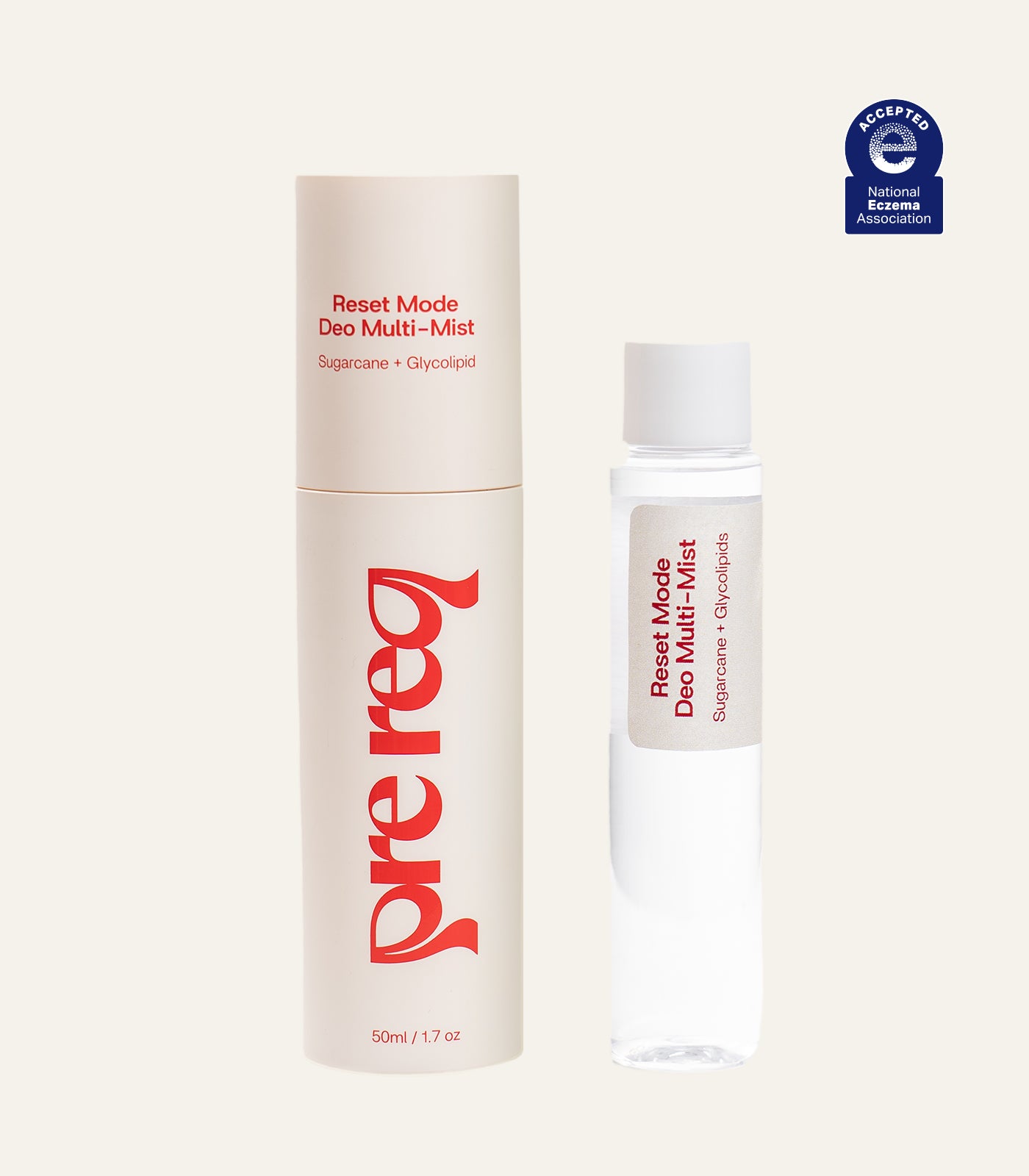
Body odor is usually the sign that it's time to introduce deodorant, and most parents find that figuring out when kids should start using deodorant comes down to watching for that first noticeable smell rather than picking a birthday. An aluminum-free, fragrance-free formula is the safer starting point for skin that's still developing. Prereq's Reset Mode Deo Multi-Mist is built around exactly that: no aluminum, no baking soda, just an odor-neutralizing formula gentle enough for daily use on young skin. If a new deodorant leaves skin red or itchy instead of just fresh, that's often a sign of armpit eczema in kids rather than something to push through with the same formula.
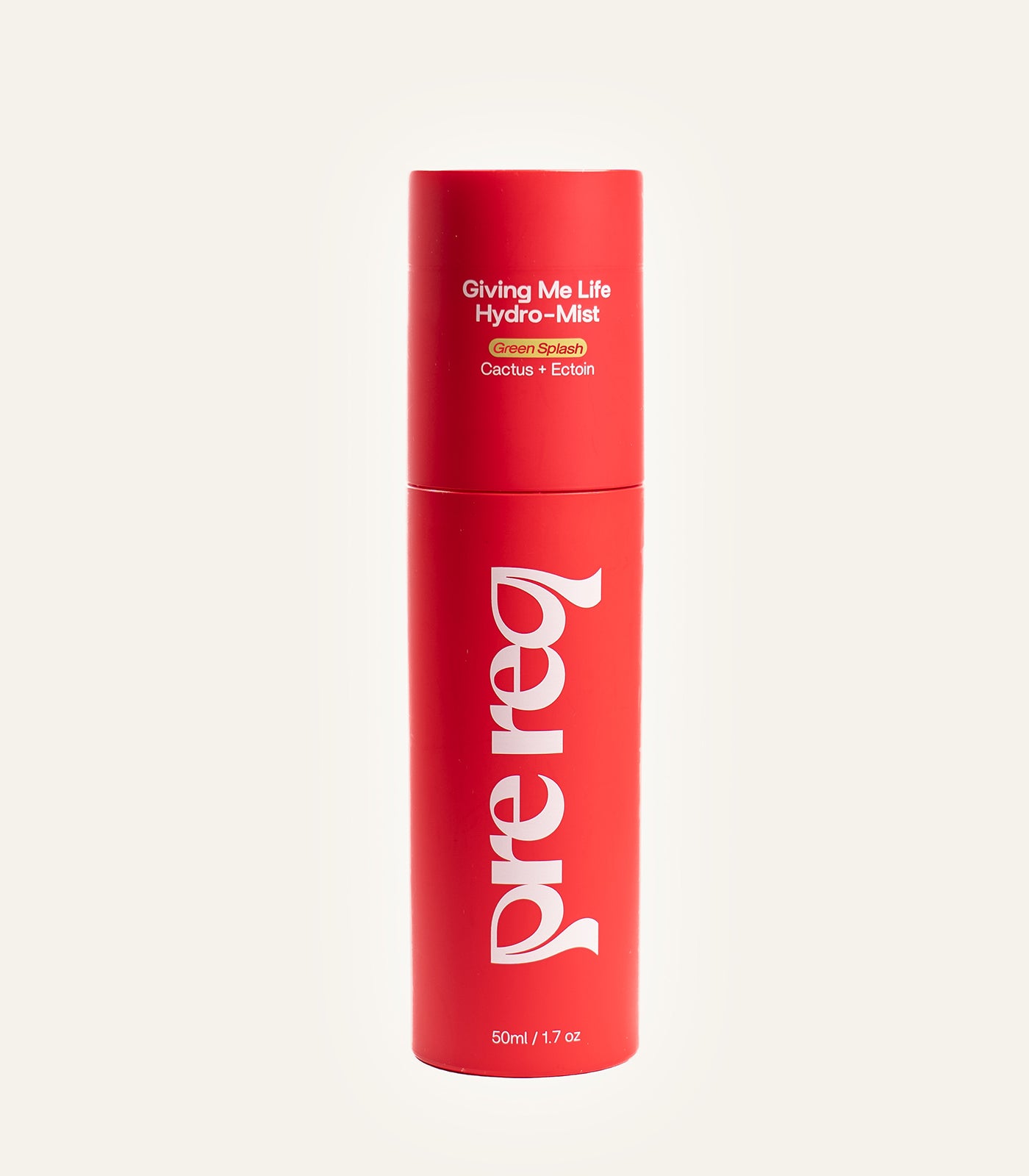
Skin changes deserve the same attention as odor. A simple tween skincare routine built around a gentle cleanser, a lightweight moisturizer, and daily SPF handles the oil and first breakouts that tend to show up around the same time as body odor, without introducing adult actives a developing skin barrier isn't ready for. Prereq's Giving Me Life Hydro-Mist works well here too, a quick hydrating pass after a breakout flares or after sports, without adding more oil to already-oily skin.
Fresh clothes and consistent dental care round out the routine. Bacteria builds up on worn clothing fast once sweat glands are active, and mouths change too, so reinforcing brushing and flossing again at this age is worth the reminder.
Recommended Products for Tweens & Teens
Support healthy hygiene and skincare habits with gentle, age-appropriate essentials designed for pre-teens and teens.
Making the Conversation Comfortable for Both of You
Ask before you tell. Starting with "What have you heard about this?" gives you a read on what your child already knows, and it usually surfaces at least one myth worth correcting early.
Normalize rather than dramatize. A simple line like "this happens to everybody, just at different times" does more to ease anxiety than a long explanation of why. Kids compare themselves to friends constantly during this stretch, and knowing that timing varies removes a lot of the pressure.
Let your child have some say in their own routine. Giving a choice between two safe products, or two ways of doing something, builds follow-through in a way that handing down a fixed routine doesn't. This is part of why Prereq's mists come in a format kids can apply themselves in seconds; a quick spray takes less convincing than a routine that feels imposed. Kids who feel involved in managing their own hygiene are far more likely to actually stick with it.
Keep checking in. Puberty and hygiene needs shift over months, not years, so a habit that worked at 9 might need adjusting by 11. Treat this as an ongoing conversation you return to, not a topic you close out after one talk.
Puberty and Hygiene Resources for Kids
Books remain one of the most useful supplements to an in-person conversation, especially for kids who process information more easily on their own before talking about it out loud. If you're looking for a book to talk to your daughter about puberty, look for one written directly to her, in an age-appropriate voice, rather than a clinical reference meant for adults. The same applies for sons; a book written in a boy's voice tends to land better than one that reads like a textbook.
These work best as shared reading rather than something handed over and left alone. Read a chapter together, then pause and ask what stood out or what raised a question. That structure gives your child permission to bring up something the book covered without having to start the conversation cold.
The American Academy of Pediatrics also maintains parent-facing resources on puberty and adolescent development, worth bookmarking for questions that come up between conversations. School-provided sex education materials are another resource worth reviewing together at home, since kids often still have follow-up questions after a classroom lesson that they didn't feel comfortable asking in front of classmates.
Once the conversation is underway, most families find it easier to introduce new hygiene products gradually rather than all at once, starting with whatever change your child has actually noticed first, usually body odor or oilier skin, rather than stocking an entire routine on day one.
Common Questions Parents Ask
How do you talk to your kids about puberty?
Start early, use correct anatomical terms, and keep the conversation ongoing rather than a single talk. Ask what they already know first, then fill in gaps calmly and factually.
How to explain personal hygiene to a child?
Tie new habits to routines they already have, like brushing teeth before bed. Explain the reason behind each step: sweat glands, oil production, so it feels logical rather than arbitrary.
How does puberty affect personal hygiene?
Hormonal changes activate sweat glands that were mostly dormant in childhood, leading to body odor for the first time. Skin also produces more oil, which is why breakouts often start around the same time.
At what age should I talk to my daughter about puberty?
Most girls benefit from starting the conversation around age 8, since puberty can begin as early as 8 or 9 for some. Starting before changes appear reduces surprise and anxiety later.
What are the 5 stages of puberty?
Puberty is generally described in five stages of physical development, moving from no visible changes through full physical maturity. Timing varies significantly between kids, so stage matters more than age alone.
The Puberty and Hygiene Conversation Starts With You
Getting every word right matters less than simply starting. A short, honest conversation at age 8 does more for your child than a perfect one delayed until age 12. Keep it ongoing, answer questions as they come, and let your child see that this is a normal part of growing up rather than a topic reserved for one uncomfortable talk.
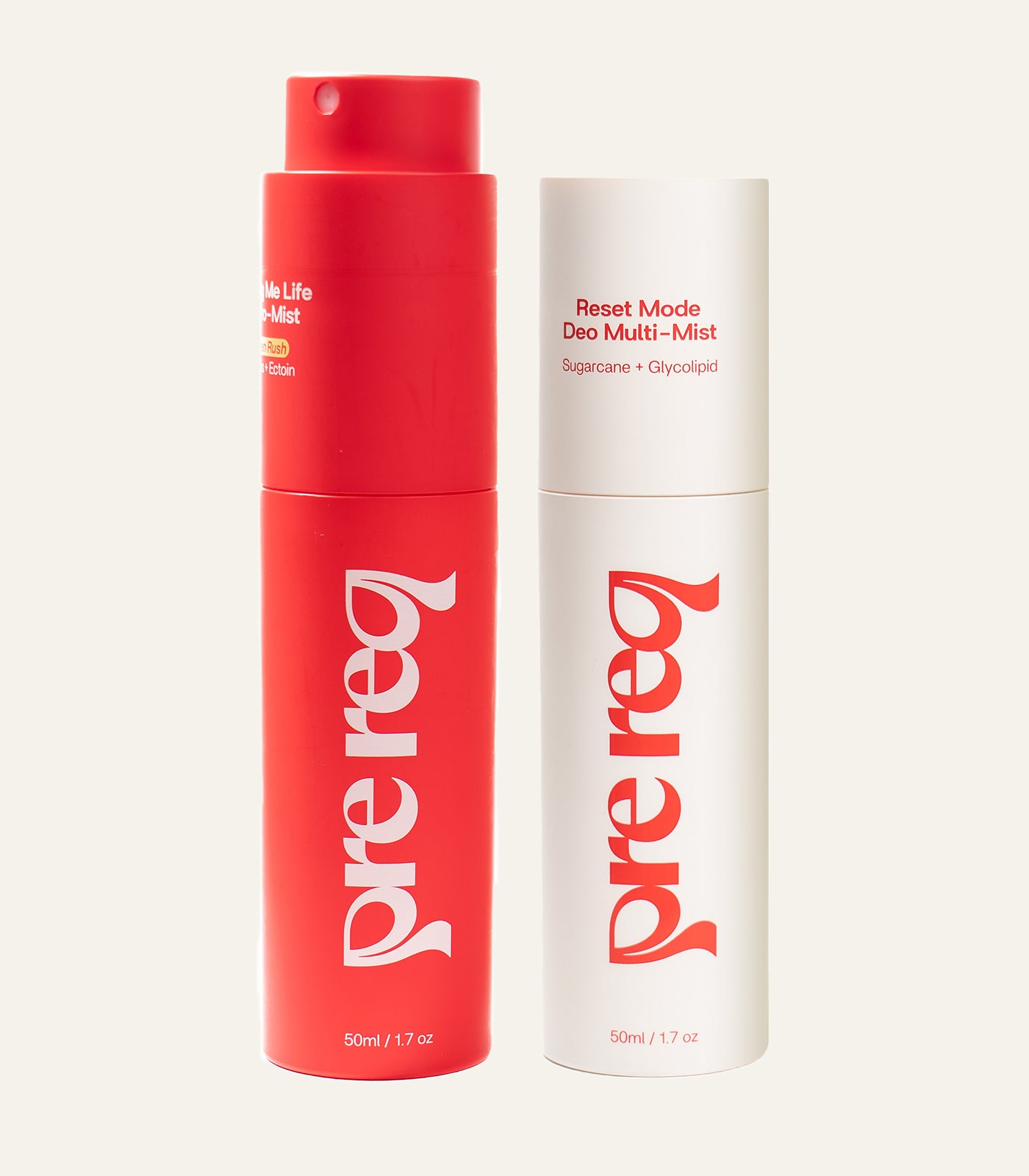
When body odor and skin changes show up around the same time, which they usually do, a bundle like The Daily Duo pairs a gentle hydrating mist with an aluminum-free deodorant mist, giving your child one simple routine that covers both changes at once instead of introducing separate products at separate times. Shop the full Prereq collection to find the right starting point for your child's age and needs.
Recommended Products for Tweens & Teens
Support healthy hygiene and skincare habits with gentle, age-appropriate essentials designed for pre-teens and teens.
This article is for general educational purposes only and isn't a substitute for medical advice. Every child develops at their own pace, and puberty timing can vary widely from what's described here. If you have specific concerns about your child's development, growth, or hygiene needs, talk to their pediatrician.

