


A patch test is a simple way to check how a new skincare product affects your child's skin before using it everywhere. You apply a small amount to one hidden spot, use it the way you normally would, and watch that spot for several days. This one habit can prevent days of redness, itching, and bumps from a product that doesn't suit your child.
This guide covers how to patch test skincare on kids at home, where to test each product type, how long to run the test, and what to do if a reaction appears.
Home Patch Test vs Clinical Allergy Test
A home patch test shows whether a product irritates your child's skin. It doesn't identify the exact ingredient behind a reaction. A clinical patch test, done by a dermatologist or allergist, uses standard allergen panels to find the specific substance causing contact dermatitis. The American Academy of Dermatology describes patch testing as a medical test used when the cause of skin irritation is hard to pinpoint.
Irritant reactions appear quickly and come from a product's ingredients or strength. Allergic contact dermatitis works differently. The immune system has to recognize a substance first, and the reaction can take a few days to appear. That's why a spot that looks fine on day one can still react later.
Puberty adds another layer. Hormones shift oil production and sensitivity during the tween years, so it helps to understand how puberty changes skin before you start testing. A product that suited your child last year may behave differently now.
If your child has had reactions before, or the trigger isn't obvious, ask a doctor about clinical testing. In a clinic, allergen patches usually go on the back and stay in place for about two days, and the skin is checked over several visits. Tell the doctor about any antihistamines your child takes, because some may need to stop before testing.
What to Gather Before You Start
-
One new product at a time, so you can tell which one caused a reaction
-
Clean, dry skin on a spot the product won't be rubbed off
-
A simple log with the start date, product name, spot tested, and daily notes
-
No other new products during the test window
Where to Patch Test Skincare on Kids
Pick a spot that's unbroken and where the product won't be rubbed or washed away. The AAD recommends a quarter-sized amount on the underside of the arm or the bend of the elbow.
Inner Forearm or Elbow for Body Products
Body lotions and sunscreens are best tested on the inner forearm or inner elbow. For hand creams, test the inner wrist, which is closer to how the cream is used. Deodorant goes on the underarms, but clothing rubs that area, so test the inner elbow first and watch it closely.
Behind the Ear for Face Serums and Mists
Face products need a spot near the face. Behind the ear is a practical choice because the skin is close to the face and often hidden. Test a face serum or mist there, and leave one nearby spot untouched as a control so you can compare the two.
How to Do a Patch Test on Kids, Step by Step
To patch test skin care on a child, follow these steps for each new product, one at a time.
-
Wash the test spot and dry it fully, removing any leftover products.
-
Apply a quarter-sized amount in the same thickness you would use every day.
-
Leave it on as long as you normally would. For a wash-off product like a cleanser, keep it on for five minutes or as the label says.
-
Repeat the application twice daily on the same spot.
-
Check the spot each time for redness, itching, swelling, bumps, or burning.
-
If a reaction appears, wash the product off gently, stop using it, and apply a cool compress or petroleum jelly if needed.
How Long to Run the Test
The AAD's guidance on how to test skin care products recommends applying the product to a test spot twice daily for seven to 10 days. If no red, itchy, or swollen skin appears, the product is generally fine to use.
Some sources suggest a 24- to 48-hour check. A short window can miss reactions that take days to appear, so use the full seven-day window. Some ingredients, including retinol and glycolic acid, can cause temporary irritation even when a child isn't allergic. A clear test lowers the odds of a surprise, but it doesn't guarantee a product is safe.
Signs of a Reaction and What to Do Next
|
What you see |
What to do |
|
Redness, itching, bumps, or burning at the test spot |
Wash the product off, stop using it, and keep watching the area |
|
Swelling or a rash that spreads past the test spot |
Contact your child's doctor the same day |
|
Blisters, trouble breathing, or swelling of the face or lips |
Seek emergency care right away |
If a reaction doesn’t settle, or the cause isn’t clear, talk to a board-certified dermatologist. The American Academy of Dermatology notes that when the trigger is hard to pinpoint, a dermatologist may recommend patch testing to find it.
Products Worth Patch Testing First
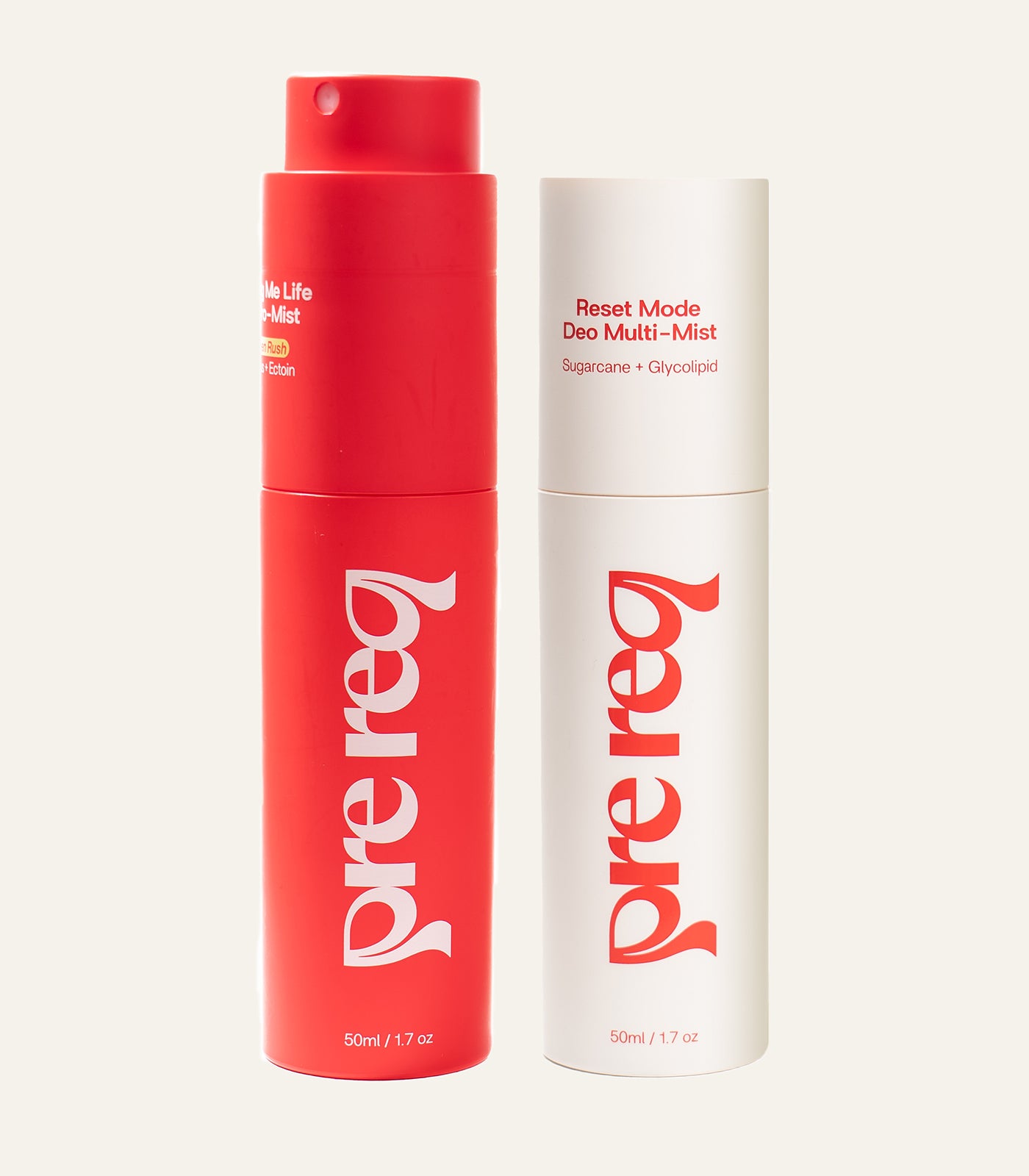
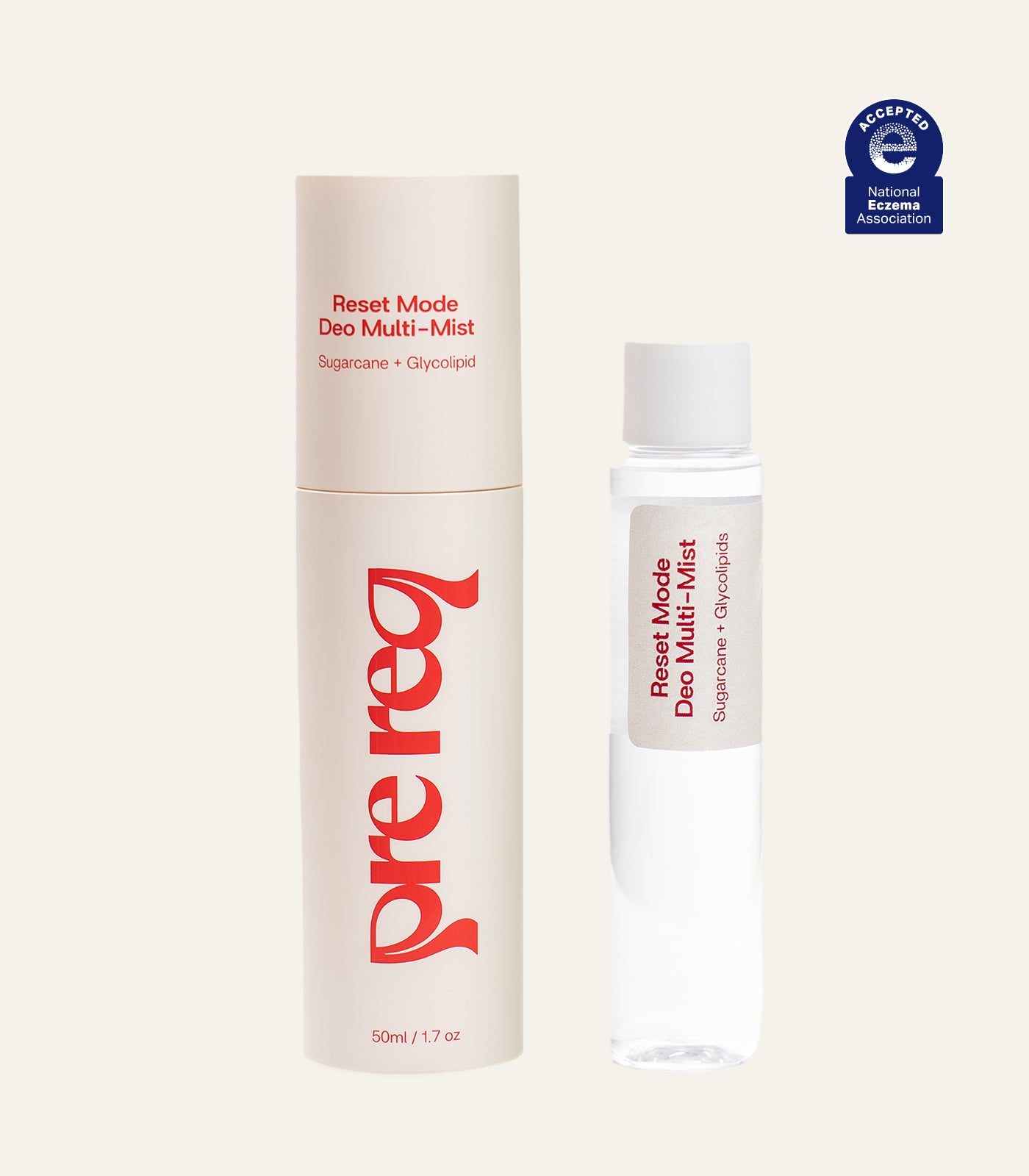
Many families start with a first deodorant around the tween years, so deodorant is often the first new product a child uses every day. Prereq's Reset Mode Deo Multi-Mist is aluminum-free and carries the NEA Seal of Acceptance from the National Eczema Association, which means it has been evaluated for sensitive and eczema-prone skin. A seal is a helpful signal, but it doesn't replace testing your own child's skin.
A simple routine works better than a crowded one. The breakdown of skincare for kids by age shows which steps fit each stage, and each new step deserves its own test.
Recommended Products for Tweens & Teens
Support healthy hygiene and skincare habits with gentle, age-appropriate essentials designed for pre-teens and teens.
Common Patch Test Mistakes
-
Testing several products at once, which makes it impossible to know which one caused a reaction
-
Stopping at 24 hours and missing a reaction that appears later
-
Assuming "natural" or "gentle" products don't need a test
-
Choosing an "unscented" product without checking, since it can still contain fragrance-related ingredients. Knowing the difference between body spray and perfume helps when choosing fragrance for a child.
-
Testing on broken or flared skin, where a reaction is hard to read. Families managing eczema-prone skin should wait until the skin calms down.
Frequently Asked Questions
Should a 7-year-old have a skincare routine?
A full routine isn't necessary at age 7, but a gentle cleanser and daily sunscreen are reasonable habits. Any new product should still get a patch test first.
What is patch testing used for in children?
Clinical patch testing identifies the specific allergen behind a rash or contact dermatitis, such as a preservative or fragrance ingredient. Allergen patches are placed on the skin and read over several visits.
Can a 4-year-old get an allergy test?
Yes, a pediatrician or allergist can order allergy testing for a young child when symptoms or history call for it. Check with your pediatrician before testing a young child at home.
Can you do your own skin allergy test?
A home patch test shows how your child's skin responds to a product, but it is not a medical allergy test. It can't reliably identify the ingredient causing a reaction, so a clinical test is the right route for that answer.
Is a skin allergy test painful?
A prick test can sting briefly, and most skin allergy tests take less than an hour. Afterward, the area may itch, feel tender, or swell, and a cool cloth can help. Ask the clinic before using any cream on the test area.
How much does a skin patch test cost?
Prices vary by clinic, location, and insurance coverage. Ask the clinic for the cost of its test before booking.
Test Every New Product Before Daily Use
Gentle products can still cause reactions, so every new product deserves one clear test before it joins your child’s routine. Test one product at a time, use the correct spot, and watch for seven days. When you’re ready to build a simple routine, browse the Prereq Care collection and start with the basics. Free tote bag with any subscription while the offer lasts.
Recommended Products for Tweens & Teens
Support healthy hygiene and skincare habits with gentle, age-appropriate essentials designed for pre-teens and teens.
This article is for general information only and does not replace advice from your child’s pediatrician or a board-certified dermatologist. Patch testing at home can’t rule out every reaction. If your child has a severe reaction, trouble breathing, or swelling of the face or lips, seek emergency care right away.

