


The main difference between kids' body spray and perfume is fragrance concentration. Body spray contains about 1 to 3% fragrance oil, while perfume contains 15 to 20%. That gap makes body spray the safer, more age-appropriate choice for daily use, while perfume is better saved for older teens or special occasions.
Both products are marketed to make kids smell nice, but they're not interchangeable. Here's how they actually compare, and what's right for your child at each age.
Kids Body Spray vs Perfume at a Glance
|
Factor |
Kids Body Spray |
Perfume |
|
Fragrance concentration |
1–3% |
15–20% |
|
How long does it last |
1–2 hours |
6–8+ hours |
|
Where to apply |
Clothing, broad mist |
Pulse points, sparing |
|
Skin contact risk |
Low |
Higher |
|
Best for ages |
8+ |
Not recommended under 14 |
|
Typical use |
Daily, casual |
Special occasions only (older teens) |
What Is Kids Body Spray?
Kids' body spray is a light, water- or alcohol-based fragrance mist made for broad, all-over application. Because the fragrance oil concentration is so low, it's designed to be sprayed liberally on clothing rather than dabbed sparingly the way perfume is.
A well-formulated kid-friendly body spray will name its scent ingredients clearly, like lavender or citrus, instead of hiding behind the catch-all word "fragrance." It should also skip alcohol-heavy formulas and synthetic dyes, since both can dry out or irritate a child's more reactive skin barrier.
What Is Perfume?
Perfume is a concentrated fragrance product built for adult skin chemistry and all-day longevity. The higher oil concentration means more chemical exposure per spray, and it's formulated to be applied sparingly to pulse points like the wrists and neck, where body heat helps the scent develop over hours.
That concentration and application style exist to serve adult preferences, not a child's needs. None of it is necessary or appropriate for a child's skin, which absorbs more and reacts faster than adult skin does.
Does Kids Body Spray Smell Different Than Perfume?
Yes. Kids' body spray smells lighter and simpler because of its lower fragrance concentration, while perfume has layered top, middle, and base notes that shift and deepen over several hours.
Most kids' formulas stick to single-note, fruity, floral, or citrus scents rather than complex blends, partly because simpler scents are gentler on sensitive, still-developing skin. That simplicity also means the scent fades evenly instead of evolving the way a perfume's layered notes do, which is part of why it feels lighter to wear.
Is Body Spray and a Perfume the Same?
No, body spray and perfume are not the same. They're both fragrance products, but they belong to different concentration categories, and that difference changes how each one behaves on skin.
The American Academy of Dermatology notes that fragrance is among the most common causes of allergic skin reactions, and concentration plays a direct role in that risk. At 1 to 3% fragrance oil, body spray carries a fraction of the chemical load of an eau de parfum at 15 to 20%, which is why the two aren't safe substitutes for each other on a child's skin.
Which Is Better for Kids: Body Spray or Perfume?
Body spray is better for kids in almost every situation. Lower fragrance concentration means less chemical exposure and shorter skin contact time, which matters more for kids than adults because children's skin is thinner and absorbs more. The one exception is a teen 14 or older with no known sensitivities who wants a light eau de toilette for an occasional special event.
As Dr. Tiffany Libby, board-certified dermatologist and Prereq's strategic advisor, explains, lightweight, purposeful formulas matter most for active kids:
"Acne-prone skin needs more than just hydration; it needs protection... ensuring your teen's skin is protected during school, sports, and everything in between."
That same logic applies to fragrance: a light mist designed for a kid's routine does the job without the unnecessary concentration of an adult product.
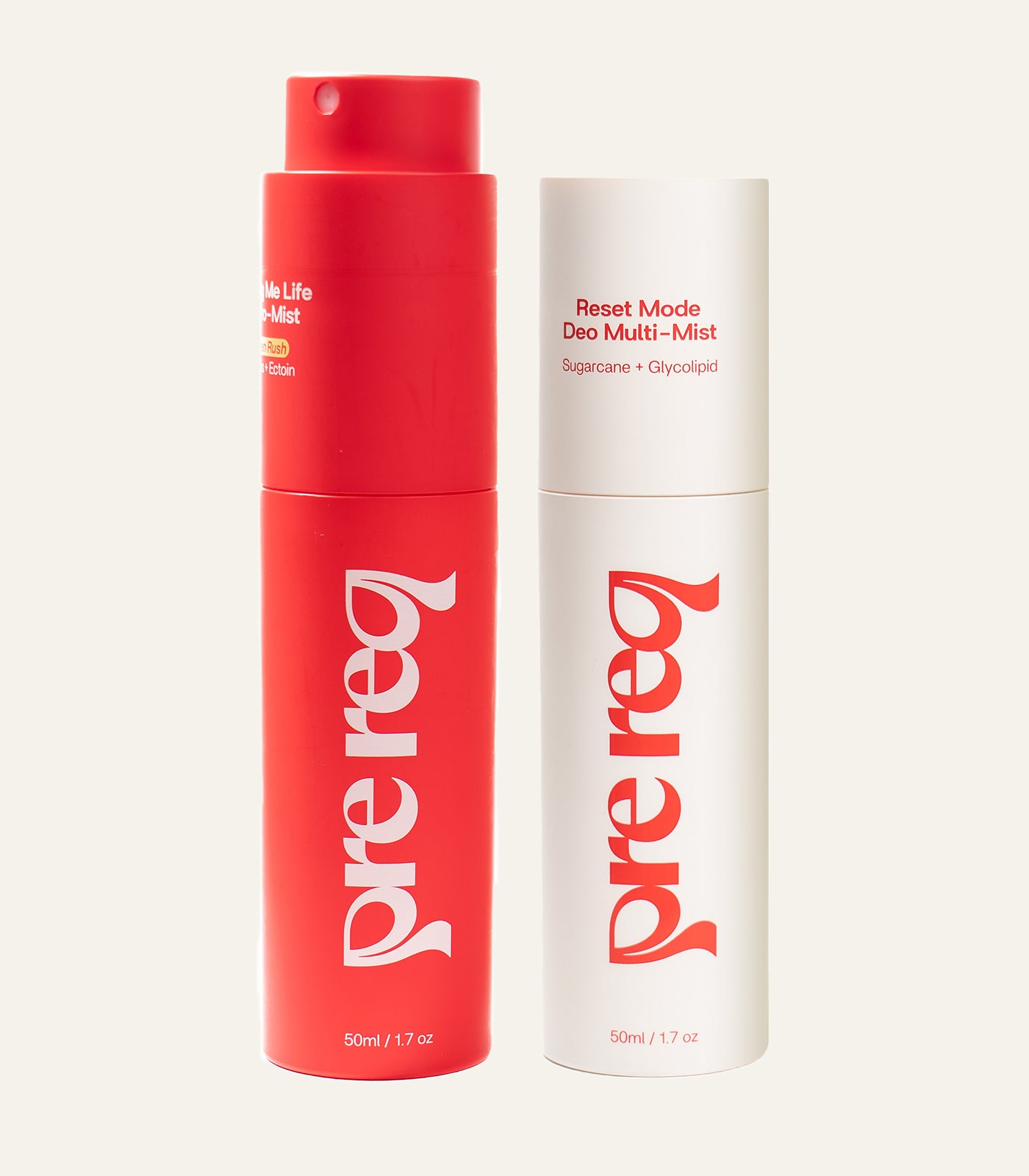
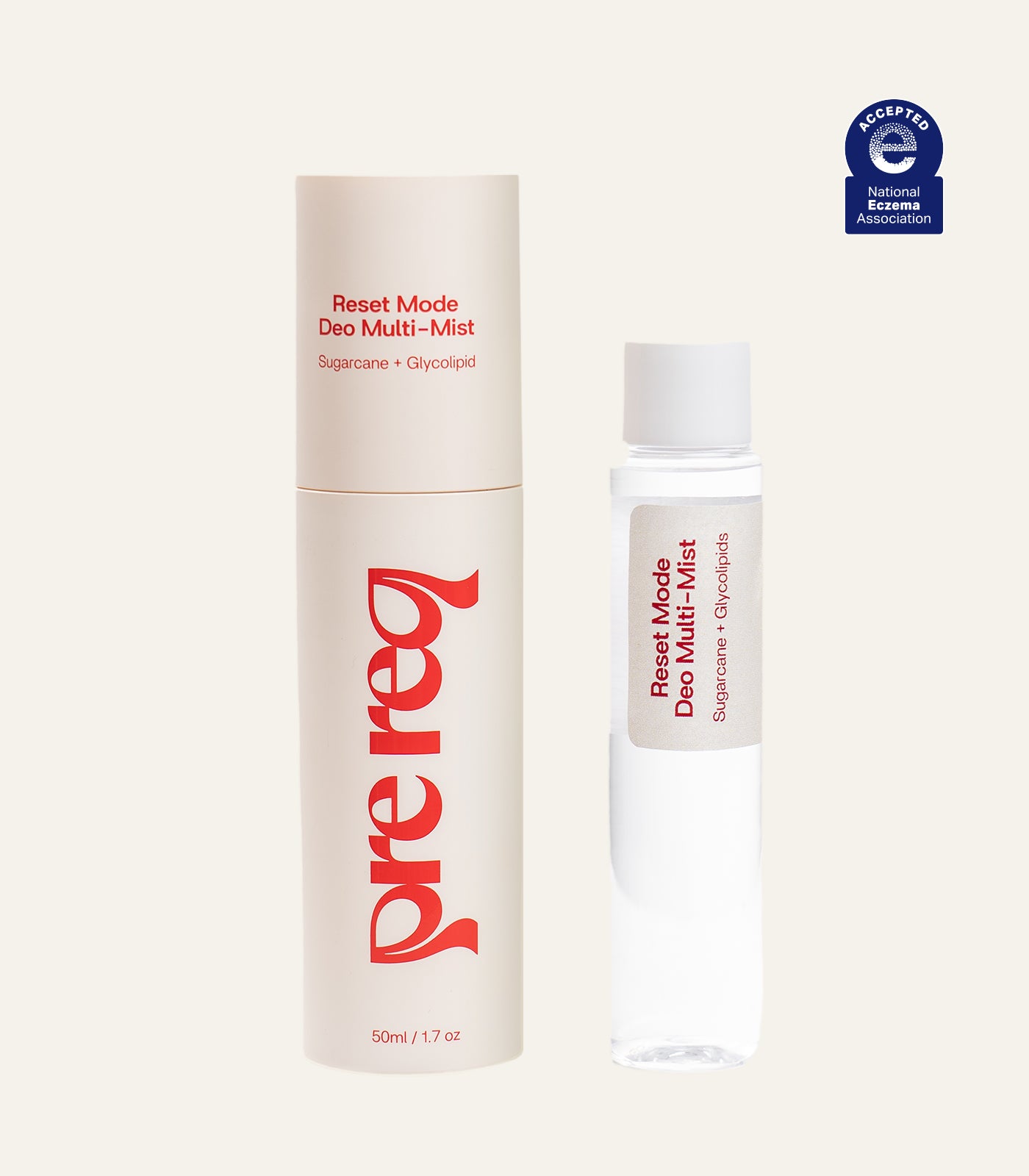
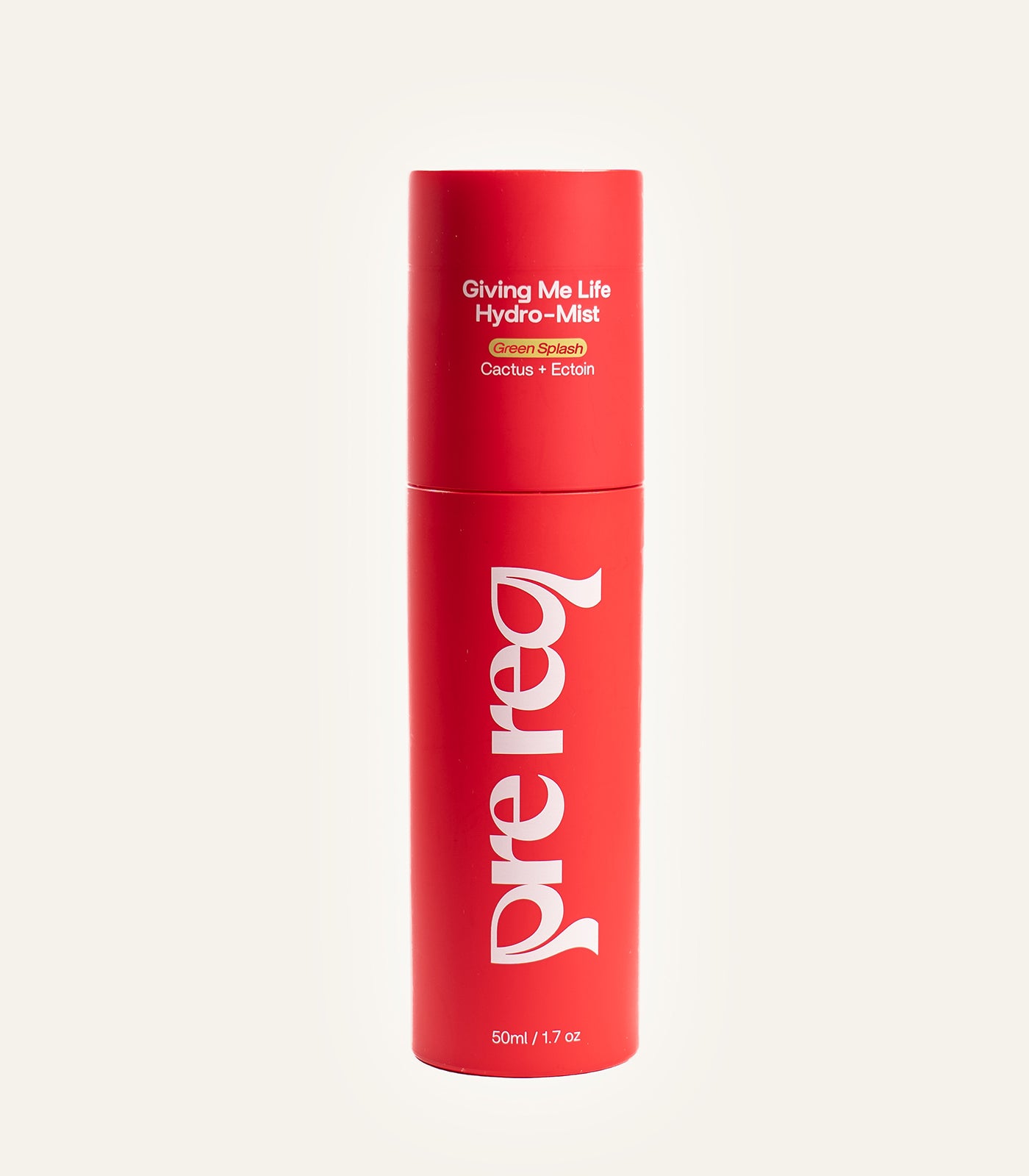
Recommended Products for Tweens & Teens
Support healthy hygiene and skincare habits with gentle, age-appropriate essentials designed for pre-teens and teens.
Body Spray vs. Deodorant vs. Perfume vs. Cologne: What's the Real Difference?
These four products solve different problems, and mixing them up is common:
-
Deodorant controls body odor at the source. It's a hygiene product, not a scent product.
-
Body spray adds a light, temporary scent. It doesn't address odor.
-
Perfume delivers a strong, long-lasting scent at high concentration. Not appropriate for kids.
-
Cologne is essentially a lighter eau de toilette, often marketed to boys, but still more concentrated than body spray.
The mix-up that trips up most parents: spraying body spray or perfume over body odor instead of addressing it with deodorant first. The American Academy of Pediatrics advises parents to choose fragrance-free personal care products for children, since the word "fragrance" on a label can hide ingredients like phthalates with no further detail. Covering body odor with a scented spray doesn't address the cause. If your child has started developing body odor, our guide on when kids should start using deodorant walks through the signs and how to introduce it.
When Should Your Kid Use Each One?
The right choice depends on the occasion, not just the age. Here's a quick breakdown by scenario:
-
School or daily wear: body spray, or none if your school has a fragrance-free policy
-
Sports or after practice: deodorant first, then a light body spray if wanted
-
Birthday parties or special occasions: one or two sprays of body spray on clothing
-
Family events, older teens only: a light eau de toilette, applied sparingly
Neither body spray nor perfume fixes body odor on its own. If that's the real concern, see our breakdown on body odor in 9-year-olds for what's actually causing it and how to address it.
Common Mistakes to Avoid When Using Kids' Deodorant
A few habits show up again and again, and most are easy to fix once you know what to look for.
-
Spraying directly on sensitive skin: Body spray and perfume are both meant for clothing or, at most, light skin contact, not a direct close-range spray on bare underarms or irritated skin.
-
Over-spraying to mask odor: More product doesn't solve odor; it layers fragrance over the smell instead of addressing the cause. If odor is the issue, a deodorant is the right tool, not extra spritzes of body spray.
-
Ignoring the ingredient list: A product that just says "fragrance" with no detail could contain dozens of undisclosed chemicals. Look for phthalate-free and paraben-free claims with named scent sources.
-
Buying harsh adult products: Adult body sprays and perfumes are formulated for adult skin and concentrations. Choosing a product made specifically for kids keeps the chemical load appropriate for their skin.
-
Spraying near the face: Never spray toward the face, eyes, nose, or mouth. Hold the bottle 6 to 8 inches away and spray in a ventilated space, not a closed bathroom or car.
Frequently Asked Questions
Can kids wear body spray?
Yes. Kids can safely wear body spray starting around age 8 to 10, applied to clothing rather than directly on skin, with one to two sprays max. For a full age-by-age breakdown and label-reading checklist, see our Safe Kids Body Spray Guide.
Is it okay for kids to wear perfume?
A light body spray is the better choice for kids under 14, since perfume's higher concentration means a bigger relative dose for a child's smaller body and longer skin contact time. If your child wants to smell nice day to day, a kid-safe body spray covers that without the added concentration.
Is body spray safe for kids?
Yes, body spray is safe for kids when it's formulated specifically for them and applied sparingly to clothing rather than skin. Look for phthalate-free, paraben-free formulas with named scent ingredients.
At what age can kids start wearing body spray?
Most kids can start around age 8 to 10 for occasional, special-occasion use. Daily use becomes appropriate for tweens 11 and up.
Can a 7-year-old wear perfume?
A light body spray on clothing is the better fit for a 7-year-old, reserved for special occasions rather than daily wear. Perfume's higher concentration isn't necessary at this age.
Does body spray last as long as perfume?
Body spray fades faster than perfume, typically within 1 to 2 hours compared to 6 to 8 hours or more. That shorter wear time is actually a safety upside for kids, since it means less cumulative skin exposure.
So, Which One Should Your Kid Use?
Body spray wins for kids on safety, dose, and everyday wearability. The lower fragrance concentration means less chemical exposure and a lighter scent that works for school, sports, and shared spaces. Perfume isn't necessary until the teen years, and even then, a clean, phthalate-free formula matters more than the brand name.
One thing worth remembering: neither body spray nor perfume fixes body odor. If that's the real concern, a gentle deodorant built for your child's age is where to start. Prereq's Reset Mode Deo Multi-Mist is aluminum-free, NEA-approved, and made specifically for pre-teen and tween skin, with clean odor control without the adult-strength fragrance.

