


A school hygiene kit for kids and teens needs three things. A deodorizing mist or stick, a hydrating face mist, and a few backpack basics like hand sanitizer, tissues, and lip balm. Most hygiene checklists are built for a bathroom shelf. School days don't work that way. There's no sink between periods, no mirror before gym class, and four minutes to get from practice to math. This kit is built for that instead.
What Belongs in a School Hygiene Kit
A school hygiene kit works best when it covers three jobs: odor control, skin hydration, and quick cleanup. Here's what covers each one, and when to reach for it.
|
Item |
When to use |
|
Deodorizing mist or stick |
Every morning, plus after gym or recess |
|
Hydrating face mist |
Midday, after screen time or sun exposure |
|
Hand sanitizer |
Before lunch, after recess |
|
Tissues |
As needed |
|
Lip balm with SPF |
Outdoor periods or field trips |
|
Small hairbrush or hair ties |
Before or after gym class |
|
Travel toothbrush or floss picks |
After lunch |
|
Spare socks |
Younger kids, as needed |
These travel-size toiletries for kids all fit into one small zippered pouch, which is the easiest way to keep a kit from spreading across a backpack.
Why School Hygiene Needs Different Products Than a Bathroom Routine
Hygiene habits for tweens at school look different than hygiene habits at home. Kids move from homeroom to gym to lunch to practice without ever passing a sink or a mirror. A routine built for slow, unhurried mornings doesn't fit that schedule. That's why Prereq Care builds self-care for everywhere else, made for backpacks and lockers instead of bathroom shelves. A kit built on that idea holds up on a day that never slows down long enough for a full routine.
Deodorant and Odor Control for the School Day
Deodorant matters for school because sweat glands become more active around puberty. That new sweat mixes with bacteria on the skin, and that mix creates odor. A deodorant neutralizes that odor. An antiperspirant blocks sweat itself, using aluminum compounds.
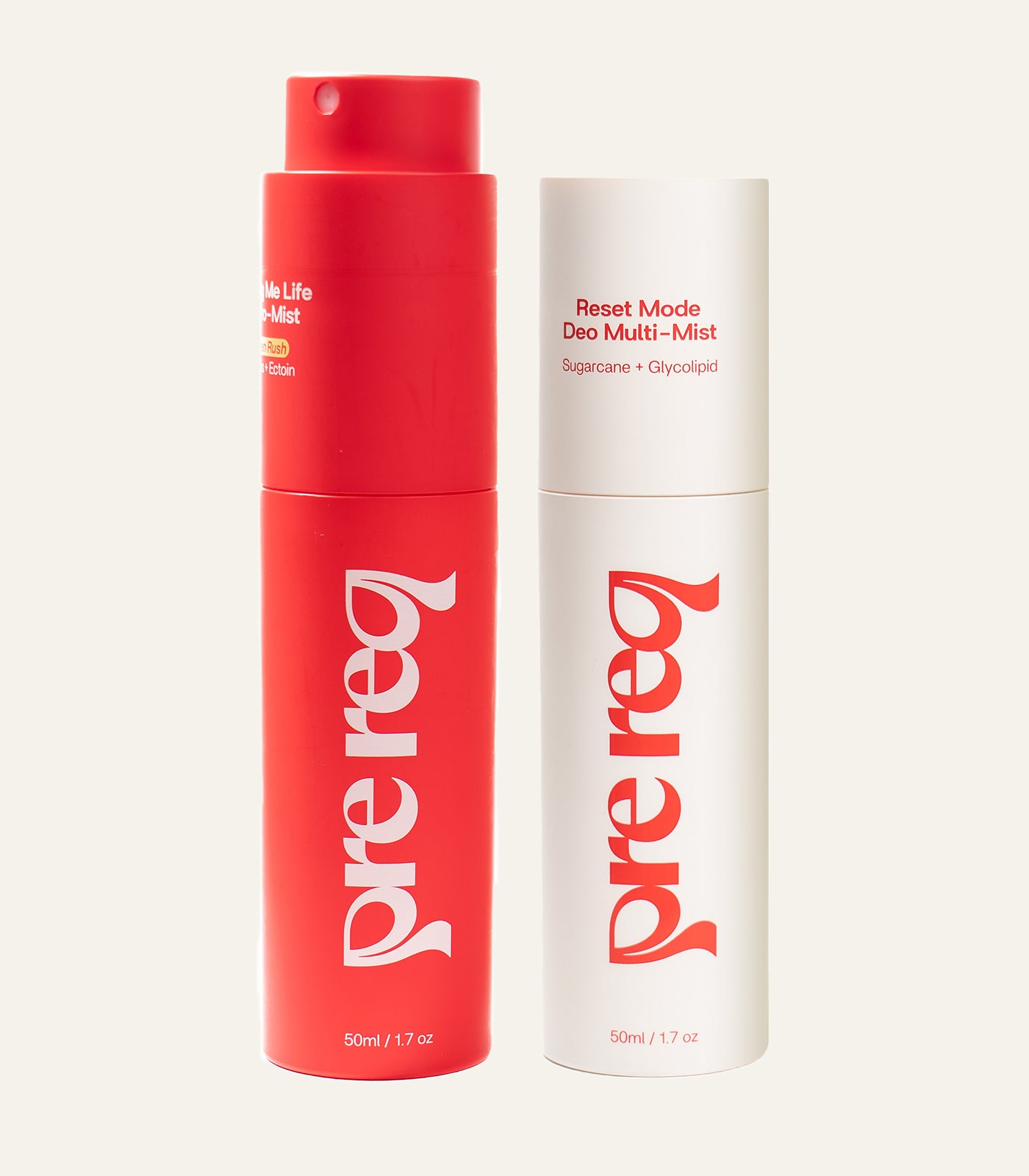
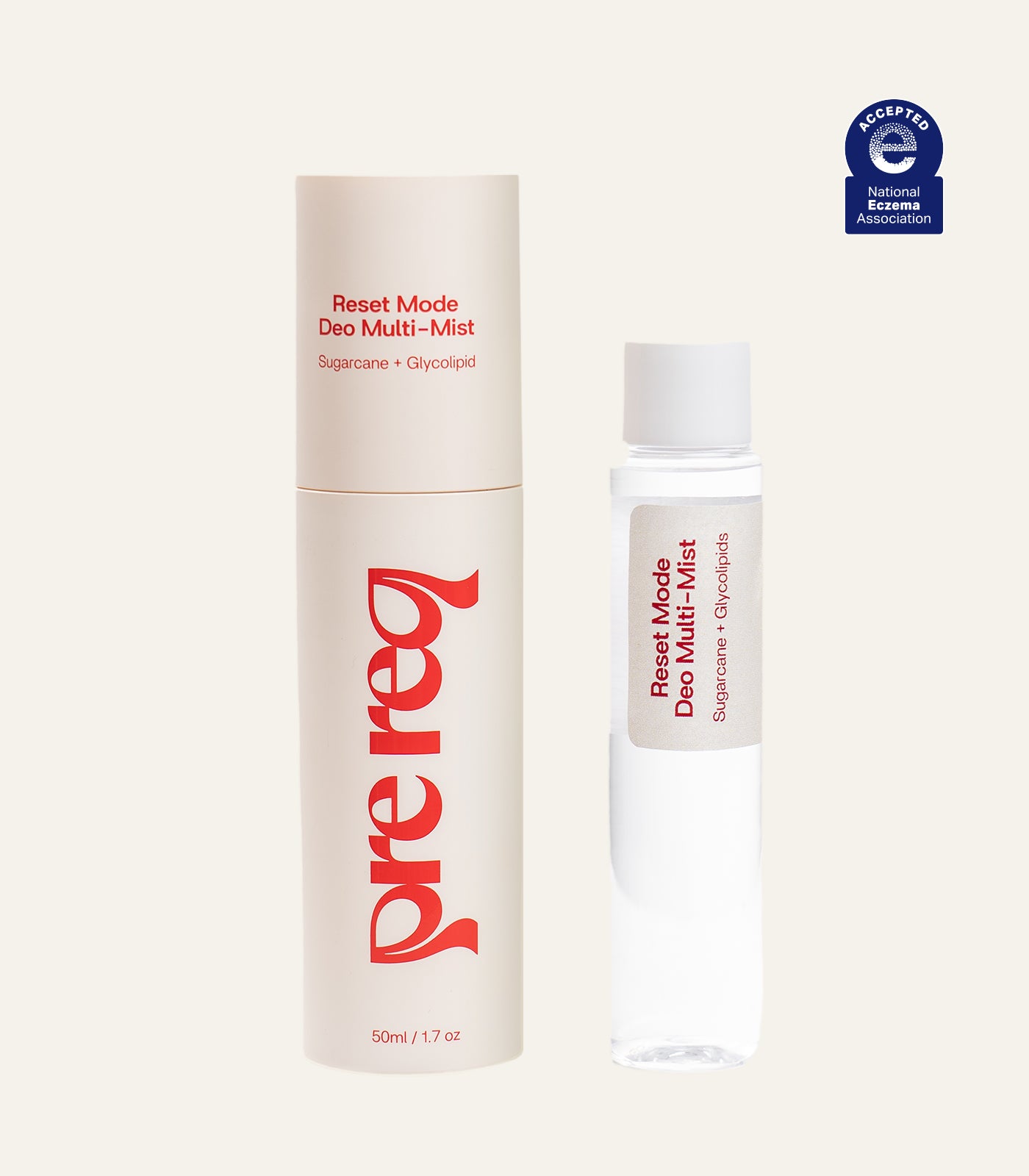
Most dermatologists suggest kids skip antiperspirant at first. An aluminum-free deodorant manages odor without blocking sweat, and growing bodies still need that sweat to regulate temperature. Reset Mode is Prereq's aluminum-free deodorizing mist, built around that exact idea. It uses sugarcane-derived enzymes to neutralize odor on contact, without aluminum, baking soda, or fragrance that can irritate developing skin. Pack the mist in the outer pocket of the backpack so it's easy to reach after gym class or a sweaty walk to school.
Hydration and Skin Care Between Classes
Skin gets stressed during a school day for reasons that have nothing to do with the weather. Air conditioning dries out skin in the classroom. Screen time adds blue light exposure from laptops and phones. A sweaty PE period pulls moisture out too. A hydrating mist replaces that lost moisture in seconds, without needing a sink or a full skincare routine.
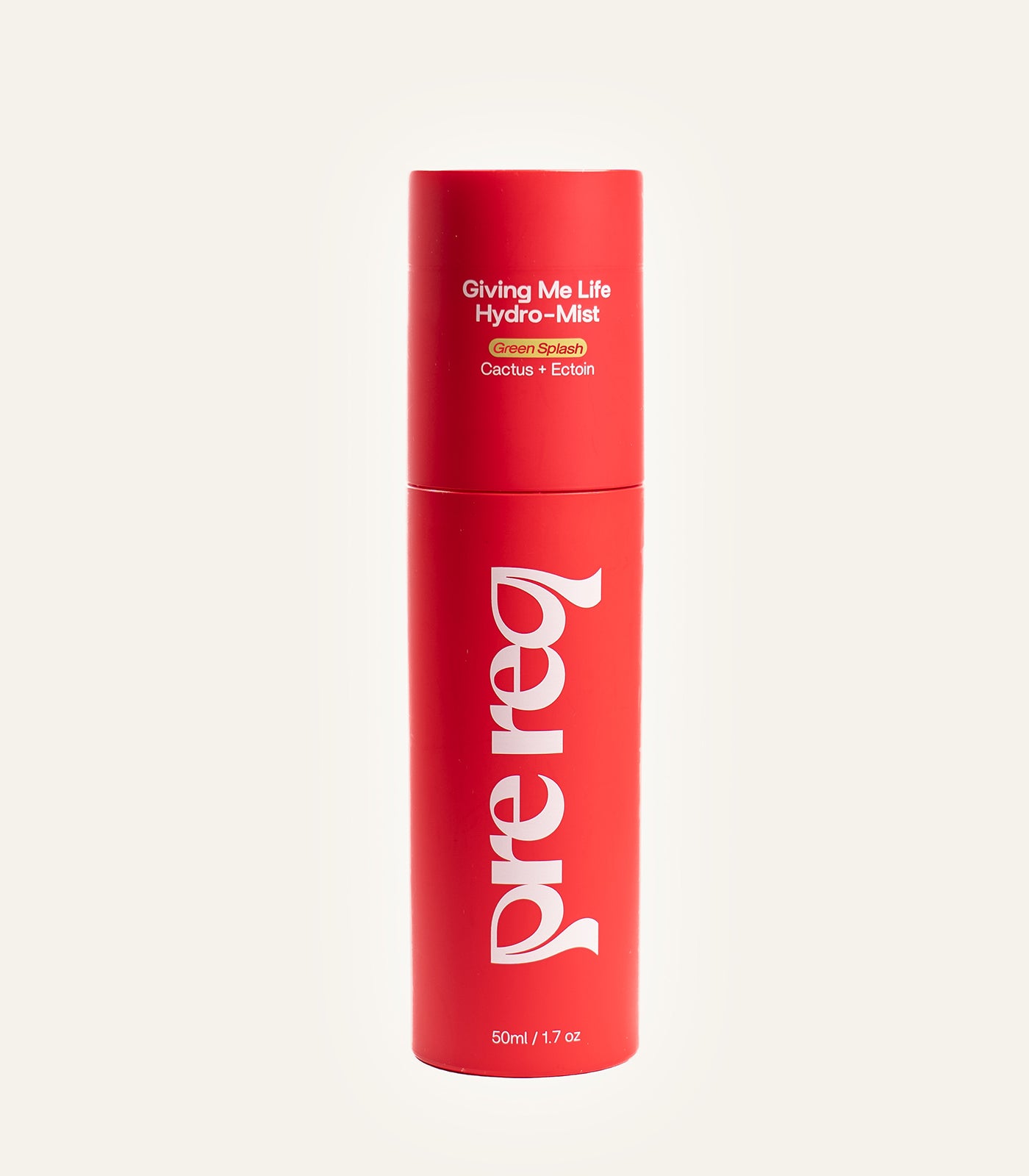
Giving Me Life is Prereq's hydrating face mist, made with ectoin and prickly pear cactus extract. It calms redness and supports the skin barrier while shielding against blue light and pollution, the two biggest environmental stressors a screen-heavy school day creates. A quick spray after lunch or before an afternoon class keeps skin from feeling tight or overheated for the rest of the day.
Recommended Products for Tweens & Teens
Support healthy hygiene and skincare habits with gentle, age-appropriate essentials designed for pre-teens and teens.
Extra Additions for Gym Days, Field Trips, and Period Supplies
A few items only need to go in the kit on specific days. On PE or sports days, pack a spare shirt and clean socks in a separate bag. Sweaty clothes left in a locker or backpack for hours only make odor worse. For field trips or outdoor classes, add a stick sunscreen for quick reapplication without needing hands free of sand or grass. For teens who have started their period, a couple of pads or a small pouch of period supplies belongs in the kit too, packed discreetly in a zippered inner pocket.
How to Pack and Organize a School Hygiene Kit
A single zippered pouch is the easiest way to organize a school hygiene kit. Pick one small enough to fit in a backpack's front pocket without taking up locker space. A pouch keeps mists, wipes, and small items from rattling loose. Refillable, capless mist bottles are a safer pick here too. They're far less likely to leak in a backpack than a spray top made for a bathroom counter.
One more thing worth checking: total backpack weight. The American Academy of Pediatrics recommends keeping a packed backpack under 10 to 20 percent of a child's body weight. A stuffed hygiene pouch can add up faster than it seems, especially with a water bottle, lunch, and books already inside.
What Changes by Age
A school hygiene kit looks different depending on age, since puberty timing varies more than most parents expect. Here's what typically changes at each stage.
Ages 8 to 10
Kids this age usually don't need a full kit yet. Nemours KidsHealth explains that body odor typically starts once sweat glands become more active during puberty, and that shift can begin as early as this age for some kids. A simple hand sanitizer, tissues, and a mild deodorant, if odor has already started, are usually enough.
Ages 11 to 13
This is typically when backpack essentials for middle schoolers expand from a few basics into a full kit. Puberty is usually well underway, sweat and oil production increase, and the school day itself gets more demanding, with PE class, group sports, and longer days away from home. A deodorizing mist, a hydrating mist, and the daily backpack basics all become part of the routine at this stage.
Ages 14 and Up
Teens at this stage usually manage their own hygiene kit with less parental involvement. The core items stay the same, but teens may add a spot treatment for occasional breakouts or a stronger-hold deodorant for longer practice schedules. The goal is still the same though, cover odor and hydration without turning it into a ten-step routine.
Frequently Asked Questions
What should be in a hygiene kit for a tween going to school?
A tween's school hygiene kit needs a deodorizing mist or stick, a hydrating face mist, hand sanitizer, tissues, and lip balm. A zippered pouch keeps everything together in a backpack.
Do kids need a hygiene kit for school?
Most kids benefit from a basic hygiene kit once body odor or oily skin starts, which is often around ages 9 to 11. Younger kids can start with just hand sanitizer and tissues.
What age should kids start carrying deodorant to school?
Kids typically start carrying deodorant to school once body odor becomes noticeable, often between ages 9 and 12. There's no fixed age, since puberty timing varies by child.
What's the difference between deodorant and antiperspirant for kids?
Deodorant neutralizes odor caused by bacteria on the skin. Antiperspirant blocks sweat itself using aluminum compounds. Most dermatologists suggest kids start with deodorant rather than antiperspirant.
How do I keep my tween's hygiene kit organized in their backpack?
A single small zippered pouch keeps a hygiene kit organized and prevents leaks from reaching notebooks. Refillable, capless mist bottles are less likely to leak than standard spray bottles.
The Simplest Version of a School Hygiene Kit
A school hygiene kit doesn't need ten products to work. Odor control, hydration, and a few backpack basics cover almost everything a school day throws at growing skin. The Daily Duo pairs Prereq's deodorizing and hydrating mists into one routine built for exactly that, so kids can spend less time thinking about their skin and more time getting through the day.
Recommended Products for Tweens & Teens
Support healthy hygiene and skincare habits with gentle, age-appropriate essentials designed for pre-teens and teens.

