


The difference between natural and aluminum-free deodorant for kids is simple. Natural indicates where the ingredients come from, and aluminum-free indicates that one ingredient is left out. A deodorant can be both, one, or neither. For most kids, aluminum-free is the label to check first, because early body odor needs odor control, not the sweat blocking of an antiperspirant. Natural can be a good extra, but it does not always mean gentle. Below, you will find what each label means, which ingredients to check, and how to choose the right first deodorant for your child.
Natural vs Aluminum Free Deodorant: What Each Label Means
Natural is a marketing word, and aluminum-free is an ingredient fact. The FDA has not set a legal definition of "natural" for cosmetics, so brands use it in different ways. Aluminum-free is easy to check, because you can scan the ingredient list.
|
Natural deodorant |
Aluminum-free deodorant |
Antiperspirant |
|
|
What the label tells you |
Ingredients come from plants or minerals (not a regulated claim) |
No aluminum compounds |
Contains an aluminum salt |
|
What it does |
Targets odor |
Targets odor |
Reduces sweat and limits odor |
|
Common ingredients |
Starches, plant oils, baking soda, essential oils |
Varies, and can include synthetic fragrance |
Aluminum chlorohydrate or aluminum zirconium |
|
Watch for |
Baking soda, strong plant scents, alum |
Fragrance, alcohol |
Can irritate sensitive skin |
This means the labels overlap in three ways:
-
A product can be natural and aluminum-free.
-
A product can be aluminum-free but made with synthetic ingredients.
-
A product can be sold as natural and still contain aluminum.
That last one surprises many parents. "Crystal" deodorants are usually made from alum, which is an aluminum salt, so they are not aluminum-free.
Deodorant vs Antiperspirant: Where Aluminum Comes In
Aluminum is the active ingredient in antiperspirants, and deodorants do not need it. The two products do different jobs.
How Antiperspirants Work
Aluminum salts dissolve in sweat and form a temporary plug in the sweat duct. That plug reduces wetness on the skin. In the US, the FDA classifies antiperspirants as over-the-counter drugs because they change a body function.
How Deodorants Work
Sweat itself has very little smell. Odor starts when bacteria on the skin break sweat down, and the apocrine glands that make the thicker underarm sweat wake up during puberty. Most kids' deodorant formulas work on those bacteria and leave sweating alone. The FDA treats deodorants as cosmetics.
Is Aluminum Free Deodorant Better for Kids?
Aluminum-free deodorant suits most kids well, because they need help with odor, not sweat. It is not better because aluminum is proven harmful. The National Cancer Institute notes that a 2014 review found no clear evidence that aluminum antiperspirants raise breast cancer risk. KidsHealth also says deodorants and antiperspirants are safe for kids.
So the case for aluminum-free is about fit. A sweat blocker solves a problem most kids do not have yet, and a simpler formula gives young skin less to react to.
Which Is Better, Aluminum or Aluminum-Free Deodorant?
The better choice depends on the goal:
-
Odor only: aluminum-free deodorant.
-
Heavy daily sweating: a pediatrician or dermatologist can suggest the next step.
Is Antiperspirant Safe for Kids?
Antiperspirant is generally considered safe for kids, and most children simply do not need it. Sweat that soaks through clothes every day, or that also affects the hands and feet, is a good reason to ask a pediatrician.
Do Dermatologists Recommend Aluminum-Free Deodorant?
Dermatologists commonly suggest starting kids with a deodorant instead of an antiperspirant. Two board-certified dermatologists made this point in NBC News Select's guide to kids' deodorant. They also favor fragrance-free or lightly scented formulas for sensitive skin. It is a recommendation about what kids need first, not a warning about aluminum.
What Makes a Natural Deodorant Safe for Kids?
A safe natural deodorant uses gentle, recognizable ingredients and has been tested for sensitive skin. Natural alone does not guarantee that, because even plant-based ingredients can trigger allergic reactions.
Ingredients to Look For
|
Ingredient |
What it does |
Why it suits kids |
|
Magnesium hydroxide |
Neutralizes odor-causing bacteria |
Gentle on skin |
|
Zinc ricinoleate |
Traps odor molecules |
Controls odor without blocking sweat |
|
Tapioca or arrowroot starch |
Absorbs wetness |
Simple and recognizable |
Ingredients to Skip
Fragrance, baking soda, and alcohol are among the deodorant ingredients that trigger eczema in some kids, so many parents skip these in a first deodorant:
-
Baking soda: it is alkaline and can cause rashes on sensitive skin, even though it sounds gentle.
-
Synthetic fragrance and strong essential oils: these are common triggers for irritation.
-
Alcohol: it can dry out and sting young skin.
-
Aluminum salts, including alum: young kids rarely need sweat blocking.
-
Parabens: these are preservatives many parents prefer to skip.
Most homemade deodorant for kids recipes lean on baking soda and essential oils, so they tend to irritate young skin more than a tested formula does.
Stick, Roll On, or Mist
Pediatric guidance favors sticks, roll-ons, and creams over aerosol sprays for younger kids, so they do not breathe in spray or get it in their faces. A kids' body spray adds scent but does not control odor, so treat it as an extra, not a replacement.
Proof Points That Mean Something
Two third-party signals are worth looking for. The National Eczema Association's Seal of Acceptance means a product was evaluated for sensitive and eczema-prone skin, which makes it the quickest check when choosing an eczema-safe deodorant for kids. HRIPT, or repeat insult patch testing, shows a product was assessed for skin reactions. Both tell you more than a gentle label on the front of the package.
Which Deodorant Is Best for Kids?
The best deodorant for kids is aluminum-free, fragrance-free or lightly scented, tested for sensitive skin, and easy to use every day. When comparing the best deodorants for kids, start with the situation, not the scent.
|
Situation |
What to choose |
Why |
|
Odor only |
Aluminum-free deodorant |
Matches what young skin needs |
|
Sensitive or eczema-prone skin |
Fragrance-free, baking soda-free, NEA Seal |
Fewer common irritants |
|
Heavy sweating |
Pediatrician or dermatologist visit |
Sweat control may be needed |
|
Sports and school bags |
Stick or pump mist |
Easy to carry and reapply |
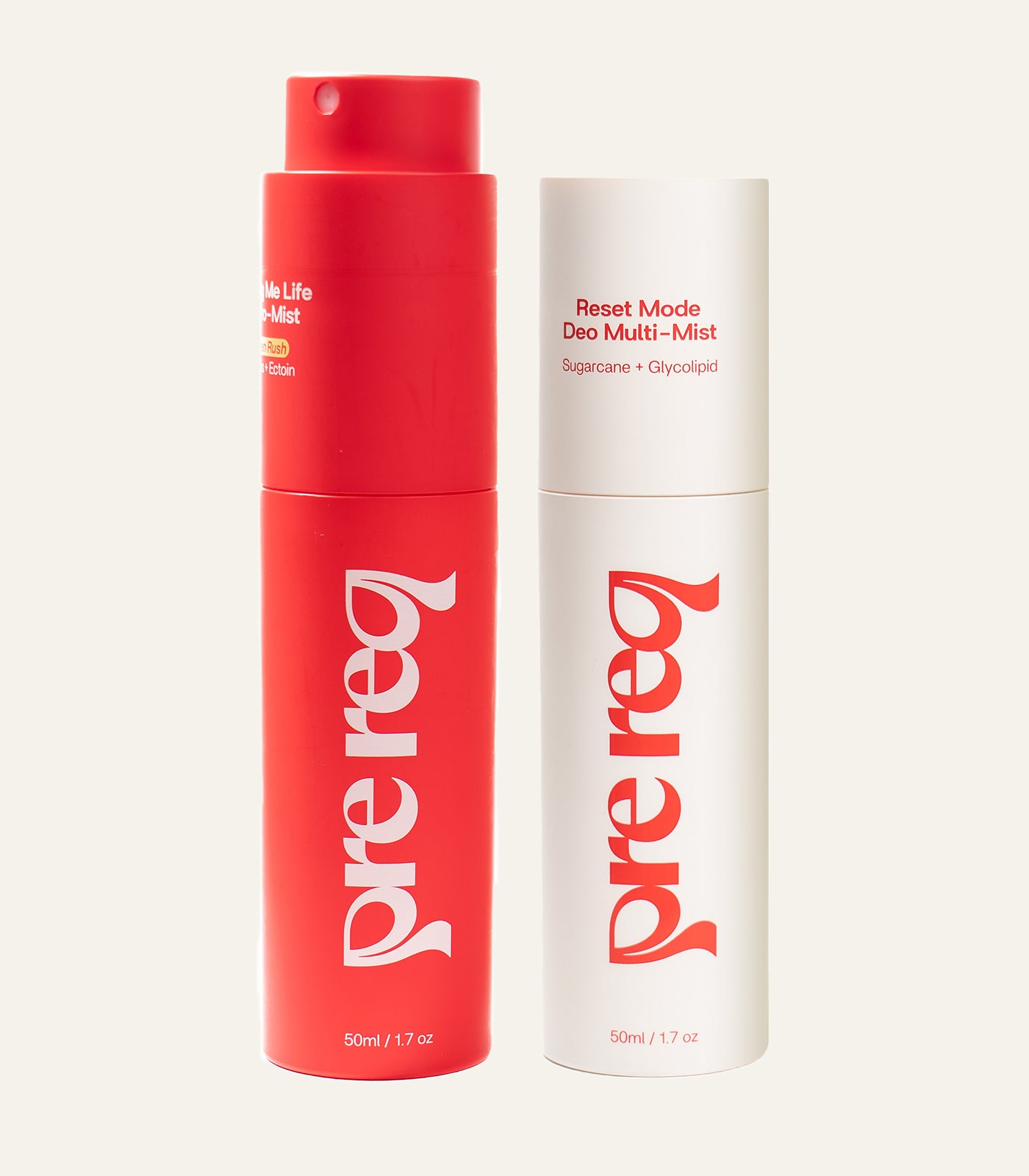
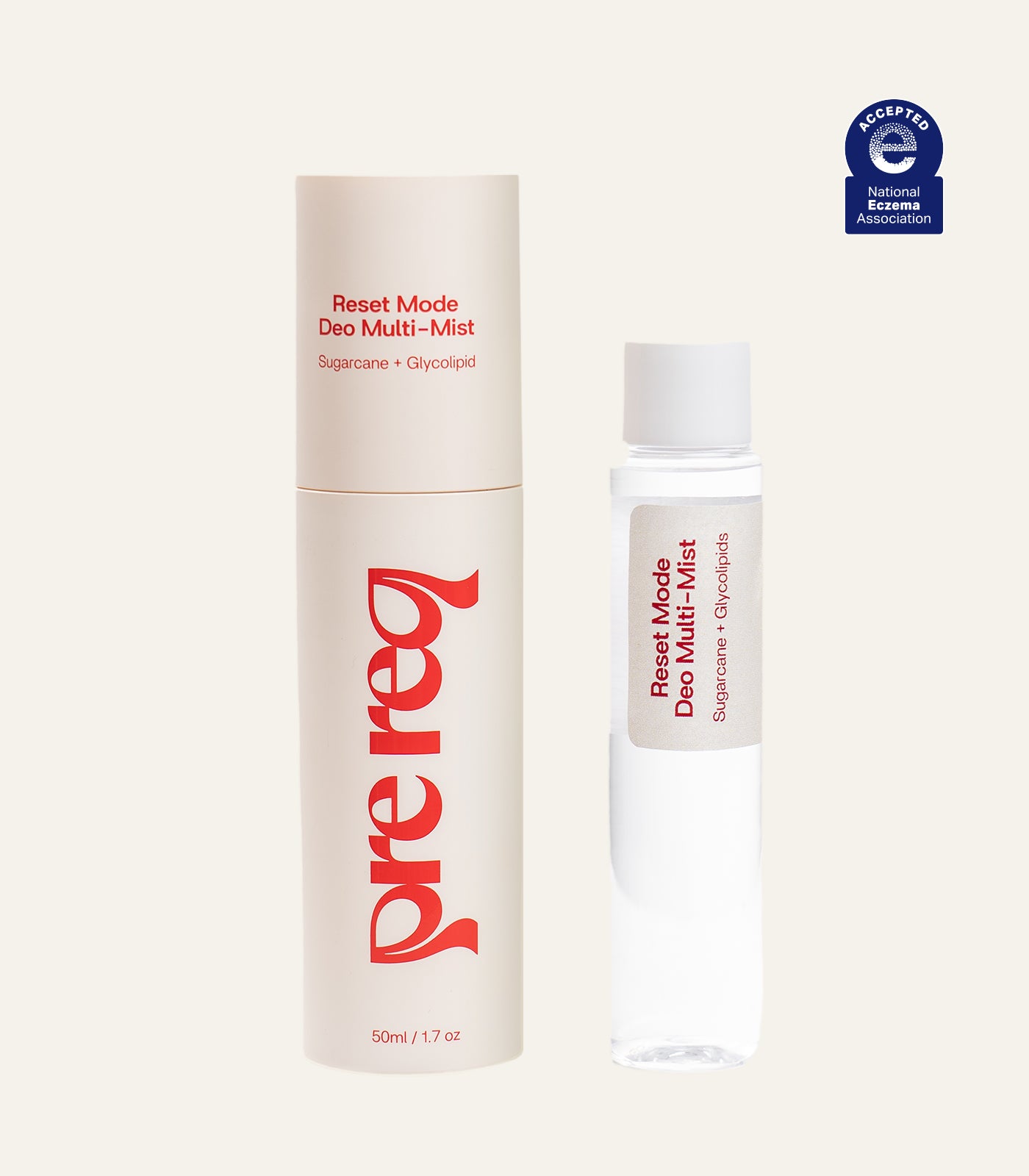
Reset Mode Deo Multi-Mist fits the first, second, and fourth rows. It is aluminum-free, baking soda-free, paraben-free, and made without synthetic fragrance, and it carries the NEA Seal of Acceptance. It was co-created with the Founding 50, real pre-teens and teens, and it uses sugarcane fermentation to neutralize odor at the source. It works on underarms and feet, and the bottle is refillable. It is made for backpacks, not bathrooms.
Recommended Products for Tweens & Teens
Support healthy hygiene and skincare habits with gentle, age-appropriate essentials designed for pre-teens and teens.
Why Young Kids Can Have Armpit Odor
Underarm odor can appear before other signs of change. Most kids need deodorant once puberty begins, though when kids should start using deodorant depends on body changes more than age. Early odor can smell sharp, even oniony, when the apocrine glands first switch on. Odor often shows up first because of how puberty affects skin and sweat glands.
Girls usually begin puberty between 8 and 13, and boys between 9 and 14. If strong odor comes with body hair, breast development, or acne before age 8 in girls or age 9 in boys, a pediatrician can check whether puberty is starting early.
What to Try Before or Instead of Deodorant
Simple habits go a long way for younger kids:
-
Wash underarms daily with a mild cleanser.
-
Choose clean, breathable cotton.
-
Change out of sweaty clothes after active play.
If odor still shows up, a gentle deodorant is a safe next step.
How to Switch to Aluminum-Free or Natural Deodorant
Switching works best when it is simple and slow. Using deodorant for the first time goes smoothest on clean, dry skin after a shower.
-
Patch test first: Try a small amount on the inner arm and stop if redness or itching appears.
-
Expect a short adjustment: Kids switching from an antiperspirant may feel wetter for a little while, because the antiperspirant was holding sweat back. This is not a detox. It is the body sweating as usual.
-
Keep a spare handy: A backup in the gym bag is easy to add to a school hygiene kit.
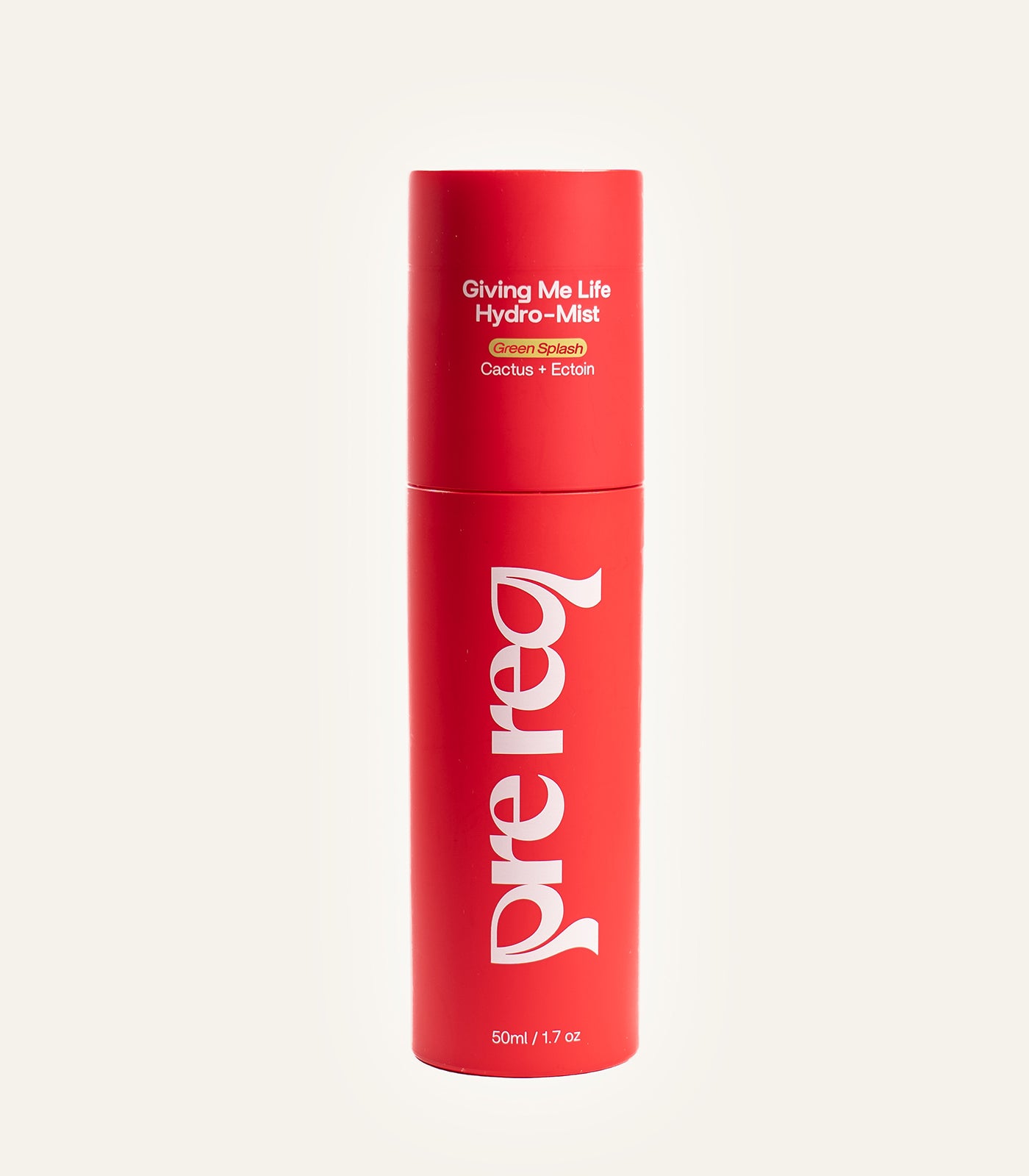
After practice, deodorant handles odor, and a hydrating face mist like Giving Me Life Hydro-Mist helps skin feel fresh once the sweat is gone.
Recommended Products for Tweens & Teens
Support healthy hygiene and skincare habits with gentle, age-appropriate essentials designed for pre-teens and teens.
How to Choose Between Natural and Aluminum-Free Deodorant for Kids
Choose an aluminum-free deodorant for most kids, then check that the formula is also free of baking soda, synthetic fragrance, and alcohol. That order gives your child a gentle, effective start. Natural is a nice extra, but a short ingredient list and proof of testing, like the NEA Seal of Acceptance, matter more.
Ready to build a simple first routine? Explore the full Prereq range, made with 50 real pre-teens and teens, built for backpacks, not bathrooms.
Frequently Asked Questions
What is the best deodorant for strong odor in kids?
A gentle deodorant paired with daily washing and clean clothes handles most strong odor. If odor stays strong despite good habits, a pediatrician can help find the cause.
Is spray deodorant okay for kids?
Sticks, roll-ons, and pump mists are the better fit for kids. They keep product off the face and out of the lungs, which aerosol sprays can't promise.
Can boys and girls use the same deodorant?
Yes, because the biology of body odor is the same for both. A gentle, aluminum-free formula works for any child.
Does aluminum-free deodorant stain clothes?
Aluminum-free formulas tend to stain less. Yellow underarm stains are commonly linked to aluminum salts mixing with sweat.
Can kids use deodorant after shaving?
Yes, once the skin feels calm. A fragrance-free formula is the gentlest choice for freshly shaved underarms.

