


A kid's deodorant usually stops working by afternoon for one of four reasons: newly active apocrine sweat glands from early puberty, product buildup sitting on the skin, a mismatch between the product type and how much odor is actually being produced, or a simple application mistake like putting it on damp skin. A formula that worked fine all spring and suddenly seems to fail by lunchtime is almost always reacting to one of these shifts, not genuinely wearing out. Sweat on its own doesn't cause odor, the smell comes from bacteria breaking it down on the skin, which is the piece worth understanding before troubleshooting any further.
What Actually Causes Body Odor in Kids
Kids have two kinds of sweat glands, and they don't work the same way. Eccrine glands are spread across the whole body and produce a watery, virtually odorless sweat used to regulate temperature. These are active from birth and are why a child sweats during a soccer game without smelling any different than usual.
Apocrine sweat glands are different. They sit in the underarms and groin, stay dormant through early childhood, and switch on with the hormonal shift of puberty, sometimes called adrenarche. Once active, they release a thicker, protein- and lipid-rich sweat. On its own, this sweat is nearly odorless too; the smell shows up when it meets the bacteria that naturally live on the skin. Bacteria break down those proteins and fats, and the byproduct of that breakdown is what parents and kids actually notice as body odor.
That's the piece most parents miss when a formula that worked all spring suddenly seems to fall short by fall: the deodorant usually hasn't changed at all. What's changed is the amount of bacterial activity it's now up against, as apocrine glands ramp up. Once you know it's a bacterial problem and not a "product wore out" problem, the rest of the causes below make a lot more sense.
The 5 Real Reasons Kids' Deodorant Fails by Afternoon

Most of the time, deodorant stopped working isn't really one problem; it's one of five specific, fixable ones. Here's how to tell which one you're actually dealing with.
Newly Active Sweat Glands (Puberty Timing)
This is the most common reason a formula that worked for months suddenly doesn't. Adrenarche can activate apocrine glands a year or two before any other visible sign of puberty, which is why a 9-year-old's deodorant can suddenly seem to underperform, or why a 7-year-old can develop noticeable body odor with no other changes yet. The glands don't wait for a growth spurt to switch on, so a mild formula that was plenty a few months ago may simply be outmatched now. This isn't a sign anything is wrong; it's usually the first physical clue that puberty has quietly started.
Product Buildup on the Skin
Stick deodorants that make direct, repeated contact with the underarm can leave a thin waxy layer behind over time. That residue sits between the skin and any new product applied on top of it, which means fresh deodorant never fully reaches the surface it's supposed to protect. This is often what's really behind a deodorant that seems to have stopped working with no other explanation: the fix is resetting the skin first (clean, dry, and free of yesterday's residue) before judging whether today's product is genuinely underperforming.
Wrong Product Type for the Odor Level
Deodorant and antiperspirant solve two different problems, and using the wrong one for the situation is a common, easy-to-miss cause. Deodorant neutralizes odor-causing bacteria; it does nothing to reduce how much a child sweats. Antiperspirant uses aluminum salts to physically reduce sweat output. If a very active kid is dealing with heavy wetness rather than odor alone, a straight deodorant will always seem to fall short, when really the gap is about deodorant vs. antiperspirant for kids, not the brand or formula strength. And if a combination product is already in use and wetness is still the issue, that usually means the sweat-blocking side needs attention, not the odor-control side. Most kids in early-to-mid puberty only need odor control, but it's worth knowing which problem you're actually solving before assuming the product has failed.
Application Errors (Damp Skin, Not Enough Product, Wrong Time of Day)
This is the most overlooked cause because it has nothing to do with the product itself. Deodorant applied to underarms that aren't completely dry gets diluted before it ever has a chance to work, cutting its effectiveness before the school day even starts, which is exactly why how you apply deodorant ends up mattering as much as which one you buy. Underapplying, a quick swipe instead of a full pass, leaves gaps in coverage. Timing matters too: for a straight deodorant, morning application after a shower is fine, but antiperspirant specifically works best applied at night to fully dry skin, giving the active ingredients time to form their temporary block while sweat glands are least active.
Fabric, Diet, and Activity Level
A few lower-profile factors compound all of the above. Synthetic fabrics trap heat and moisture against the skin far more than breathable cotton, giving bacteria a warmer, damper environment to multiply in. A jump in sports or outdoor activity naturally increases sweat volume and, with it, the workload placed on whatever deodorant is being used. Diet plays a smaller but real role too; foods like garlic, onions, and other sulfur-heavy ingredients can influence body odor from the inside, independent of anything applied topically. None of these alone usually explains a deodorant failing, but combined with active apocrine glands, they can push a borderline formula past its limit by early afternoon.
These five causes are specific to kids. If a similar complaint is showing up for an adult, or the timing doesn't line up with puberty at all, that's a different troubleshooting path; aluminum-free deodorant not working covers the general causes, including the adjustment period that comes with switching off antiperspirant, which doesn't apply the same way to a kid using deodorant for the first time.
Match the Symptom to the Fix
If you've typed "I feel like my deodorant isn't working" into a search bar more than once this month, this breaks down which cause is the most likely match.
|
Symptom |
Likely Cause |
Fix |
|
Smell returns by early afternoon, no other changes |
Newly active apocrine glands |
Switch to a formula built to target bacteria at this stage, not just mask odor |
|
Deodorant not lasting even on calm, low-activity days |
Product buildup on skin |
Reset with clean, dry skin before judging the product |
|
Odor specifically underperforms even though sweat feels normal |
Formula masks smell instead of targeting bacteria |
Choose a bacteria-neutralizing formula, not one relying on fragrance alone |
|
Shirts are visibly damp, but odor itself is fine |
Wrong product type |
Consider a combination antiperspirant deodorant, or ask a pediatrician first |
|
Smell shows up specifically after gym or sports |
Application timing or activity spike |
Reapply after activity; confirm skin was fully dry at first application |
Is 8 Too Young for Deodorant, or Is It Something Else?
There's no single age that's right for every child; odor is the real signal, not a birthday, and most kids start somewhere between ages 8 and 13, once apocrine glands activate. According to Nemours KidsHealth, this can happen well before other visible signs of puberty show up, which is why an 8-year-old needing deodorant isn't unusual or early in any concerning sense; the exact starting point just varies more by individual development than by age, which our kids deodorant guide covers in more detail for parents weighing a first formula.
What's worth flagging to a pediatrician is different: noticeable body odor appearing well before age 7–8 in girls or age 9 in boys, or heavy sweating that shows up regardless of heat or activity level. That pattern is less about how soon a child can wear deodorant and more about ruling out an early-puberty timeline that warrants discussion with a doctor, not something to self-diagnose from a blog post.
Can Kids Build Up a Tolerance to Deodorant?
No. Bodies don't develop a tolerance to deodorant the way people often assume. When a formula that worked for months suddenly stops working, or feels like deodorant is no longer as effective as it used to be, the more useful question isn't whether a tolerance built up; it's what changed. Almost always, it's one of three things: product buildup on the skin, a genuine shift in body chemistry as apocrine glands mature, or application habits that quietly stopped being consistent. Skin bacteria composition can shift gradually, which changes how a formula performs, but that's a change in the environment the deodorant is working in, not the deodorant itself losing potency.
What Actually Makes a Kids' Deodorant Last Longer
Given how much of this comes down to buildup and friction, format matters as much as ingredients. A stick that makes direct, repeated skin contact is more prone to residue over time than a format that never touches the skin. That's part of why many parents dealing with recurring afternoon breakthrough eventually move away from stick and roll-on formats toward a no-touch mist, less friction on sensitive underarm skin, and a fresh dose of product with every use instead of one that's been sitting in a cap.
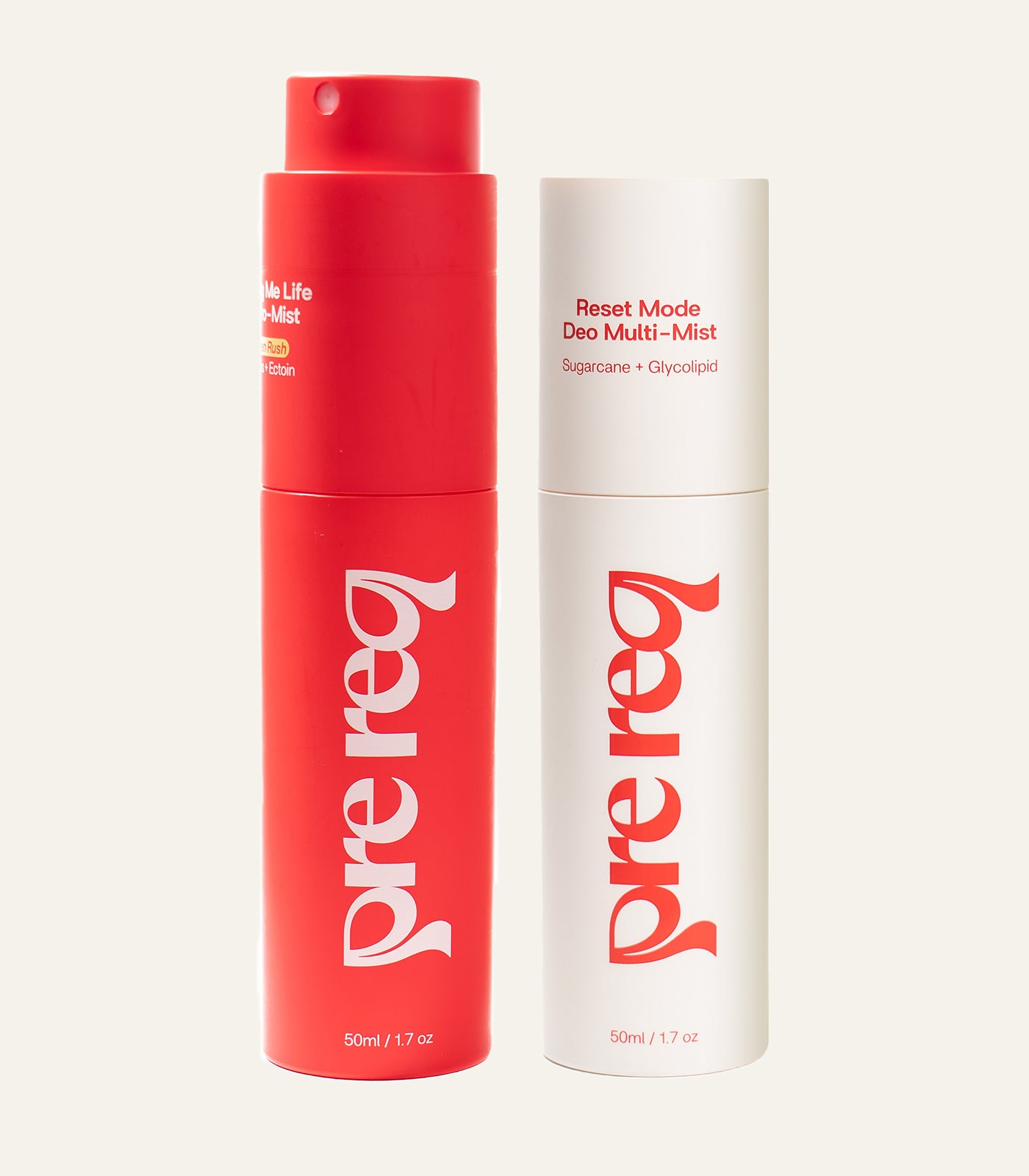
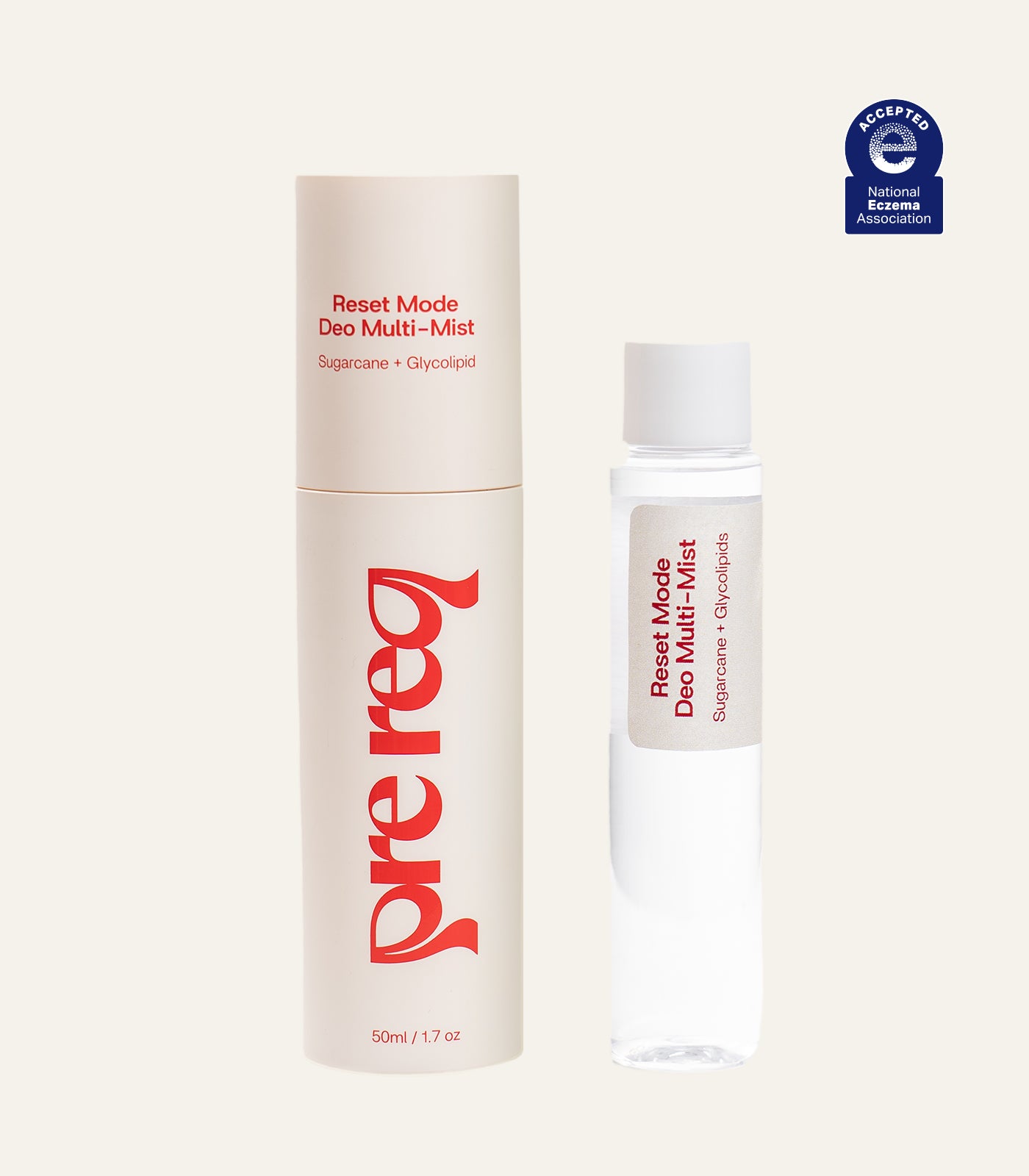
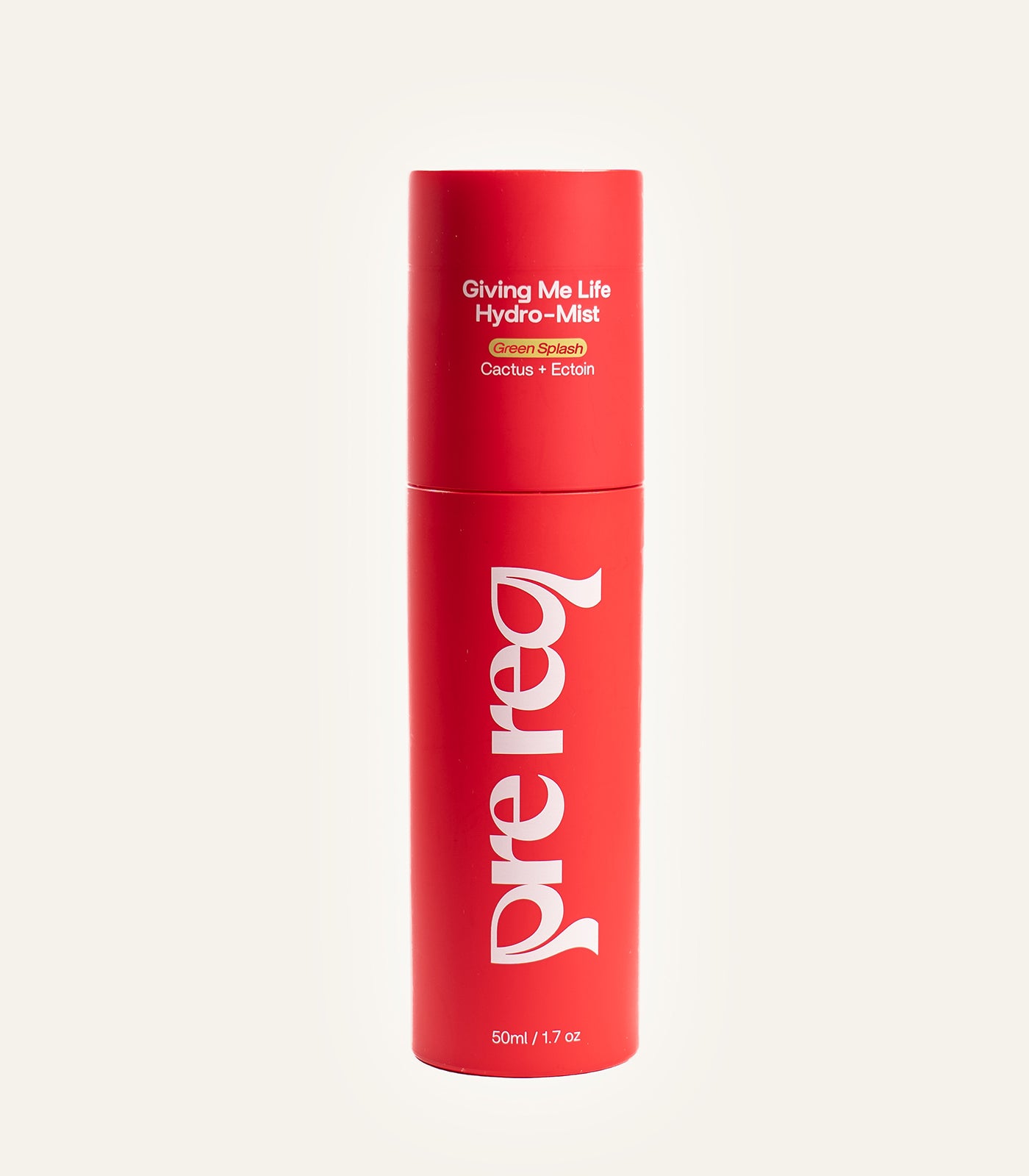
Many parents specifically search for a gentle deodorant for tweens or a natural deodorant for tweens, assuming "natural" automatically means effective. It doesn't, on its own; what matters more is whether it's genuinely aluminum-free and still effective, since aluminum-free doesn't have to mean weaker. Prereq's Reset Mode Deo Multi-Mist is built around exactly this: a bacteria-targeting, fragrance-free mist that avoids the stick-and-cap buildup problem entirely, reapplies in seconds between classes or after practice, and holds the NEA Seal of Acceptance for sensitive skin. Active kids who are already carrying it for a midday refresh often pair it with Giving Me Life Hydro-Mist for the rest of the body; one mist resets odor control, the other restores hydration after sweat, and neither interferes with the other.
Recommended Products for Tweens & Teens
Support healthy hygiene and skincare habits with gentle, age-appropriate essentials designed for pre-teens and teens.
When to Talk to a Pediatrician
Most afternoon odor breakthrough is completely normal and tied to puberty timing, not a medical issue. A conversation with a pediatrician is worth having if sweating is heavy and constant regardless of temperature or activity, if body odor shows up well ahead of the typical age range noted above, or if switching formulas and fixing application habits hasn't made any difference after a couple of weeks. That pattern can sometimes point to a condition like pediatric hyperhidrosis, which is worth ruling out rather than guessing at.
Frequently Asked Questions
Why does my deodorant stop working after a few hours?
Usually because bacteria on the skin have had time to break down apocrine sweat and produce odor again, not because the deodorant's ingredients degraded. Buildup, damp application, or a sudden increase in apocrine gland activity are the most common drivers.
Why does my deodorant wear off so quickly?
This is typically a fragrance-fade issue rather than a bacteria-control issue; the scent fades faster than the odor-fighting ingredients stop working. A formula that neutralizes bacteria at the source, rather than one that relies mainly on fragrance to mask smell, tends to hold up longer through the day.
Why does my deodorant run out so quickly?
This can mean two different things. If the bottle or stick is physically emptying fast, overapplication is the likely cause; two to three swipes or sprays per underarm is enough. If it means effectiveness fades quickly, that points back to buildup, application timing, or newly active sweat glands rather than the amount of product used.
How soon can a child wear deodorant?
As soon as body odor becomes noticeable, which for most kids is somewhere between ages 8 and 13. There's no minimum age tied to a specific number, odor, not a birthday, is the signal.
Can kids build up a tolerance to deodorant?
No. What looks like tolerance is almost always buildup, a shift in body chemistry as apocrine glands mature, or a change in application habits, not the body adapting to the formula itself.
Does polyester or synthetic clothing make kids' deodorant stop working?
It can contribute. Synthetic fabrics trap heat and moisture against the skin more than cotton, giving odor-causing bacteria a warmer, damper environment to multiply in, which can make a borderline formula seem less effective on high-activity days.
Is it safe for a child to use adult antiperspirant?
It's generally not the recommended starting point. Adult formulas often use higher concentrations of aluminum salts and heavier fragrances than young, developing skin needs. Most dermatologists recommend starting with a gentle, kid-specific deodorant and only considering antiperspirant later if sweating itself becomes the issue.
What's the strongest natural deodorant for an active child?
"Strongest" matters less than "targets bacteria directly." A fragrance-heavy formula can smell strong on the shelf and still underperform by afternoon if it only masks odor. Look for aluminum-free, bacteria-targeting formulas with independent certification, like the NEA Seal of Acceptance, rather than judging strength by scent intensity.
Should kids put deodorant on at night instead of morning?
For standard deodorant, morning application after a shower works fine. Nighttime application matters specifically for antiperspirant, since sweat glands are least active overnight, giving the active ingredients time to form their temporary block before the next day's activity.
Why does my kid's armpit itch after using deodorant?
This is usually a reaction to fragrance, alcohol, or baking soda in the formula rather than a sign the deodorant isn't working. If itching or redness shows up consistently with a new product, switching to a fragrance-free, alcohol-free option is the first step.
Getting Your Kid's Deodorant Routine Back on Track
Afternoon breakthrough almost always traces back to one of five things: newly active sweat glands, product buildup, the wrong product type for the odor level, an application habit that slipped, or a combination of fabric, diet, and activity load. None of these mean the deodorant failed in some mysterious way; they're specific, identifiable causes with specific fixes. Once the right cause is matched to the right adjustment, most kids get back to full-day odor control without needing a stronger, harsher formula.
For families who want to see the full range of aluminum-free, dermatologist-vetted formulas built for tween and teen skin, Prereq's collection covers everything from odor control to daily hydration in one place.
This article is for informational purposes only and isn't a substitute for medical advice. If your child sweats heavily outside of normal activity or heat, or shows signs of body odor well before typical puberty onset, a pediatrician is the right next step.

