


Aluminum-free deodorant that seems to stop working is rarely a broken formula. It's usually a mismatch between what the deodorant is built to do, control odor, and what people expect it to do, stop sweat, combined with an application habit or ingredient working against it. This guide covers why that mismatch happens, the real reasons people report failure, how to fix it, and what's different when it's a kid's deodorant instead of an adult's.
Why Does Aluminum-Free Deodorant Seem Like It's Not Working?
Aluminum-free deodorant seems like it's not working because it isn't designed to stop sweat, only to control odor, and most people judge it against the dry, sweat-free feeling of an antiperspirant. When wetness is still there, it reads as failure, even though wetness was never the thing the product was solving for.
How Aluminum-Free Deodorant Actually Works vs Antiperspirant?
Deodorant and antiperspirant solve two different problems, and mixing them up is where most of the confusion starts. That mix-up is common enough with kids specifically that it's worth understanding deodorant vs. antiperspirant for kids before assuming either one has failed.
What Aluminum Actually Does
Antiperspirants contain aluminum salts, usually aluminum chlorohydrate or aluminum zirconium compounds, that dissolve into a gel and temporarily plug the sweat duct. According to Mayo Clinic, this reduces the amount of sweat that reaches the skin's surface, and the product works best applied to dry skin.
Aluminum controls wetness. It was never designed to control odor directly; it just removes the moisture that odor-causing bacteria need to thrive. Parents weighing aluminum in kids' deodorant against an aluminum-free option are really deciding whether sweat-blocking is even necessary yet, and for most kids, it isn't.
Why Sweat Isn't the Smell
Sweat itself is nearly odorless. Smell develops when bacteria that live naturally on the skin break down the proteins and fats in sweat, particularly the thicker sweat produced by apocrine glands. Aluminum-free deodorant works by disrupting that bacterial process, or by creating a skin environment where odor-causing bacteria can't build up as easily. No sweat-blocking happens at all. That's a feature for skin that doesn't need sweat suppressed, not a design flaw.
Is There an Adjustment Period When You Switch to Aluminum-Free Deodorant?
Yes, but only if you're switching from an antiperspirant. Many people report a one- to three-week window where sweat feels more noticeable, and odor control feels weaker than expected. That's not a "detox" or toxin purge, a claim you'll see in a lot of natural-deodorant marketing that isn't accurate. It's the underarm's bacterial balance and sweat output normalizing after months or years of a chemical plug blocking the sweat duct.
5 Reasons Aluminum-Free Deodorant Feels Like It's Not Working
Most complaints trace back to one of these, not a defective product.
Ingredient mismatch
Baking soda is one of the most common odor-neutralizing ingredients in natural deodorants, and it's also one of the most common causes of irritation. Its alkaline pH sits well above the skin's naturally acidic range, and daily contact can throw off the skin barrier, which shows up as redness or a burning sensation that gets mistaken for the deodorant not working when it's actually a reaction.
It's one of several deodorant ingredients that trigger eczema and reactive skin, worth ruling out before switching brands entirely.
Solution: switch to a baking-soda-free formula built around a different active, like magnesium hydroxide or a fermentation-based ingredient, rather than assuming the whole category has failed.
Applying to damp or unwashed skin
Deodorant applied to underarms that aren't fully dry gets diluted before it has a chance to do anything. A quick swipe right out of the shower, before skin has actually air-dried, cuts effectiveness before the day even starts.
Solution: wait until the skin is fully dry to the touch, not just towel-dried, before applying. Even a few extra minutes changes how well the formula sits.
Overapplying
More product doesn't mean more protection. A thick layer can trap moisture and bacteria against the skin instead of controlling them, which sometimes makes odor worse, not better.
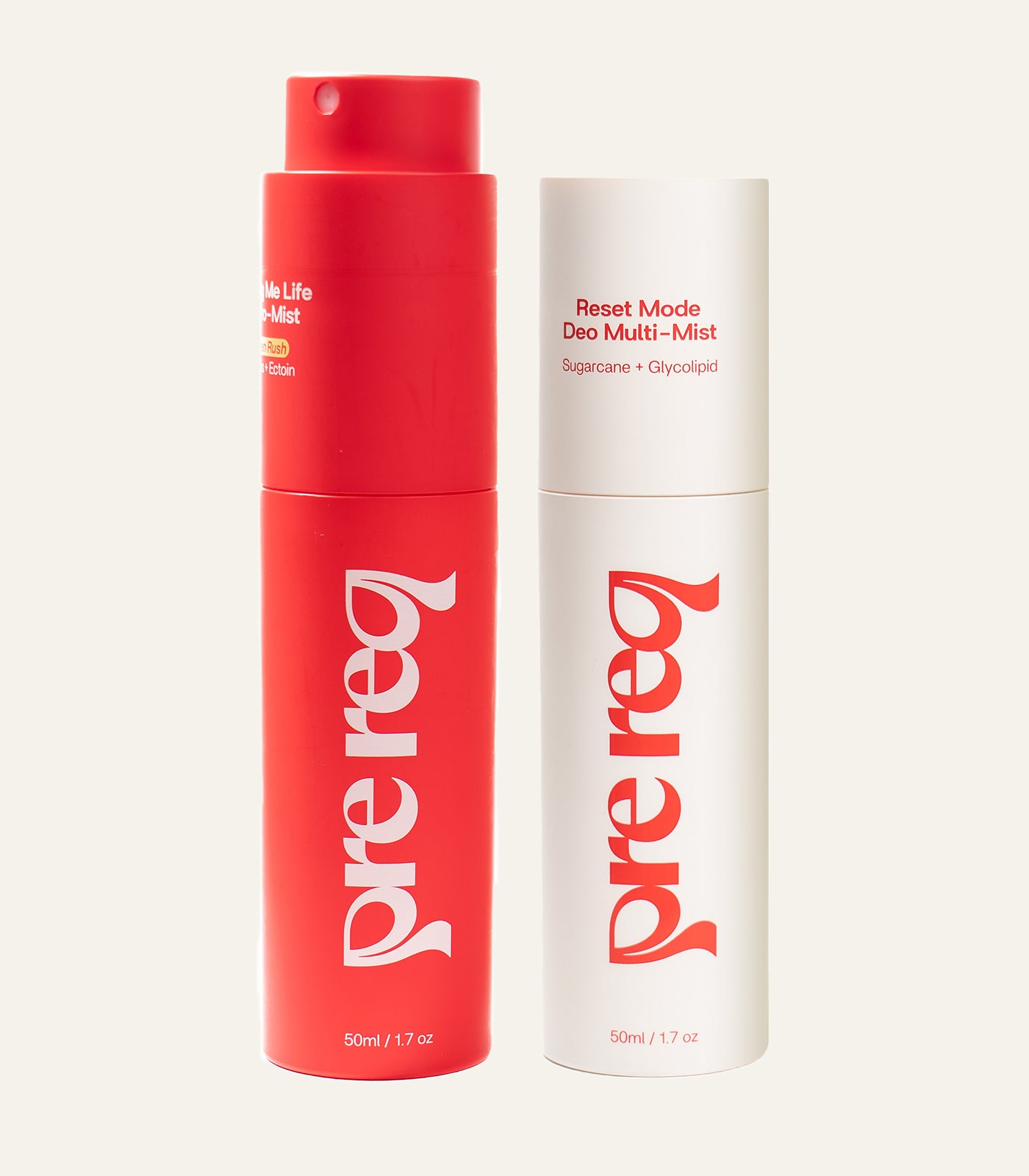
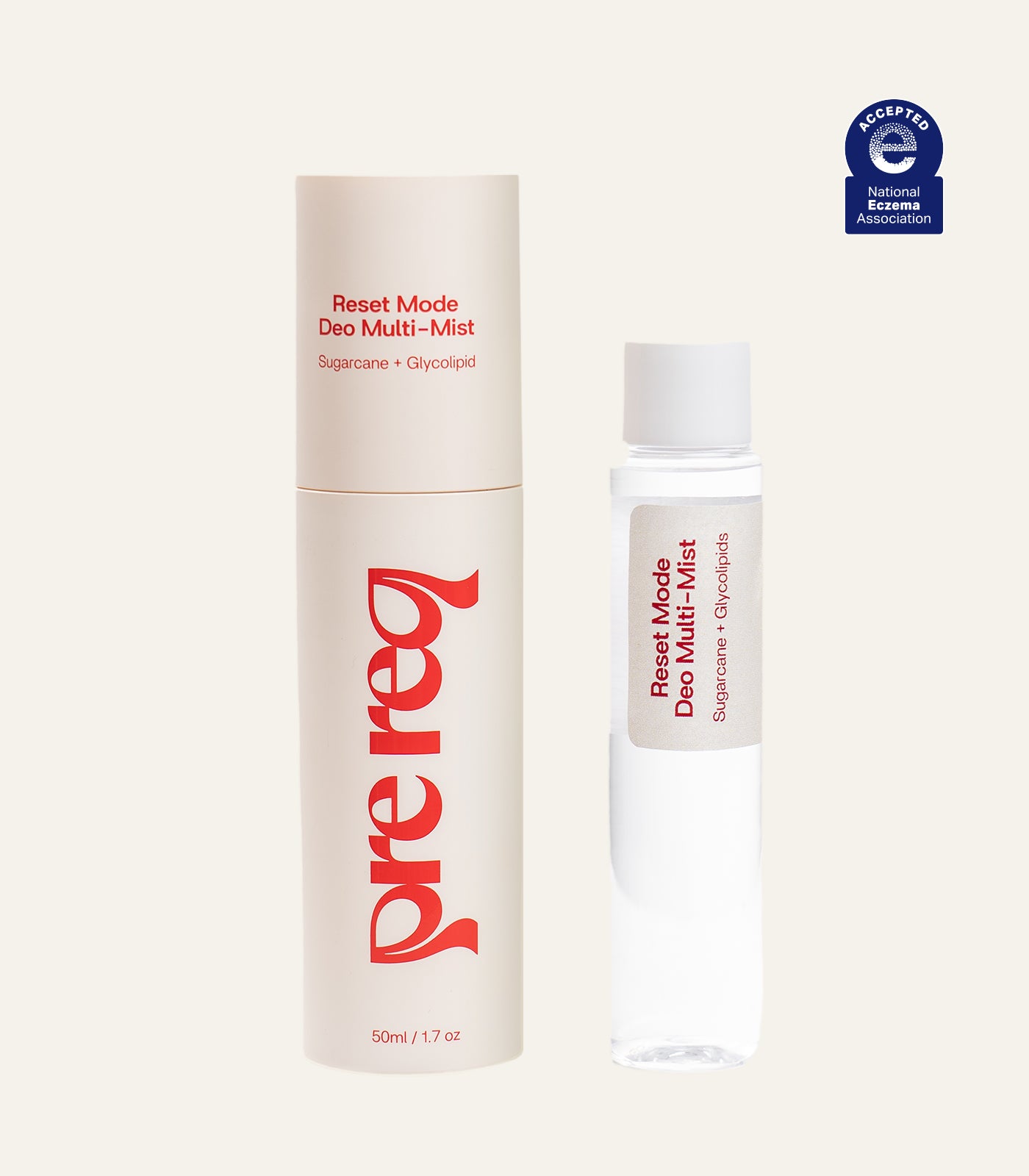
A formula built around a bacteria-neutralizing active, like the sugarcane-fermentation technology in Reset Mode Deo Multi-Mist, needs only a light layer to work, since it's targeting the source of the odor rather than trying to physically cover more surface area.
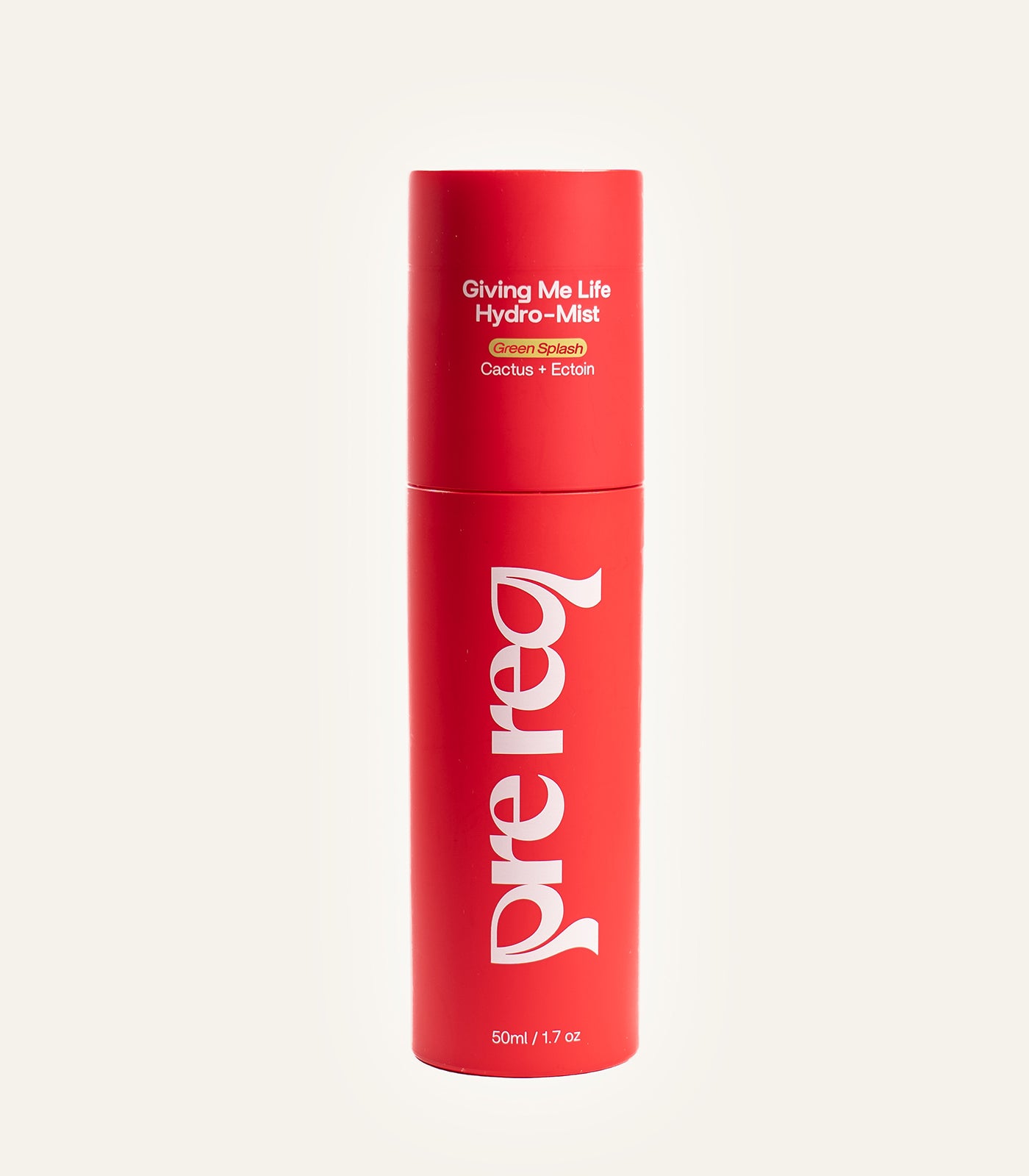
Active kids reapplying after practice often pair it with a hydrating mist like Giving Me Life Hydro-Mist for the rest of the body, since heavy sweating pulls moisture from skin well beyond the underarms.
Solution: use a thin, even layer instead of a thick one. If odor control still feels weak, reapply lightly rather than piling on more product at once.
Masking instead of neutralizing
Some formulas lean almost entirely on fragrance to cover smell rather than targeting the bacteria causing it. That can work for a few hours, but once the fragrance fades, the underlying bacterial activity is still there, and so is the odor.
Solution: check the ingredient list for an active that targets bacteria directly, not just a fragrance blend. If fragrance is the first or only active-sounding ingredient listed, that's the tell.
Irritation mistaken for failure
Redness, itching, or a rash from an ingredient sensitivity isn't the same problem as odor control failing, but the two get lumped together in reviews constantly. If the skin itself is reacting, switching to a different active ingredient matters more than switching brands.
Solution: if redness or itching shows up, switch the active ingredient, not just the brand. Look for a formula with NEA Seal of Acceptance to reduce the odds of a repeat reaction.
Recommended Products for Tweens & Teens
Support healthy hygiene and skincare habits with gentle, age-appropriate essentials designed for pre-teens and teens.
What to Look for in an Aluminum-Free Deodorant That Works
Not every aluminum-free formula is built the same, and the ingredient list is the fastest way to tell a genuinely effective one from a scent-only version.
-
A bacteria-targeting active, such as magnesium hydroxide, zinc ricinoleate, or a sugarcane-fermentation ingredient, rather than fragrance alone
-
No baking soda, since it's the most common irritant in the natural-deodorant category
-
No synthetic fragrance, which is a common trigger for skin sensitivity and doesn't address the bacteria causing odor
-
Independent verification, like the NEA Seal of Acceptance from the National Eczema Association, which confirms a formula has been reviewed for sensitive and eczema-prone skin rather than just labeled that way on the packaging
-
A short, readable ingredient list, since formulas with dozens of additives are harder to troubleshoot when something doesn't work
Does the Same Adjustment Period Apply to Kids?
No. A child using deodorant for the first time isn't removing an aluminum blocker, so the wait-a-few-weeks advice above doesn't apply the same way. If a kid's deodorant seems to stop working, the cause is usually something else entirely, most often newly active sweat glands from early puberty, product buildup, or a slipped application habit.
That's kids' deodorant failing by afternoon, a different troubleshooting path covered in more depth elsewhere, separate from the question of whether aluminum-free deodorant works for kids in the first place.
Frequently Asked Questions
Why is my kid’s non-aluminum deodorant not working?
It's usually one of two things: either a general application issue (damp skin, too much product, a fragrance-only formula not targeting bacteria), or something more kid-specific, newly active sweat glands from early puberty, product buildup, or an application habit that's slipped. If it was working before and suddenly isn't, the kid-specific causes are the more likely culprit.
Why do people say aluminum-free deodorant doesn't work?
Because it doesn't stop sweating, and many people expect it to. Aluminum-free deodorant controls odor by neutralizing bacteria, not by blocking sweat glands. Judging it against antiperspirant's dry-skin feeling sets an unrealistic expectation for what deodorant is designed to do.
Why do my kids still smell with aluminum-free deodorant?
Usually because the formula is masking odor with fragrance rather than neutralizing the bacteria causing it, or because it's being applied to skin that isn't fully clean and dry first. A bacteria-targeting formula, applied correctly, addresses the smell at its source instead of covering it temporarily.
How do kids get aluminum-free deodorant to work?
Apply it to clean, completely dry skin and use a thin layer. Unlike adults switching from an antiperspirant, kids using deodorant for the first time don't need an adjustment period — if it's not working, the more likely causes are newly active sweat glands, product buildup, or a slipped application habit.
Is aluminum in deodorant bad for you?
Major health organizations, including the American Cancer Society, haven't found evidence linking aluminum in antiperspirants to serious health risks in adults. For young, developing skin specifically, most dermatologists still recommend starting with aluminum-free options since sweat-blocking isn't typically necessary at that age.
Does aluminum-free deodorant not work as well as antiperspirant?
They're not solving the same problem, so "as well" depends on what's actually needed. Antiperspirant reduces sweat; aluminum-free deodorant controls odor without touching sweat output. For someone who mainly needs odor managed, a well-formulated aluminum-free deodorant works just as effectively for that specific job.
Getting an Aluminum-Free Deodorant That Actually Works for Your Tween
Most "aluminum-free deodorant doesn't work" complaints come down to one mismatch: it's built to manage odor, not stop sweat, and judging it against the wrong standard is where the frustration starts. Apply it to clean, dry skin, keep the layer thin, and give it a week or two if you're coming off an antiperspirant; the formula is rarely the actual problem.
For a full routine built around that same odor-and-hydration approach, The Daily Duo pairs Reset Mode with Giving Me Life Hydro-Mist in one kit, formulated without aluminum, baking soda, or synthetic fragrance from day one.
This article is for informational purposes only and isn't a substitute for medical advice. If irritation persists after switching formulas, a dermatologist is the right next step.

