


Puberty skin changes happen because rising hormones tell the skin's oil glands to work harder, and that same hormone rise is also why acne tends to get worse through the teen years instead of staying the same. If your teenager's skin seemed manageable at twelve and suddenly harder to keep clear at fifteen, that's not bad luck or bad habits. Each stage of puberty brings another jump in hormone levels, and skin reacts a little more each time. Genetics, stress, diet, and daily habits then decide how mild or severe that reaction becomes.
This guide explains why puberty acne tends to worsen before it improves, what actually drives that worsening, and when it's worth bringing in a dermatologist.
Key takeaways
-
Acne tends to get worse across the teen years because androgen and DHT levels keep rising with each stage of puberty, not just once at the start
-
Research shows acne affects most boys by late puberty and a smaller share of girls, with boys developing it later but often more severely
-
Hormones start the process, but stress, diet, skincare habits, and friction from gear or masks decide how much worse breakouts get
-
Left untreated, teen acne can run five to ten years, though most cases ease by the early twenties
What Are Puberty Skin Changes
Puberty skin changes are the shifts in oil, breakouts, sweat, and skin tone that show up once hormone levels start rising in early adolescence. Skin changes during puberty usually begin with a shinier nose and forehead, move into clogged pores and first breakouts, and can include uneven skin tone as marks from healed pimples fade slowly. Teen skin changes affect nearly everyone to some degree, though the pace and severity vary a lot from one teenager to the next.
These shifts are part of the larger process of how puberty affects skin, from oil production to sweat and pigment changes, and acne is usually the most noticeable one. What's less understood is why that acne often gets worse for a few years before it gets better.
Why Does Acne Get Worse During the Teen Years
Acne gets worse during the teen years because the hormones behind it keep rising rather than leveling off once puberty begins. Puberty often develops acne gradually because each new stage brings another hormone increase, and skin responds to every increase.
Rising Androgens and DHT Drive the Progression
Androgens don't switch on once and stay flat. Testosterone rises with each pubertal stage in both boys and girls, and the skin converts some of that testosterone into a stronger hormone called dihydrotestosterone, or DHT. DHT acts directly on the oil glands, and it's a more potent trigger for oil production than testosterone alone.
A 2025 study of more than 1,600 children and teenagers found that acne became more common at every later pubertal stage, and teens with acne had measurably higher DHT levels than those without it. That's the biological reason breakouts tend to climb rather than hold steady through the teen years. It isn't one hormone spike causing one round of pimples. It's a hormone level that keeps building.
Acne Often Peaks in the Mid to Late Teens
The same research found a clear pattern by sex and stage.
|
Group |
When acne typically shows up |
How common it becomes |
|
Girls |
Around ages 14 to 15, often earlier than boys |
Present in roughly 1 in 7 girls by late puberty |
|
Boys |
Around ages 16 to 17, later than girls |
Present in the large majority of boys by late puberty |
Girls tend to develop acne earlier because girls typically start puberty earlier. Boys develop it later, but their higher testosterone and DHT levels usually mean more breakouts once acne does appear. This is why a lot of parents notice acne becoming more of an issue in high school than it was in middle school, even though the skin changes started years earlier.
What Makes Teen Acne Worse
Hormones start the process, but several everyday factors decide how much worse breakouts get from there.
-
Hormonal fluctuations: Girls often notice breakouts flare in the days before a period, when hormone levels shift again on top of the usual puberty rise.
-
Genetics: A teen whose parents had noticeable acne is more likely to get it too, and often more severely.
-
Stress: Stress doesn't cause acne on its own, but it raises cortisol, and cortisol pushes oil glands to produce more sebum. Exam weeks and big social moments are common flare points for this reason.
-
Diet and lifestyle: The link between food and acne isn't fully settled, but diets heavy in sugar and refined carbohydrates are associated with more breakouts in some teens. Poor sleep and low activity levels can add to the effect.
-
Skincare habits: Over-washing, harsh scrubs, and oil-based cosmetics or hair products can clog pores further instead of clearing them. Teenage pimples on the forehead are often tied to hair oil, hats, or styling products rather than anything happening deeper in the skin.
-
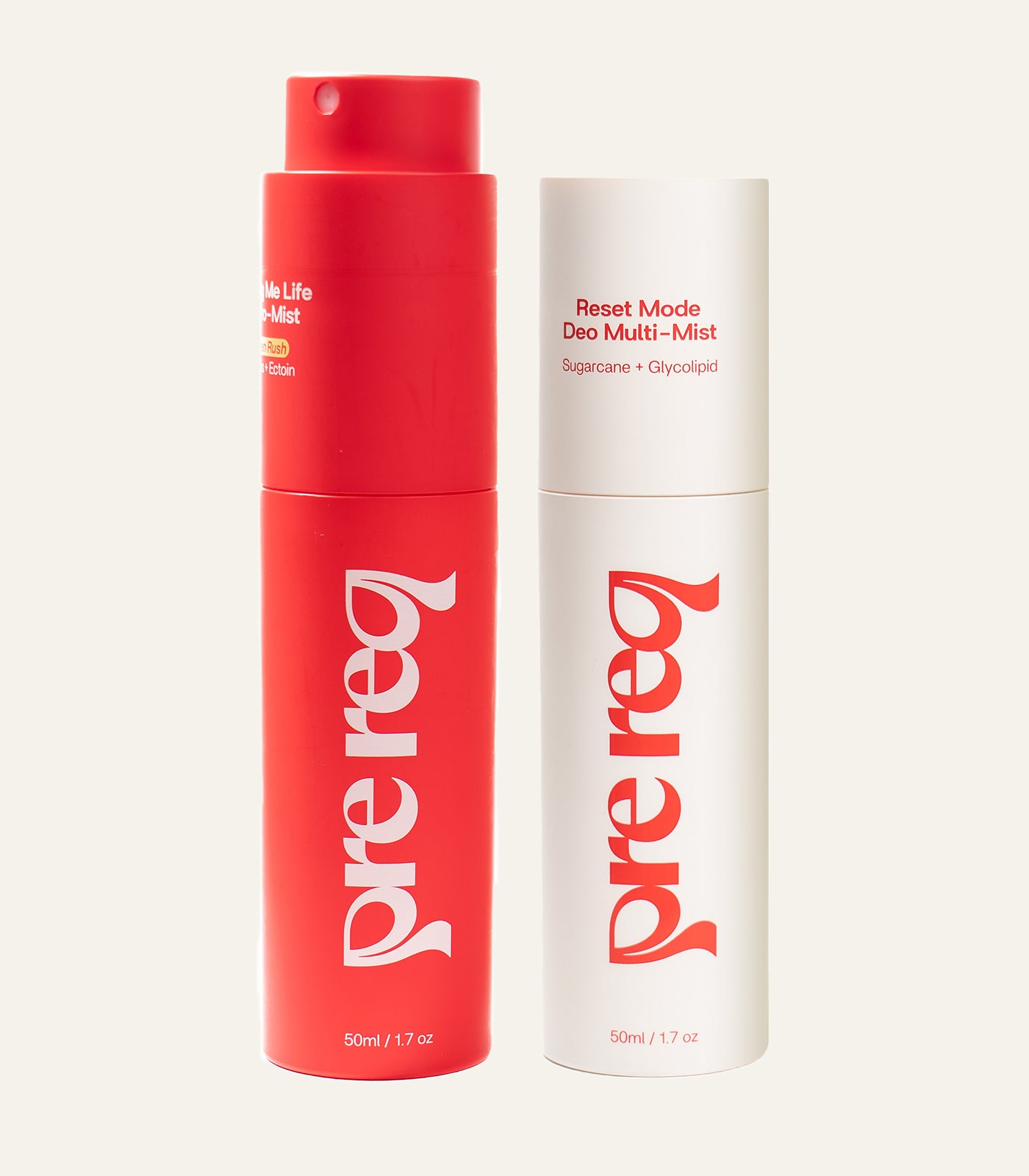
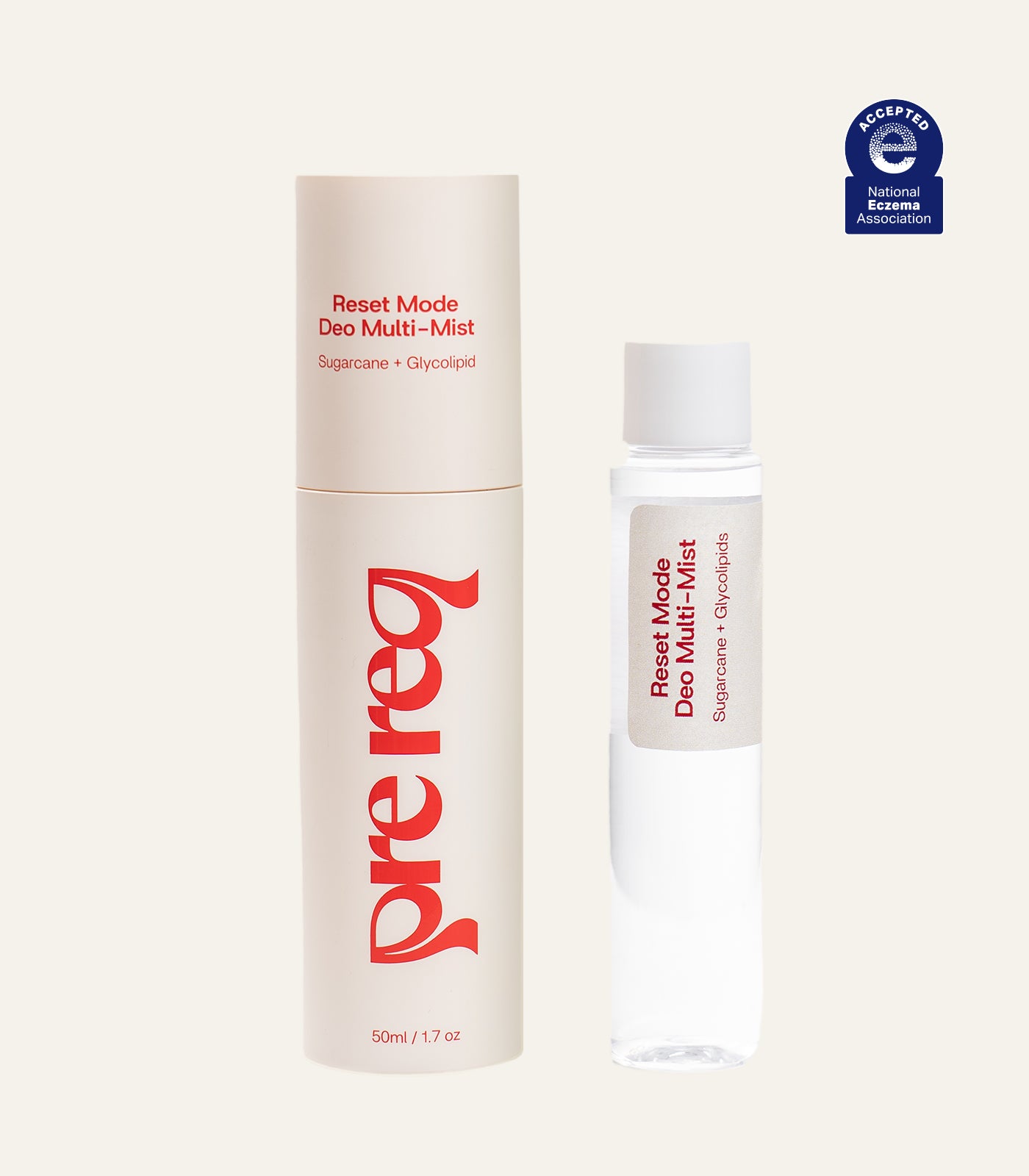
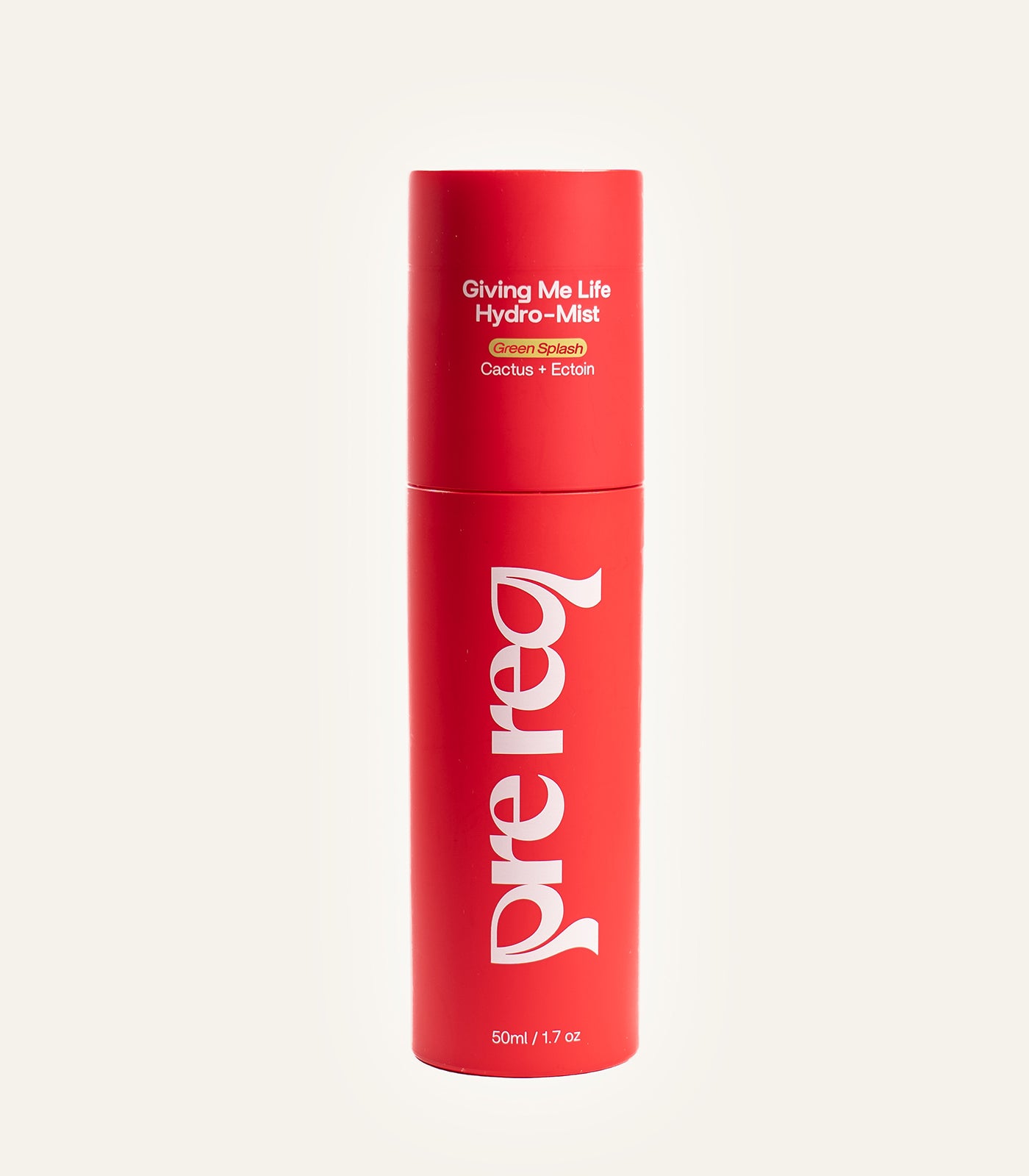
Friction and sports gear: Helmets, chinstraps, shoulder pads, and tight uniforms trap sweat and rub against skin, a pattern sometimes called acne mechanica. Rinsing off soon after practice and using a hydrating mist such as Giving Me Life Hydro-Mist can ease friction-related breakouts along the hairline and shoulders, and the same friction pattern plays a role in body acne on the back and chest. Puberty also switches on the sweat glands behind body odor, so pairing that rinse-off habit with an aluminum-free deodorant like Reset Mode Deo Multi-Mist manages sweat without adding more oil to already breakout-prone skin.
-
Picking and popping: Touching or squeezing a pimple pushes bacteria deeper and almost always makes redness and swelling worse, on top of raising the risk of scarring.
Recommended Products for Tweens & Teens
Support healthy hygiene and skincare habits with gentle, age-appropriate essentials designed for pre-teens and teens.
Hormonal Acne vs Regular Teen Acne
Hormonal acne is not a separate condition from regular teen acne. It's a pattern within it, driven more directly by hormone timing than by daily habits.
|
Sign |
Hormonal acne |
Everyday teen acne |
|
Location |
Chin, jawline, and lower cheeks |
Forehead, nose, and upper cheeks, known as the T-zone |
|
Timing |
Flares around a menstrual cycle or a growth spurt |
Fairly steady, without a clear monthly pattern |
|
Texture |
Deeper, tender bumps under the skin |
Blackheads, whiteheads, and surface pimples |
Both types come from the same basic process of extra oil and clogged pores. Hormonal acne just tends to run deeper and follow a more predictable cycle.
Is Acne a Sign of Puberty
Acne is one of the clearest signs that puberty is underway, since it's driven directly by the same androgen rise that causes other pubertal changes.
Puberty Acne in Girls
Acne is a sign of puberty in girls, often appearing not long after the earliest breast development. Girls' acne tends to be milder overall but more closely tied to monthly hormone shifts once periods start.
Puberty Acne in Boys
Puberty acne in boys tends to arrive a little later than in girls but is generally more widespread once it appears. Higher testosterone and DHT levels in boys mean more active oil glands, which is why teenage boys are more likely to develop acne on the chest and back in addition to the face.
At What Age Does Teenage Acne Get Better
Teenage acne usually starts easing in the late teens and continues improving into the early twenties, as hormone levels stabilize after their steepest rise. Acne is often at its worst in the mid to late teens, which lines up with the point where androgen and DHT levels are climbing fastest. Left untreated, acne can run five to ten years from first breakout to clear skin, though a consistent gentle routine and, when needed, a dermatologist's help usually shorten that timeline. Puberty acne does go away for most people, but the pace of improvement varies a lot from one teenager to the next.
Managing Acne That's Getting Worse
A simple, consistent routine does more for worsening acne than switching products every few weeks. Gentle cleansing, a light non-comedogenic moisturizer, and daily sunscreen remain the foundation, and the same oily skin routine that helps early breakouts still applies as acne progresses.
Natural remedies for getting rid of teenage pimples at home are widely searched, but many popular ones, like toothpaste, lemon juice, or baking soda, are too harsh for teen skin and can irritate it further rather than calm it. The best acne treatment for a teenage girl or boy usually starts with the basics and adds an over-the-counter ingredient like benzoyl peroxide only if a gentle routine alone isn't enough. Teenage hormonal acne treatment sometimes involves options a dermatologist prescribes, since some hormonal breakouts respond better to targeted care than to skincare changes alone.
When Worsening Acne Needs a Dermatologist
Ordinary worsening acne follows a gradual pattern tied to puberty's progress, so a sudden, different-looking flare is worth a closer look before assuming it's just puberty. A dermatologist visit is worth booking when breakouts are painful, spreading quickly, or leaving marks that don't fade after a few months. It's also worth checking skin purging vs breakouts if a new product seems to have triggered a flare, since that pattern looks different from the slow climb of typical puberty acne and usually clears faster.
Caring for Skin as Puberty Progresses
Puberty skin changes are a moving target, and acne getting worse before it gets better is a normal part of that process rather than a sign anything is wrong. Rising hormones drive most of it, while stress, diet, friction, and skincare habits shape how noticeable it becomes along the way. A steady, gentle routine, patience through the peak years, and a dermatologist's input when breakouts are painful or persistent help most teens through this stretch with less frustration. Explore the full Prereq Care collection to build a simple routine suited to skin that's still changing.
Frequently Asked Questions
Why does my 14-year-old have so much acne?
A 14-year-old's acne is usually tied to rising androgen and DHT levels at this stage of puberty, which is a normal part of development. Genetics, stress, and skincare habits can add to how noticeable it becomes.
How can you tell if acne is hormonal?
Hormonal acne tends to show up on the chin and jawline and flares around the menstrual cycle. Everyday teen acne is more likely to appear across the forehead and nose without a clear monthly pattern.
At what age does teenage acne usually get better?
Teenage acne usually starts improving in the late teens and continues easing into the early twenties. Most cases resolve well before adulthood with consistent care.
Why does acne get worse during the teen years?
Acne gets worse during the teen years because androgen and DHT levels keep rising at each stage of puberty rather than leveling off. Stress, diet, and skincare habits can add to that hormonal effect.
Does puberty acne go away on its own?
Puberty acne does go away for most people as hormone levels settle after the teen years. A gentle routine and, when needed, dermatologist care can help it clear faster.
Is acne a sign of puberty in girls and boys?
Acne is a common sign of puberty in both girls and boys, driven by the same rise in androgens. Girls tend to develop it earlier, while boys often develop more widespread acne later on.
Recommended Products for Tweens & Teens
Support healthy hygiene and skincare habits with gentle, age-appropriate essentials designed for pre-teens and teens.
This article is for general information only and isn't a substitute for professional medical advice. Please consult a pediatrician or dermatologist about any skin concern before starting a new product or routine.

