


Skin purging and a regular breakout can look identical on day one, but they come from different causes and follow different timelines. Purging happens in the same spots where a tween or teen already breaks out, and it clears faster than typical acne. A breakout can show up anywhere, and it follows the skin's normal, slower healing pattern. Knowing which one you're looking at changes what happens next, stick with the new product or stop using it. It also changes how a parent responds, since one calls for patience and the other calls for a routine change.
What Is Skin Purging?
Skin purging is a temporary flare of small bumps, whiteheads, or blackheads that happens when a new active ingredient speeds up skin cell turnover. Ingredients like retinoids, salicylic acid, glycolic acid, and benzoyl peroxide push existing clogged pores to the surface faster than they would clear on their own.
The bumps that show up during purging usually appear in the same areas where a tween or teen already gets pimples, most often the forehead, chin, and nose. They also tend to clear faster than regular acne, often within a single skin cell cycle. Purging isn't a sign the product is wrong for the skin. It's a sign the skin is working through congestion that was already forming underneath the surface, brought to the top faster than it would have surfaced on its own.
It's worth noting that purging only happens with ingredients built to speed up cell turnover. A basic cleanser, a plain moisturizer, or a mineral sunscreen won't cause it, since none of those change how fast skin cells shed.
What Is a Skin Breakout?
A breakout is acne caused by something other than accelerated cell turnover. Hormones, heavy or comedogenic products, sweat, friction, and new allergens can all trigger one. Unlike purging, a breakout can appear in spots where the skin doesn't usually break out, and it follows the skin's normal, longer healing timeline instead of clearing early.
Breakouts also tend to look a little different up close. They're more likely to include deeper, more inflamed bumps, and they don't cluster only in a tween's usual trouble spots the way purging does. A breakout can also keep showing up in waves for weeks or months if the underlying trigger, like a new pillowcase, a heavy sunscreen, or a hormonal shift, isn't addressed.
Skin Purging vs Breakouts at a Glance
The clearest signals are location, trigger, and how long the bumps stick around.
|
Feature |
Skin Purging |
Regular Breakout |
|
Location |
Usual acne-prone areas |
Can appear anywhere, including new spots |
|
Trigger |
A new active ingredient, like a retinoid, AHA, BHA, or benzoyl peroxide |
Hormones, comedogenic products, sweat, diet, stress |
|
Timeline |
Starts within days, fades in 2 to 6 weeks |
No set timeline, can linger for weeks or longer |
|
Healing speed |
Faster than typical acne |
Follows the skin's normal healing pace |
|
What it looks like |
Small whiteheads or clusters of tiny bumps |
Larger, more inflamed pimples or cysts |
|
What it means |
Skin is clearing existing congestion |
Skin is reacting to a new trigger |
Why Tween and Teen Skin Confuses the Two So Easily
Tween and teen skin is still building its skin barrier, so it reacts more visibly to any change, whether that's a new product, a hormone surge, or a first exposure to an active ingredient. That makes it harder for parents to tell whether a flare-up is temporary purging or a sign the product needs to go.
Age plays a role too. Younger tweens, around 8 to 10, rarely need actives strong enough to trigger true purging, so a new breakout at that age is more likely a reaction or unrelated hormonal acne. Once puberty accelerates oil production around ages 11 to 13, a first exfoliating cleanser, spot treatment, or prescribed acne medication becomes more common, and that's when purging becomes a real possibility. PreReq Care's Self Care 101 page breaks down what tween and teen skin actually needs at each stage, without reaching for ingredients this age group isn't ready for yet.
Another reason this age group gets confused so easily: tweens and teens are often introducing several new things at once, a new face wash, a new sports season, a new deodorant, a growth spurt. When more than one change happens in the same week, it's harder to isolate whether a new blemish traces back to an active ingredient or to something else entirely, like sweat sitting on the skin after practice.
As board-certified dermatologist and Prereq Care Strategic Advisor Dr. Tiffany Libby puts it,
"What stood out to me immediately was how intentionally Prereq Care approached formulation for young skin. The products are built around supporting the skin barrier first, with carefully selected ingredients that each serve a clear purpose."
What Causes Skin Purging in Tweens and Teens
Purging in this age group usually traces back to one of these ingredients showing up in a routine for the first time:
-
Retinoids, including prescription tretinoin or adapalene
-
Salicylic acid, found in many teen-marketed spot treatments and cleansers
-
Glycolic acid or other AHAs
-
Benzoyl peroxide
-
Higher-strength vitamin C serums
Retinoids are the most common trigger for tweens and teens starting an acne treatment, and choosing between retinol or adapalene changes how likely purging is and how long it tends to last. Products that combine two or more of these actives, like a salicylic acid cleanser paired with a benzoyl peroxide spot treatment, tend to cause a more noticeable purge than using just one at a time.
What Causes Regular Breakouts in Tweens and Teens
Most tween and teen breakouts have nothing to do with active ingredients. Common triggers include:
-
Rising hormone levels during puberty
-
Comedogenic moisturizers, sunscreens, or makeup
-
Sweat and friction from backpack straps, helmets, or sports gear
-
Touching the face, dirty phone screens, or unwashed pillowcases
-
Diet and stress, which can worsen existing acne in some tweens
A consistent oily skin routine for teens reduces how often these breakouts happen, since gentle, regular cleansing keeps pores from clogging in the first place. Breakouts along the hairline, jaw, or chin often point to hormones, while breakouts on the back, chest, or shoulders usually trace back to sweat and friction rather than anything applied to the face.
Caring for Skin During Skin Purging vs Breakouts
Whether it's purging or a genuine breakout, skin needs the same basic support while it works itself out. The American Academy of Dermatology recommends gentle, twice-daily cleansing, alcohol-free products, and a non-comedogenic sunscreen as the baseline for any acne-prone routine, tween and teen skin included. Stripping the skin further with harsh scrubs or extra products only adds stress to a barrier that's already working overtime.
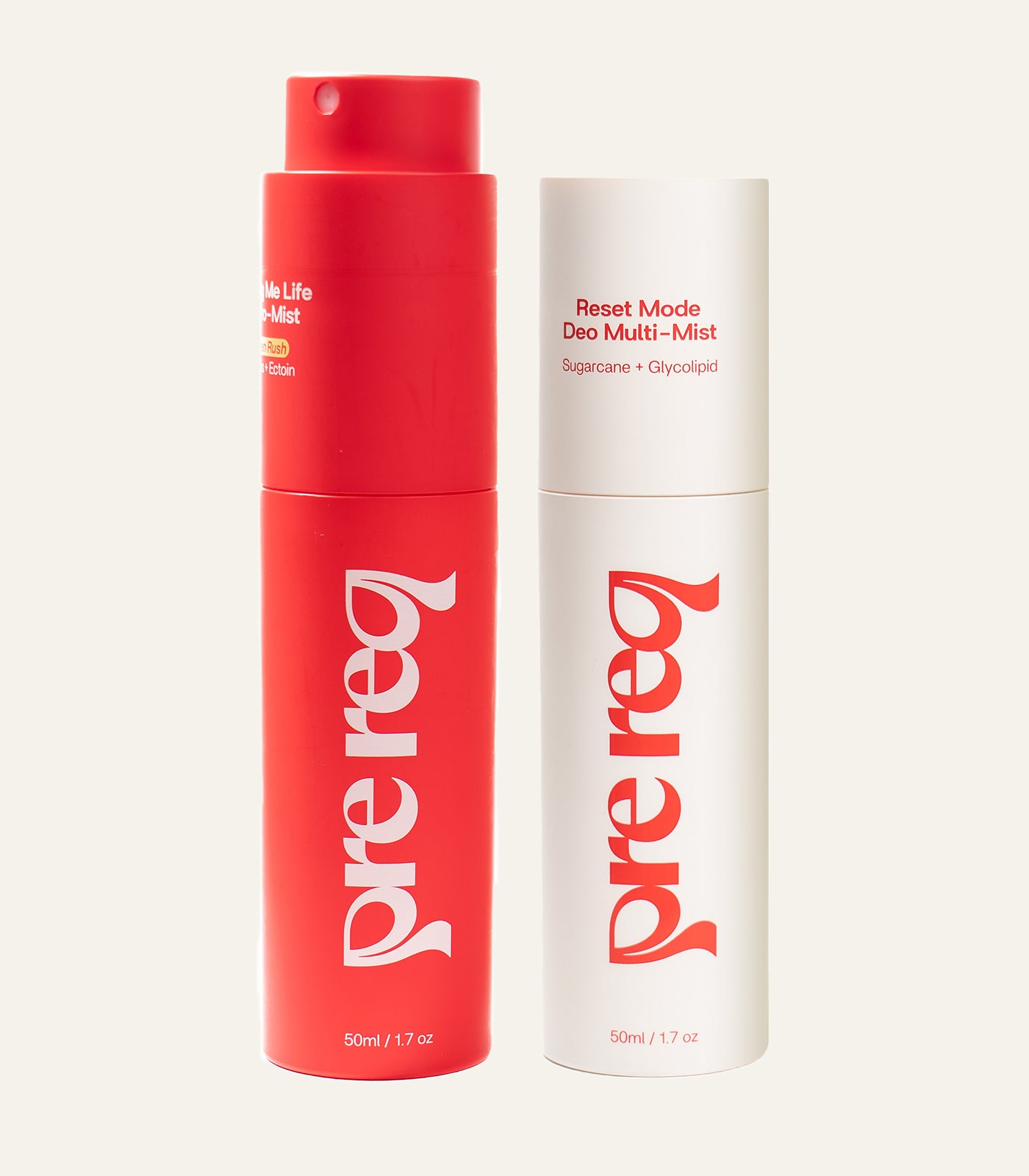
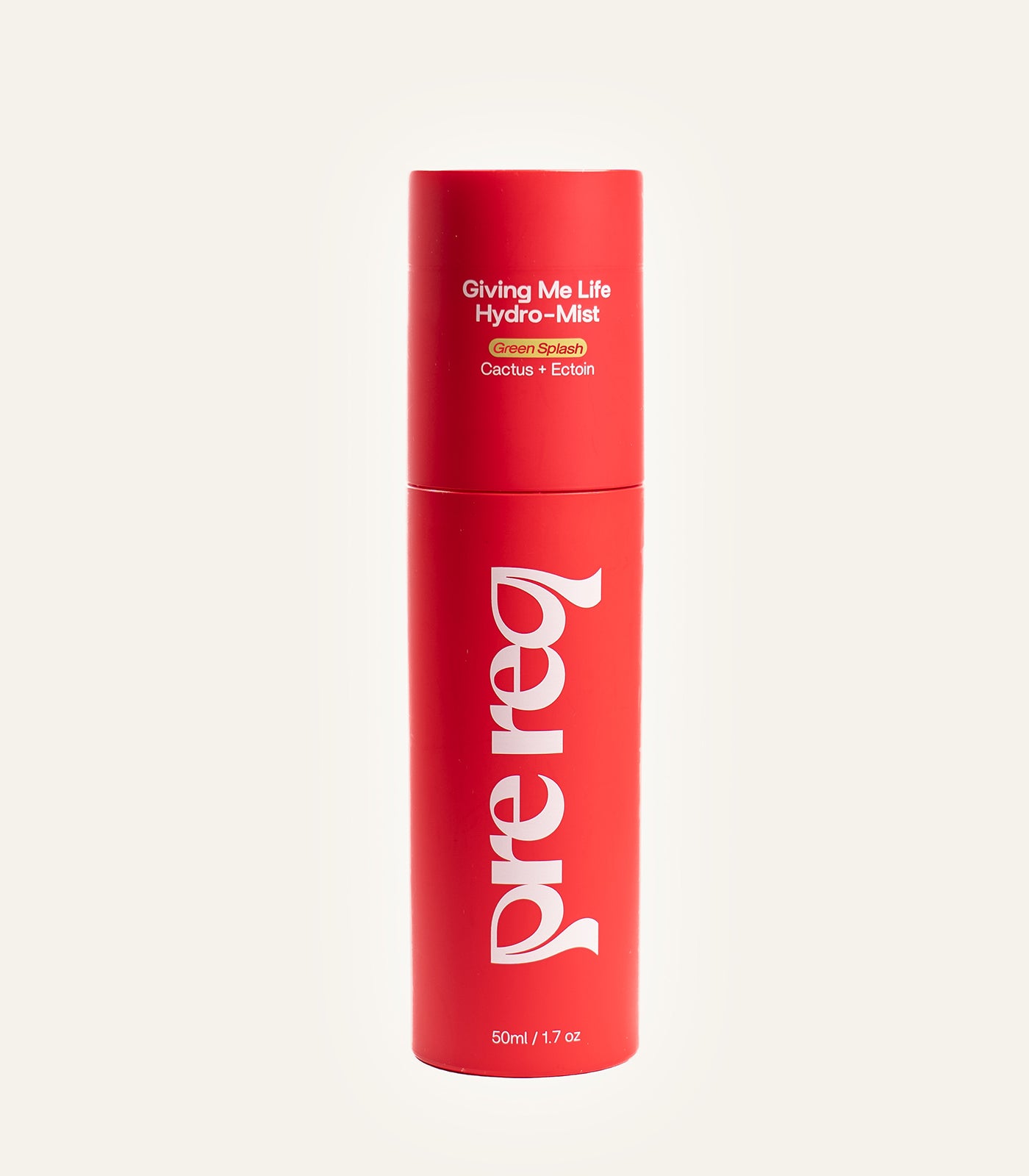
Hydration matters more than most parents expect during this stretch. Actives that trigger purging, and the extra washing that often comes with a fresh breakout, can leave skin feeling tight and dry. A lightweight, non-greasy mist like Giving Me Life Hydro-Mist gives tween and teen skin a quick way to top up moisture between cleansing and moisturizing steps, without adding pore-clogging weight on top of skin that's already dealing with congestion.
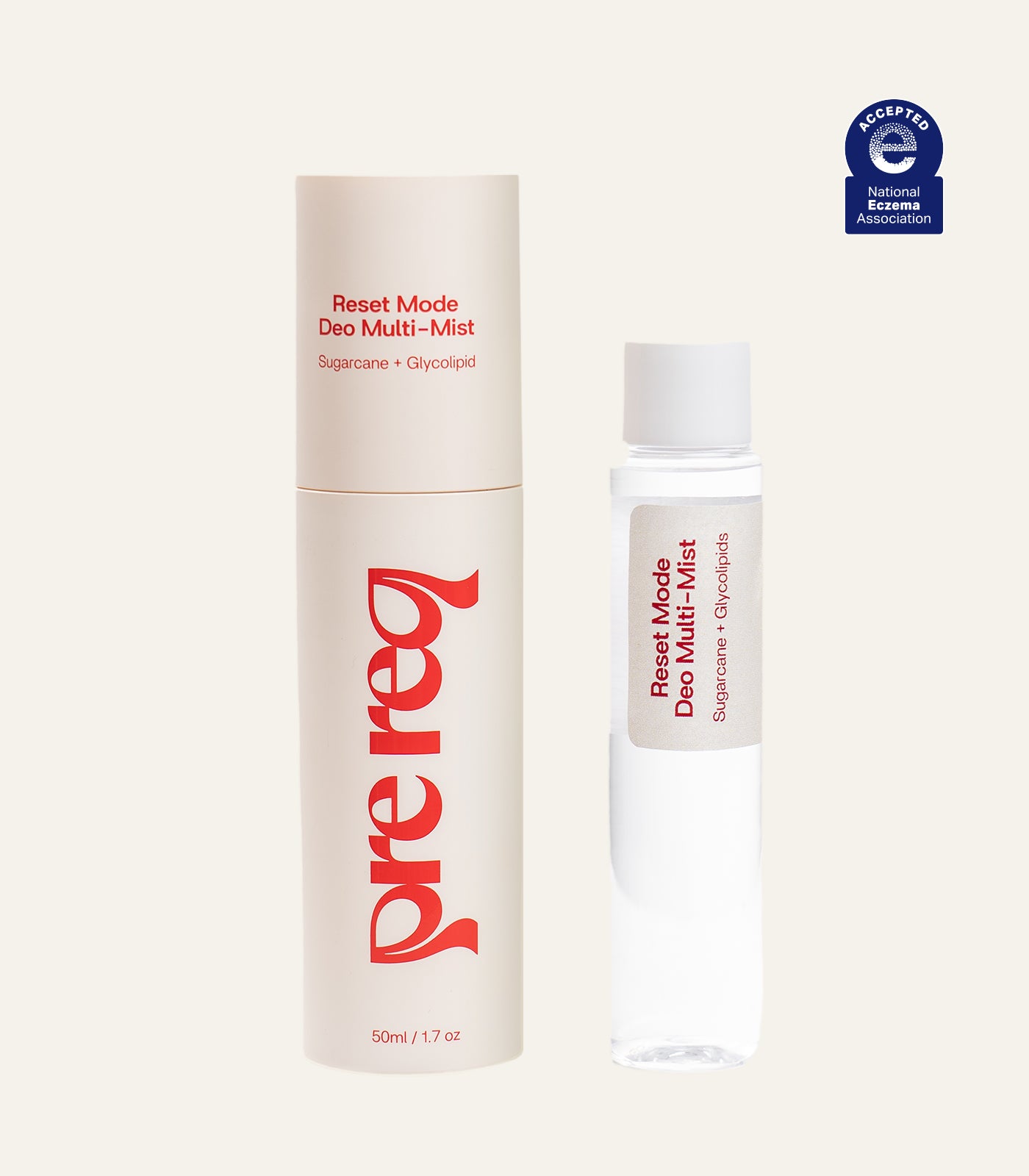
Sweat is a separate piece of the puzzle, especially for breakouts along the back, chest, or hairline after sports or recess. Rinsing off as soon as possible after activity helps, and for the stretch between showers, Reset Mode Deo Multi-Mist can be used on the body to manage sweat and odor without adding aluminum, baking soda, or harsh ingredients that could irritate skin that's already purging or breaking out.
Recommended Products for Tweens & Teens
Support healthy hygiene and skincare habits with gentle, age-appropriate essentials designed for pre-teens and teens.
How Long Does Skin Purging Actually Last?
Most skin purging clears within two to six weeks, matching the skin's natural cell turnover cycle. Purging that continues past eight weeks without any improvement usually isn't purging anymore, it's a reaction or the wrong product for that skin type.
A few factors affect how long skin purging lasts for a tween or teen. Stronger formulations, more frequent use, and naturally sensitive skin all tend to stretch purging closer to the six-week mark, while lower-strength products used a few times a week often clear closer to two or three weeks.
When Tween or Teen Skin Needs a Dermatologist
See a dermatologist if any of these show up:
-
Breakouts turn into large, painful, cystic bumps
-
New bumps keep spreading to fresh areas after 6 to 8 weeks
-
Skin becomes raw, cracked, or bleeds
-
A product causes a reaction beyond mild dryness or peeling
-
A prescribed retinoid or adapalene causes irritation that doesn't ease within a month
Common Questions About Skin Purging vs Breakouts
Does purging always happen with a new skincare product?
No. Purging only happens with ingredients that speed up cell turnover, like retinoids or exfoliating acids. A gentle cleanser or moisturizer won't cause it.
Can tweens experience skin purging?
Yes, though it's less common before puberty. Tweens using a prescribed acne treatment or an exfoliating product for the first time can purge the same way teens do.
How can you tell purging from an allergic reaction?
Purging looks like small bumps in usual breakout zones. An allergic reaction usually brings redness, itching, swelling, or hives, often in new areas, and calls for stopping the product right away.
Is purging a sign a product is working?
Yes, in most cases. It means the active ingredient is clearing congestion that was already under the skin, not creating new problems.
Should a product be stopped during purging?
Not usually, as long as symptoms stay mild and match the purging pattern. Stop immediately if irritation, pain, or swelling shows up instead.
Can drugstore products cause purging, or only prescriptions?
Both can. Over-the-counter salicylic acid cleansers, retinol creams, and AHA toners work the same way as prescription retinoids, just more gradually, so purging can happen with either.
Telling Skin Purging and Breakouts Apart, the Short Version
Look at where the bumps show up and how long they last. Purging stays in familiar breakout zones and clears in weeks. A breakout can spread anywhere and takes its normal time to heal. That difference is usually enough to decide whether to stick with a new product or stop using it.
For tweens and teens still building their first routine, starting simple keeps skin from having to sort through too many new ingredients at once. Prereq Care's full lineup sticks to gentle, dermatologist-vetted formulas built for skin that's still figuring itself out.
Recommended Products for Tweens & Teens
Support healthy hygiene and skincare habits with gentle, age-appropriate essentials designed for pre-teens and teens.
This article is for general information only and isn't a substitute for professional medical advice. If you're unsure whether your tween or teen is purging or breaking out, or if symptoms are severe or persistent, check with a board-certified dermatologist.

