


Most children shouldn't wear fragrance directly on their skin before age 2, and from there, readiness depends far more on skin and lung development than on a specific birthday. Once past infancy, a mild, kid-formulated scent can be reasonable in the preschool years, a light body mist typically suits the tween years better than perfume, and standard diluted perfume becomes appropriate on an occasional basis in the early teens.
There isn't one medically agreed-upon number that applies to every child. What actually matters is the concentration of the product, how developed your child's skin and lungs are, and whether they're old enough to follow a simple rule like "spray it on your shirt, not your face."
Why There's No Single "Right Age"
A child's readiness for fragrance has more to do with skin and respiratory development than with age itself. Younger children have thinner skin that absorbs more of whatever touches it, and their airways are more reactive to strong scents. That's part of why the same product can be fine for a 12-year-old and irritating for a 4-year-old.
Nemours KidsHealth notes that most kids and teens don't yet have the skin concerns adult products are built to address, and putting adult-formulated products on young skin can cause irritation, breakouts, or rashes instead of solving anything. That guidance is about skin care products broadly, but the same logic extends to fragrance: a "kids' perfume" that's really just a smaller bottle of an adult formula isn't automatically safer just because it's marketed to children.
Fragrance Readiness, Age by Age
|
Age |
What's typically appropriate |
|
Under 2 |
No fragrance products. Pediatricians are consistent on this point: infant skin and lungs are still developing, and strong scents can trigger skin or respiratory reactions. |
|
2–7 |
A mild, alcohol-free scent made specifically for kids, applied sparingly to clothing rather than skin. Some sources place the reasonable starting point closer to age 5 rather than 2, so use judgment based on your own child. |
|
8–12 (tweens) |
A light body mist or gentle deodorant fits better than perfume, since this is typically when body odor starts, not when a stronger scent is needed. |
|
14 and up |
An occasional, diluted eau de toilette becomes reasonable for special occasions, for teens with no known sensitivities. A light body spray is still the better everyday choice, even at this age. |
Girls tend to move through this timeline earlier than boys, since puberty generally starts between ages 8 and 13 for girls versus 9 and 14 for boys. That's a general pattern, not a rule for your specific child.
Health Considerations Parents Should Know
Fragrance carries a few real, well-documented risks for kids.
Chemical absorption
Children absorb a higher percentage of whatever touches their skin compared to adults, because their skin barrier is thinner and still developing.
Respiratory sensitivity
A study measuring infants' and toddlers' exposure to fragrance ingredients in baby personal care products found detectable concentrations of fragrance compounds in a baby's breathing zone during product use. That's part of the reasoning behind pediatric caution around fragrance for very young children, alongside general concerns about immature airways reacting to strong scents.
Allergic reactions and eczema flares
Fragrance is one of the most common triggers of contact dermatitis in children, and kids with eczema or generally reactive skin are more likely to react than kids without.
Hormone concerns
Some fragrance formulas rely on phthalates to make scent last longer, and phthalates are classified as endocrine disruptors, meaning they can interfere with the body's hormone signaling. This is the legitimate concern behind questions about whether fragrance can affect a child's hormones, and it's a real reason to check labels rather than treat "fragrance" as one harmless, uniform ingredient.
How to Apply Fragrance to a Child Properly
If you've decided your child is ready, a few simple rules make it meaningfully safer.
-
Spray on clothing, not skin: This cuts down direct skin contact and reduces irritation risk.
-
One to two sprays, maximum: Kids don't need a strong scent, and over-application is the most common mistake parents make.
-
Avoid the face entirely: Keep sprays away from eyes, nose, and mouth.
-
Patch test first: Apply a small amount to a hidden area of skin or fabric and wait 24 hours, especially for a child with any history of sensitivity.
-
Choose clothing over hair for younger kids: Hair sits closer to the face and nose than clothing does, so a light mist on clothes is the safer starting point over hair perfume for younger children.
Fragrance, Body Spray, or Deodorant? They're Not the Same Thing
Parents often use these terms interchangeably, but they solve different problems. Deodorant manages body odor caused by bacteria breaking down sweat. Body spray adds a light scent at a low concentration. Perfume is a much more concentrated fragrance product built for adult skin and all-day wear. A tween who's just started noticing body odor needs a deodorant, not a stronger scent layered on top; our guide to the best deodorants for teens covers when that transition typically happens.
For a full breakdown of how kids' body spray compares to perfume, including exact fragrance concentrations, see our Kids Body Spray vs. Perfume guide.
Choosing a Safe First Scented Product
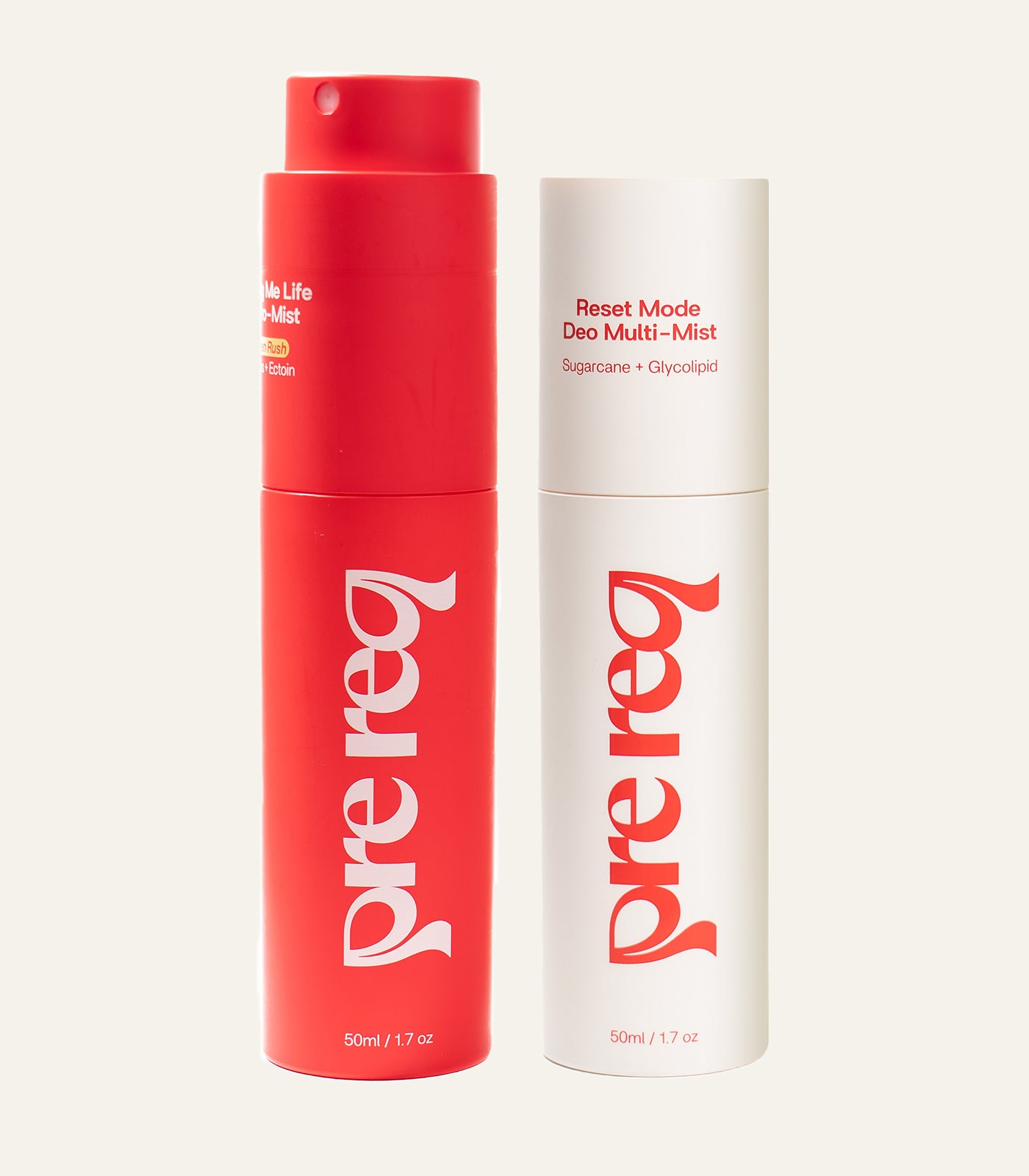
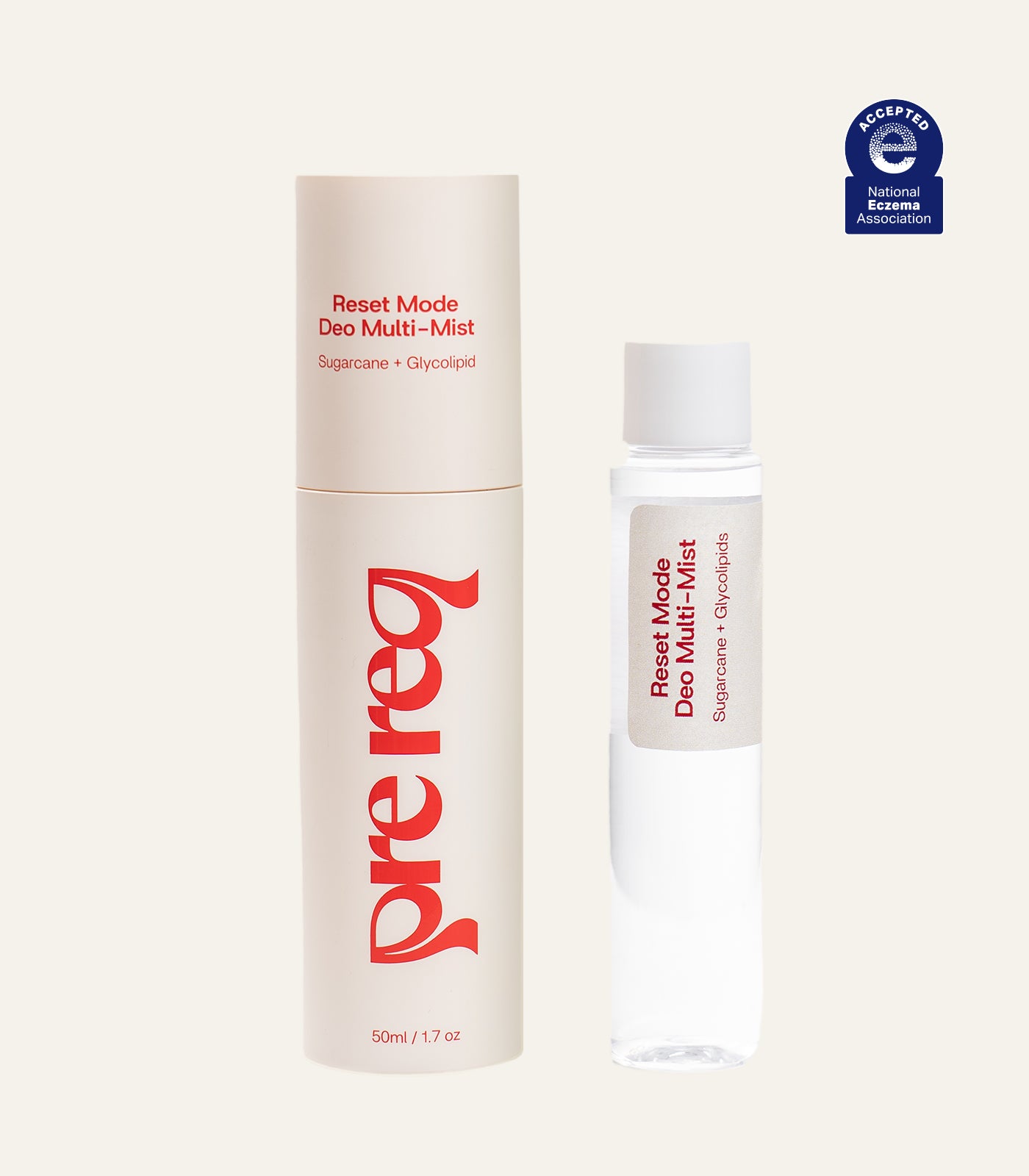
For tweens who want to smell good day to day without a dedicated perfume, a naturally-scented option with no added synthetic fragrance is the safer starting point. Prereq's Reset Mode Deo Multi-Mist, for example, gets its light, subtle scent from vanilla and coconut fruit extracts rather than a synthetic fragrance ingredient, so kids get a pleasant, incidental scent alongside odor control instead of a separate fragrance product layered on top.
As Dr. Tiffany Libby, board-certified dermatologist and Prereq's Strategic Advisor, puts it, formulas for this age group should be "built around supporting the skin barrier first, with carefully selected ingredients that each serve a clear purpose."
When to Wait
Hold off on any fragrance product, even a light one, if your child has active eczema, a known fragrance allergy, or skin that tends to react to new products. This isn't a step backward. It just means starting fragrance-free and reintroducing a light scent later, ideally with a pediatrician or dermatologist's input.
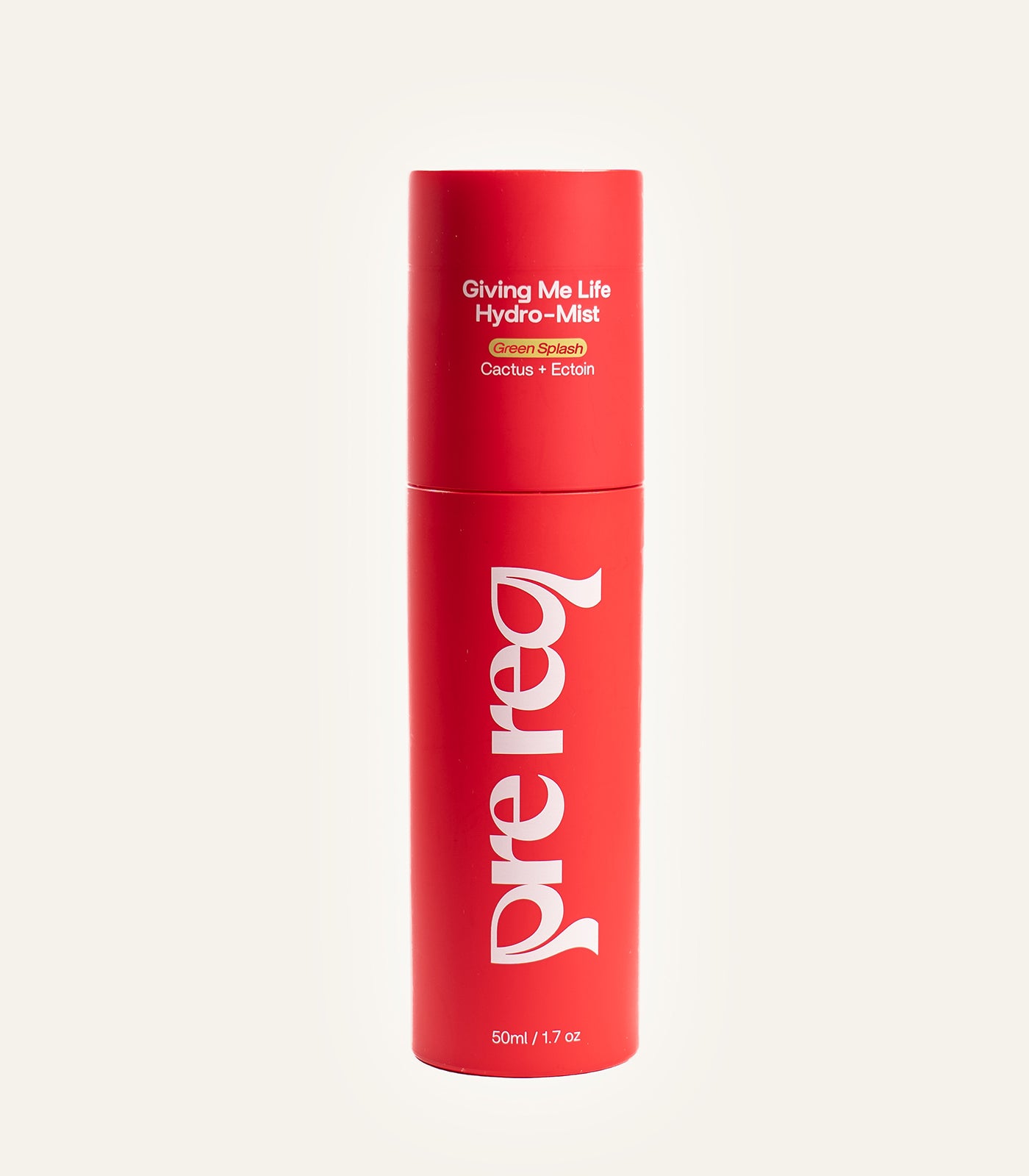
Recommended Products for Tweens & Teens
Support healthy hygiene and skincare habits with gentle, age-appropriate essentials designed for pre-teens and teens.
Frequently Asked Questions
Can a 5-year-old wear perfume?
Yes, a 5-year-old can wear a mild, alcohol-free scent made for kids. Apply it to clothing rather than skin, and use just one light spray.
Can a 10-year-old wear perfume?
A light body mist is generally a better fit than traditional perfume for a 10-year-old. This is the age range where body odor often starts, so a gentle deodorant may be more relevant than fragrance alone.
Can a 14-year-old wear perfume?
Yes, most 14-year-olds can wear a diluted eau de toilette occasionally, for special events, as long as they have no known fragrance sensitivities. A light body spray is still the more practical everyday option.
What are the best alcohol-free perfumes for children?
The best alcohol-free options for kids use a low fragrance concentration and clearly-named natural scent ingredients rather than the catch-all word "fragrance." Look for formulas labeled specifically for children rather than diluted adult perfumes.
Can children with eczema wear fragrance?
Children with eczema should generally avoid fragranced products, since fragrance is one of the most common eczema triggers. Check with a dermatologist first if a scented product feels necessary, and patch test before full use.
How many sprays of perfume should a child use?
One to two sprays are enough for a child, regardless of age. More isn't better here, since overapplication increases both irritation risk and how overpowering the scent becomes in shared spaces like a classroom.
Can synthetic fragrance affect a child's hormones?
Some fragrance formulas contain phthalates, which are classified as endocrine disruptors and can interfere with hormone signaling. Choosing phthalate-free, clearly labeled formulas avoids this risk.
What Matters More Than the Number
There's no universal age that makes fragrance right for every child, and any source that gives you one exact number without context is oversimplifying. What actually matters, at every stage, is starting light, watching how your child's skin responds, applying to clothing instead of skin when possible, and choosing formulas built for developing skin rather than scaled-down adult products. Get those fundamentals right, and the exact age matters a lot less.
If your child is in the tween years and body odor, not fragrance, is the real question you're trying to answer, start there first. Prereq's Reset Mode Deo Multi-Mist is aluminum-free, NEA-approved, and dermatologist-vetted for exactly this stage, with a light, natural scent instead of synthetic fragrance. Explore the full Prereq Care collection to build a routine that's actually right for your child's age and skin.

