


Deodorant stains are almost always preventable, and the ones that already happened are usually removable too, the fix just depends on which type is showing up. White marks come from product that hasn't fully dried before it touches fabric. Yellow marks come from aluminum in antiperspirant reacting with sweat and darkening over repeated washes. Once it's clear which one this is, treating it is straightforward: dish soap or dry friction for white marks, a vinegar or baking soda soak for yellow ones.
This guide covers what causes each type, how to stop them from forming, and how to remove existing stain buildup included by fabric and stain age.
Why Does Deodorant Leave Stains on Clothes?
Deodorant stains come from two different causes, which is why a single fix rarely works on both: residue that transfers before it dries, and a chemical reaction between aluminum and sweat.
White marks are residue
Deodorant sticks contain waxes, oils, and sometimes powders that sit on top of the skin until fully dry. If fabric touches that layer before it sets, some of it transfers onto the fibers.
Yellow marks are a reaction, not residue
Antiperspirants use aluminum-based compounds to block sweat glands, and when that aluminum mixes with sweat and sits on fabric, it oxidizes and darkens to yellow over repeated washes. Understanding deodorant and antiperspirant as two different products makes it clear why aluminum-based formulas cause this and aluminum-free ones don't.
Buildup is what happens when either is repeated without full drying between applications, leaving a layered residue in the underarm area that a normal wash cycle won't fully remove, and one that needs a soak rather than a quick rinse.
White Stains vs. Yellow Stains: What's the Difference?
|
White stains |
Yellow stains |
|
|
Cause |
Wax/powder residue transferred before drying |
Aluminum salts reacting with sweat, oxidizing over time |
|
Most common on |
Dark or black shirts |
White or light-colored shirts |
|
Shows up |
Immediately, right after dressing |
Gradually, after multiple wears and washes |
|
Best first fix |
Dry rubbing or dish soap pretreat |
White vinegar or baking soda soak |
Both are avoidable with the same basic habit, full drying time before getting dressed, but they need different removal methods once they've already set in.
How to Prevent Deodorant Stains Before They Happen
Prevention comes down to how deodorant is applied in the first place; get that right and most stains never happen:
-
Apply to clean, completely dry skin: Damp underarms dilute the formula and make it more likely to transfer onto fabric before it's had a chance to set.
-
Use two to three swipes or sprays, not more: Extra product doesn't add more protection, it just adds more residue that has to dry, and more that can rub off if it doesn't.
-
Give it time to dry before getting dressed: This is the single biggest prevention step, and it's also the most skipped one, letting deodorant fully dry before getting dressed is the difference between a clean shirt and a marked one more often than the formula itself is.
-
Apply antiperspirant at night instead of the morning: If sweat control is the goal. Sweat glands are less active at night, which gives aluminum-based formulas more time to settle in before the next day's activity, deodorant, on the other hand, works fine applied in the morning since it isn't trying to block anything.
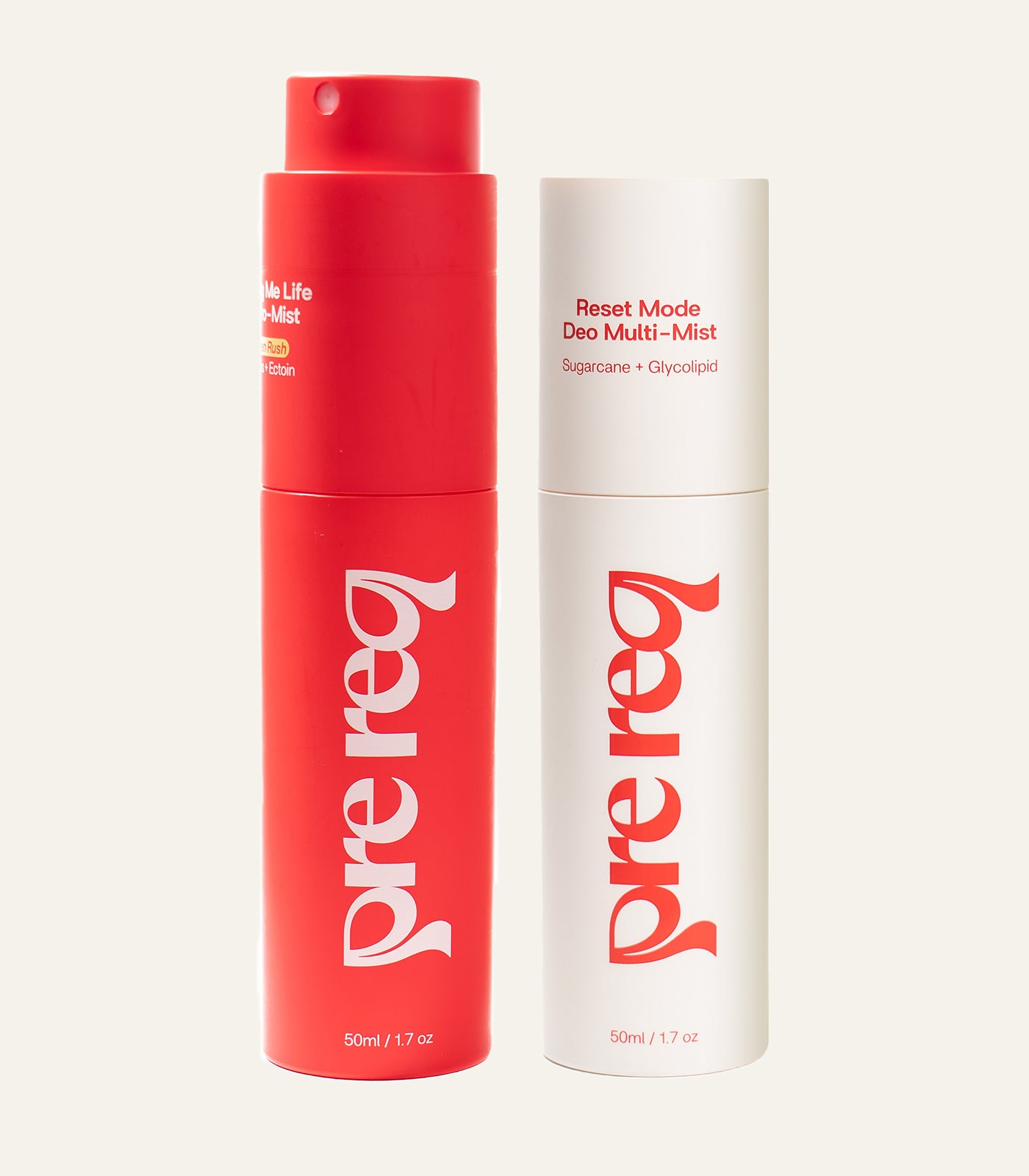
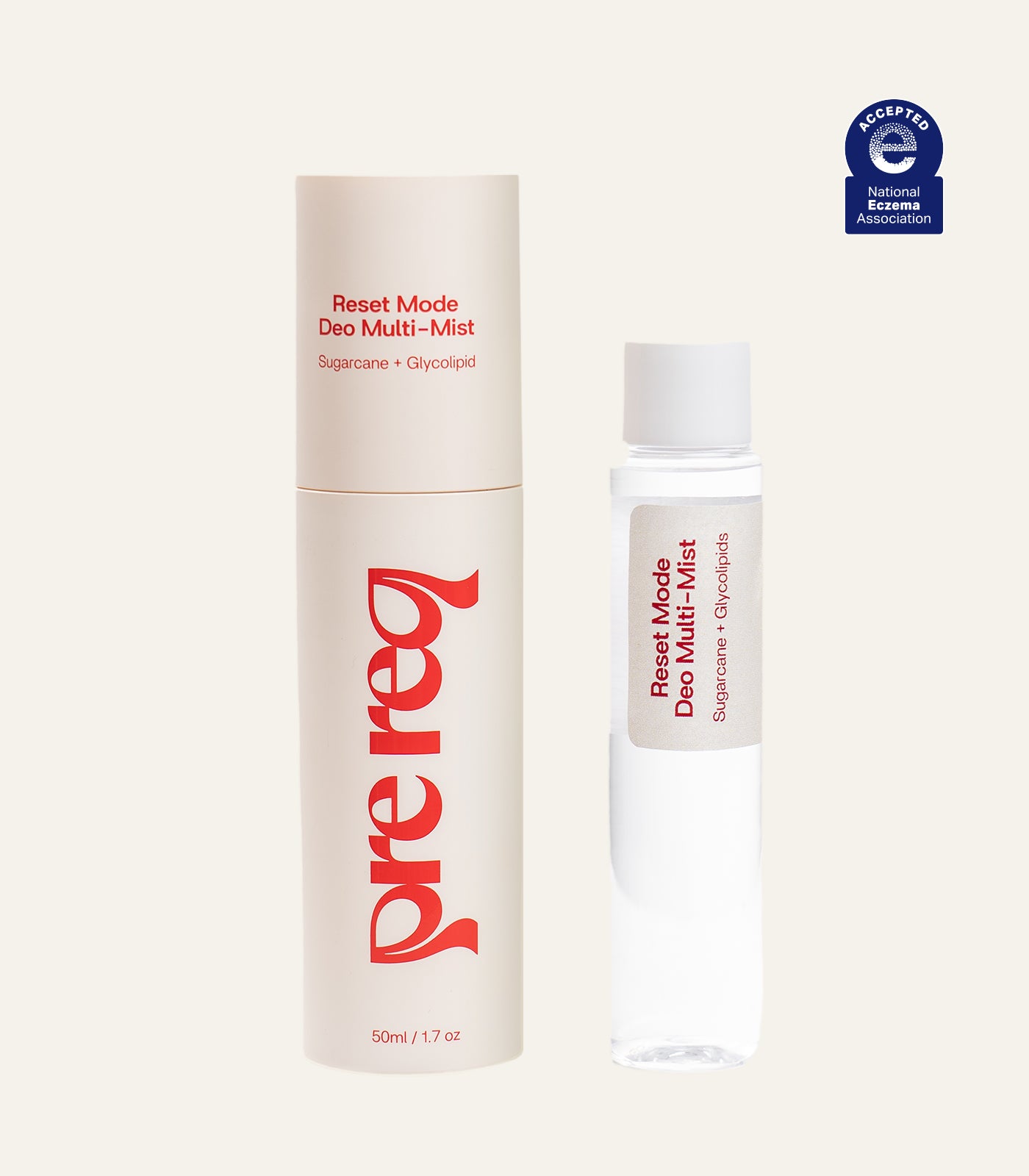
Format matters here too. A mist dries almost instantly and leaves nothing solid behind to transfer, which is one reason formulas like Reset Mode Deo Multi-Mist tend to leave noticeably fewer white marks than a traditional stick, there's no wax layer sitting on the skin waiting to rub off.
Recommended Products for Tweens & Teens
Support healthy hygiene and skincare habits with gentle, age-appropriate essentials designed for pre-teens and teens.
How to Remove Fresh Deodorant Stains
Fresh stains are the easiest to deal with because the residue hasn't had time to bond with the fibers.
-
Rinse with cold water first: Hot water can set residue into fabric rather than lifting it out; cold water alone often removes a large amount of a fresh mark.
-
Work in a small amount of bar soap or dish soap directly on the spot, rubbing gently, then rinse.
-
Blot, don't rub, if there's excess product on the fabric: Rubbing pushes it deeper into the weave before it's been broken down.
For a stain that's happening in real time, say, right before walking out the door, pressing a folded paper towel against the mark and running a warm (not hot) iron over it for a few seconds can help lift excess product before it sets, since the heat draws the residue into the paper rather than further into the fabric.
How to Remove White Deodorant Stains From Dark Clothes
White marks on black or navy fabric are the most visible and most commonly searched version of this problem, and they respond well to a few specific methods.
-
Rub the fabric against itself: Take the two layers of fabric on either side of the mark and rub them together; this dry-friction method lifts a surprising amount of dried residue before the item ever goes near water.
-
Pretreat with dish soap: A small amount worked into the mark and left for a few minutes before washing breaks down the waxy residue that plain detergent alone often misses.
-
Skip fabric softener on stained items: Softener coats fibers with a waxy layer of its own, which traps existing residue in place instead of letting the wash cycle lift it out a detail that gets missed in a lot of stain-removal advice.
How to Remove Yellow Deodorant Stains From White Shirts
Yellow stains need an approach that targets the aluminum-and-sweat reaction directly, not just surface cleaning.
-
Baking soda and hydrogen peroxide paste: Mix three parts baking soda with one part hydrogen peroxide, work it into the stain, and let it sit for about an hour before washing.
-
White vinegar soak: Soak the stained area in equal parts white vinegar and water for 30–60 minutes, then launder as usual; vinegar's acidity breaks down the mineral buildup left by aluminum salts.
-
Lemon juice for fresh marks: On a stain that hasn't fully set, lemon juice applied directly and left for a few minutes can lighten yellow discoloration before a normal wash.
Since yellow marks trace back to aluminum reacting with sweat, an aluminum-free deodorant removes the reaction at the source instead of just treating the stain after it forms.
Does Vinegar or Baking Soda Work Better for Deodorant Stains?
Vinegar generally works better on yellow, aluminum-based stains because its acidity breaks down mineral residue. Baking soda works better on oily or waxy buildup and everyday odor, since it's alkaline and absorbs oils rather than dissolving minerals. For a stain that's both yellow and has visible texture, treating with vinegar first and following with a baking soda paste covers both mechanisms.
How to Remove Old, Set-In Deodorant Stains
A stain that's already been through the dryer is a different problem than a fresh one, heat can set residue permanently, so this stage usually needs a soak, not just a wash.
Aspirin soak
Crush two uncoated aspirin tablets into a cup of warm water, soak the stained area for a couple of hours, then wash normally. The salicylic acid in aspirin helps break down set-in residue.
Diluted ammonia soak
Mix equal parts ammonia and water, apply directly to the stain, and let it sit for about 15 minutes before washing on the hottest setting the fabric allows. (Always use in a ventilated space and never combine ammonia with bleach.)
Toothbrush scrub with dish soap and peroxide
For heavy, stubborn buildup, mixing dish soap with hydrogen peroxide and working it in with an old toothbrush targets the exact area without needing to treat the whole garment.
Oxygen-based stain remover soak
For shirts with buildup across multiple wears, a longer soak (a few hours or overnight) in an oxygen-based laundry booster often succeeds where a single regular wash cycle won't.
Set-in stains are genuinely more stubborn than fresh ones; expect to repeat a treatment once or twice on older marks rather than getting a full result on the first try.
How to Remove Deodorant Buildup and Prevent It From Coming Back
Buildup is less about a single stain and more about a habit loop, so the fix has to be a habit too.
Turn garments inside out before washing
This lets detergent and water reach the underarm area directly instead of working through a layer of fabric first.
Pretreat with a diluted vinegar spray
Applied to the underarm area before every wash on garments that see daily deodorant use, this is a small habit that stops buildup from accumulating wash after wash.
Use a detergent with enzymes
Protease and lipase enzymes break down protein- and oil-based residue biologically rather than just lifting it, which is why an enzymatic detergent typically clears buildup a standard one leaves behind. One issue: enzyme detergents target protein, so they're not the right choice for silk, wool, or other protein-based fabrics; a gentler, enzyme-free wash is safer there.
Skip fabric softener
On anything with recurring buildup, for the same residue-trapping reason, it should be avoided on fresh white marks.
Persistent buildup and a deodorant that fades by the afternoon often come from the same daily habits, too much product, not enough drying time, inconsistent reapplication.
Best Products and Methods for Removing Deodorant Stains
For anyone who wants a quick answer rather than a DIY method:
-
Enzymatic laundry detergent is the most reliable single product for both fresh stains and set-in buildup, since it targets the actual residue rather than just masking it.
-
Dedicated stain-removal sticks or sponges work well on fresh marks caught the same day but don't do much against buildup that's already been through a hot dryer.
-
A small vinegar or stain-remover pen kept in a bag is genuinely useful for catching a stain the moment it happens. School, sports, and travel are exactly when a fast fix matters most, and treating a mark within the first hour is far easier than treating it after it's dried.
-
DIY baking soda and vinegar methods remain the most cost-effective options for occasional stains and hold up well against both white and yellow marks when matched to the right stain type, as covered above.
Products matter, but so does the deodorant causing the problem in the first place; choosing a formula that fits someone's actual skin and sweat level does more for long-term stain prevention than any single removal product ever will.
Recommended Products for Tweens & Teens
Support healthy hygiene and skincare habits with gentle, age-appropriate essentials designed for pre-teens and teens.
Frequently Asked Questions
What can I use to remove deodorant stains from clothes?
White vinegar, baking soda, dish soap, hydrogen peroxide, and enzymatic laundry detergent are the most effective and widely available options, each suited to a slightly different type of stain.
How do you get deodorant stains out of silk?
Silk needs a gentler approach than cotton, a diluted, enzyme-free soap worked in with light pressure, followed by a cool rinse, since enzymatic detergents are designed to break down protein and silk is itself a protein fiber. Skip vinegar soaks and hot water, both of which can damage silk fibers.
Can you remove deodorant stains from wool without dry cleaning?
Yes, in most cases. Gently work a small amount of wool-safe, enzyme-free detergent into the stain with cool water, then lay the garment flat to dry rather than wringing it, which protects the fibers while still lifting the residue.
How do you get deodorant out of workout clothes?
Rinse with cold water immediately after activity if possible, since sweat combined with fresh deodorant residue is easier to remove before it sets. For synthetic activewear fabrics, an enzymatic detergent handles both the sweat and the deodorant residue in a single wash.
What is the best commercial cleaner for armpit stains?
An oxygen-based stain remover or an enzymatic pretreatment spray is generally the most effective commercial option, since both target the mineral and protein components of a stain rather than just masking it. Look for "enzymatic" or "oxygen-based" on the label rather than a general all-purpose stain remover.
What is the best portable stain remover for white marks?
A small stain-remover pen or a travel-size packet of dish soap is the most practical option to carry in a bag, since treating a white mark within the first hour is far more effective than waiting until laundry day.
Which deodorants don't leave white marks?
Mist and clear-drying formulas leave the fewest white marks, since they dry almost instantly and don't contain the same wax or powder base found in traditional sticks.
Do undershirts prevent deodorant stains?
Yes, to a meaningful degree. A breathable undershirt worn under a dress shirt or top absorbs both sweat and any deodorant residue before it reaches the outer garment, which is especially useful for clothing that can't be washed as frequently.
Can I use bleach on yellow deodorant stains?
Chlorine bleach is not recommended on yellow deodorant stains, since it can react with the aluminum residue and actually intensify the yellow discoloration rather than removing it. An oxygen-based stain remover is the safer bleach alternative for this specific stain type.
Prevent It Once, Stop Dealing With It Forever
Stain removal is a fix. Prevention is the actual solution, and it comes down to the same short list every time: clean, dry skin, a light amount of product, enough time before getting dressed for it to set, and a low-residue format that doesn't leave much behind in the first place. Get those four right and most people stop thinking about deodorant stains within a couple of weeks.
Choosing the right deodorant matters just as much as the removal method. If it's time to switch to something aluminum-free and low-residue, or build a first hygiene routine from scratch, shop the full range here:

