


Getting your tween to wash their face consistently doesn’t require a long routine; it requires simplicity and structure. Tweens only need a gentle cleanser, a light moisturizer, and daily sunscreen to keep their skin healthy. The challenge isn’t choosing products; it’s building a habit they’ll actually follow. The most effective approach is to keep the routine short, attach it to an existing habit like brushing teeth, and make it easy enough to complete in under a minute.
Why Tweens Need a Skincare Routine?
Your tween needs a skincare routine because their skin is changing fast. Starting as young as 8, the body begins shifting hormonally, and those shifts show up directly on the face. Sebaceous glands produce more oil, pores can clog, and the risk of breakouts rises. Skin is your largest organ, and just like brushing teeth, caring for it early prevents bigger problems later.
Dr. Tiffany Libby, Prereq's board-certified dermatologist and strategic advisor, puts it clearly:
"Teen skin has a different microbiome, different oil balance, and higher sensitivity. Harsh actives and multi-step routines aren't necessary, and they can actually disrupt the skin barrier."
A consistent routine established in the tween years builds good hygiene habits, reduces the risk of skin issues like acne, and protects against long-term damage, including the risk of skin cancer from early sun exposure.
Skin left unwashed collects dirt and oil, dead skin cells, sweat, and environmental pollutants throughout the day. All of that can clog pores, disrupt the skin's natural barrier, and trigger a breakout. Washing their face isn't vanity. It's basic personal hygiene, just like showering or washing their hands.
What Makes Tween Skin Different from Adult Skin?
Young skin is thinner, more absorbent, and more reactive than adult skin. That's why many dermatologists caution against letting tweens and teens use adult skincare products. Products that work on a 35-year-old may irritate, dry out, or disrupt the skin barrier of a 10-year-old whose endocrine system is still developing.
Teen skin is also more sensitive to active ingredients. Products that contain retinol, strong acids, or heavy anti-aging actives are not appropriate for tween skin. Using the wrong products can actually cause more skin issues than doing nothing at all. That's why it's so important to use products specifically formulated for young skin, ones that support the skin's natural microbiome without harsh chemicals. Prereq's Self Care 101 guide for pre-teens and teens breaks this down in a way tweens can actually understand themselves, which can help get them genuinely interested rather than just compliant.
How to Talk to Your Tween About Washing Their Face?
This is where most parents get stuck. Telling a tween they need to wash their face often lands flat, especially if they don't see or feel a problem yet. The key is connecting the routine to something they actually care about.
Don't lead with fear of acne. Lead with how skin looks and feels when it's well cared for. Tweens respond better to the idea of their skin looking clear and fresh than to warnings about what might go wrong. That said, if your tween is already dealing with a breakout or noticing oily patches, you can gently point out that washing their face with a gentle cleanser twice a day removes excess oil and dirt without stripping their skin's natural moisture.
You might also try making it feel like their choice. Show them the science behind why skin needs to be cleaned. The parent's guide on Prereq Care walks through exactly what tweens' skin needs and why, which can be a useful starting point for conversations that don't feel like a lecture.
A few things that tend to work with tweens:
Tie the routine to something they already do. Morning face wash pairs naturally with brushing teeth. Evening wash pairs with getting ready for bed. When it hooks onto an existing habit, it's much easier to maintain.
Let them pick their own products. Tweens are much more likely to use a face wash they chose themselves. Take them shopping or let them browse online together. Just make sure you're guiding them toward products labeled for young skin, fragrance-free, and gentle enough to avoid skin irritation.
Keep it short. A three-step routine is realistic. Wash, moisturize, and (in the morning) apply sunscreen. Done. Many tweens abandon their routine when it feels like too many steps.
What Should a Simple Tween Skincare Routine Look Like?
The AAD recommends that tweens stick to three basics: a gentle cleanser, a fragrance-free moisturizer, and a broad-spectrum SPF 30 or higher sunscreen every morning. Many parents start with a daily duo for tween skin to keep things simple. That's it. Everything else is optional.
Step 1: Face wash with a gentle cleanser
Help your tween wash their face with a gentle cleanser twice a day, morning and night. Use lukewarm water, not hot. Gently massage the cleanser in circular motions and rinse thoroughly. Pat dry, don't rub. Avoid anything with heavy fragrances or harsh sulfates, as these can strip the skin barrier and cause irritation. For tweens with acne-prone skin, a face wash with a low concentration of salicylic acid can help clear clogged pores, but it's best to check with a dermatologist before adding active ingredients like salicylic acid to a young person's routine. According to KidsHealth by Nemours, scrubbing too hard or washing more than twice a day can actually make skin more irritated, not less.
Step 2: Moisturizer
Even oily skin needs hydration. Skipping a moisturizer can cause the skin to produce even more oil to compensate for dryness. A lightweight, non-comedogenic moisturizer (one that won't clog pores) is the right choice for most tweens. Look for products labeled for young skin or teen skin. Avoid heavy creams designed for mature or dry adult skin.
Step 3: Sunscreen
Sun protection is the single most important long-term investment in skin health. Daily use of SPF significantly reduces the risk of skin cancer and premature aging, both of which develop from cumulative sun exposure that often starts in childhood. The AAD recommends a broad-spectrum sunscreen with at least SPF 30. A tinted moisturizer with SPF can double as both steps two and three, which many tweens prefer for its simplicity.
For tweens who are already seeing breakouts, check out Prereq's acne and clean skin guide for age-appropriate information on why breakouts happen and what actually helps.
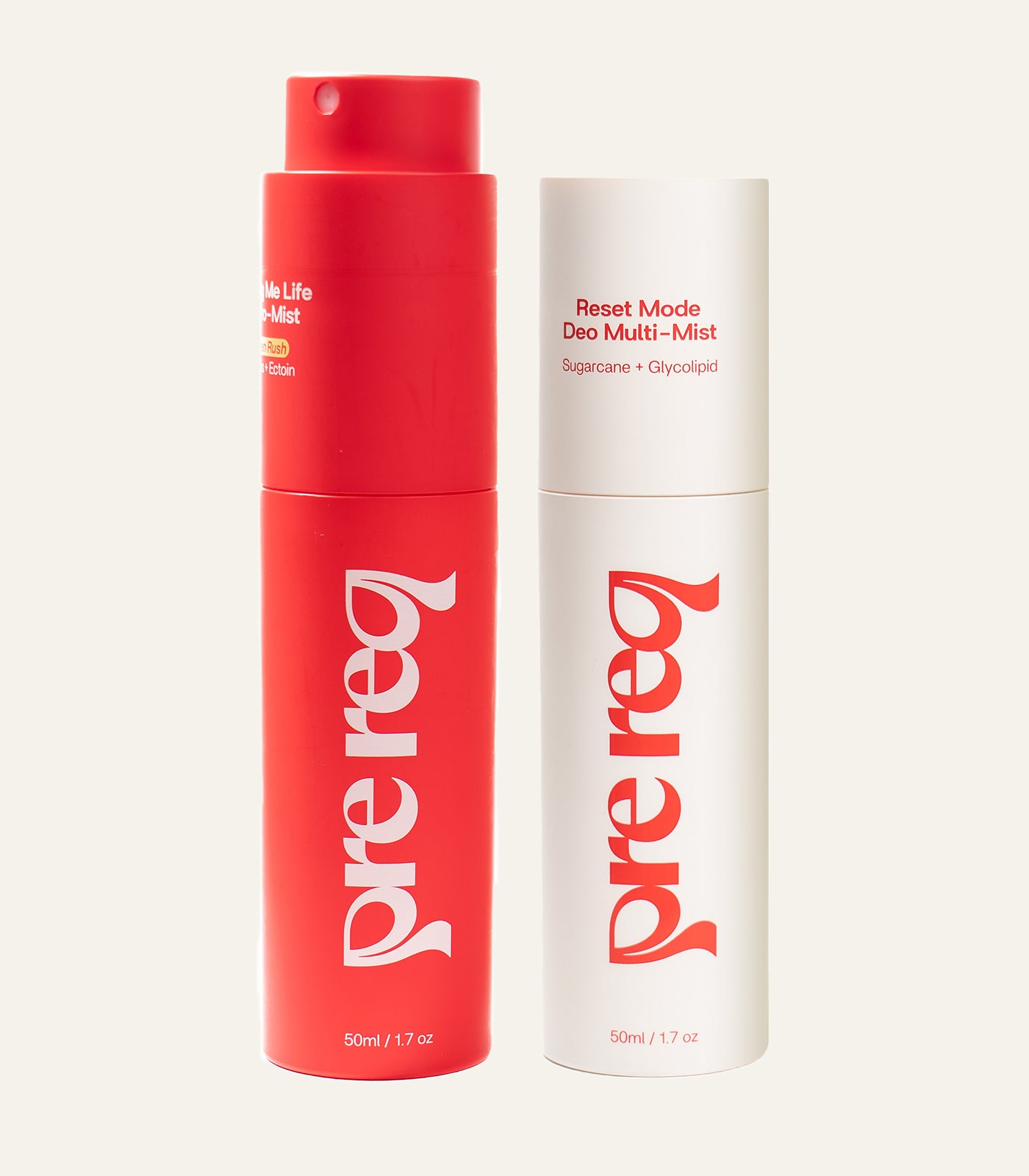
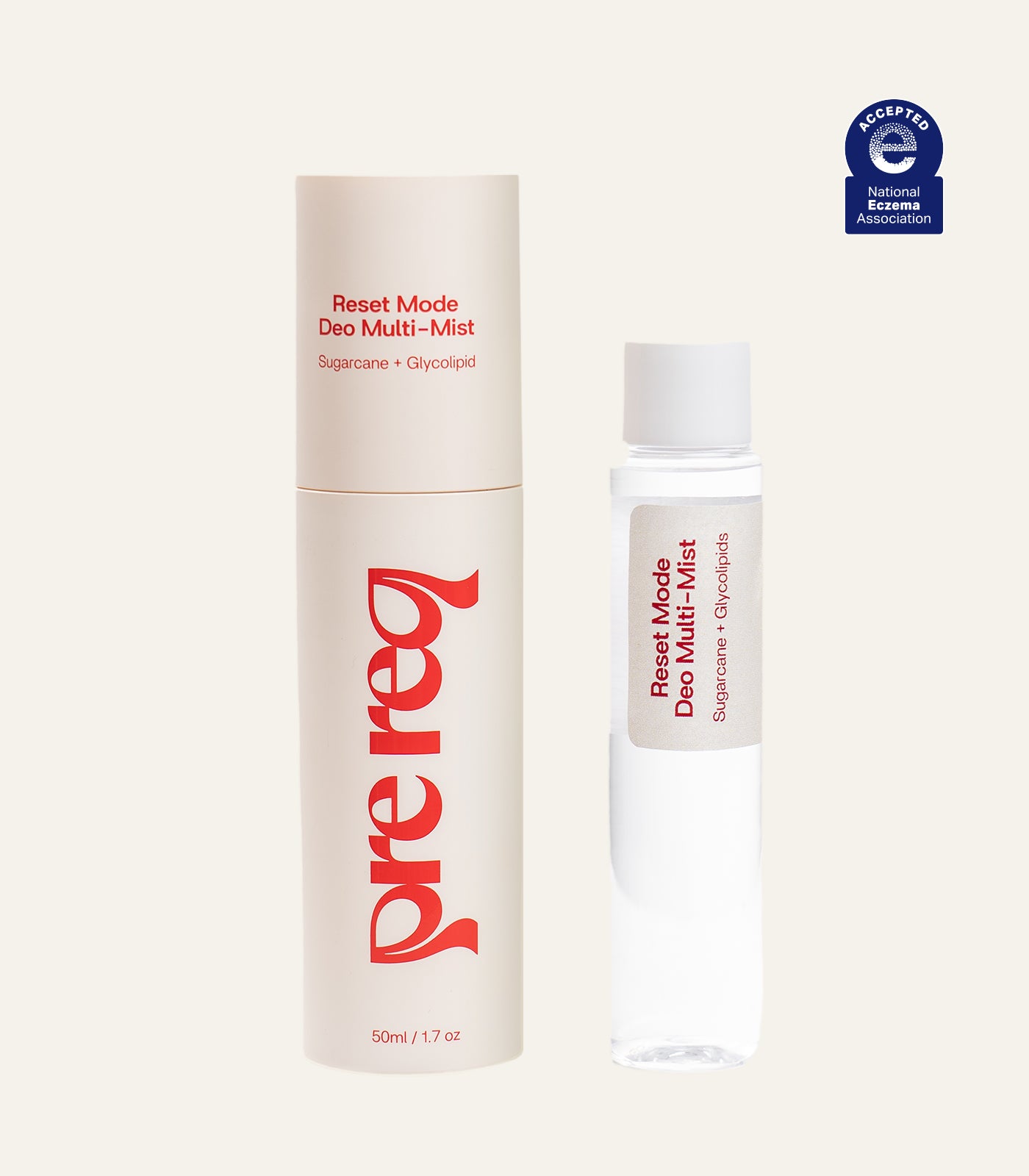
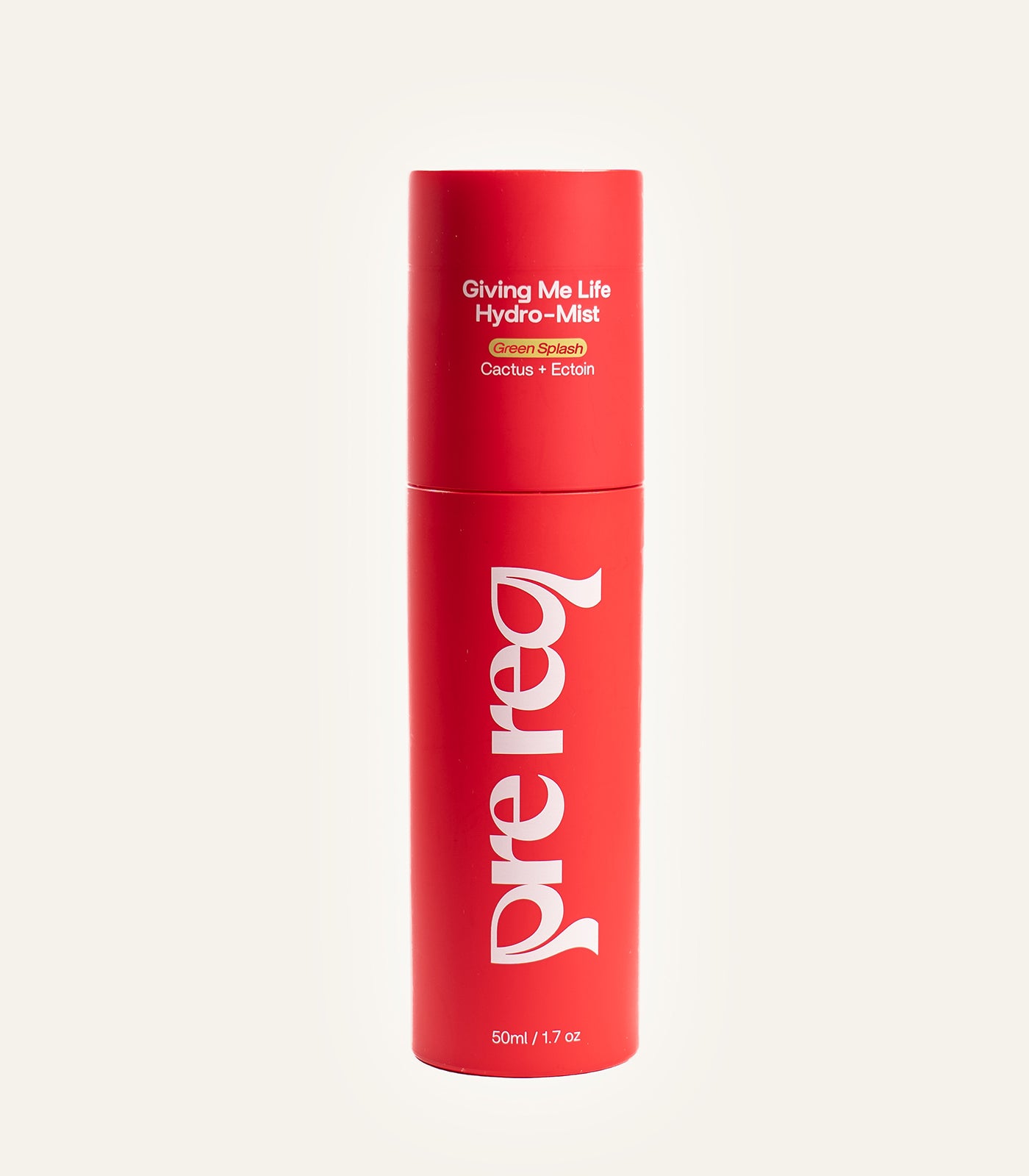
Recommended Products for Tweens & Teens
Support healthy hygiene and skincare habits with gentle, age-appropriate essentials designed for pre-teens and teens.
What Ingredients Should Tweens Avoid?
There are certain skincare products tweens should steer clear of entirely. Anti-aging products that contain retinol, strong vitamin C serums, chemical exfoliants like AHAs and BHAs in high concentrations, and products with synthetic fragrances are generally not appropriate for pre-teen skin. Many dermatologists also caution against products that contain parabens or phthalates, which are endocrine disruptors that can interfere with hormonal development during puberty.
When looking for the best tween skincare products, the label should say things like: dermatologist-tested, fragrance-free, non-comedogenic, and specifically formulated for young skin. Avoid products that contain a long list of active ingredients or that make anti-aging claims. Tween skin doesn't need anti-aging. It needs gentle, consistent care. The American Academy of Dermatology has a straightforward face-washing guide that's worth bookmarking.
How to Build a Consistent Routine That Actually Sticks?
Consistency matters more than the products themselves. A simple skincare routine done every day beats an elaborate one done twice a week. Here's how to help make it stick.
Start small. If your tween is currently doing nothing, the goal isn't a perfect three-step routine overnight. Start with washing their face at night. Just that one step, done every day, makes a real difference.
Put products somewhere visible. If the face wash is buried in a cabinet, it won't get used. A small set of tween skincare products on the bathroom counter serves as a visual reminder.
Don't turn it into a battle. If your tween resists, step back. Nagging rarely works and usually creates more resistance. Try again after a breakout naturally occurs or after they see a peer talking about skincare. Many teens and tweens become genuinely interested once the connection between clean skin and how they look and feel clicks for them.
Model the behavior. Tweens are watching what their parents do. If you have your own face wash and moisturizer routine, doing it alongside them normalizes the behavior in a way that no lecture can.
Frequently Asked Questions
At what age should tweens start washing their face?
Most dermatologists recommend starting a basic face-washing routine as early as age 8 or 9, when hormonal changes begin to affect the skin. At this stage, all that's needed is a gentle cleanser and water. A fuller routine with moisturizer and sunscreen can be added as they get older.
How many times a day should a tween wash their face?
Twice a day is ideal: once in the morning and once before bed. Washing more than twice can strip the skin of its natural oils and cause irritation. For tweens with sensitive or dry skin, once daily in the evening may be enough.
Can tweens use adult skincare products?
No, and dermatologists specifically caution against this. Teen skin is thinner and more absorbent than adult skin. Many adult skincare products contain active ingredients or endocrine-disrupting chemicals that aren't safe for developing skin. It's always best to use products specifically formulated for young skin or labeled for teens and tweens.
Does my tween need sunscreen every day, even in winter?
Yes. UV rays that damage skin and increase the risk of skin cancer are present year-round, even on cloudy days. The AAD recommends daily use of broad-spectrum SPF 30 or higher for all ages. Making sunscreen part of the morning routine early builds a lifelong habit.
What should I do if my tween's acne isn't getting better?
If a consistent, gentle cleanser and moisturizer routine isn't clearing things up after a few weeks, it may be time to see a dermatologist. A board-certified dermatologist can recommend prescription-strength treatments or targeted skincare products for acne-prone skin that are safe for young skin. Don't let your tween experiment with strong over-the-counter acne treatments without guidance, as some can cause skin irritation or disrupt the skin barrier.
Should tweens use toners or serums?
Generally, no. For most tweens, a cleanser, moisturizer, and sunscreen cover everything their skin needs. Toners and serums often contain active ingredients that can irritate developing skin. The goal at this age is a simple, consistent routine, not a complex one.
Ready to Build Better Skin Habits With Your Tween?
Getting your tween to wash their face isn't about convincing them to care about skincare. It's about showing them that clean, healthy skin is part of taking care of themselves, just as sleep, nutrition, and hygiene are.
Keep the routine simple. Three steps are enough. Choose products that are gentle, fragrance-free, and specifically formulated for young skin. And don't underestimate the power of just doing it alongside them. Tweens pick up on habits modeled by the people they trust, so doing it together goes further than any reminder or rule.
The habits they build now won't just prevent breakouts. They'll protect their skin health for decades. Starting a skincare routine early, before skin issues become a problem, is genuinely one of the best things you can do for your tween's long-term health.
If you're looking for tween skin care products that are derm-approved, hormone-safe, and co-created with real teens, explore the full Prereq Care lineup and find a simple routine your tween will actually want to use.

