A good skincare routine for teens is three steps: a gentle cleanser, a lightweight moisturizer, and a broad-spectrum SPF 30 every morning. That's the foundation. Everything else, adjustments for oily or dry skin, targeted treatments for acne-prone skin, and guidance for teen boys builds from there.
Social media makes teen skincare look like a 10-product project. It isn't. The teens who see the biggest improvement in their skin aren't using the most products. They're using the right ones, consistently. This guide covers exactly what teen skin needs, why it works, and what to skip.
Recommended Products for Tweens & Teens
Support healthy hygiene and skincare habits with gentle, age-appropriate essentials designed for pre-teens and teens.
Why Teen Skin Is Different and Why It Matters
Teen skin between the ages of 13 and 17 is in a specific biological window. It's not child skin anymore, but it's not adult skin either, and the difference matters when you're choosing products.
During puberty, androgen hormones signal the sebaceous glands to produce significantly more oil. This sebum production typically peaks between ages 15 and 17 in girls and 16 and 19 in boys. As oil increases, pores widen, dead skin cells accumulate faster, and the skin's microbiome shifts toward bacteria that cause breakouts. This is why acne is most common in the mid-to-late teen years, not in early puberty.
At the same time, the skin barrier, the outer layer that keeps moisture in and irritants out, is still maturing. Layering adult actives like high-concentration retinol or strong AHAs onto a barrier that's still developing doesn't speed up results. It disrupts the barrier and creates new problems: dryness, redness, and increased sensitivity.
Dr. Tiffany Libby, board-certified dermatologist and Prereq Care's Strategic Advisor, explains what this means in practice:
"The products are built around supporting the skin barrier first, with carefully selected ingredients that each serve a clear purpose. By keeping formulas gentle, effective, and microbiome-supporting, I can feel confident recommending them for teens and pre-teens."
The goal at this stage is to support what the skin is doing, not treat it like it's already damaged.
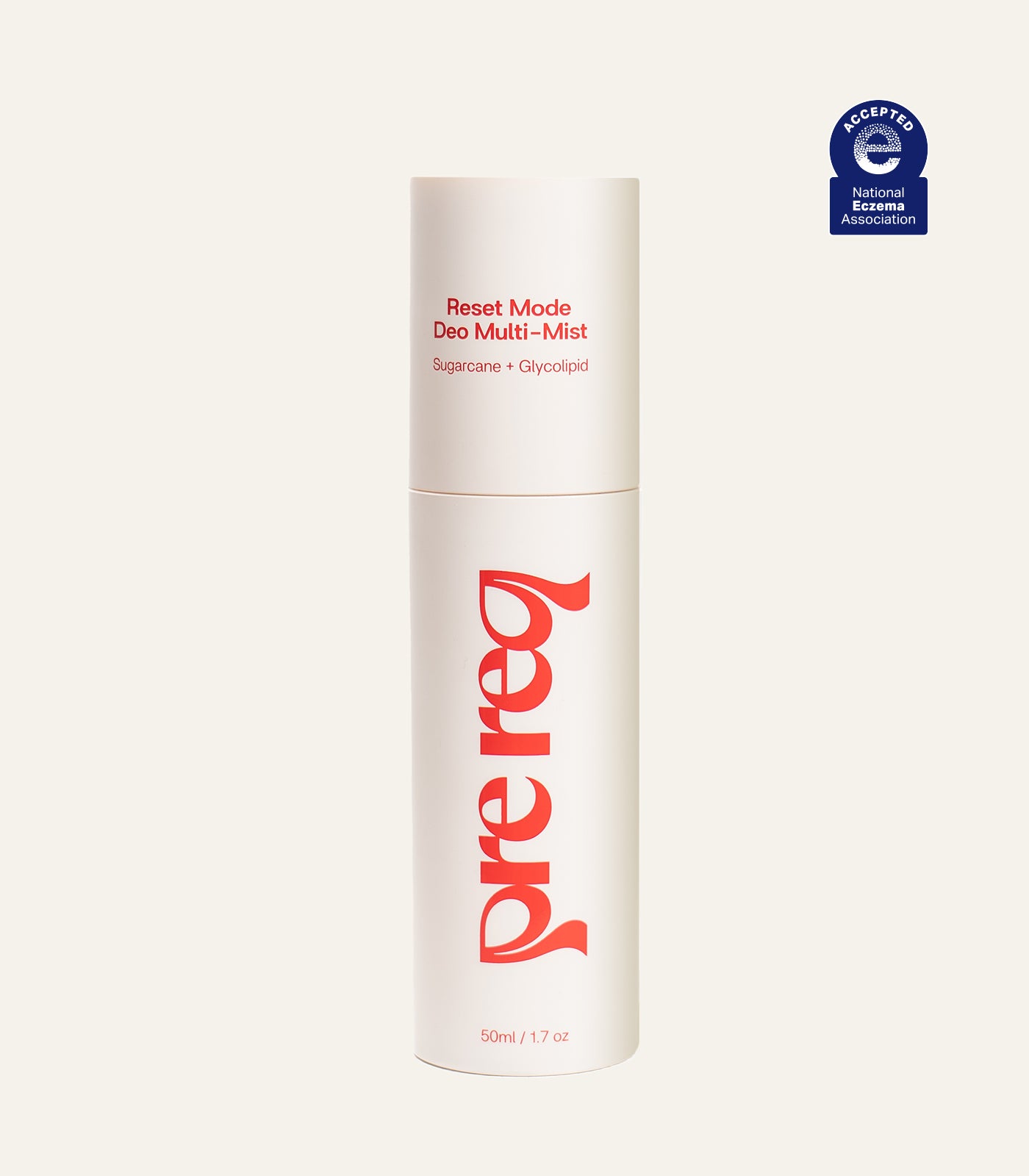
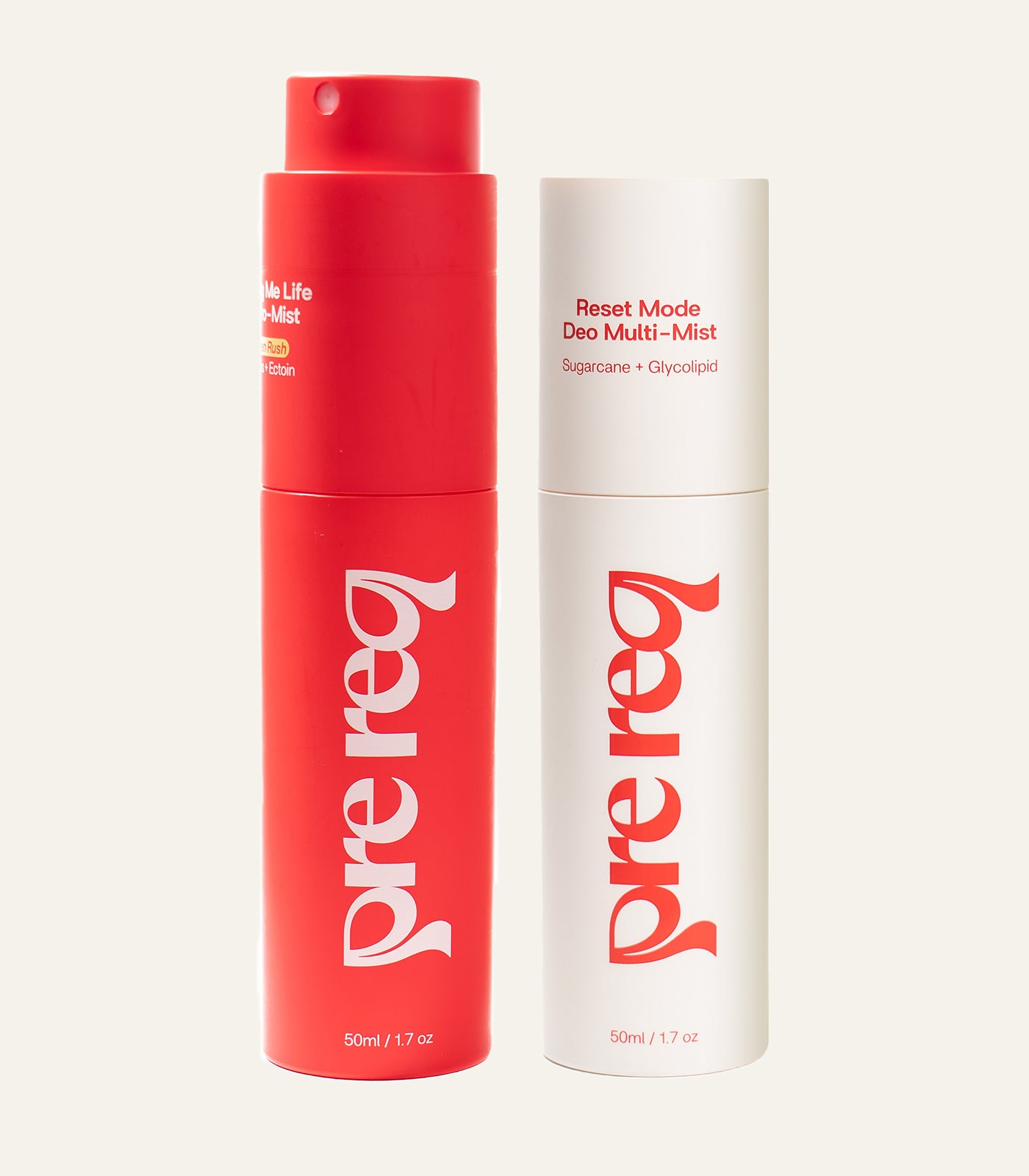
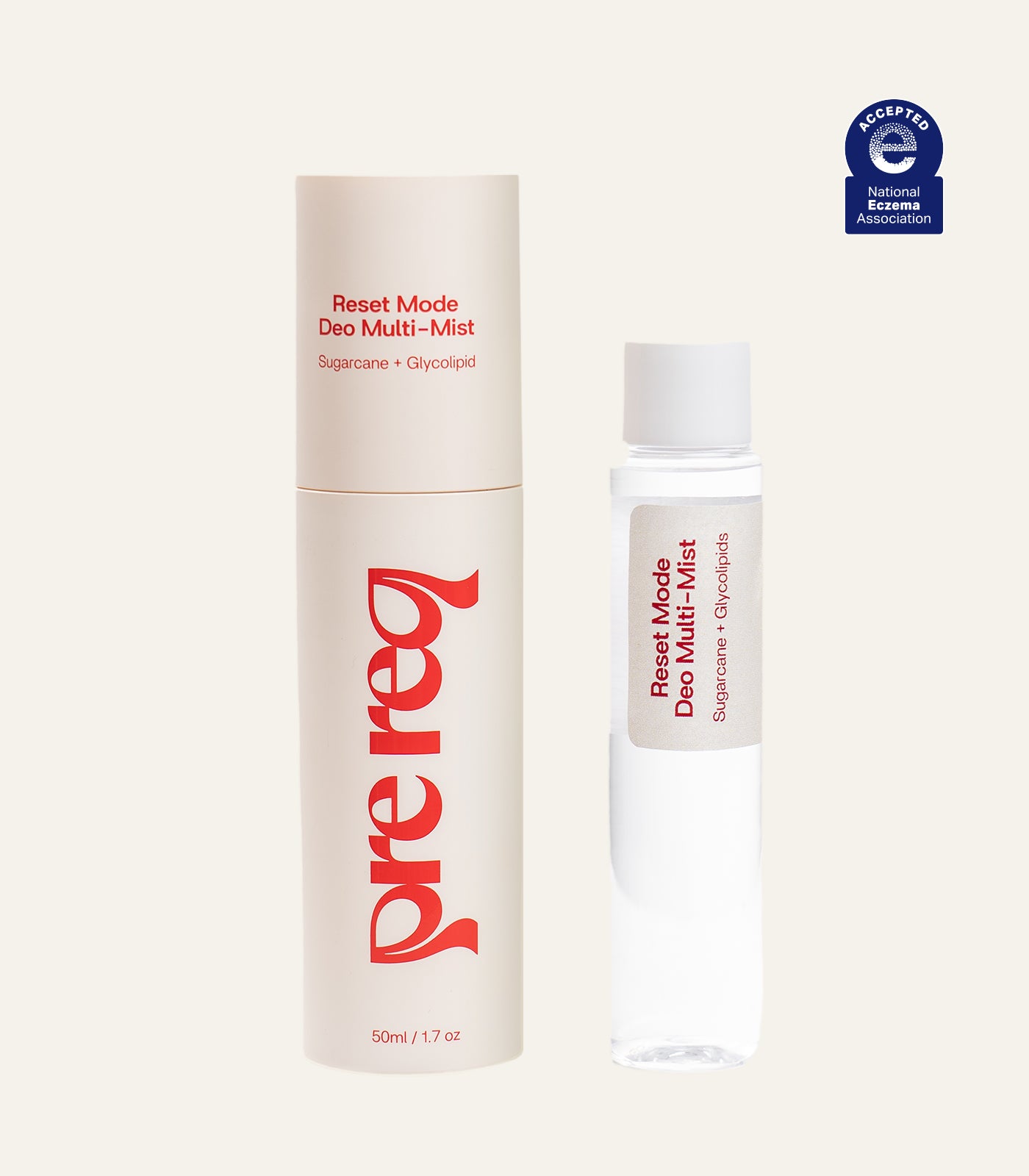
As part of a complete Teen Skincare Guide, choosing gentle personal care products is just as important as using the right cleanser or moisturizer. Healthy skincare isn't only about the face—it also includes safe hygiene products that protect developing skin. An aluminum-free deodorant like Reset Mode Deo Multi-Mist can help teens stay fresh while supporting their skin's natural balance without unnecessary harsh ingredients.
The 3-Step Teen Skincare Routine (AM and PM)
Consistency with three products will outperform any complicated routine used inconsistently. Here's what teen skin actually needs, and when.
Step 1 - Gentle Cleanser (AM and PM)
Teens benefit from washing their face twice daily, morning to clear overnight oil buildup, evening to remove sunscreen, sweat, and debris before it clogs pores. Look for a fragrance-free, pH-balanced formula that cleans without stripping the skin's natural oils. Teens with oily or acne-prone skin can use a low-concentration salicylic acid cleanser (0.5-1%); teens with dry or sensitive skin should stick to a plain hydrating formula with no active ingredients.
One common mistake: scrubbing hard or using hot water to feel "clean." Both strip natural oils and trigger more oil production in response. Lukewarm water, fingertips only.
Step 2 - Lightweight Moisturizer (AM and PM)
Skipping moisturizer because skin feels oily makes things worse. When the skin loses hydration without replacement, it overproduces oil to compensate; the result is skin that's both oily and dehydrated, and more prone to breakouts. Every skin type needs moisture, including oily and acne-prone.
Look for non-comedogenic, oil-free formulas. The ingredients that work best at this stage: hyaluronic acid (hydrates without heaviness), niacinamide (controls oil, reduces redness, minimizes pores), and ceramides (repair and reinforce the skin barrier). Gel or lightweight lotion textures absorb quickly without a greasy finish.
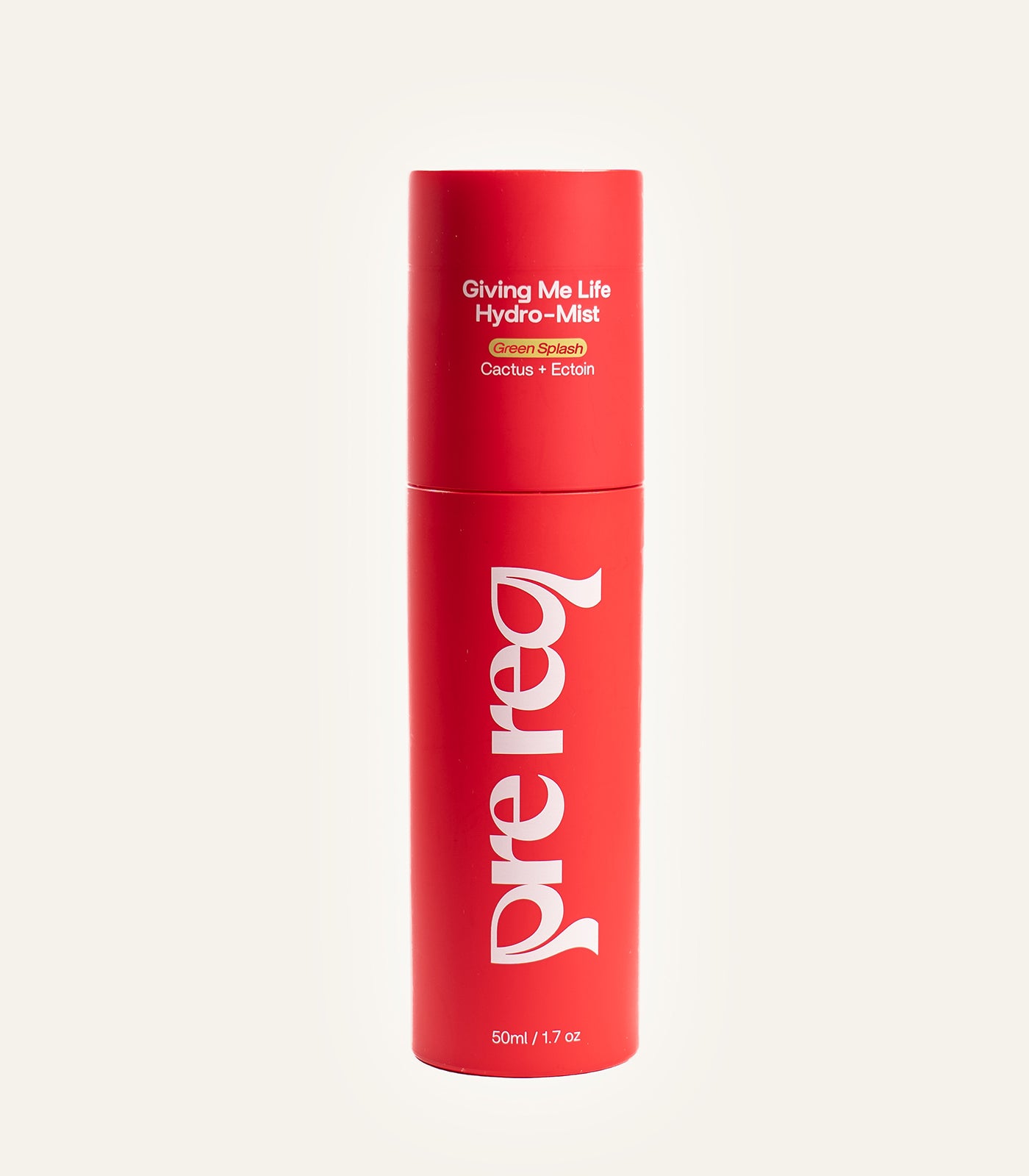
For active teens or on the go, Prereq's Giving Me Life Hydro-Mist is an easy mid-day option, a quick spritz after school, practice, or outdoor time keeps the skin balanced without adding another step to the morning routine.
Step 3 - Broad-Spectrum Sunscreen SPF 30+ (AM only)
Daily sunscreen is the highest-impact habit a teen can build. UV damage is cumulative and invisible while it's happening; it shows up years later as premature aging, dark spots, and increased skin cancer risk. Broad-spectrum SPF 30 minimum, every morning, including cloudy days and days mostly spent indoors. UV rays penetrate windows.
For teen skin, mineral sunscreens with zinc oxide are a better fit. They work at the skin's surface, are less likely to irritate acne-prone skin than chemical filters, and don't absorb into the body.
Skincare for Teens by Skin Type
The 3-step routine is the foundation for every skin type. What changes is which specific products you choose within each step.
|
Skin Type |
Cleanser |
Moisturizer |
Optional Add-On |
|
Oily |
Salicylic acid (0.5–1%) foaming cleanser |
Oil-free gel |
HOCl spray if breaking out |
|
Dry |
Gentle hydrating cleanser |
Ceramide-rich lotion or cream |
Skip all salicylic acid |
|
Combination |
Gentle foaming cleanser |
Lightweight lotion |
Niacinamide serum on oily zones only |
|
Sensitive |
Fragrance-free, minimal-ingredient cleanser |
Barrier-repair formula with ceramides |
Patch test every new product |
|
Acne-prone |
Salicylic acid cleanser |
Non-comedogenic gel |
Gentle spot treatment on active breakouts |
Oily skin skincare routine for teens: Oily teen skin is the most common type, and also the most mismanaged. The instinct is to cleanse aggressively and skip moisturizer. Both make it worse. Salicylic acid in the cleanser dissolves the oil and dead skin cells that clog pores. A lightweight, oil-free moisturizer with niacinamide then controls oil production at the source, so skin produces less of it over time. Skipping moisturizer triggers the opposite: the skin overproduces oil to compensate for the hydration it's losing.
Dry skin: Use a gentle hydrating cleanser with no stripping agents and no active ingredients. Add a ceramide-rich moisturizer morning and night. If skin feels tight after cleansing, the cleanser is too harsh; swap it out. Don't skip sunscreen; use a cream-formula SPF rather than a gel to avoid further drying.
Combination skin: The forehead, nose, and chin tend to be oily, while the cheeks are normal or dry. Use a gentle foaming cleanser across the whole face and apply a lightweight moisturizer everywhere. Niacinamide serum, applied only to the oily zones, helps balance production without over-drying the drier areas.
Sensitive skin: Fewer ingredients mean fewer possible reactions. Fragrance is the most common irritant in teen skincare; it hides under the word "fragrance" on ingredient labels and is responsible for most cases of contact irritation and redness. Stick to fragrance-free, short-ingredient-list formulas, and patch test anything new on the inside of the wrist before applying it to the face.
Teen Skincare for Boys vs. Girls: Is There a Difference?
The 3-step routine is the same regardless of gender. The differences are biological, not cosmetic, and they affect which products within that routine work best.
Teen boys: Sebum production in boys tends to peak later (between 16 and 19) and run higher overall than in girls. This means larger pores, persistently oilier skin, and acne that often continues into the late teens and early twenties. A cleanser with low-concentration salicylic acid is more commonly warranted. A matte-finish, oil-free moisturizer works better than a lotion. For active breakouts, a gentle HOCl spray is a lower-irritation starting point than benzoyl peroxide, which can cause significant dryness and barrier disruption if used without guidance.
Teen boys also tend to start skincare later than girls. The good news: anchoring the routine to something already automatic, right after a shower, alongside brushing teeth, makes it stick without much effort. A routine that takes under three minutes is a routine that actually gets done.
Teen girls: Puberty in girls typically starts earlier (ages 8 to 13), which means many of the skin changes that show up in the teen years, increased oil production, first breakouts, and visible pores may already be underway by the time they hit 13. In the teen years, oil production fluctuates with the menstrual cycle, which is why hormonal breakouts along the chin and jaw are more common in teen girls than boys. A consistent daily routine is the most effective thing to manage this, not spot-treating after breakouts appear, but keeping pores clear and the skin barrier supported so breakouts are less frequent to begin with.
If you're looking for a complete Skincare Routine for 12 Year Olds, our detailed guide explains the essential daily steps, the best gentle ingredients, and how to build healthy skincare habits that are appropriate for preteens.
As kids grow into their tween and teen years, body care becomes part of a broader healthy routine. A complete Teen Skincare Guide can help parents understand when to introduce gentle skincare products, build simple daily habits, and choose age appropriate ingredients that support healthy skin without unnecessary or harsh products.
How to Handle Common Teen Skin Problems
Most teen skin concerns fall into one of four categories. Here's what's causing each one and how to address it.
Breakouts and Acne-Prone Skin
Acne happens when excess oil and dead skin cells combine inside a pore, create a blockage, and bacteria cause the blockage to become inflamed. For most teens, a consistent 3-step routine with a salicylic acid cleanser and a non-comedogenic moisturizer clears mild to moderate breakouts within six to eight weeks.
For active pimples, a gentle spot treatment with low-concentration salicylic acid or a hypochlorous acid (HOCl) spray reduces inflammation without the dryness and irritation that come from stronger treatments. Avoid picking; it pushes bacteria deeper, extends healing time, and significantly increases the risk of scarring.
If breakouts are cystic (deep, painful lumps under the skin), or if skin hasn't improved after eight weeks of a consistent routine, consult a dermatologist. At that point, prescription-strength treatment is more appropriate than over-the-counter products.
If you're looking for specific product guidance, see our full breakdown of the best skincare for acne-prone teen skin.
Excess Oil and Shiny Skin
Over-washing in response to oiliness makes the problem worse, not better; the skin strips, then overproduces oil to compensate. Wash twice daily only, use blotting papers mid-day if needed, and include niacinamide in the moisturizer step. Niacinamide actively reduces oil production over time rather than just masking it. A matte-finish mineral sunscreen also helps cut shine in the morning without any additional products.
Dry or Tight Skin
Dry teenage skin is usually caused by over-cleansing or using the wrong cleanser, bar soaps, products with alcohol, or harsh sulfate-heavy formulas. As part of a Teen Skincare Guide, it's important to choose products that support the skin barrier instead of stripping away natural moisture. Swap to a hydrating cleanser with no stripping agents and look for a moisturizer with both ceramides and hyaluronic acid. Don't skip sunscreen when skin is dry; just choose a cream-formula SPF instead of a gel.
Sensitive or Reactive Skin
Sensitivity in teen skin often comes down to too many products or products with fragrance. Simplify to the 3-step routine, eliminate anything with synthetic fragrance, and patch test before introducing anything new. If redness, flaking, or irritation persists despite a simple routine, consult a dermatologist. Conditions like eczema and rosacea can first present during the teen years and need different management from standard acne.
What to Skip: Skincare That Isn't Right for Teen Skin
Social media consistently pushes adult actives at teen skin. Most of them are unnecessary at this stage, and some cause real harm to a skin barrier that's still developing.
|
Ingredient or Product |
Why Skip It |
|
High-concentration retinol/retinoids |
Disrupts the still-developing skin barrier; causes dryness and peeling without appropriate benefit at this stage |
|
Glycolic acid / AHAs |
Thins the skin barrier unnecessarily; salicylic acid does the job more gently for teen skin |
|
Benzoyl peroxide as a first step |
Very drying and disruptive to the skin microbiome; worth considering only under a dermatologist's guidance for persistent acne |
|
Synthetic fragrance |
The leading cause of contact irritation in teens, listed only as "fragrance" on ingredient labels |
|
10-step routines |
Layering too many products dramatically increases the chance of barrier disruption and irritation |
|
Anti-aging, brightening, or firming products |
Formulated for adult skin concerns, the actives are too strong for teenage skin |
For a full breakdown of the ingredients Prereq Care leaves out of every formula, see the Self Care 101 page.
Building a Routine That Actually Sticks
The best teen skincare routine is the one that actually gets used every day. A few things make consistency significantly easier:
Keep everything in one place. Products stored together next to the toothbrush are the most reliable spot and get used more consistently than products spread across a bathroom or a bedroom.
Keep it short. The full morning routine (cleanser, moisturizer, sunscreen) takes under two minutes. The evening routine (cleanser, moisturizer) takes under ninety seconds. Framing it that way matters, especially for teens who aren't yet motivated by skincare for its own sake.
Start with three products, not eight. Buying a full skincare lineup at once almost always leads to overuse, layering problems, or simply giving up because it feels like too much. Build the 3-step foundation first. Add a spot treatment or a targeted serum only if a specific problem persists after six to eight weeks of consistency.
If your teen is also navigating body changes that come with puberty, including body odor, our guide on when kids should start using deodorant covers that transition with the same dermatologist-backed approach.
When to See a Dermatologist
Most teen skin concerns respond to a consistent, age-appropriate routine within six to eight weeks. See a board-certified dermatologist if:
-
Acne is cystic or nodular, deep, painful lumps under the skin surface
-
Breakouts are leaving dark spots or pitted scars
-
Skin is excessively red, reactive, or flaking despite a simple routine
-
Nothing has improved after eight weeks of daily consistency
Early intervention prevents long-term damage. A single dermatologist appointment can identify whether a skin concern needs prescription treatment or just a better product match, and it saves months of guessing.
Teen Skincare Questions Answered
What should a 14-year-old's skincare routine be?
A 14-year-old's skincare routine should be three steps: a gentle or salicylic acid cleanser, a lightweight non-comedogenic moisturizer, and a mineral SPF 30 or higher every morning. At 14, oil production is usually well underway; a salicylic acid cleanser (0.5–1%) helps manage it without over-stripping the skin.
What is a good skincare routine for teenagers?
A good skincare routine for teenagers is cleanser, moisturizer, and SPF, used daily. These three products, matched to the teen's skin type, address the most common teen skin concerns: oiliness, clogged pores, breakouts, and long-term sun protection. Consistency with the basics outperforms any complicated routine used occasionally.
What is the best skincare routine for a teenager?
The best teen skincare routine is the simplest one the teen will actually follow every day. That means a fragrance-free cleanser appropriate for their skin type, a lightweight non-comedogenic moisturizer, and a broad-spectrum mineral sunscreen. No unnecessary activities, no 10 steps.
What is the 4-2-4 cleansing rule in skincare?
The 4-2-4 method is a Korean skincare technique involving four minutes of oil cleansing, two minutes with a foaming cleanser, and four minutes of rinsing. It was developed for adults wearing full-coverage makeup or heavy sunscreen. It is not appropriate or necessary for teen skin, and the extended cleansing time is more likely to strip the skin barrier than improve it.
Part of a Healthy Teen Skincare Guide
A complete Teen Skincare Guide goes beyond cleansers and moisturizers. As tweens and teens begin puberty, daily hygiene becomes an important part of caring for their skin. Choosing gentle products that support the skin's natural barrier, including an aluminum-free deodorant, can help prevent irritation while keeping body odor under control. Building simple habits with skin-friendly products early can make it easier for teens to maintain healthy, confident skincare routines as they grow.
Start Simple, Stay Consistent
The right teen skincare routine isn't the most expensive one or the one with the most steps. It's three things used every single day: a cleanser matched to your skin type, a moisturizer that protects the skin barrier, and a sunscreen that actually gets applied.
At Prereq Care, every formula is built specifically for young skin, with no unnecessary actives, no synthetic fragrance, and no ingredients that teen and tween skin isn't ready for. If you're ready to build the foundation, explore the full collection and start with the basics.