

Choosing a safe, skin-friendly kids' body spray comes down to three things: low fragrance concentration, a clean ingredient list, and a formulation made specifically for children, not just a repackaged adult product.
Most body sprays on store shelves are made for adults. Children's skin is thinner, absorbs more, and reacts faster to harsh chemicals than adult skin does. That means the ingredient list on a kids' product matters more, not less.
This guide covers what to look for on a label, which ingredients to avoid, the right age to start, and how to apply it correctly.
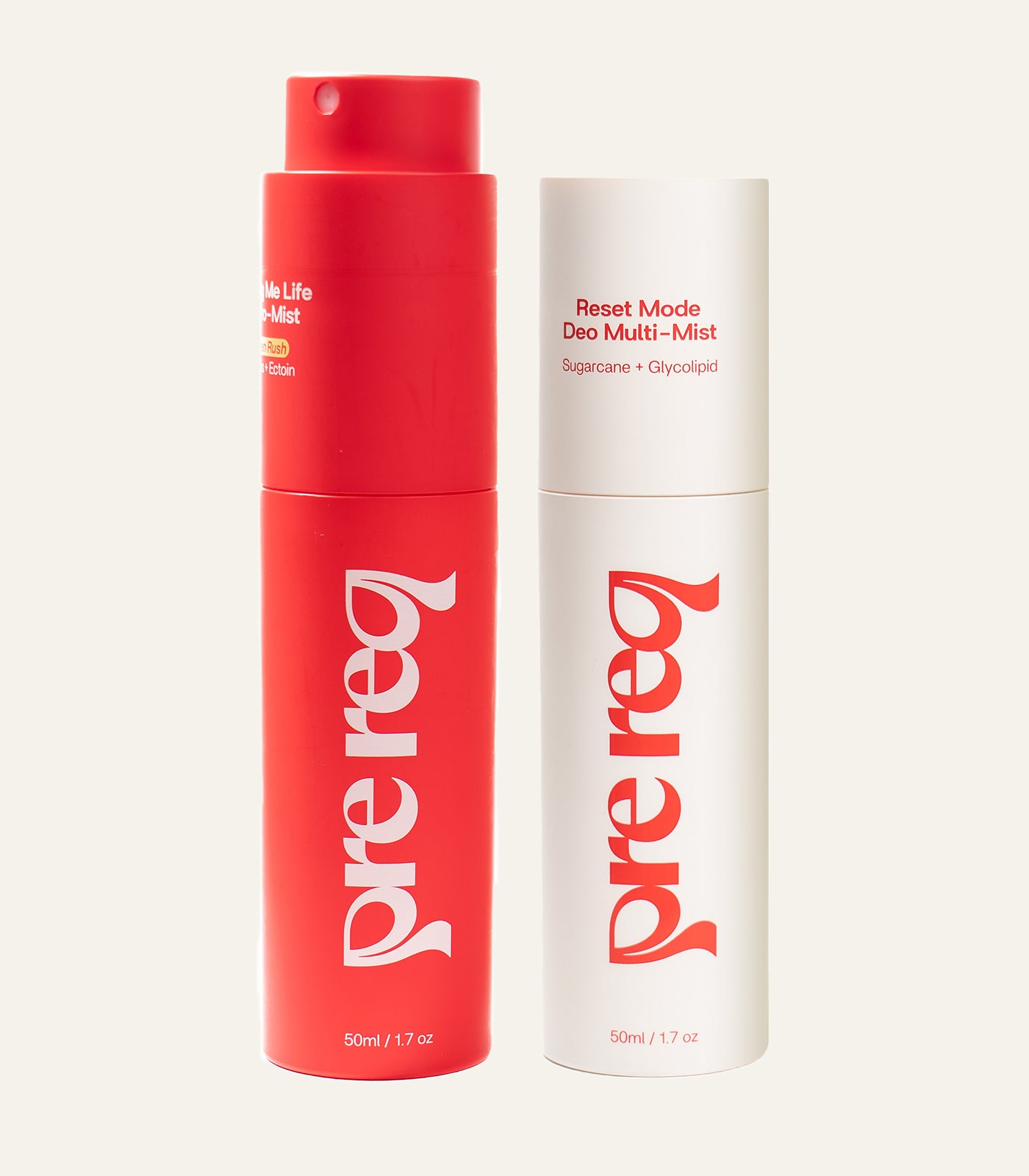
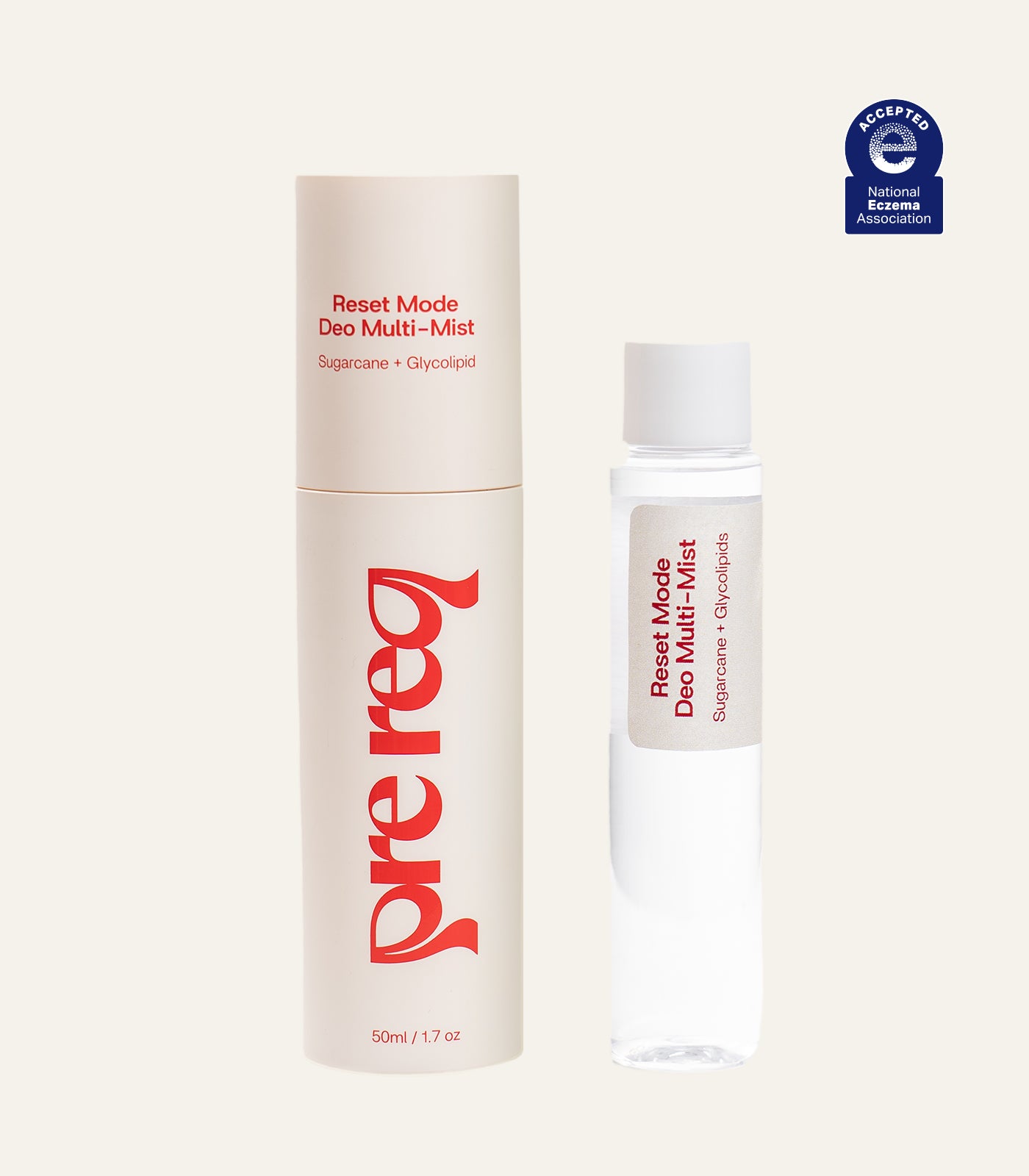
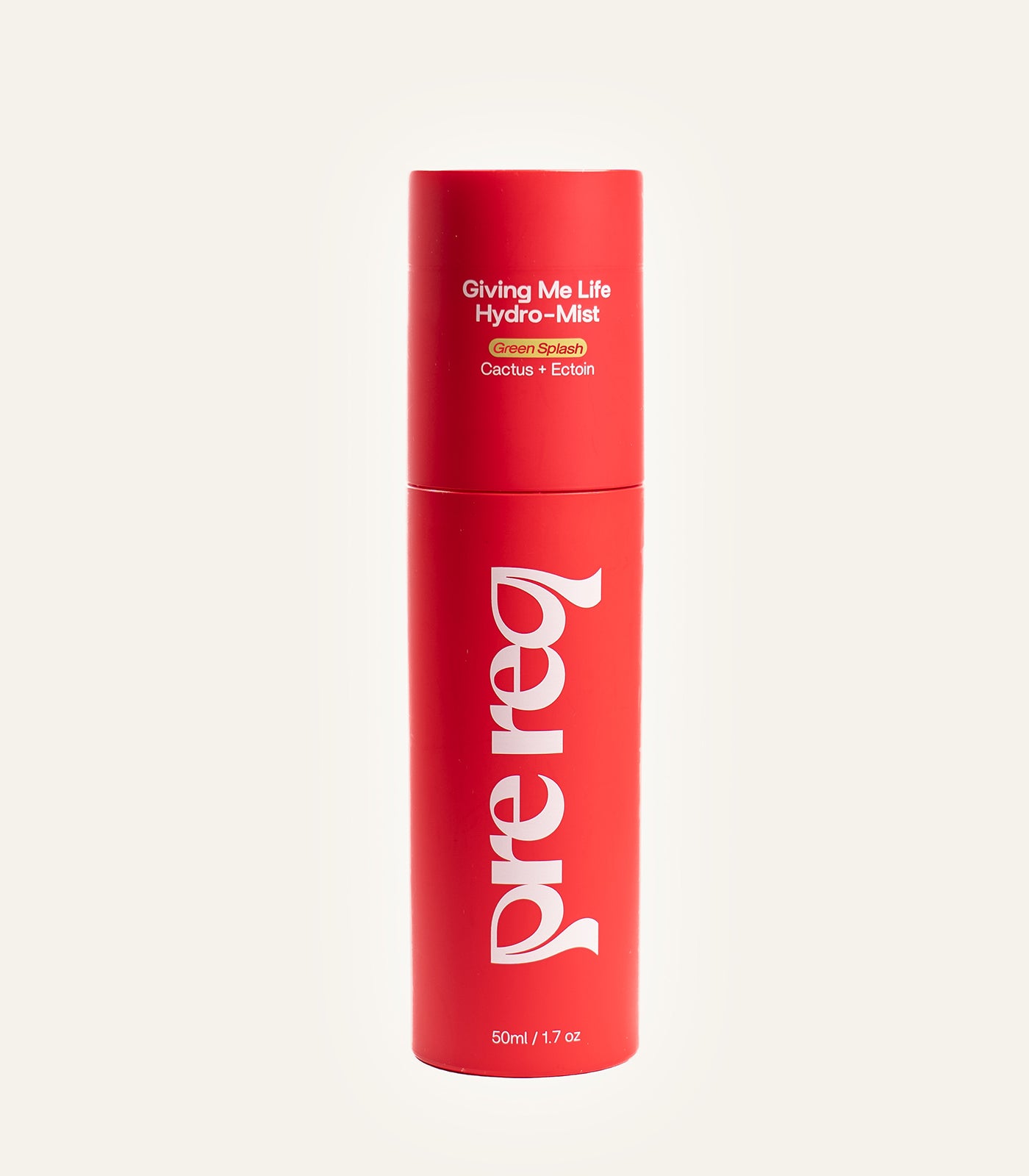
Recommended Products for Tweens & Teens
Support healthy hygiene and skincare habits with gentle, age-appropriate essentials designed for pre-teens and teens.
Key Takeaways:
|
Your Question |
Short Answer |
|
Is body spray safe for kids? |
Yes, if it's made for kids and free from harsh chemicals |
|
Around age 8 for occasional use; daily use is fine for tweens 11+ |
|
|
What should I avoid? |
Phthalates, parabens, high alcohol, synthetic dyes, and unlisted "fragrance." |
|
Body spray or perfume, which is safer? |
Body spray, because the fragrance concentration is much lower |
|
My kid has body odor, will body spray fix it? |
No. Body odor needs a deodorant, not a fragrance product |
What Makes a Body Spray Safe for Kids?
A kid's body spray is safe when it uses gentle, clearly labeled ingredients at a low concentration.
Adult perfumes contain 15 to 20% fragrance oils. Body sprays and body mists sit at just 1 to 3%. That difference matters a lot when the product is going on a child's skin. Children's skin absorbs more than adult skin does; it's thinner, still maturing, and more permeable, which means ingredients get in more easily and in higher amounts relative to body size.
The American Academy of Dermatology has noted that common fragrances are among the top allergens causing contact dermatitis in children, affecting roughly 1 in 5 kids.
Then there's the "fragrance" problem. When a label just says "fragrance" or "parfum," that single word can hide dozens of individual chemicals.
The American Academy of Pediatrics recommends that parents check labels and choose products that don't contain phthalates, parabens, or synthetic fragrances, because that single ingredient entry gives you no real information about what your child is actually being exposed to.
A good kids' body spray label will show all of these clearly. If any are missing, move on:
-
Phthalate-free
-
Paraben-free
-
Hypoallergenic and dermatologist-tested
-
Alcohol-free or very low alcohol content
-
Natural fragrance sources named specifically, like lavender, citrus, or vanilla
Which Ingredients Should You Avoid in Kids' Body Spray?
Three ingredient categories are worth knowing about before you buy anything for your child.
Phthalates (DBP, DEP) are added to fragrances to make the scent last longer. They're found in perfumes, body sprays, and scented lotions. The problem is that phthalates are endocrine disruptors, meaning they can interfere with the body's hormonal systems.
Kids are especially vulnerable during developmental years. They're often hidden under the blanket term "fragrance" on a label, so the only reliable way to avoid them is to buy products that explicitly say phthalate-free.
Parabens (like methylparaben and propylparaben) are preservatives. A 2025 study published in Nature found that paraben exposure in children is widespread and linked to the use of personal care products, with lotion use identified as a strong predictor of exposure.
Parabens are easy to avoid now; most kids' products clearly label themselves paraben-free.
Alcohol in high concentrations dries out skin and can irritate children's more sensitive skin barrier. Some alcohol is fine in light amounts, but it shouldn't be the first or second ingredient on the list. Alcohol-free options exist and are worth choosing when available.
Other things to skip: synthetic dyes (unnecessary in a fragrance product and a potential irritant), and any product that just says "fragrance" or "parfum" without naming what's inside it. The AAP specifically advises families to choose fragrance-free products or those without strong scents when in doubt.
Body Spray vs. Perfume vs. Deodorant Spray - What's the Difference?
These three products do different jobs, and it helps to understand which one your child actually needs.
|
Product |
Fragrance Concentration |
Purpose |
Right for Kids? |
|
Perfume (Eau de Parfum) |
15–20% |
Cosmetic scent |
No, too concentrated |
|
Eau de toilette |
5–15% |
Cosmetic scent |
Not recommended |
|
Body Spray / Body Mist |
1–3% |
Light cosmetic scent |
Yes, if formulated for kids |
|
Deodorant Spray |
Minimal to none |
Odor control |
Yes, different purpose |
Here's the part many parents miss: body spray is a cosmetic product. It makes your child smell nice. It doesn't address body odor. If your child has started to smell differently after school or sports, that's a hygiene issue, not a fragrance one. Spraying perfume on top of body odor doesn't remove the smell; it just layers over it.
Body odor in kids typically begins as early as age 8 or 9, according to the American Academy of Pediatrics, because of increased activity in the apocrine sweat glands at the start of puberty.
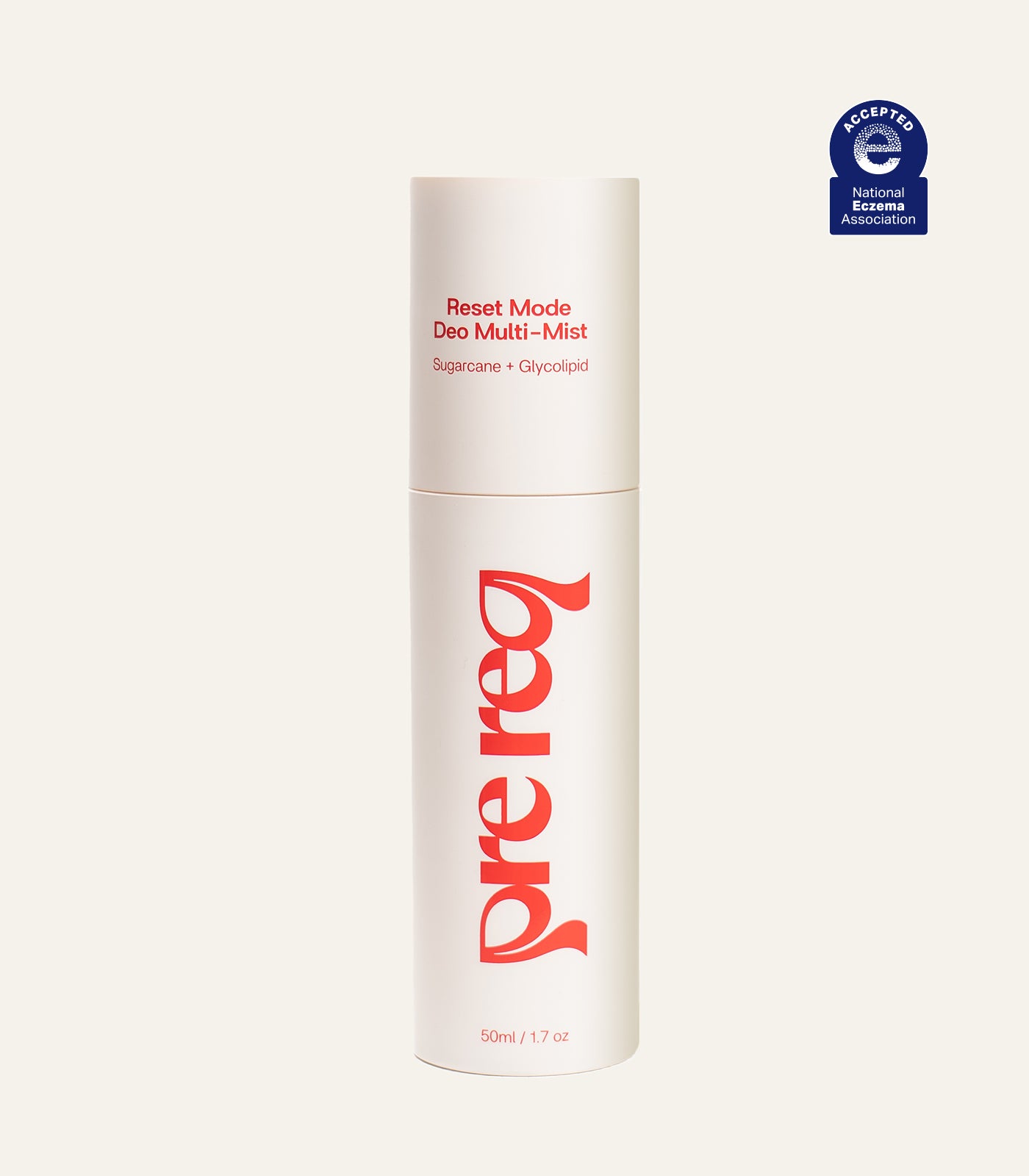
When that happens, what your child actually needs is a deodorant, something like Reset Mode Deo Multi Mist, which is built for kids and tweens and handles odor without the heavy fragrance of a perfume product.
Body spray and deodorant can be used together; they just serve different purposes. Deodorant handles the hygiene. Body spray adds a light, pleasant scent on top.
What Age Is Right for Kids' Body Spray?
There's no strict rule, but here's a practical breakdown by age.
Under 8
Most children this age don't have body odor yet and don't need any fragrance product. Their skin is still developing and more reactive. If there's a special occasion, one very light spray on clothing (not skin) is fine occasionally, but it's not something they need as a regular habit.
Ages 8 to 10
This is when puberty can start for some kids, especially girls. If your child has started developing body odor, address it with a gentle deodorant first. A skin-friendly body spray made specifically for kids is fine for special occasions, birthday parties, school events, and family gatherings. Keep it to one spray on clothing, not directly on skin.
Ages 11 to 13 (tweens)
Daily use of a light, clean body spray is appropriate if your child wants it. Tweens are social and self-aware, and it matters to them how they smell. The key is still choosing a gentle formulation designed for their age and skin, not an adult product.
Some tweens also prefer something that does double duty for their skin. The Giving Me Life Hydro Mist is a hydrating face mist made for teens and tweens, and it's lighter than any fragrance product. Deodorant still handles the odor; body spray or a hydrating mist is the layer on top.
Ages 14 and up
Teens can move toward lighter adult options if the formulation is clean. Phthalate-free, paraben-free, and clearly labeled still matter. Lighter scents are still the right call.
One note for parents of boys: body spray is not just for girls. Boys who want to smell fresh after sports or school deserve the same options, with the same safety standards. Fresh, citrus, and clean scents work just as well. The ingredient checklist doesn't change.
How to Read a Kid's Body Spray Label?
Three things to check before buying:
Full ingredient list: If it's not there, don't buy it. No list means no way to know what's actually in it.
Free-from claims: Phthalate-free, paraben-free, alcohol-free, and hypoallergenic are what actually matter. "Dermatologist-tested" is a useful bonus. "Natural" alone means nothing; some essential oils are irritants at higher concentrations. Named ingredients are what count.
What the fragrance actually is: "Lavender extract" or "citrus oil" tells you something. "Fragrance" tells you nothing.
|
Look For This |
Avoid This |
|
Phthalate-free and paraben-free stated clearly |
"Fragrance" or "parfum" with no detail |
|
Full ingredient list visible |
No ingredient list at all |
|
Alcohol-free or very low alcohol |
Alcohol is listed near the top |
|
Natural fragrance sources named (lavender, citrus, vanilla) |
Synthetic dyes listed |
|
Hypoallergenic, dermatologist-tested |
"Natural" with no ingredient detail |
Always do a patch test with any new product. Apply a small amount to the inner forearm, wait 24 hours, and check for redness, itching, or irritation. This applies even to products labeled hypoallergenic; every child's skin reacts differently.
How to Apply Body Spray Safely on Kids?
Less is more. This is the single most important rule.
Where to spray: On clothing, not directly on skin. Spraying on fabric reduces direct skin contact with fragrance chemicals and is enough to produce a light, pleasant scent. Never spray toward the face, near the eyes, mouth, or nose.
How much: One or two sprays are enough. The goal is subtle. If you can smell it strongly from across the room, that's too much, and it's more likely to irritate other people or trigger sensitivities in classmates.
How to spray: Hold the bottle about 6 to 8 inches away. Spray briefly, not in a long continuous press. Do it in a ventilated room, not in a small bathroom or a closed car.
What to avoid: Don't apply right before heading out into strong sunlight. Some fragrance ingredients can increase photosensitivity. Also, avoid applying to broken or irritated skin.
Teaching your child these habits early is worth it. It becomes part of a healthy self-care routine, and it teaches them to be considerate of people around them who might have fragrance sensitivities. Some schools have fragrance-free policies, so it's worth checking before sending kids off with body spray in their bags.
Frequently Asked Questions
Can a 10-year-old wear body spray?
Yes, with the right product. A gentle, skin-friendly body spray made specifically for kids is fine for occasional use at age 10. Choose alcohol-free, phthalate-free options and apply one spray on clothing, not directly on skin. If body odor is the concern, a kid's deodorant is a better starting point.
What's the difference between kids body spray and kids perfume?
Body spray contains around 1 to 3% fragrance oil. Perfume sits at 15 to 20%. For a child's skin, that gap matters; lower concentration means less exposure to fragrance chemicals, a lighter scent, and less risk of irritation. Body spray fades faster, too, which is actually a benefit. Less time on the skin means less cumulative exposure throughout the day.
Is it okay to use adult body spray on kids?
No, it's not recommended. Adult body sprays are formulated for adult skin and typically contain higher fragrance concentrations, more alcohol, and other ingredients that can irritate children's more permeable, sensitive skin. A product made specifically for kids is always the better option.
What scents are safest for kids?
Light, simple scents work best. Lavender, citrus, vanilla, and fresh floral notes tend to be well-tolerated on young skin. That said, the scent type matters less than the ingredient quality. Whatever the fragrance, it should be phthalate-free, paraben-free, and fully disclosed on the label.
Can a child with eczema use body spray?
If your child has eczema or any other skin condition, consult your pediatrician or dermatologist before using any fragrance product, even one labeled hypoallergenic. Fragrance is one of the most common triggers for eczema flares. Fragrance-free products are usually the safest route for kids with sensitive or reactive skin.
What to Remember Before You Buy
Kids can use body spray safely. The product just has to be made for them.
Look for clean, disclosed ingredients, phthalate-free, paraben-free, and without the catch-all "fragrance" on the label. Apply it sparingly on clothing, not on skin, and in a ventilated space. If body odor is what's prompting the question, a kids' deodorant handles that job; body spray is the light, fun addition on top.
Letting your child smell nice doesn't have to mean exposing them to unnecessary chemicals. The right product makes both things possible.

