


Pimples at ages 9 to 13 are common, and most first breakouts are mild enough to manage at home with gentle, consistent care. Androgens, the hormones that rise during this stage, make the skin's oil glands more active, which can clog pores and produce small whiteheads and blackheads. The more useful question for most parents is not whether a pimple is normal but when it needs professional care. This guide covers what's typical at each age, what helps, and the signs that call for a doctor.
What Counts as a First Pimple at Ages 9 to 13
Acne can begin before the teen years. The change often starts with adrenarche, when the adrenal glands begin producing androgens, typically around age 8. These hormones stimulate the sebaceous glands and cause dead skin cells to stick together inside pores, which is how a clogged pore forms.
Early breakouts usually look like blackheads and whiteheads, most often on the nose and central cheeks, where oil glands are concentrated. Small red bumps can appear too. Dermatologists now see acne in children as young as seven, and treating acne early can help prevent breakouts later on. A few spots at this age are typical. Breakouts that keep coming back or spread to new areas call for a closer look.
First Pimples by Age
Every child develops at a different pace, so these ranges are a guide rather than a timeline.
|
Age |
What is typical |
What to watch for |
|
9 to 10 |
A few blackheads or a single bump, often with the first oily shine on the forehead or nose |
Pimples that keep returning or leave marks |
|
11 |
More regular breakouts on the forehead, nose, and cheeks |
Pimples spreading to the jaw or other areas |
|
12 to 13 |
More inflamed pimples and a wider spread as puberty progresses |
Deep, painful bumps or scarring |
Girls often notice these changes a little earlier than boys. Once you notice the first changes, a skincare routine by age helps you match care to where your child is developing.
Why First Pimples Start Before the Teen Years
Puberty doesn't begin with one visible change. Adrenarche starts first, and the androgens it releases keep rising through the teen years. Early adrenarche can begin around ages 6 to 7 in girls and 7 to 8 in boys, and it can start earlier in children with a higher body mass index. Androgens drive both the extra oil and the cell buildup inside pores. The longer hormone timeline behind these changes is part of how puberty affects skin through the teen years.
Pediatric acne guidelines, published in 2013 with endorsement from the American Academy of Pediatrics, reflect the same approach: dermatologists favor simple, once-daily treatment routines for preadolescent acne because they improve follow-through. That's why gentle home care is the first step for most families.
When First Pimples Need a Doctor's Visit
Most first pimples are mild. These signs mean it's time to book a visit with a pediatrician or dermatologist, and pediatric dermatologists at Riley Children's Health explain when to take your child to a dermatologist:
-
Boys who develop acne along with other early puberty signs before age 9 should see a doctor, since this can point to a problem with the pituitary or adrenal glands.
-
Girls with stubborn acne along with weight gain or excess facial hair should be checked for polycystic ovary syndrome.
-
Deep, painful, or cyst-like bumps develop, since severe acne can cause permanent scarring if left untreated.
-
Pimples spread to the chest or back.
-
Pits, scars, or dark marks remain after pimples clear.
-
There's no clear improvement after a month or two of consistent gentle care.
-
Pimples cause distress, teasing, or avoidance of school or friends.
A pediatrician or dermatologist can confirm the diagnosis and recommend treatment suited to your child's age. Ask before starting any acne product, since many contain ingredients that can irritate young skin.
What Helps First Pimples at Home
Simple, consistent habits do more for first pimples than a long list of products.
Clean Gently Morning and Night
American Academy of Dermatology expert advice recommends washing twice a day with a gentle, non-irritating, pH-balanced cleanser. Choose a fragrance-free face wash for kids with pimples. Lather lightly, rinse with lukewarm water, and pat the skin dry. Harsh scrubbing can irritate skin, so skip it.
Keep Skin Balanced With a Light Moisturizer
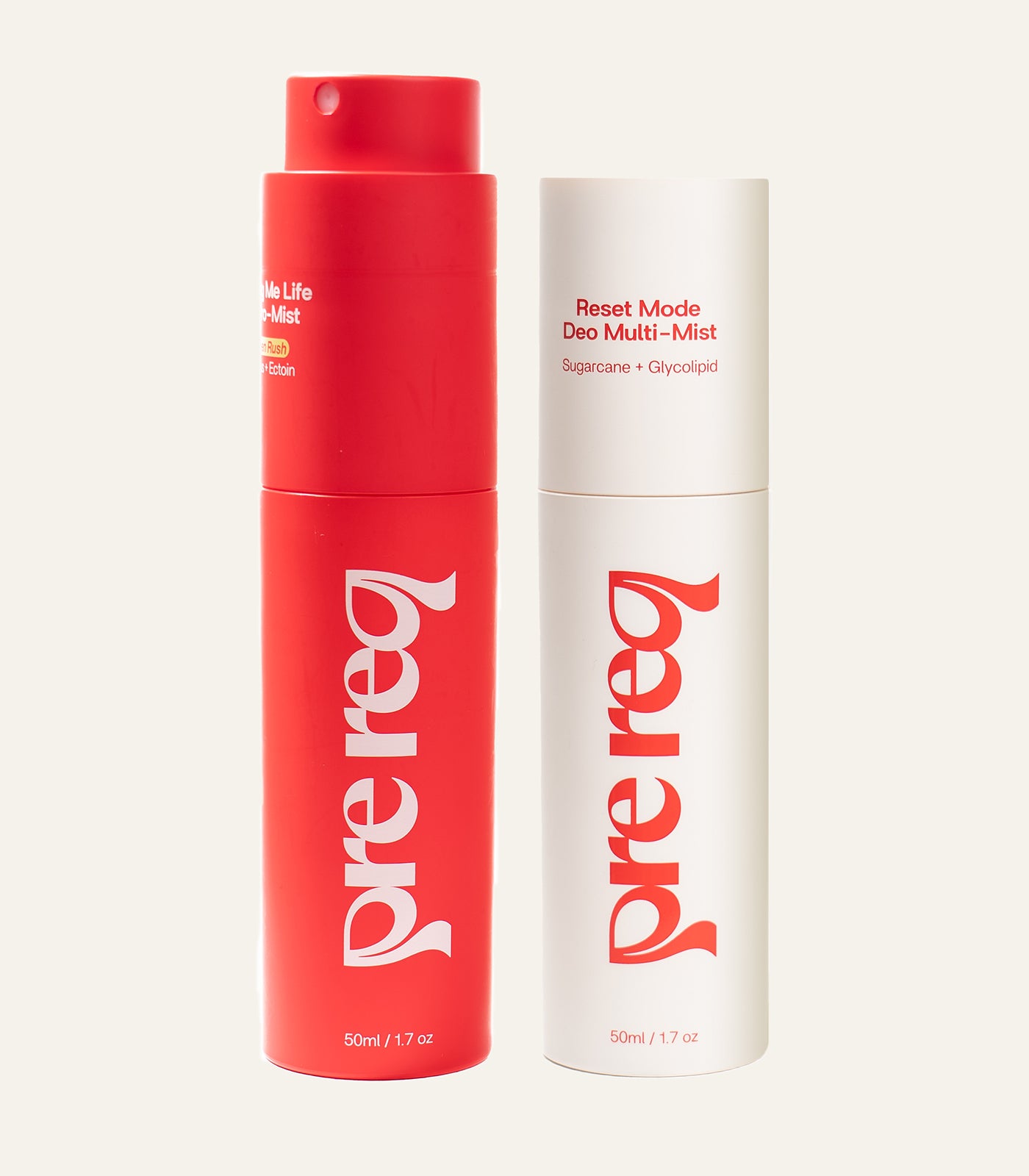
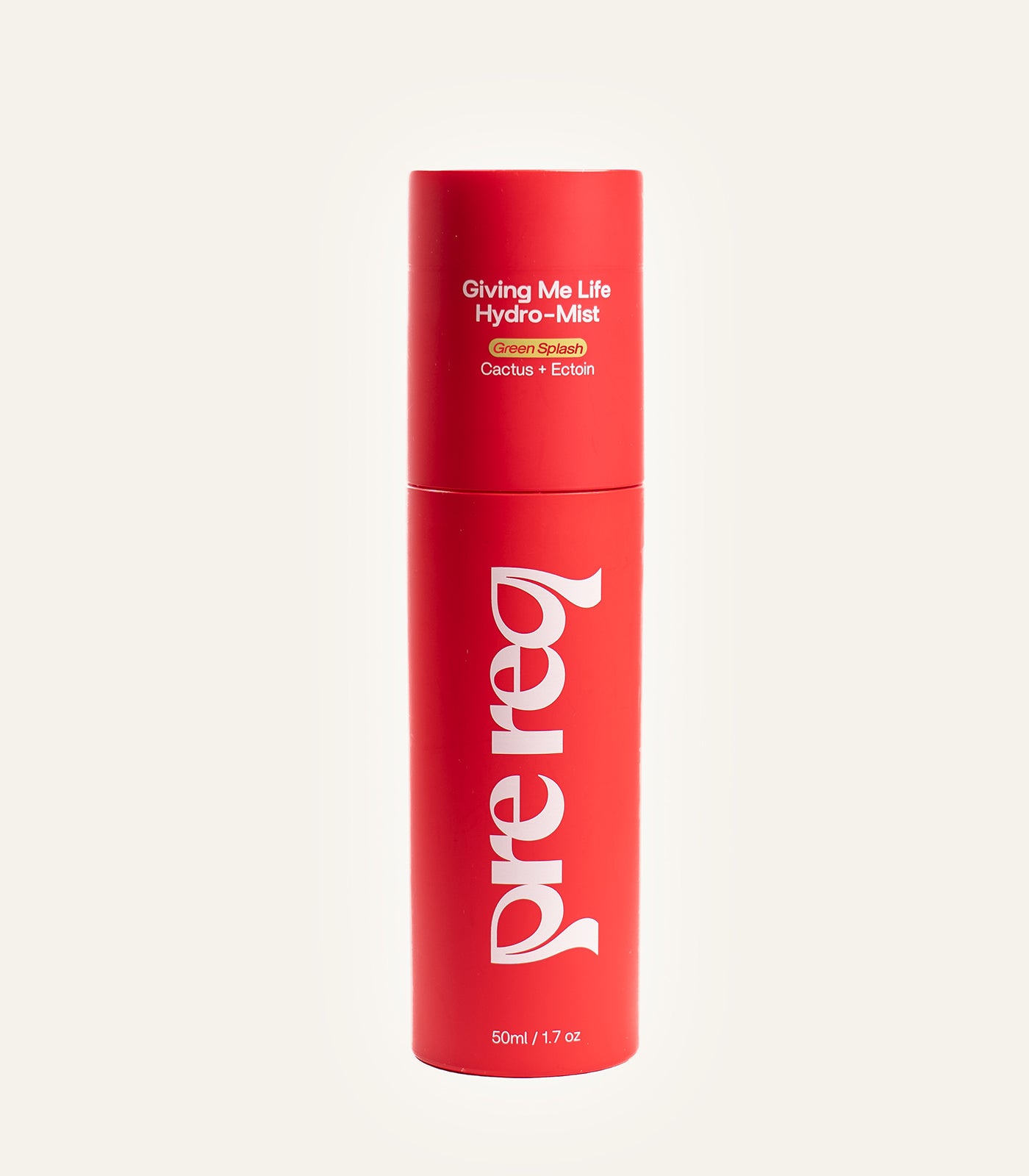
Oily skin still needs moisture. Look for a lightweight moisturizer labeled non-comedogenic, and check the ingredient list, since a label alone doesn't guarantee a product won't clog pores. After cleansing, Giving Me Life Hydro-Mist can add quick moisture when skin feels tight, especially after sports or a hot day.
Leave Pimples Alone
Squeezing can push material deeper into the skin and increase the risk of scarring. Let pimples heal on their own while you keep up the daily routine.
Wear Sunscreen Every Morning
Dermatologists commonly recommend three daily habits for kids' skin: washing the face, moisturizing, and wearing sunscreen. Choose a mineral SPF 30 with zinc oxide, a common choice for sensitive skin.
A Simple Three-Step Routine
Three steps cover most first-pimple care:
-
Cleanse gently in the morning and at night.
-
Moisturize with a light, non-comedogenic formula.
-
Apply mineral SPF 30 every morning.
Body Odor and Other Changes at the Same Age
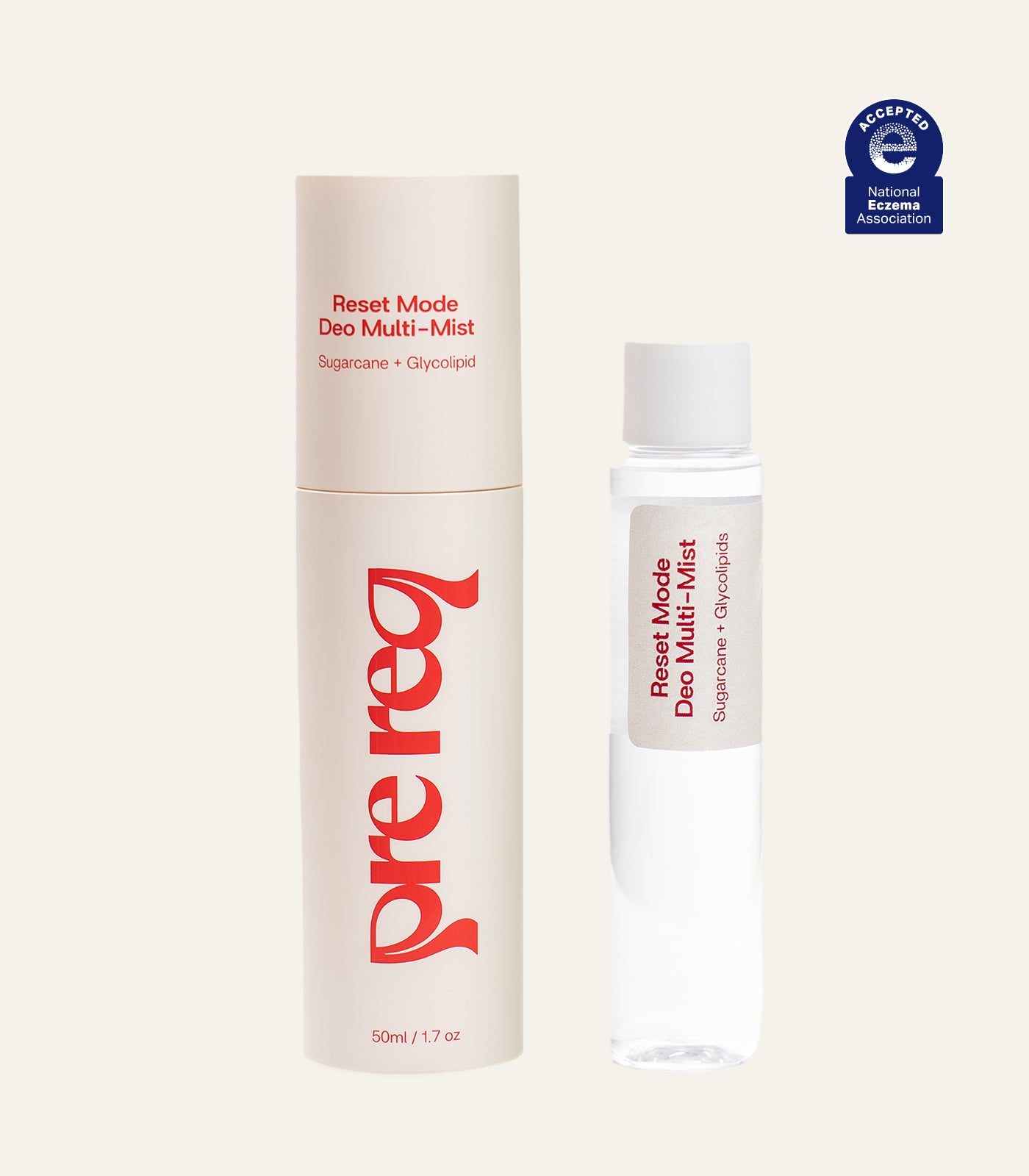
Sweat glands under the arms become more active during puberty, so many kids notice body odor around the time first pimples appear. Learning the timing signs for deodorant for kids helps you plan. Reset Mode Deo Multi-Mist is aluminum-free, paraben-free, and made without synthetic fragrance. It carries the NEA Seal of Acceptance from the National Eczema Association, which means it has been evaluated for sensitive and eczema-prone skin.
Recommended Products for Tweens & Teens
Support healthy hygiene and skincare habits with gentle, age-appropriate essentials designed for pre-teens and teens.
Frequently Asked Questions
How long does it take for first pimples to improve?
Improvement can take up to three months with consistent, gentle care, according to American Academy of Dermatology expert advice. Give a routine time to work before switching products.
Do pimples leave marks on young skin?
Yes, many people see a dark spot after a pimple clears, called post-inflammatory hyperpigmentation. In lighter skin, the spot can look red and linger for months.
Can my 10-year-old use my face wash or acne products?
Adult products often contain stronger ingredients than young skin needs. Choose a gentle, fragrance-free face wash made for kids, and ask a pediatrician or dermatologist before using any acne treatment.
Does sunscreen cause pimples?
Sunscreens labeled non-comedogenic are formulated to be less likely to clog pores, so most kids can use them without breakouts. Mineral formulas with zinc oxide are a common choice for sensitive skin.
Will my child need an acne prescription?
Sometimes. If over-the-counter care isn’t enough, a dermatologist may prescribe a topical treatment, an antibiotic, or a combination, depending on your child’s case. Any prescription decision should come from a professional who has examined your child.
Should I start with a pediatrician or a dermatologist?
Either can be a reasonable first stop. A pediatrician can assess mild acne and refer your child to a dermatologist when home care isn’t working or when acne is severe or leaving scars.
Keep First Pimples Simple With Gentle Care and Time
First pimples at ages 9 to 13 are usually mild and respond well to a gentle cleanser, a light moisturizer, daily sunscreen, and patience. Book a visit with a pediatrician or dermatologist when breakouts are deep, spreading, leaving scars, or affecting your child's confidence at school. Explore the Prereq skincare collection to build a simple routine your child can stick with.
Recommended Products for Tweens & Teens
Support healthy hygiene and skincare habits with gentle, age-appropriate essentials designed for pre-teens and teens.
This article is for general information and does not replace advice from a qualified healthcare professional. For any child’s acne, consult a pediatrician or board-certified dermatologist before starting treatment.

