

The best deodorants for teens in 2026 are aluminum-free, baking-soda-free, and gentle enough for skin that's still developing. Most deodorants are made for adult skin, which has a different microbiome, different oil balance, and a more established skin barrier than a 12-year-old's. Using the wrong formula leads to rashes, irritation, or an odor problem that the product makes worse rather than better.
This guide covers what makes a teen deodorant actually safe and effective in 2026, what to look for by age and gender, which ingredients to avoid, and what Prereq recommends for tweens and teens who need reliable everyday odor control.
Why Teen Skin Needs a Different Kind of Deodorant
Teen skin needs its own deodorant because its microbiome, oil balance, and sensitivity are meaningfully different from adult skin, and most deodorants are not formulated with that in mind.
During puberty, apocrine sweat glands become active for the first time. These are the glands in the underarms that stay dormant through childhood. They produce a thicker type of sweat than the sweat released during exercise. When that sweat meets bacteria naturally present on the skin, body odor develops. This is normal; it's a body chemistry shift, not a cleanliness issue.
The problem is that teen skin is more reactive than adult skin at exactly this stage. The skin barrier is still maturing. A formula that causes no issues on a 35-year-old can cause a rash, dryness, or pH disruption on a 13-year-old using the same product every day.
As Dr. Tiffany Libby, board-certified dermatologist and Prereq Care's Strategic Advisor, explains:
"Teen skin has a different microbiome, different oil balance, and higher sensitivity. Harsh activities and multi-step routines aren't necessary, and they can actually disrupt the skin barrier."
That's the case for choosing a deodorant built specifically for teen skin, not just a smaller size of an adult product.
Deodorant vs. Antiperspirant for Teens: What's the Difference?
This is one of the most common questions parents search for when buying deodorant for a teen for the first time, and the difference matters.
Deodorant manages odor. It neutralizes or masks the smell that comes from bacteria breaking down sweat, without interfering with sweating itself. Sweating is healthy; it's how the body regulates temperature. For most teens dealing with everyday body odor, deodorant is all they need.
Antiperspirant blocks sweat using aluminum-based compounds that temporarily plug the sweat ducts. For teens who sweat heavily during sports or throughout the school day, this might seem like the obvious fix. But dermatologists generally recommend starting with aluminum-free options at this stage; sweat blockage isn't typically necessary, and aluminum compounds can be harsh on developing skin.
|
Deodorant |
Antiperspirant |
|
|
Controls odor |
Yes |
Yes |
|
Blocks sweat |
No |
Yes (via aluminum) |
|
Right for teen skin |
Yes |
Not usually needed |
|
Aluminum-free |
Yes |
No |
For active teens who need strong odor control through sports and PE, the better approach is a deodorant with effective odor-neutralizing activities, not one that shuts sweat glands down.
What to Look For in the Best Deodorant for Teens
Not every "gentle" or "natural" label means what it implies. Here's what actually matters when choosing a good deodorant for teens.
Aluminum-free
Teen bodies don't need sweat blocked. An aluminium-free deodorant for teens manages odor without interfering with the body's natural temperature regulation. This is the starting point for any deodorant intended for young skin.
Baking-soda-free
Baking soda is alkaline; its pH is significantly higher than the skin's natural pH of around 4.5 to 5.5. This mismatch can cause a rash, stinging, or chronic irritation, especially with daily use. It's a common ingredient in products labelled "natural," which makes it worth checking the ingredient list even when a product is marketed as gentle.
No synthetic fragrance
Synthetic fragrance is the most common cause of contact dermatitis in the underarm area for young skin. On an ingredient label, it's often listed simply as "fragrance" or "parfum," with no breakdown of what's actually inside. Phthalates, endocrine disruptors, can hide under this label. Fragrance-free formulas or those using clearly identified essential oils at low concentrations are safer choices.
No parabens
Parabens are synthetic preservatives with ongoing questions around hormonal disruption. In a product used daily on developing bodies, it's worth skipping them entirely.
Dermatologist-tested, not just dermatologist-marketed
There's a difference between a product that has undergone independent clinical assessment and one that uses the word "dermatologist" in its branding. Third-party indicators like the NEA Seal of Acceptance from the National Eczema Association signal that the formula has actually been evaluated for sensitive skin, not just described that way on packaging.
Zinc-based or microbiome-supporting actives
Zinc naturally helps manage odour-causing bacteria without disrupting the skin microbiome. Ingredients that actively support the skin's bacterial balance, like fermentation-derived actives, work with teen skin rather than against it.
Format matters too
Deodorant sticks are easy to apply and portable. Mists work for underarms and other areas, which suit active teens. Roll-ons can work, but alcohol-based formulas in roll-ons or sprays may sting or dry out post-shave skin in older teens.
Here is the detailed guide on “7 types of deodorant ingredients that can trigger Eczema".
Ingredients to Avoid in Teen Deodorants
A product doesn't need a long list of concerning ingredients to cause a problem. Often, it's one or two that are the issue. Here's a short reference for what to check before buying:
|
Ingredient |
Why skip it |
|
Aluminum salts |
Block sweat glands; not appropriate or necessary for most teens |
|
Baking soda |
Alkaline pH causes rash and irritation on reactive skin |
|
Synthetic fragrance |
Top cause of contact dermatitis; may contain hidden phthalates |
|
Parabens |
Synthetic preservatives with endocrine-disrupting concerns |
|
Harsh alcohols (ethanol, denatured alcohol) |
Drying and irritating, particularly after shaving |
One important note: a "natural deodorant for teens" label isn't a guarantee that any of the above have been avoided. Baking soda appears in dozens of natural formulas. Essential oils at high concentrations can also trigger reactions on sensitive teen skin. Always check the ingredient list rather than relying on front-of-label claims.
Best Deodorant for Teen Girls in 2026
Girls typically enter puberty earlier than boys, usually between ages 8 and 13, which means many need deodorant before their male peers. By 10, underarm odor is common for the first time. By 11 or 12, daily deodorant is standard.
What teen girls need most is reliability without irritation, especially once shaving begins and underarm skin becomes more reactive. Baking-soda-free and alcohol-free formulas matter in a real, daily-use way at this stage.
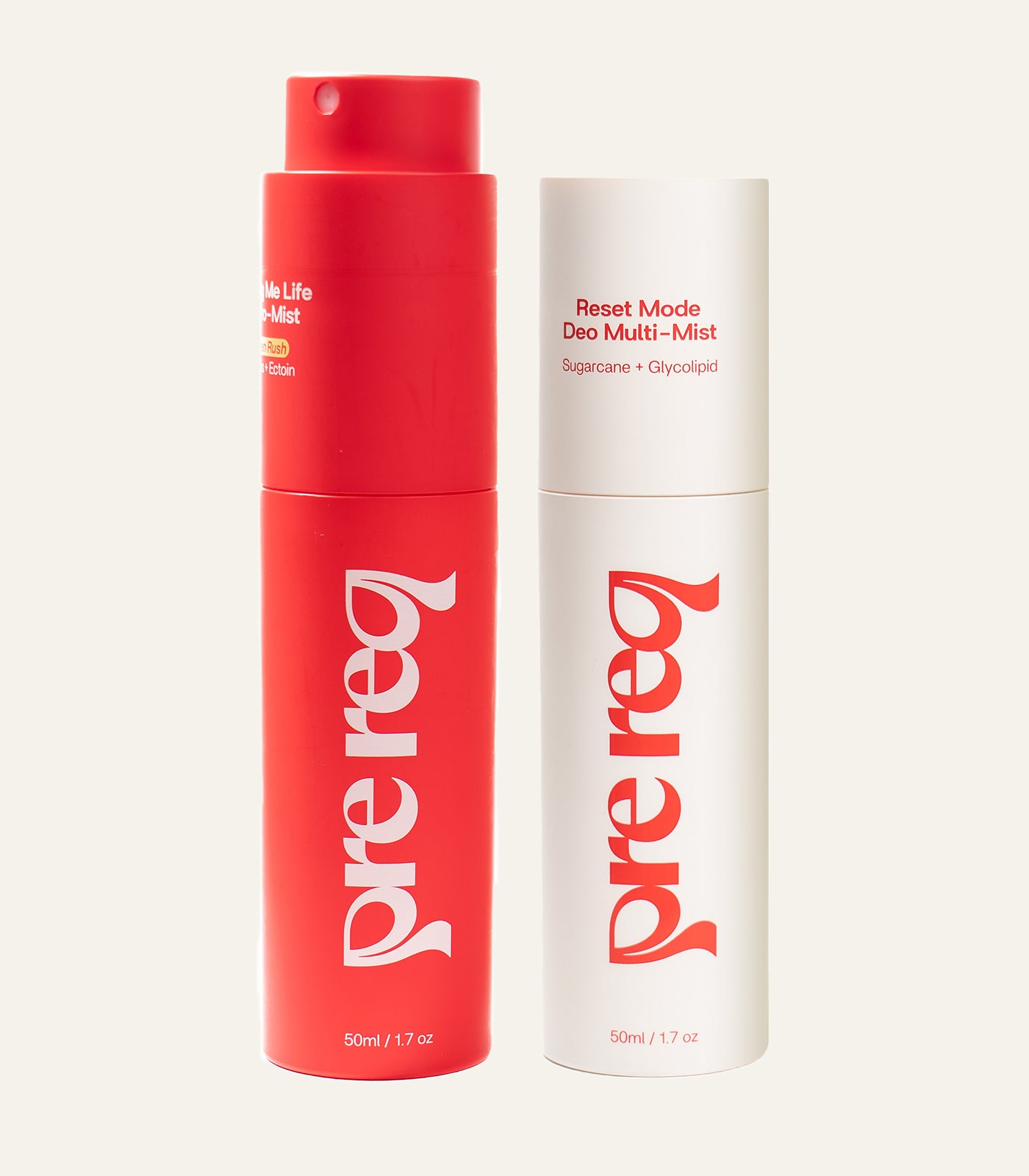
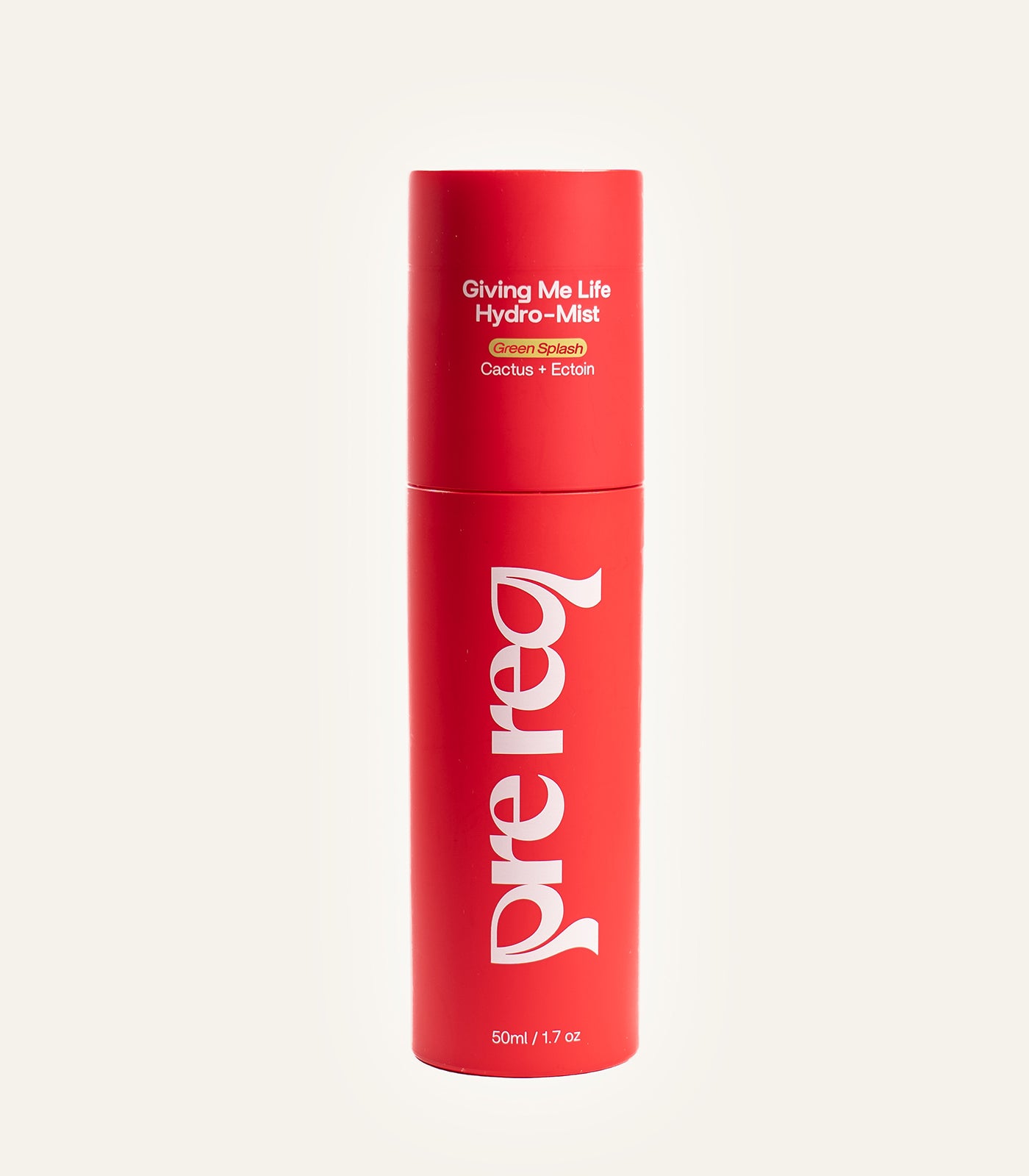
For teen girls who also deal with dry or stressed skin throughout the day, Prereq Giving Me Life Hydro-Mist ($15.99) is a portable, between-class refresh that supports skin without adding irritation. Formulated with Ectoin to lock in moisture and AquaCacteen (cactus extract) for 24-hour hydration, backpack-ready and safe for sensitive and acne-prone skin.
Best Deodorant for Teen Boys in 2026
Boys typically begin puberty between ages 9 and 14. When body odor arrives, it tends to be stronger than girls', higher sweat volume and more active apocrine glands mean odor builds faster and requires more reliable daily control.
The answer isn't the most aggressive formula on the shelf. It neutralizes odor effectively while still being safe for developing skin, aluminum-free, baking-soda-free, and consistent enough to hold through sports and PE.
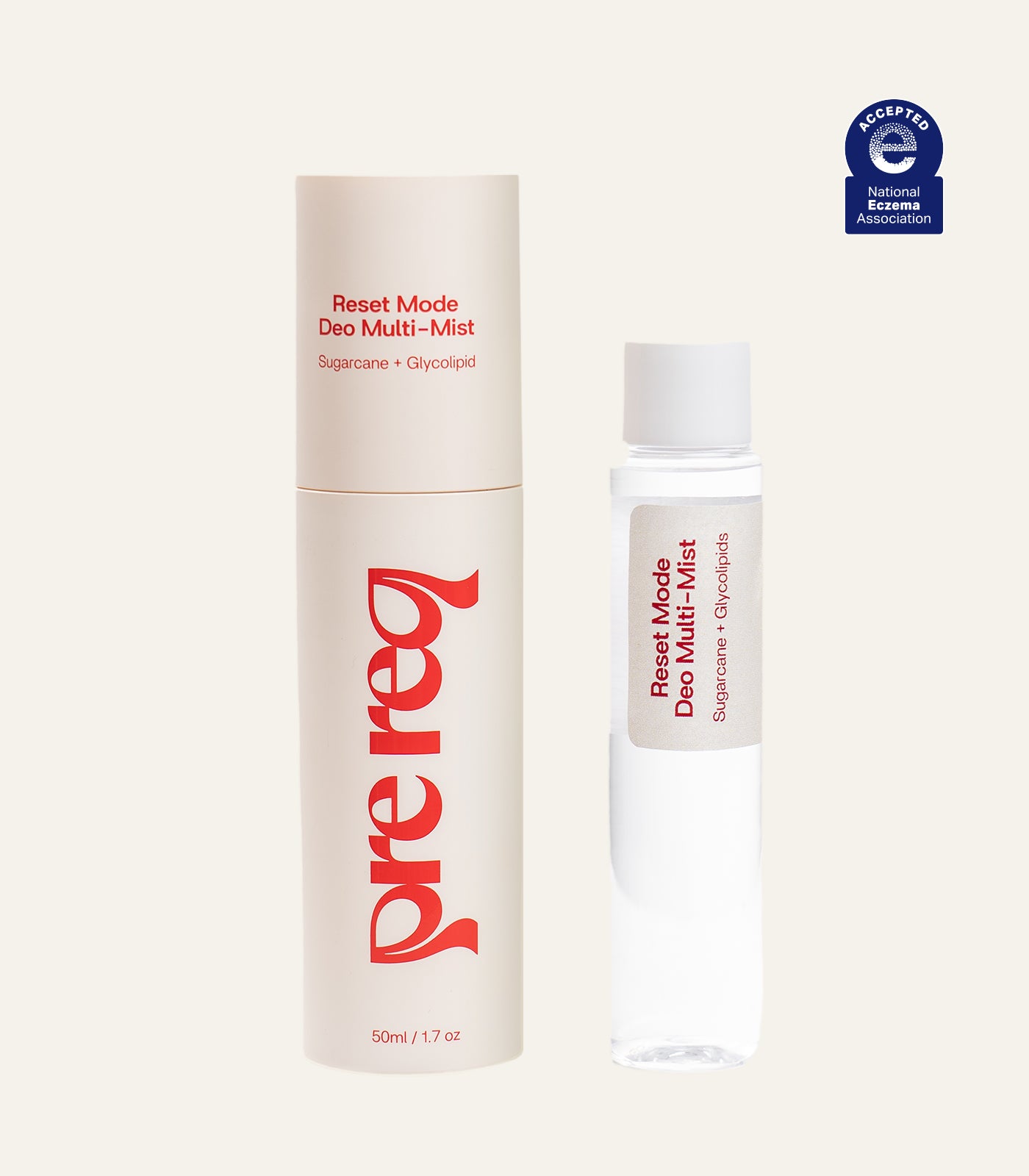
Prereq Reset Mode Deo Multi-Mist ($15.99) handles exactly this. The mist format is practical for active teen boys; it works on underarms, feet, and any area that needs a reset after practice. Sugarcane fermentation neutralizes odor without aluminum or baking soda. NEA-approved. Refillable.
Apply once daily after showering, before school. Reapply after PE or sports when needed. Consistency every day outperforms heavy application once in a while.
Recommended Products for Tweens & Teens
Support healthy hygiene and skincare habits with gentle, age-appropriate essentials designed for pre-teens and teens.
How to Build a Simple Deodorant Routine for Teens
Deodorant works best as a daily habit, not a reactive one. A teen who uses it every morning will have noticeably better odor control than one who only reaches for it when they can already smell themselves.
Building the habit is straightforward when it attaches to something already automatic:
-
Shower daily, with underarms as a priority area, especially after sports or physical activity.
-
Pat the underarms dry before applying. Moisture on the skin reduces how well the deodorant adheres and how long it lasts.
-
Apply deodorant immediately after drying, before getting dressed. This is the step most teens skip when they're rushing.
-
Reapply after PE or sports when needed; a travel-size or mist format in a gym bag makes this easy.
-
Link it to something automatic, phone charging, tooth brushing, or getting dressed. New habits stick when they attach to existing ones.
One thing worth telling teens directly: deodorant isn't a once-in-a-while product. Used every day, it prevents everyday odor from building up. Used only when odor is already noticeable, it just masks it temporarily.
Frequently Asked Questions
Which deodorant is safe for teenagers?
The safest deodorants for teenagers are aluminum-free, baking-soda-free, paraben-free, and made without synthetic fragrance. Formulas that carry third-party certifications, like the NEA Seal of Acceptance, have been independently evaluated for sensitive skin, which is more meaningful than a "gentle" label applied by the brand itself.
What deodorant is best for a 12-year-old girl?
A gentle, aluminum-free, baking-soda-free formula with no synthetic fragrance. At 12, daily use is appropriate and expected. The goal at this age is reliable everyday odor control that doesn't irritate skin that may already be reacting to hormonal changes and, for many girls, the start of shaving.
What causes teen body odor?
Apocrine sweat glands become active during puberty and produce a thicker type of sweat than the cooling sweat released during exercise. When bacteria that naturally live on the skin break that sweat down, the result is body odor. It's a normal part of development, a body chemistry shift, not a hygiene problem.
What deodorant is good for boys going through puberty?
An aluminum-free formula with effective odor-neutralizing actives, not the strongest antiperspirant on the shelf. Teen boys need reliable odor control that handles sports and activity without blocking sweat glands or irritating developing skin. A baking-soda-free formula reduces rash risk, which is higher with daily use on active skin.
What are the signs a teen needs deodorant?
Underarm odor that's noticeable after school or sports, even after a morning shower, is the clearest sign. Increased sweating during physical activity, early puberty signs like breast budding or pubic hair, and growing self-consciousness about how they smell around peers are also reliable indicators.
Is it safe for kids to use deodorant?
Yes, when the formula is appropriate for their age. Aluminum-free, baking-soda-free deodorants without synthetic fragrance or parabens are safe for daily use from around age 8 to 9 onward, once body odor begins. The key is matching the formula to where the child's skin actually is, not defaulting to adult products.
The Right Deodorant Makes the Habit Easier to Build
The best deodorant for teens in 2026 isn't the strongest one or the most heavily marketed one. It's the one with the right ingredients for developing skin, aluminum-free, baking-soda-free, free from synthetic fragrance and parabens, used consistently every day.
Puberty starts at different times for every child. Body odor is the signal that it's time to start, not an age on the calendar. When that moment comes, a formula built specifically for young skin makes the transition simpler, less irritating, and far more likely to become a habit that actually sticks.
For teens with sensitive or eczema-prone skin, our guide to eczema-safe deodorant for kids and tweens covers what to look for. If you're building a fuller daily routine beyond deodorant, the tween skincare routine for ages 8-12 is a good next step.

